7 Key Phases of Jumping Cholla Development 🌵
Cylindropuntia prolifera
By the Greg Editorial Team
Oct 20, 2024•6 min read
This article was created with the help of AI so we can cover more plants for you. May contain errors. See one? Report it here.
Cultivate resilient Jumping Cholla cacti 🌵 and discover the secrets to their thriving growth stages!
- 🌱 Jumping Cholla seeds need 70°F-85°F and well-draining soil for successful germination.
- 🌼 Flowering occurs April-June, producing vibrant blooms that attract pollinators.
- ⏳ Full maturity takes 5-10 years, with optimal conditions ensuring a lifespan of 20-30 years.
Germination Stage
Conditions for Germination 🌱
To kickstart the life of a Jumping Cholla, specific conditions must be met. The optimal temperature range for germination is between 70°F to 85°F (21°C to 29°C), creating a cozy environment for the seeds.
Soil plays a crucial role too. Well-draining sandy or rocky soil is essential, as it prevents water from pooling around the seeds. Additionally, moisture levels should be lightly moist but never waterlogged, striking the right balance for successful germination.
Duration of Germination ⏳
Germination typically takes about 2 to 4 weeks. During this time, various factors can influence how quickly the seeds sprout.
Temperature, moisture, and seed quality are key players in this process. A slight change in any of these elements can either speed up or slow down the germination timeline, making it a delicate dance of nature.
Understanding these conditions and durations is vital for anyone looking to cultivate Jumping Cholla successfully. With the right environment, these seeds can flourish, setting the stage for the next exciting phases of growth.
Seedling Stage
🌱 Characteristics of Seedlings
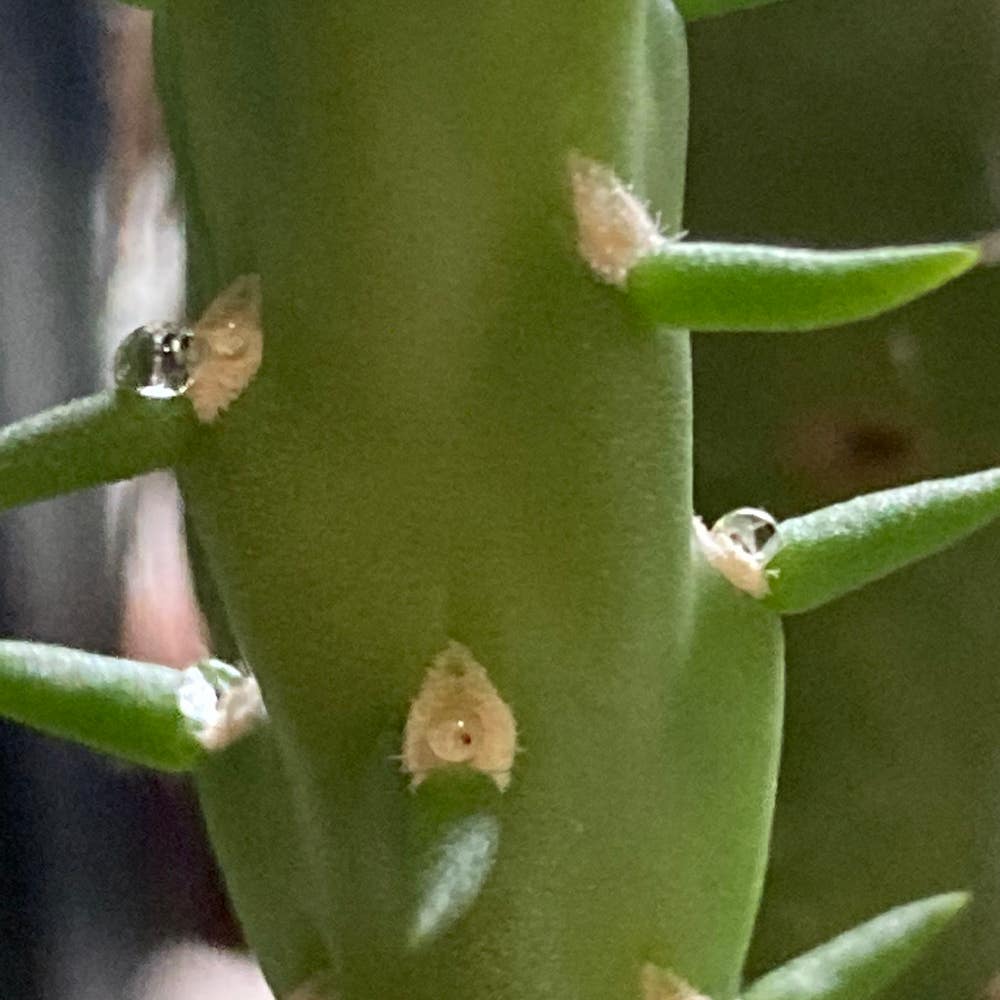
Jumping Cholla seedlings start their journey as small, cylindrical stems. These young plants exhibit minimal spines, making them look quite different from their mature counterparts.
Their coloration ranges from light green to pale yellow, giving them a fresh, vibrant appearance. At this stage, they develop a shallow root system, which is crucial for nutrient uptake as they begin to establish themselves.
⏳ Duration of Seedling Growth
The seedling stage typically lasts between 6 months to 1 year. During this time, healthy seedlings show robust growth and are free from rot or disease, indicating they are thriving in their environment.
Understanding these early characteristics is essential for anyone interested in cultivating Jumping Cholla. With proper care, these seedlings can flourish and grow into resilient cacti, setting the stage for their next developmental phases.
As we move forward, let’s explore the fascinating vegetative growth stage, where these young plants begin to mature and develop their distinctive features.
Vegetative Growth Stage
🌱 Growth Patterns and Changes
During the vegetative growth stage, Jumping Cholla cacti undergo significant transformations. One of the most noticeable changes is stem segmentation, where distinct segments develop as the plant matures.
Spine development is another key feature of this stage. You’ll see an increase in both the density and length of spines, making the cactus more formidable.
Height increase is also remarkable; these cacti can grow several feet during this period. This rapid growth is a testament to their resilience and adaptability in various environments.
⏳ Duration of Vegetative Growth
The vegetative growth stage typically lasts between 2 to 5 years. This duration can vary significantly based on environmental conditions.
Several factors influence the growth rate, including soil quality, water availability, and sunlight exposure. Optimal conditions can lead to impressive growth, while adverse conditions may slow the process.
Understanding this stage is crucial for anyone interested in cultivating or conserving Jumping Cholla. It sets the foundation for the subsequent flowering and seed production stages, ensuring the plant's continued survival and reproduction.
As we move forward, let’s explore the vibrant flowering stage, where these cacti truly come to life.
Flowering Stage
Flower Characteristics and Timing 🌼
The flowering stage of the Jumping Cholla is a stunning spectacle. Its vibrant yellow to reddish flowers bloom from April to June, marking the transition into warmer months.
During this period, the cactus showcases its beauty, attracting attention from both nature lovers and pollinators alike. The flowers typically last several days to weeks, providing a colorful display in the desert landscape.
Pollination Process 🐝
Pollination is crucial for the Jumping Cholla's reproductive success. The cactus attracts bees and other insects, which play a vital role in transferring pollen.
Interestingly, Jumping Cholla can also self-pollinate, allowing it to reproduce even in the absence of external pollinators. This adaptability ensures that the species can thrive in various conditions, making it a resilient addition to its ecosystem.
As the flowering stage concludes, the plant prepares for the next phase: seed production. Understanding this process is essential for appreciating the full life cycle of the Jumping Cholla.
Seed Production Stage
Seed Development and Dispersal 🌬️
After successful pollination, Jumping Cholla begins the fascinating process of seed formation. The seeds are small and dark, nestled within the fruit, ready for their journey into the world.
Dispersal methods are diverse and clever. Seeds can be carried by the wind, consumed and excreted by animals, or simply detach from the parent plant when conditions are right. This variety ensures that the seeds have multiple avenues to find new homes.
Duration of Seed Production ⏳
The timeframe for seed maturity is relatively quick, taking about 2 to 3 months post-flowering. This rapid development is crucial for the plant's survival and propagation.
However, not all seeds will thrive. Environmental conditions, such as moisture and temperature, along with predation from animals, can significantly affect seed viability. Understanding these factors is essential for anyone interested in cultivating or conserving Jumping Cholla.
As we explore the next phase, we’ll look at the Maturation and Lifespan of this remarkable cactus.
Maturation and Lifespan
🕰️ Time Until Full Maturity
Jumping Cholla cacti take about 5 to 10 years to reach full maturity. During this time, you'll notice key indicators such as height, the number of segments, and the ability to produce flowers.
🌱 Overall Lifespan
In optimal conditions, these resilient plants can live for 20 to 30 years. However, their longevity can be affected by various factors, including environmental stressors, disease, and competition for resources.
⚖️ Factors Influencing Longevity
- Environmental Stressors: Extreme weather conditions can shorten their lifespan.
- Disease: Fungal infections or pests can pose serious threats.
- Competition: Nearby plants can compete for water and nutrients, impacting growth.
Understanding these aspects of maturation and lifespan is crucial for anyone interested in cultivating or conserving Jumping Cholla. By recognizing the challenges these cacti face, you can better appreciate their resilience and beauty.
As we transition to the next section, let’s explore the summary of growth rates and development, highlighting the remarkable journey of the Jumping Cholla from seedling to mature cactus.
Summary of Growth Rate and Development
Understanding the growth rate of Jumping Cholla is crucial for anyone interested in this unique cactus. Typically, these plants grow between 1 to 3 feet per year during their vegetative stage, but this can vary significantly based on environmental conditions.
🌱 Notable Changes Throughout the Life Cycle
As Jumping Cholla transitions from seedling to mature cactus, several structural and reproductive changes occur. You’ll notice the development of distinct segments in the stems, increased spine density, and the eventual ability to produce vibrant flowers.
📈 Importance of Understanding Growth Stages
Recognizing these growth stages is essential for effective propagation and conservation efforts. By understanding how Jumping Cholla develops, you can better appreciate its resilience and adaptability in various environments.
This knowledge not only enhances your gardening skills but also fosters a deeper connection to the natural world. Next, we’ll explore the fascinating details of the Maturation and Lifespan phase, shedding light on how long these remarkable plants can thrive.
⚠️ Safety First
This content is for general information and may contain errors, omissions, or outdated details. It is not medical, veterinary advice, or an endorsement of therapeutic claims.
Always consult a qualified healthcare professional before using any plant as food, medicine, or supplement.
Never eat any plant (or feed one to pets) without confirming its identity with at least two trusted sources.
If you suspect poisoning, call Poison Control (800) 222-1222, the Pet Poison Helpline (800) 213-6680, or your local emergency service immediately.
Spotted an error? Please report it here.
Master the growth phases of Jumping Cholla 🌵 with Greg's tailored care reminders, ensuring your cactus thrives at every stage of its journey!