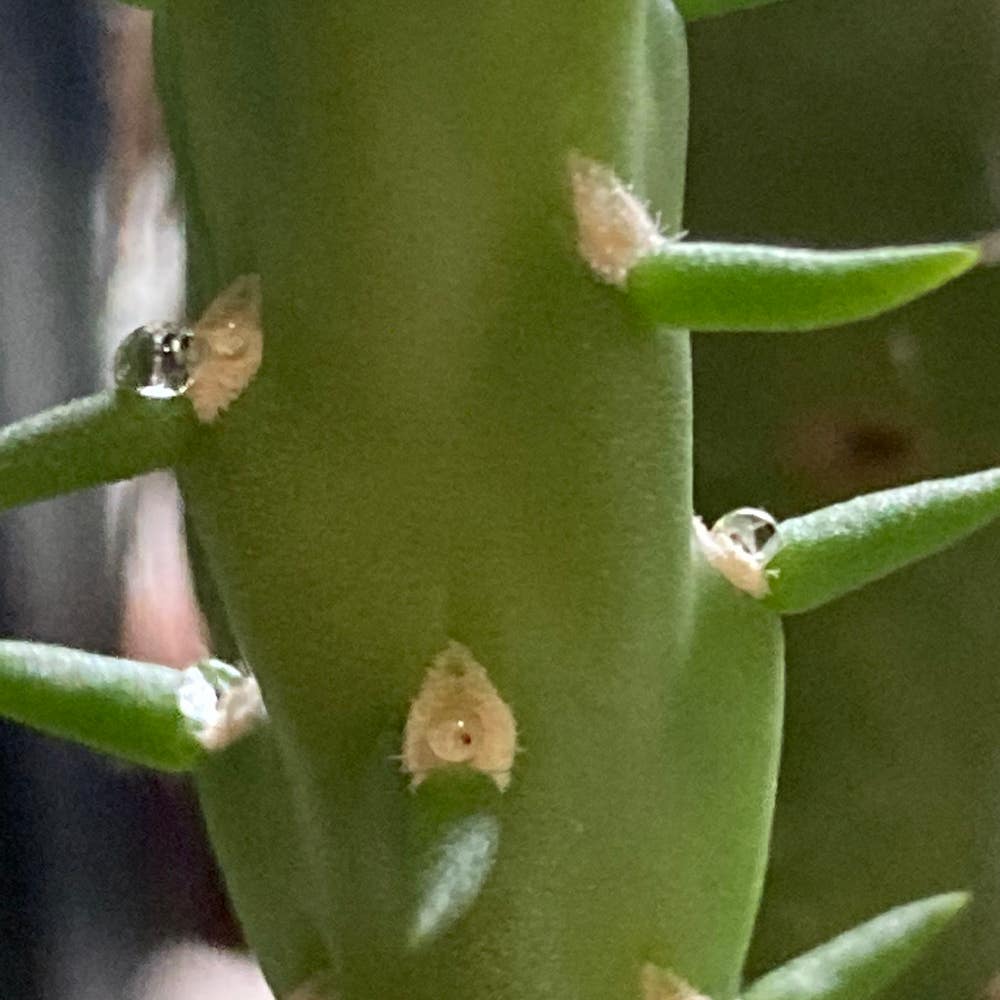
🌵 Jumping Cholla Zones
Cylindropuntia prolifera
By the Greg Editorial Team
Oct 20, 2024•5 min read
This article was created with the help of AI so we can cover more plants for you. May contain errors. See one? Report it here.
Unlock the secrets to thriving Jumping Cholla 🌵 by mastering its temperature needs and ideal growing regions!
- 🌵 Jumping Cholla thrives in heat but is vulnerable to frost; protect it wisely.
- 🌞 Requires 6+ hours of sunlight and well-draining soil for optimal growth.
- ❄️ Avoid cold climates like Florida and Minnesota; ideal in Southwestern U.S. states.
Temperature Tolerance
❄️ Cold Tolerance Specifics
Jumping Cholla can tolerate temperatures as low as 20°F (-6°C), but prolonged exposure can be detrimental. Frost can severely stunt growth and even kill off parts of the plant, making it crucial to understand how to protect it.
To shield Jumping Cholla from cold damage, consider using mulch or frost cloths during unexpected cold snaps. Planting in well-draining soil can also help prevent root rot during freezing conditions.
☀️ Heat Tolerance Specifics
On the flip side, Jumping Cholla thrives in extreme heat, with a maximum tolerance reaching up to 120°F (49°C). Its thick, fleshy pads store water, allowing it to survive in arid environments.
Drought resistance is vital for Jumping Cholla, enabling it to flourish in hot climates with minimal rainfall. This adaptability makes it a resilient choice for desert gardens.
🌡️ Ideal Temperature Ranges for Growth
For optimal growth, Jumping Cholla prefers temperatures between 70°F and 100°F (21°C to 38°C). Seasonal variations can impact growth rates, with warmer months promoting more vigorous development.
Temperature stability is essential for healthy development. Fluctuations can stress the plant, leading to stunted growth or even death.
Understanding these temperature tolerances helps gardeners create the best environment for Jumping Cholla. With the right conditions, this resilient cactus can thrive beautifully in your landscape.
Ideal Growing Regions
🌵 Suitable US States and Regions
Jumping Cholla thrives in specific USDA hardiness zones, primarily found in the Southwestern United States. States like Arizona, California, Nevada, and New Mexico offer the ideal climate for this resilient cactus.
These regions boast warm temperatures and dry conditions, making them perfect for Jumping Cholla's growth. The unique characteristics of the Southwestern US, such as its arid climate and abundant sunlight, create an environment where this cactus can flourish.
☀️ Factors Contributing to Ideal Growing Conditions
Soil type plays a crucial role in the success of Jumping Cholla. Well-draining sandy or rocky soils are essential to prevent root rot, which can be detrimental to the plant.
Sunlight exposure is another key factor. Jumping Cholla requires full sun to thrive, ideally receiving at least six hours of direct sunlight daily.
Climate factors, such as low humidity and minimal rainfall, further enhance the growing conditions. These elements help maintain the dry environment that Jumping Cholla prefers, allowing it to conserve water effectively.
🌤️ Microclimates and Their Impact
Microclimates can significantly influence the growth of Jumping Cholla. These localized areas can create warmer or cooler conditions, often differing from the surrounding environment.
Gardeners can take advantage of microclimates by strategically placing Jumping Cholla in sheltered spots, such as against a south-facing wall. This can provide the extra warmth needed for optimal growth, even outside typical zones.
Specific regions, like urban areas with heat-retaining structures, can benefit Jumping Cholla cultivation. Understanding these microclimates allows gardeners to expand their growing potential and enjoy the beauty of this unique cactus.
As we explore the next section, we’ll dive into a state-level suitability analysis, examining which states are best suited for Jumping Cholla cultivation.
State-Level Suitability Analysis
🌵 Suitable States
Jumping Cholla thrives in specific USDA hardiness zones, primarily found in the Southwestern United States. Here’s a quick look at the states where this resilient cactus flourishes:
- Arizona: With its warm desert climate, Arizona offers ideal conditions, including plenty of sunlight and minimal frost.
- California: Particularly in Southern California, the climate supports Jumping Cholla with its dry summers and mild winters.
- Nevada: The arid conditions and high elevation in parts of Nevada create a suitable habitat for this cactus.
- New Mexico: Known for its warm temperatures and low humidity, New Mexico is another excellent state for Jumping Cholla.
- Texas: The western regions of Texas provide the necessary heat and sunlight for optimal growth.
These states share characteristics like low humidity and well-draining soils, making them perfect for Jumping Cholla cultivation.
🚫 Unsuitable States
Not all states are conducive to growing Jumping Cholla. Here’s a list of states that fall outside the suitable hardiness zones:
- Florida: High humidity and frequent rainfall create conditions that can lead to rot in Jumping Cholla.
- Minnesota: The cold winters and frost-heavy climate make it nearly impossible for this cactus to survive.
- Maine: Similar to Minnesota, Maine's harsh winters and moisture-laden air are unsuitable for Jumping Cholla.
- Washington: The wet climate, especially in the western part of the state, poses challenges for this drought-resistant plant.
These states face climatic factors such as excessive moisture and low temperatures, which hinder the growth of Jumping Cholla.
📊 Reasons for Suitability and Unsuitability
Understanding why certain states are suitable or unsuitable for Jumping Cholla involves analyzing several factors.
- Temperature Extremes: States with moderate temperature ranges support growth, while those with extreme cold or heat can be detrimental.
- Frost Dates: Knowing the first and last frost dates is crucial. States with shorter frost-free periods may not provide enough time for the cactus to thrive.
- Local Environmental Factors: Soil type, drainage, and sunlight exposure play significant roles. Areas with well-draining sandy soils and ample sunlight are ideal.
By grasping these elements, gardeners can better navigate the challenges of cultivating Jumping Cholla, ensuring a successful growing experience.
As we delve deeper into the ideal growing conditions, understanding these state-level insights will help you make informed decisions for your gardening endeavors.
⚠️ Safety First
This content is for general information and may contain errors, omissions, or outdated details. It is not medical, veterinary advice, or an endorsement of therapeutic claims.
Always consult a qualified healthcare professional before using any plant as food, medicine, or supplement.
Never eat any plant (or feed one to pets) without confirming its identity with at least two trusted sources.
If you suspect poisoning, call Poison Control (800) 222-1222, the Pet Poison Helpline (800) 213-6680, or your local emergency service immediately.
Spotted an error? Please report it here.
Cultivating Jumping Cholla is a breeze 🌞 with Greg's tailored care tips that help you maintain the perfect temperature and soil conditions for thriving growth!