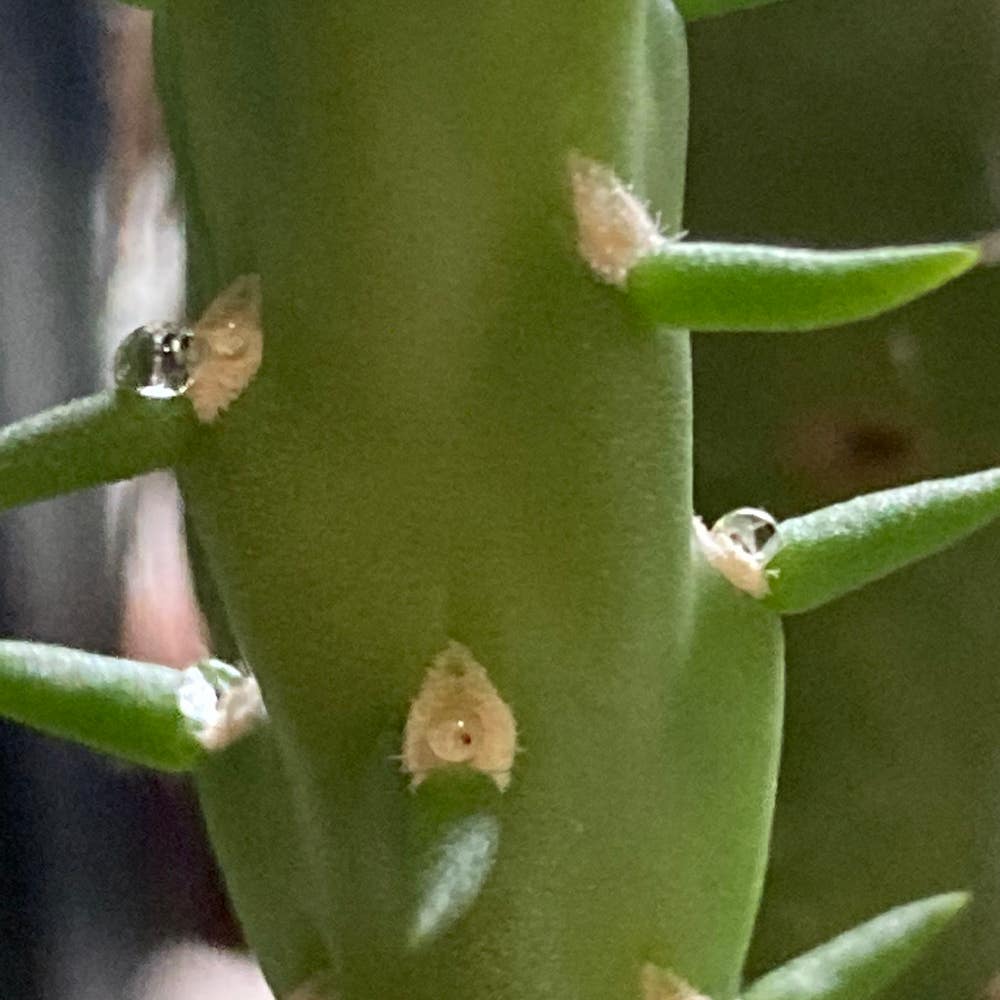
10 Tips for Pruning Jumping Cholla 🌵
Cylindropuntia prolifera
By the Greg Editorial Team
Nov 23, 2024•6 min read
This article was created with the help of AI so we can cover more plants for you. May contain errors. See one? Report it here.
Boost your jumping cholla's health and blooms 🌵 with expert pruning tips and perfect timing for vibrant growth!
- 🌱 Prune jumping cholla in late winter to early spring for optimal growth.
- ✂️ Use sharp tools and gloves to safely manage spines and prevent disease.
- 🌼 Deadhead spent flowers to encourage vibrant blooms and healthy regrowth.
Best Time to Prune
Optimal pruning time for cacti 🌵
Pruning your jumping cholla at the right time is crucial for its health and growth. The ideal seasons for pruning are late winter to early spring, just before new growth begins.
Timing your pruning can also impact blooming. If you prune after flowering, you can encourage even more vibrant blooms in the next season.
Environmental factors play a significant role too. Avoid pruning during extreme heat or frost conditions, as this can stress the plant and hinder recovery.
By choosing the right time, you set your jumping cholla up for success, ensuring it thrives and flourishes in the seasons to come.
Next, let’s explore the essential tools you’ll need for effective pruning.
Tools Needed for Pruning
Essential pruning tools for cacti 🌵
When it comes to pruning jumping cholla, having the right tools is crucial for both your safety and the health of the plant. Here’s a quick rundown of the essentials you’ll need.
Pruning Shears
Sharp and clean pruning shears are a must. They allow for precise cuts, which help the plant heal quickly and reduce the risk of disease.
Long-Handled Tongs
Handling spiny pads can be tricky. Long-handled tongs are perfect for safely maneuvering those prickly pads without getting hurt.
Gloves
Protective gloves are non-negotiable. Opt for thick gloves that can withstand the sharp spines, ensuring you can prune without fear of injury.
Disinfectant
Keeping your tools clean is vital. Use rubbing alcohol or a bleach solution to sterilize your tools before and after use to prevent any disease spread.
Equipped with these tools, you’ll be ready to tackle your jumping cholla with confidence. Next, let’s dive into the step-by-step pruning process to ensure you get the best results!
Step-by-Step Pruning Process
Pruning your Jumping Cholla can seem daunting, but with the right approach, it becomes a straightforward task. Follow these steps to ensure your cactus remains healthy and vibrant.
1. Assess the Plant 🌱
Start by examining your cactus closely. Look for areas that need attention, such as dead or damaged pads that detract from its overall health.
2. Prepare Tools 🛠️
Before diving in, make sure all your tools are clean and ready for action. This preparation is crucial for making precise cuts and avoiding any potential infections.
3. Wear Protective Gear 🧤
Safety first! Put on thick gloves to protect your hands from those pesky spines, and have your long-handled tongs at the ready for safe handling.
4. Remove Dead or Damaged Pads ✂️
Locate the base of any dead or damaged pads. Use your pruning shears to make a clean cut, ensuring you don’t leave any jagged edges.
- If a pad is particularly stubborn, use your tongs to detach it safely. This method keeps your hands clear of harm.
5. Shape the Plant 🌵
Next, focus on shaping your cactus for optimal growth. Trim any excess growth to maintain the desired shape.
- Pay special attention to overcrowded pads or those crossing each other. This will help improve air circulation and overall aesthetics.
6. Clean Up 🧹
After pruning, it’s essential to dispose of the cuttings properly. This step prevents pests and diseases from taking hold in your garden.
By following these steps, you’ll not only enhance the health of your Jumping Cholla but also enjoy the satisfaction of a well-maintained plant. Now that you’re equipped with the pruning process, let’s explore some common mistakes to avoid during this task.
Techniques for Deadheading
🌼 Importance of Deadheading
Deadheading is crucial for the health of your jumping cholla. By removing spent flowers, you encourage new growth and prolong the blooming period, ensuring your cactus remains vibrant and lively.
Additionally, deadheading enhances the overall aesthetics of your plant. It clears away wilted blooms, allowing the fresh flowers to shine and making your cactus look well-maintained.
✂️ How to Deadhead
Identify Spent Flowers: Start by looking for wilted or dried blooms that no longer contribute to the plant's beauty.
Use Pruning Shears: With your sharp shears, cut the flower stem back to the base of the pad. This clean cut promotes healthy regrowth.
Clean Tools: After you're done, disinfect your tools to prevent the spread of disease. A simple wipe with rubbing alcohol or a bleach solution will do the trick.
Deadheading is a straightforward yet impactful technique that keeps your jumping cholla thriving. By incorporating this practice into your pruning routine, you’ll ensure your cactus remains healthy and visually appealing.
Next, let’s explore common mistakes to avoid when pruning your cactus to keep it in top shape.
Common Mistakes to Avoid
🌵 Cactus pruning mistakes
Pruning your jumping cholla can be a rewarding experience, but it's easy to make mistakes that can harm your plant. Here are some common pitfalls to watch out for.
❌ Over-pruning
One of the biggest mistakes is over-pruning. Removing too many pads can stress the plant, leading to poor health and reduced growth.
⏰ Pruning at the wrong time
Timing is crucial when it comes to pruning. Avoid doing it during extreme weather conditions, such as intense heat or frost, as this can shock the plant and hinder recovery.
🧼 Neglecting tool hygiene
Another critical mistake is neglecting tool hygiene. Failing to sterilize your tools can introduce pathogens, which may lead to disease and damage your cactus.
By being mindful of these common mistakes, you can ensure a healthier and more vibrant jumping cholla. Now that you know what to avoid, let’s explore the signs that indicate when your cactus needs pruning.
Signs That Pruning is Needed
Recognizing when your jumping cholla needs pruning is essential for its health and vitality. Here are the key indicators to watch for.
🌱 Overcrowded Appearance
If your cactus looks like it's in a crowded dance-off, it’s time to take action. Pads that grow too close together can hinder airflow and light penetration, leading to potential health issues.
🪴 Dead or Damaged Pads
Keep an eye out for pads showing signs of rot or discoloration. These dead or damaged areas not only detract from the plant's appearance but can also spread disease if left unattended.
🌼 Reduced Flowering
A noticeable drop in blooms compared to previous seasons is a clear sign that your cactus might need some TLC. Pruning can help rejuvenate the plant and encourage more vibrant flowering in the future.
By staying vigilant for these signs, you can ensure your jumping cholla remains healthy and thriving. Next, let’s explore the essential tools you’ll need for effective pruning.
⚠️ Safety First
This content is for general information and may contain errors, omissions, or outdated details. It is not medical, veterinary advice, or an endorsement of therapeutic claims.
Always consult a qualified healthcare professional before using any plant as food, medicine, or supplement.
Never eat any plant (or feed one to pets) without confirming its identity with at least two trusted sources.
If you suspect poisoning, call Poison Control (800) 222-1222, the Pet Poison Helpline (800) 213-6680, or your local emergency service immediately.
Spotted an error? Please report it here.
Prune your jumping cholla like a pro ✂️ with Greg's tailored reminders and expert tips to ensure a thriving, vibrant cactus all year round!