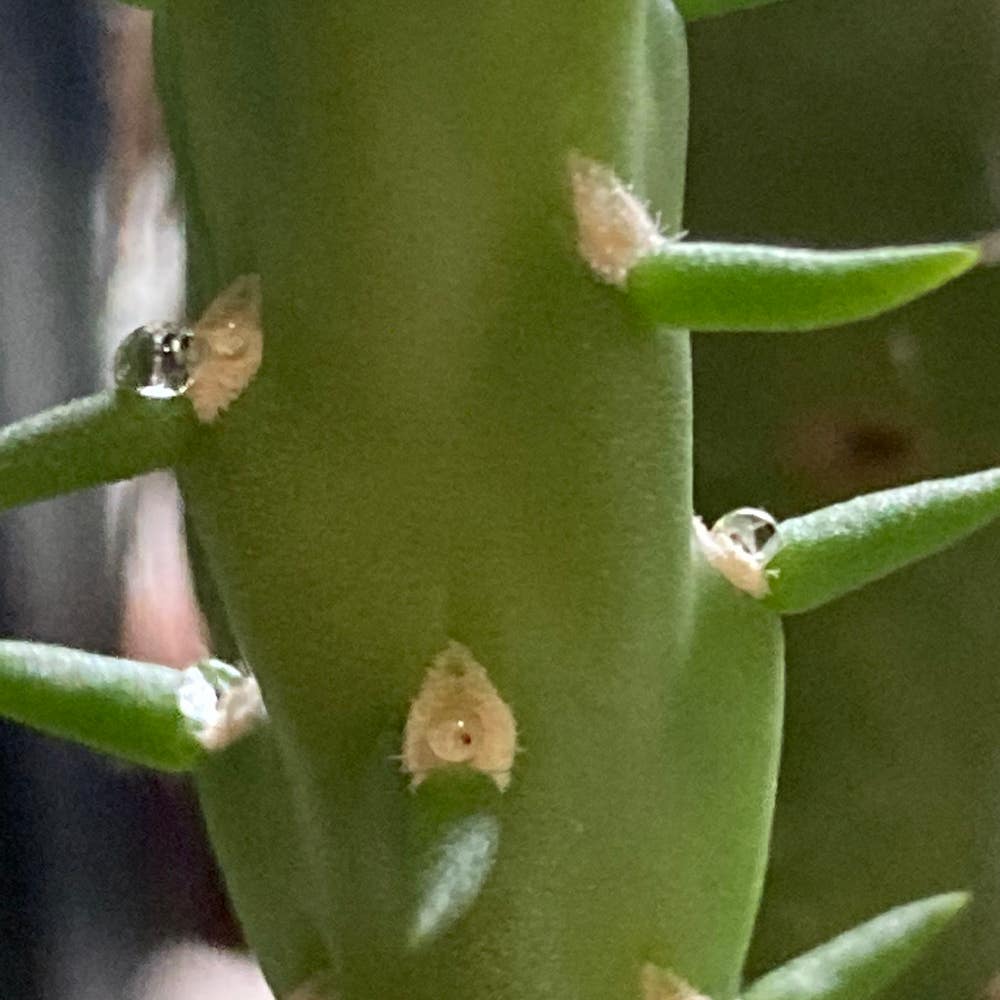
Reasons Why Your Jumping Cholla Won't Flower 🌵
Cylindropuntia prolifera
By the Greg Editorial Team
Oct 20, 2024•5 min read
This article was created with the help of AI so we can cover more plants for you. May contain errors. See one? Report it here.
Master essential care tips 🌵 to unlock vibrant blooms for your Jumping Cholla and keep it thriving!
- 🌞 Jumping Cholla needs 6+ hours of sunlight daily for optimal flowering.
- 🌡️ Ideal temperatures for blooming are 70°F to 100°F; avoid extremes.
- 🌱 Healthy roots and nutrients are crucial; monitor soil and avoid overwatering.
Common Reasons for Failure to Bloom
☀️ Insufficient Light Exposure
Jumping Cholla thrives in full sun, requiring at least six hours of direct light daily. Without this, you might notice stunted growth or elongated segments, signaling that your plant is reaching for more light.
🌡️ Environmental Stress Factors
Temperature plays a crucial role in flowering. Jumping Cholla prefers a cozy range of 70°F to 100°F (21°C to 38°C); anything outside this can stress the plant, reducing its energy for blooming.
🌱 Root Health Issues
Healthy roots are essential for vibrant blooms. Overwatering and poor drainage can lead to root rot, so ensure your soil drains well to keep your Jumping Cholla thriving and ready to flower.
Understanding these common reasons can help you create the ideal conditions for your Jumping Cholla to flourish. Next, let’s explore the causes of premature flower drop and how to tackle them effectively.
Causes of Premature Flower Drop
🌡️ Environmental Fluctuations
Sudden temperature changes can wreak havoc on your jumping cholla's flowers. When temperatures swing dramatically, the plant may struggle to retain its blooms, leading to premature drop.
High humidity levels also play a role. Excess moisture in the air can stress the plant, causing it to shed buds before they fully develop.
🥦 Nutritional Deficiencies
Lack of essential nutrients can significantly affect flower stability. If your jumping cholla isn't getting enough nitrogen, phosphorus, or potassium, you might notice flowers dropping unexpectedly.
Signs of nutrient deficiency often include yellowing segments and weak growth. Regular soil testing can help diagnose these issues before they escalate.
🐞 Pests and Diseases
Pests like aphids and mealybugs are common culprits that can affect flower health. These tiny invaders suck the life out of your plant, leading to wilting flowers and discoloration.
Additionally, diseases can manifest as symptoms like wilting and discoloration. Keeping an eye on your plant's health can help you catch these problems early, ensuring your jumping cholla stays vibrant and blooming.
Understanding these causes can empower you to take action and keep your jumping cholla thriving. Next, let’s explore how to address these issues effectively.
Factors Leading to Abnormal Flower Development
🌱 Genetic Factors
Genetics play a significant role in how your jumping cholla flowers. Different specimens can exhibit variability in flowering traits, meaning some may bloom more profusely than others.
🌧️ Environmental Stressors
Environmental conditions can also affect flower development. Drought can lead to stunted or malformed flowers, while overwatering may cause blighted flowers and even bud drop.
🐝 Pollination Issues
Pollination is crucial for flower development and fruit set. A lack of pollinators can hinder this process, resulting in fewer blooms and less fruit.
Understanding these factors can help you create a more conducive environment for your jumping cholla. By addressing genetic variability, environmental stressors, and pollination challenges, you can encourage healthier blooms and a more vibrant plant.
Nutritional Needs for Optimal Flowering
🌱 Essential Nutrients for Flowering
To achieve vibrant blooms, your Jumping Cholla needs a balanced supply of essential nutrients. The key players are nitrogen, phosphorus, and potassium, commonly referred to as NPK.
- Nitrogen promotes lush green growth.
- Phosphorus is crucial for root development and flower formation.
- Potassium enhances overall plant health and resilience.
Micronutrients like calcium and magnesium also play a vital role. They support cellular structure and aid in photosynthesis, ensuring your cactus thrives.
🚨 Signs of Nutritional Deficiencies
Recognizing nutritional deficiencies early can save your plant from stress. Common symptoms include yellowing segments and poor flower development.
If you notice these signs, it’s time to investigate further. Soil testing can reveal nutrient imbalances, allowing you to tailor your fertilization strategy effectively.
By ensuring your Jumping Cholla receives the right nutrients, you set the stage for a stunning floral display. This proactive approach not only enhances blooming but also contributes to the overall health of your cactus.
Next, let’s explore how pruning can influence flowering and what techniques to use for optimal results.
Pruning and Its Effects on Flowering
✂️ When and How to Prune Jumping Cholla
Pruning your Jumping Cholla is essential for promoting healthy growth and vibrant blooms. The best time to prune is post-bloom, typically in late summer, allowing the plant to recover before the next flowering season.
To prune effectively, gather the right tools: sharp pruning shears, gloves, and possibly a long-sleeved shirt for protection. Focus on removing dead or damaged segments, which can hinder overall health and flowering potential.
🌸 Effects of Pruning on Flower Production
Pruning can significantly impact flowering by encouraging new growth. When done correctly, it stimulates the plant to produce more blooms, enhancing its overall appearance.
However, be cautious of over-pruning. Excessive cutting can stress the plant, leading to reduced flowering and even potential health issues. Always aim for a balanced approach to ensure your Jumping Cholla thrives.
As you consider pruning, remember that it’s just one part of a broader care strategy. Next, let’s explore problem-solving techniques for common flowering issues.
Problem-Solving Techniques
🕵️♂️ Diagnosing and Addressing Bud Drop
Bud drop can be frustrating, but identifying the root causes is the first step to resolution. Common culprits include environmental stressors like sudden temperature changes and nutritional deficiencies that weaken your jumping cholla.
To tackle bud drop, start by assessing your plant's environment. Ensure it’s receiving adequate light and maintain stable temperatures. Adjust your care practices, such as watering and fertilization, to meet your plant's needs.
🌼 Solutions for Abnormal Flower Development
Abnormal flower development often stems from genetic and environmental factors. To promote healthy blooms, create optimal growing conditions by monitoring temperature, humidity, and soil quality.
Additionally, consider pollination support. Attracting pollinators can significantly enhance flower development, so plant companion flowers nearby to encourage their presence.
🌺 Best Practices for Encouraging Blooms
To keep your jumping cholla thriving, adopt comprehensive care strategies. Regular monitoring is key; check for signs of stress or nutrient deficiencies frequently.
Adapt your care based on seasonal changes. This proactive approach will help ensure your plant is always ready to bloom, bringing vibrant life to your garden.
⚠️ Safety First
This content is for general information and may contain errors, omissions, or outdated details. It is not medical, veterinary advice, or an endorsement of therapeutic claims.
Always consult a qualified healthcare professional before using any plant as food, medicine, or supplement.
Never eat any plant (or feed one to pets) without confirming its identity with at least two trusted sources.
If you suspect poisoning, call Poison Control (800) 222-1222, the Pet Poison Helpline (800) 213-6680, or your local emergency service immediately.
Spotted an error? Please report it here.
Unlock your Jumping Cholla's blooming potential 🌵 with Greg's tailored care reminders and tips, ensuring it gets the sunlight, nutrients, and attention it needs to thrive!