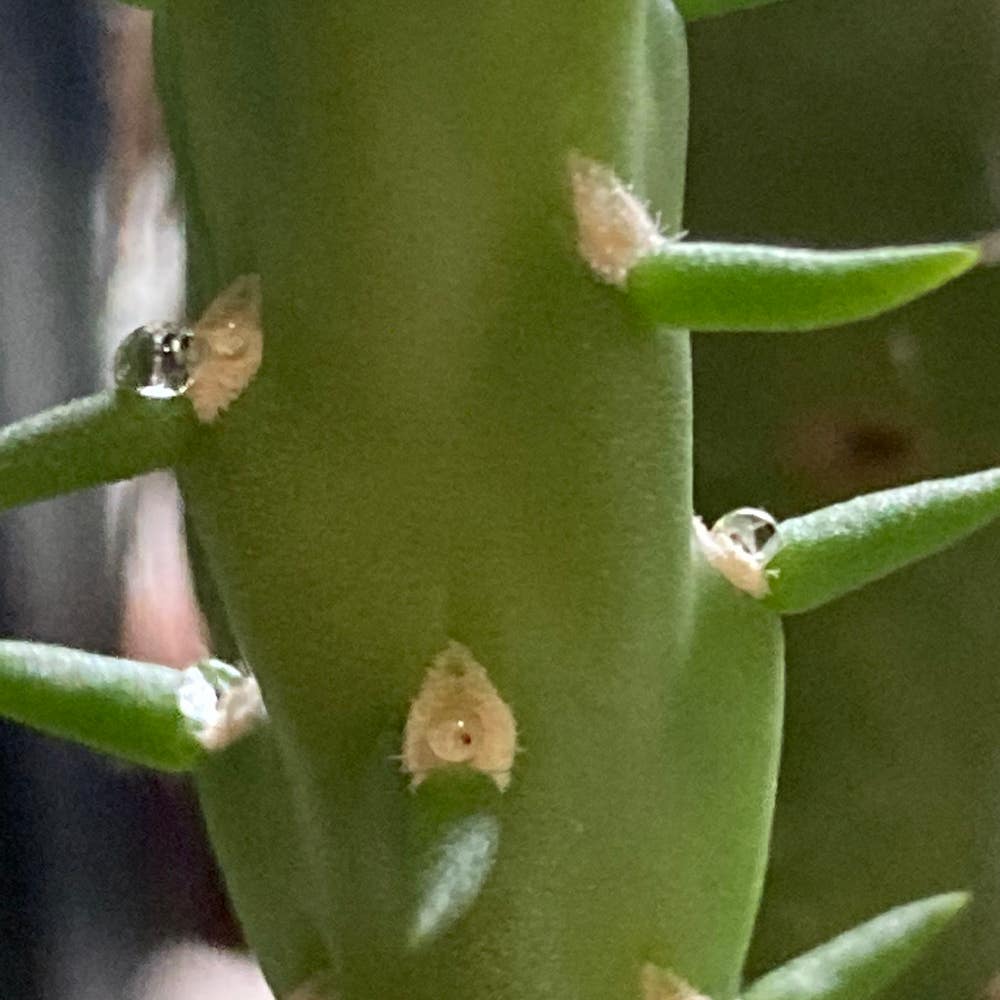
🌵 Step-by-Step Guide to Jumping Cholla Growth
Cylindropuntia prolifera
By the Greg Editorial Team
Oct 20, 2024•5 min read
This article was created with the help of AI so we can cover more plants for you. May contain errors. See one? Report it here.
Transform your garden with Jumping Cholla 🌵 by mastering its growth, size control, and ideal conditions for thriving plants!
- 🌵 Jumping Cholla can grow 3 to 10 feet tall with optimal care and conditions.
- ☀️ Full sun and well-drained soil are essential for healthy growth and size.
- ✂️ Prune in spring to encourage bushier growth and maintain desired size.
Mature Height and Spread
Height 🌵
Jumping Cholla typically reaches a height range of 3 to 10 feet. However, optimal growing conditions can lead to even taller specimens, while dwarf varieties usually only grow to about 1 to 2 feet.
Giant varieties can exceed 10 feet under ideal conditions, showcasing the impressive potential of this cactus. Understanding these height ranges is crucial for anyone considering adding Jumping Cholla to their landscape.
Spread 🌿
The typical spread of Jumping Cholla ranges from 3 to 6 feet. This spread is an important factor in landscape design, as it influences spacing considerations between plants.
When planning your garden, keep in mind that adequate spacing allows each plant to thrive without competing for resources. Proper planning can enhance the overall aesthetic and health of your landscape.
With a solid grasp of height and spread, you’re well on your way to making informed decisions about your Jumping Cholla. Next, let’s explore the growth rate and the time it takes for these fascinating cacti to reach their full size.
Growth Rate and Time to Full Size
🌱 Growth Rate
The growth rate of Jumping Cholla can vary significantly based on environmental factors. In optimal conditions, such as well-drained soils and ample sunlight, these cacti can experience faster growth.
⏳ Time to Full Size
Generally, it takes about 5 to 10 years for Jumping Cholla to reach their mature dimensions. However, several factors can influence this timeline.
⚖️ Factors Affecting Time to Maturity
- Soil Quality and Nutrient Availability: High-quality soil rich in nutrients promotes quicker growth.
- Watering Practices: Consistent, moderate watering is essential; too much or too little can slow down maturity.
- Climate Conditions: The local climate plays a crucial role in how quickly these cacti can grow.
Understanding these elements can help you manage your Jumping Cholla's growth effectively. With the right care, you can enjoy a thriving cactus that reaches its full potential in no time.
As you consider the growth rate and time to maturity, keep in mind the next section on size variability based on environmental conditions. This will further enhance your understanding of how to cultivate these fascinating plants.
Size Variability Based on Environmental Conditions
🌱 Soil Type and Quality
Jumping Cholla thrives in well-draining sandy or rocky soils, which promote optimal growth. In contrast, poor soil quality can stunt growth and negatively impact mature dimensions.
💧 Water Availability and Irrigation Practices
Consistent but moderate watering is essential for healthy Jumping Cholla. Overwatering can lead to root rot, severely affecting both growth rate and size.
☀️ Sunlight Exposure and Temperature
Full sun exposure, ideally 6 to 8 hours daily, is crucial for optimal growth. Temperature extremes can also influence growth habits and overall size.
🌍 Geographic Location and Climate
Native desert environments provide the ideal conditions for Jumping Cholla to flourish. However, variability in growth is often observed across different geographic regions, influenced by local climate factors.
Understanding these environmental influences can help you create the best conditions for your Jumping Cholla. Next, we’ll explore effective size control techniques to manage your plant's growth.
Size Control Techniques
Controlling the size of your Jumping Cholla can be both an art and a science. With the right techniques, you can manage their growth effectively.
✂️ Pruning Methods for Size Management
Timing is crucial when it comes to pruning. The best time to prune your Jumping Cholla is in early spring, just before new growth begins.
Using clean, sharp pruning shears is essential to avoid damaging the plant. This simple tool choice can make a significant difference in the health of your Cholla.
When pruning, focus on removing older, larger segments. This encourages bushier growth and helps maintain a more compact size.
📏 Other Techniques to Control Growth
In addition to pruning, consider using barriers or containers. These methods can effectively limit root expansion, keeping your Cholla in check.
Regular monitoring of water and nutrient levels is also vital. Adjusting these factors can help manage size and promote healthy growth.
By implementing these techniques, you can enjoy a well-maintained Jumping Cholla that fits perfectly into your landscape design.
As you explore these size control methods, remember that understanding your plant's needs will lead to the best results. Next, let’s dive into some common misconceptions about Jumping Cholla size.
Common Misconceptions
🌱 Myths About Size
One common misconception is that Jumping Cholla will always reach its maximum height. In reality, growth is highly dependent on environmental conditions, including soil quality, water availability, and sunlight exposure.
📏 Clarifying Growth Expectations
It's crucial to understand that size can vary significantly based on care and conditions. Researching specific varieties can help you achieve your desired size outcomes, ensuring your Jumping Cholla thrives in your landscape.
By addressing these misconceptions, you can better appreciate the unique growth potential of your Jumping Cholla and create an environment that supports its development. Next, let’s explore effective size control techniques to manage your plant’s growth.
⚠️ Safety First
This content is for general information and may contain errors, omissions, or outdated details. It is not medical, veterinary advice, or an endorsement of therapeutic claims.
Always consult a qualified healthcare professional before using any plant as food, medicine, or supplement.
Never eat any plant (or feed one to pets) without confirming its identity with at least two trusted sources.
If you suspect poisoning, call Poison Control (800) 222-1222, the Pet Poison Helpline (800) 213-6680, or your local emergency service immediately.
Spotted an error? Please report it here.
Unlock the full potential 🌵 of your Jumping Cholla by leveraging Greg's tailored care reminders and expert tips to create a thriving landscape!