Jumping Cholla Is a Garden Plant, Not a Weed 🌵
Cylindropuntia prolifera
By the Greg Editorial Team
Nov 23, 2024•6 min read
This article was created with the help of AI so we can cover more plants for you. May contain errors. See one? Report it here.
Elevate your garden's beauty and biodiversity 🌱 with the stunning, sustainable Jumping Cholla cactus! 🌵
- 🌵 Jumping Cholla is a native plant, enhancing gardens without being invasive.
- 🌼 Attractive yellow-green flowers bloom in spring, attracting essential pollinators.
- 💧 Low maintenance and drought-tolerant, perfect for busy gardeners and xeriscaping.
Plant Classification
🌱 Definition of Invasive Species
Invasive species are non-native plants that aggressively spread, outcompeting local flora and disrupting ecosystems. These plants often exhibit rapid growth, high reproductive rates, and an impressive adaptability to various environments.
🌵 Jumping Cholla's Non-Invasive Nature
Jumping Cholla stands out as a native plant, indigenous to its growing regions. This native status enhances its compatibility with local ecosystems, allowing it to thrive without overwhelming other species.
While Jumping Cholla can propagate through detached segments, this behavior is manageable in garden settings. Its growth habit typically involves clumping rather than uncontrolled spreading, which minimizes competition with surrounding plants.
In summary, Jumping Cholla's characteristics make it a valuable addition to gardens, promoting biodiversity without the risks associated with invasive species. As we explore its growth habits next, you'll see how this plant can enhance your garden while maintaining ecological balance.
Growth Habits
🌱 Typical Growth Patterns in Gardens
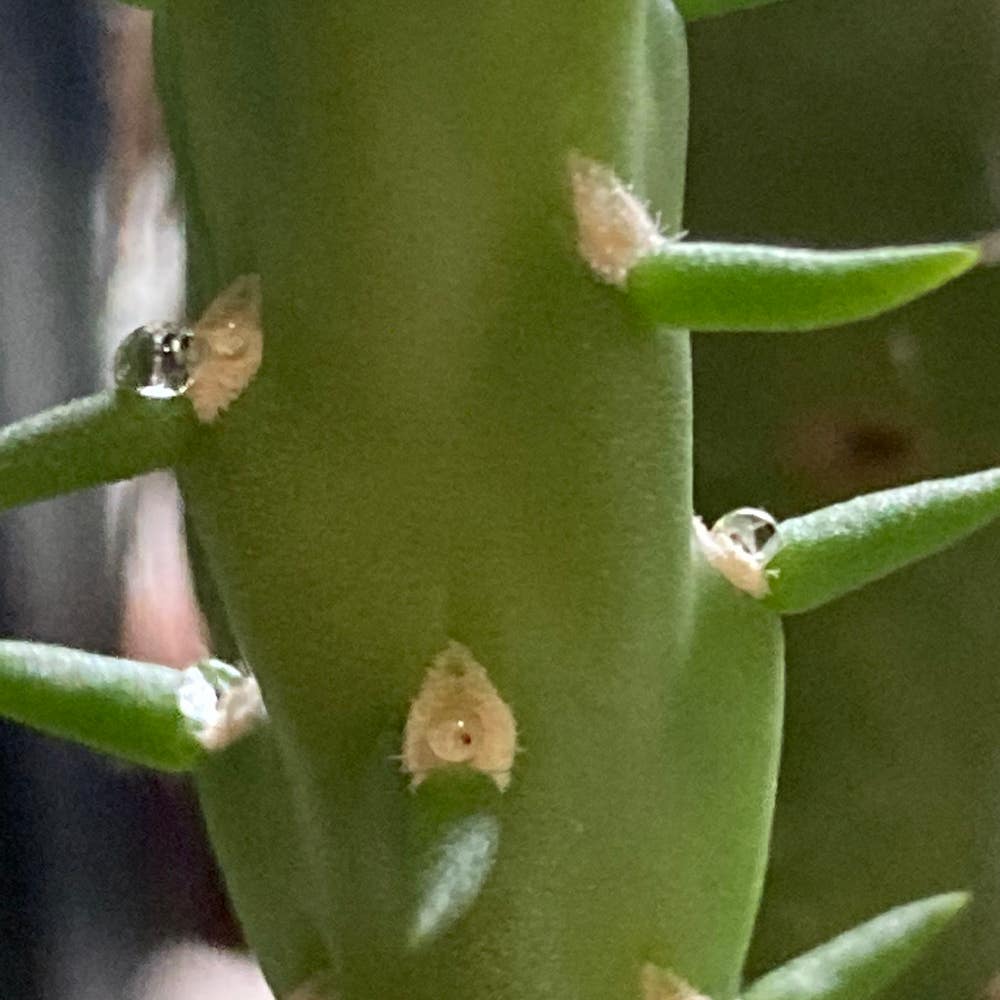
Jumping Cholla exhibits a striking clumping habit, with segmented stems that can reach heights of 3 to 6 feet. This growth form not only adds visual interest to your garden but also allows for easy maintenance.
In spring and summer, it produces beautiful yellow-green flowers that attract a variety of pollinators. These blooms not only enhance the garden's aesthetic but also play a crucial role in supporting local wildlife.
📏 Natural Limits to Growth and Spread Potential
This resilient plant thrives in well-drained soils, which helps limit its spread in areas with heavy, compacted soils. By choosing the right soil conditions, gardeners can effectively manage its growth.
Additionally, Jumping Cholla requires minimal water, making it an excellent choice for xeriscaping. This drought-tolerant nature reduces competition with more water-dependent plants, allowing for a balanced garden ecosystem.
Incorporating Jumping Cholla into your garden design not only beautifies the space but also promotes sustainable practices. Its unique growth habits and ecological benefits make it a valuable addition to any landscape.
As we explore the ecological role of Jumping Cholla, we'll see how it contributes to the overall health of garden ecosystems.
Ecological Role
Benefits in Ecosystems 🌍
Jumping Cholla plays a vital role in its ecosystem by providing essential habitat for various wildlife. Its structure offers shelter and nesting sites for birds and small mammals, creating a safe haven for these creatures.
Additionally, Jumping Cholla serves as a food source. The fruits and pads are consumed by birds, insects, and other wildlife, making it a crucial part of the local food web.
Positive Interactions with Local Wildlife 🐦
This plant is a magnet for pollinators, attracting bees and butterflies that are essential for plant reproduction. By enhancing biodiversity in garden settings, Jumping Cholla supports a thriving ecosystem.
Moreover, it serves as a food source and nesting habitat for birds. This interaction promotes healthy wildlife populations, ensuring that the local ecosystem remains balanced and vibrant.
Incorporating Jumping Cholla into your garden not only beautifies the space but also fosters a rich environment for wildlife. As we explore garden management techniques next, consider how to best integrate this remarkable plant into your landscape.
Garden Management Techniques
Incorporating Jumping Cholla into Garden Designs 🌵
Jumping Cholla is a fantastic choice for desert landscaping and rock gardens. Its unique structure and vibrant yellow-green flowers make it a striking focal point in xeriscaped areas.
When planning your garden, consider companion planting with other drought-tolerant species. This approach not only enhances the visual appeal but also creates a harmonious ecosystem that thrives on minimal water.
Methods for Controlling Growth for Aesthetic Purposes ✂️
To keep your Jumping Cholla looking its best, regular pruning is essential. This practice helps maintain the desired shape and size, ensuring it fits perfectly within your garden design.
Spacing is another crucial factor. Planting Jumping Cholla with adequate distance prevents overcrowding and preserves the visual appeal of your garden, allowing each plant to shine.
Incorporating these management techniques will ensure your garden remains beautiful and balanced. As you cultivate your space, you'll appreciate the unique qualities of Jumping Cholla, making it a standout feature in your landscape.
Comparison to Other Plants
🌵 Similar Non-Invasive Plants
When considering non-invasive plants, it's essential to compare Jumping Cholla with other cacti. Many cacti, like the Saguaro or Barrel cactus, have distinct growth habits and water needs that set them apart.
Jumping Cholla stands out with its unique segmented stems, allowing it to thrive in harsh conditions. Unlike some cacti that require more water and space, Jumping Cholla is adaptable and can flourish in less-than-ideal environments, making it a fantastic choice for gardeners looking for resilience.
🌼 Unique Qualities in Garden Settings
Jumping Cholla brings undeniable aesthetic appeal to any garden. Its beautiful yellow-green flowers bloom in spring and summer, adding vibrant color and attracting pollinators.
Moreover, this plant is low maintenance, requiring minimal water and care. For busy gardeners, this means more time enjoying the beauty of their garden and less time worrying about upkeep. With its striking structure and ease of care, Jumping Cholla is a perfect addition to any landscape design.
As we explore further, let's delve into the legal and environmental considerations surrounding the planting of Jumping Cholla.
Legal and Environmental Considerations
🌱 Relevant Classifications and Guidelines for Planting
When considering Jumping Cholla for your garden, it's essential to be aware of local regulations. Some regions may have specific guidelines regarding the planting of native species, including restrictions on where and how they can be cultivated.
Using native plants like Jumping Cholla not only complies with these regulations but also enhances the local ecosystem. Native plants are better adapted to the local climate and soil, making them more resilient and beneficial for the environment.
♻️ Role in Sustainable Gardening Practices
Jumping Cholla shines in sustainable gardening due to its drought-tolerant nature. This characteristic supports water conservation efforts, making it an excellent choice for xeriscaping and low-water gardens.
Moreover, incorporating Jumping Cholla promotes biodiversity. Its presence attracts local wildlife and pollinators, creating a vibrant ecosystem that thrives on natural interactions. By choosing native plants, you're not just beautifying your garden; you're contributing to a healthier environment.
In summary, understanding the legal aspects and embracing sustainable practices with Jumping Cholla can lead to a flourishing garden that benefits both you and the local ecosystem. Next, let’s explore how to effectively incorporate this unique plant into your garden design.
⚠️ Safety First
This content is for general information and may contain errors, omissions, or outdated details. It is not medical, veterinary advice, or an endorsement of therapeutic claims.
Always consult a qualified healthcare professional before using any plant as food, medicine, or supplement.
Never eat any plant (or feed one to pets) without confirming its identity with at least two trusted sources.
If you suspect poisoning, call Poison Control (800) 222-1222, the Pet Poison Helpline (800) 213-6680, or your local emergency service immediately.
Spotted an error? Please report it here.
Transform your garden into a biodiversity haven 🌼 with Jumping Cholla, and let Greg guide you with tailored care tips for effortless growth and stunning blooms!