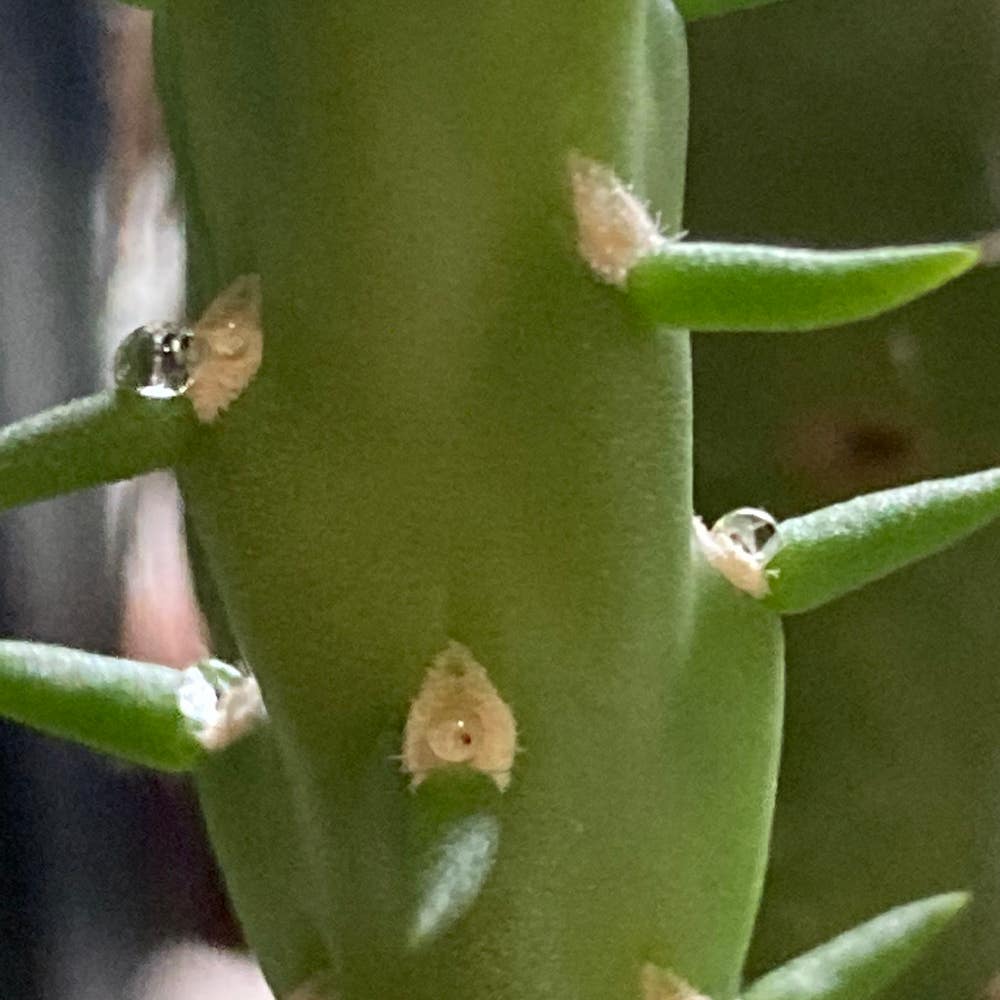
Coastal Cholla: A Comprehensive Overview 🌵
Cylindropuntia prolifera
By the Greg Editorial Team
Jan 10, 2025•11 min read
This article was created with the help of AI so we can cover more plants for you. May contain errors. See one? Report it here.
Elevate your garden with Coastal Cholla 🌵, a stunning, low-maintenance cactus that thrives on minimal care!
- 🌞 Coastal Cholla needs 6+ hours of sunlight daily for optimal growth.
- 🌵 Plant in well-draining soil with pH 6.0-7.0 for best results.
- 💧 Water every 2-3 weeks and avoid overwatering for healthy growth.
How to Grow
Choosing a Location 🌞
Coastal Cholla thrives in full sun, requiring at least 6 hours of direct sunlight daily. When deciding between outdoor and container growing, consider the plant's space needs and your local climate.
Soil Preparation 🏜️
For optimal growth, use well-draining sandy or rocky soil. Aim for a pH level between 6.0 and 7.0, which is slightly acidic to neutral.
Planting Techniques 🌱
When planting, ensure the Coastal Cholla is set 2-3 inches deep in the soil. For outdoor planting, space each plant 3-4 feet apart to allow for healthy growth.
Watering Requirements 🚰
During the growing season, water your Coastal Cholla every 2-3 weeks. Be vigilant for signs of overwatering, such as yellowing stems, or underwatering, indicated by shriveling.
Fertilizing Tips 🍽️
Feed your Coastal Cholla lightly in spring with a cactus-specific fertilizer. It requires low nitrogen and a balanced NPK ratio to thrive.
Pruning Methods ✂️
Prune your Coastal Cholla in late winter or early spring. Focus on removing any dead or damaged segments to encourage healthy growth.
Ongoing Care 🛡️
For container care, ensure your pots have drainage holes and use a cactus mix for best results. If growing outdoors, keep an eye out for pests and any signs of environmental stress.
With these guidelines, you’re well on your way to cultivating a healthy Coastal Cholla. Next, let’s explore how to propagate this resilient plant.
Propagation
🌱 Methods of Propagation
Coastal Cholla can be propagated through two primary methods: seeds and cuttings. Each method has its own unique steps and benefits, making it easy to choose the one that suits your gardening style.
📋 Step-by-Step Instructions for Each Method
Seeds
- Soak Seeds: Begin by soaking the seeds in water for 24 hours. This helps to soften the seed coat and encourages germination.
- Planting: After soaking, plant the seeds in well-draining soil. Cover them lightly to ensure they receive adequate light.
- Humidity Maintenance: Keep the soil humid until germination occurs, which typically takes 2-4 weeks. A plastic cover can help retain moisture.
Cuttings
- Select Segments: Choose healthy segments of the Coastal Cholla for cuttings. Look for firm, plump pieces that show no signs of damage.
- Callousing: Allow the cuttings to callous for 1-2 days. This step is crucial as it helps prevent rot when planted.
- Planting: Place the calloused cuttings in cactus mix. Water them lightly until roots develop, which usually takes 2-3 weeks.
With these straightforward methods, you can successfully propagate Coastal Cholla and expand your collection. Whether you choose seeds or cuttings, both methods offer a rewarding experience that connects you to this resilient plant.
Next, let’s explore the lifecycle of Coastal Cholla, from germination to seed production.
Lifecycle
🌱 Overview of Lifecycle Stages
The lifecycle of the Coastal Cholla is fascinating and unfolds in distinct stages. It begins with germination, which takes about 2-4 weeks from seed.
Once germinated, the plant enters the seedling stage, lasting 4-6 months until it establishes itself. Following this, the vegetative growth phase kicks in, where the plant experiences rapid growth for 1-2 years.
Typically, flowering occurs in late spring to early summer, showcasing the plant's vibrant blooms. After flowering, seeds mature in late summer, completing the cycle.
⏳ Lifespan and Growth Rate
Coastal Cholla can live a remarkable average lifespan of 30-50 years under optimal conditions. It takes about 3-5 years to reach full size, making it a long-term addition to your garden.
In terms of growth rate, expect moderate growth, averaging around 6-12 inches per year. This steady pace allows for gradual development, ensuring the plant thrives in its environment.
The lifecycle of the Coastal Cholla is not just a series of stages; it's a journey that reflects resilience and adaptability. Understanding this lifecycle can help you provide the best care for your plant, ensuring it flourishes for decades to come.
Next, we will explore the size of the Coastal Cholla, including its mature height and spread.
Size
Mature Height and Spread 🌵
Coastal Cholla can reach a mature height of 3 to 6 feet tall, making it a striking addition to any landscape. Its mature spread typically ranges from 2 to 4 feet wide, allowing it to fill space without overwhelming nearby plants.
Growth Rate and Size Variability 📈
Several factors influence the size of Coastal Cholla, including soil quality, water availability, and sunlight exposure. Optimal conditions can lead to impressive growth, while less favorable environments may stunt its development.
Time to Reach Full Size ⏳
Under ideal conditions, Coastal Cholla usually reaches its full size within 3 to 5 years. This moderate growth rate allows gardeners to enjoy the plant's unique structure relatively quickly, enhancing the visual appeal of their gardens.
As you consider adding Coastal Cholla to your garden, remember that its size and growth can be influenced by your care practices. Next, let’s explore the fascinating root system that supports this resilient plant.
Roots
Characteristics of the Root System 🌱
Coastal Cholla features a fibrous root system complemented by deep taproots. These roots can extend up to 3 feet deep and spread outwards 2-3 feet, allowing the plant to access water and nutrients efficiently.
Common Root-Related Issues ⚠️
One of the most common problems is root rot, which occurs due to overwatering. You can identify this issue by checking for mushy roots, a clear sign that your plant is in distress.
Visual Cues for Healthy vs. Unhealthy Roots 👀
Healthy roots are typically firm and exhibit a white or light tan color. In contrast, unhealthy roots may appear dark, mushy, or even emit a foul smell, indicating a need for immediate attention.
Recognizing and Addressing Rootbound Conditions 🔄
If you notice stunted growth or roots visible above the soil, your Coastal Cholla may be rootbound. The best solutions include repotting into a larger container or amending the soil to provide more space for growth.
Understanding the root system of your Coastal Cholla is essential for its health and longevity. By addressing these root-related issues promptly, you can ensure your plant thrives in its environment.
Benefits
Top 5 Benefits of Growing Coastal Cholla 🌵
1. Drought Tolerance
Coastal Cholla thrives in arid climates, requiring minimal water. This makes it an excellent choice for those looking to conserve resources while still enjoying a vibrant garden.
2. Low Maintenance
Once established, Coastal Cholla demands little care. Its resilience means you can spend less time worrying about upkeep and more time enjoying your outdoor space.
3. Aesthetic Appeal
With its unique structure and striking appearance, Coastal Cholla adds visual interest to any garden. Its distinct form can serve as a focal point or complement other plants beautifully.
4. Wildlife Habitat
This cactus provides essential shelter and food for various desert fauna. By planting Coastal Cholla, you contribute to local biodiversity and support wildlife in your area.
5. Cultural Significance
Historically, Native Americans utilized Coastal Cholla for food and crafting. Growing this plant connects you to a rich cultural heritage and offers a chance to appreciate its historical uses.
Embracing the benefits of Coastal Cholla not only enhances your garden but also fosters a deeper connection to the environment. Next, let's explore the fascinating ways to propagate this resilient plant.
Companion Plants
🌱 Concept of Companion Planting
Companion planting is all about creating a thriving ecosystem in your garden. By pairing plants that support each other, you can enhance garden diversity, improve pest management, and foster beneficial relationships.
🌵 Best Companion Plants
When it comes to Coastal Cholla, consider companions like Agave and Yucca. These drought-tolerant plants share similar care needs and can complement the growth habits of your cholla, creating a harmonious garden environment.
🚫 Plants to Avoid
Be cautious with overly water-sensitive plants. These can compete for nutrients and may not thrive alongside your Coastal Cholla, potentially leading to an imbalanced garden.
By choosing the right companions, you can create a flourishing garden that benefits all its inhabitants. This thoughtful approach not only enhances the beauty of your space but also promotes healthier plants overall.
Toxicity to Humans
🛡️ Safety of Coastal Cholla for Humans
Coastal Cholla is generally considered safe for humans, as it is not listed as toxic by major poison control centers. However, it's important to note that consuming large quantities may lead to mild skin irritation or digestive discomfort.
Always exercise caution with any plant. If you experience unusual symptoms after contact or consumption, seek medical advice promptly.
Toxicity to Dogs
🐶 Safety of Coastal Cholla for Dogs
Coastal Cholla is generally safe for dogs, as it is not listed as toxic by major pet poison control centers. However, if your dog consumes large quantities, it may experience mild gastrointestinal upset.
To ensure your furry friend stays safe, consider the plant's placement in your garden. Monitor your dog's behavior around the Coastal Cholla, especially if they show interest in nibbling on it.
By taking these precautions, you can enjoy the beauty of Coastal Cholla while keeping your dog healthy and happy.
Toxicity to Cats
Safety of Coastal Cholla for Cats 🐱
Coastal Cholla is generally safe for cats, as it is not listed as toxic by major pet poison control centers. However, if your feline friend decides to nibble on it, they might experience mild gastrointestinal upset if they consume large quantities.
Monitoring Cat Behavior 👀
It's wise to keep an eye on your cat's behavior around Coastal Cholla. Discouraging excessive nibbling can help prevent any potential discomfort.
Conclusion 📝
While Coastal Cholla poses minimal risk to cats, being proactive about monitoring their interactions with the plant is always a good idea. This way, you can ensure a safe and healthy environment for your furry companions.
Next, let’s explore the common problems that can arise when growing Coastal Cholla and how to address them effectively.
Problems
Common Problems Faced 🌱
Growing Coastal Cholla can be rewarding, but it comes with its share of challenges. Understanding these common problems will help you keep your plants thriving.
Incorrect Watering 🚰
Watering is crucial for Coastal Cholla's health. Overwatering can lead to mushy roots, while underwatering may cause the plant to shrivel.
Signs of Overwatering:
- Yellowing stems
- Mushy roots
Signs of Underwatering:
- Wilting appearance
- Dry, shriveled segments
Incorrect Light Conditions ☀️
Light is another vital factor. Coastal Cholla thrives in full sun, and insufficient light can lead to etiolation, where the plant stretches towards the light, resulting in weak growth.
Symptoms of Insufficient Light:
- Elongated, spindly growth
- Pale or yellowing leaves
Incorrect Temperature ❄️
Temperature extremes can harm your Coastal Cholla. Cold damage can occur if temperatures drop below freezing, leading to blackened or mushy segments.
Cold Damage Indicators:
- Darkened areas on the plant
- Soft, mushy texture
Diseases 🦠
Fungal diseases can also pose a threat. Powdery mildew and black rot are common issues that can affect the plant's health.
Signs of Fungal Issues:
- White powdery spots on leaves
- Dark, sunken areas on stems
Root Problems 🌿
Root health is essential for overall plant vitality. Poor drainage can lead to root rot, which is often identified by a foul smell and dark, mushy roots.
Identifying Root Rot:
- Foul odor from the soil
- Dark, mushy roots
Conclusion 📝
By being aware of these common problems, you can take proactive steps to ensure your Coastal Cholla remains healthy and vibrant. Next, let’s explore how to effectively manage pests that may threaten your plant's well-being.
Bugs
🐜 Potential Pest Issues
Coastal Cholla is generally known for its moderate pest resistance, making it a resilient choice for gardens. However, it can still fall victim to certain pests that may threaten its health.
🔍 Identification and Damage
- Spider Mites: Look for fine webbing and stippled leaves, which indicate these tiny pests are at work.
- Scale Insects: These pests leave a sticky residue and cause yellowing of the plant, signaling their presence.
- Mealybugs: Identified by cotton-like masses on stems, mealybugs can weaken your cholla if not addressed promptly.
🛠️ Effective Treatment Options
When it comes to managing pests, organic methods are often the best route. Consider using neem oil or insecticidal soap to treat infestations effectively.
Additionally, introducing beneficial insects can help keep pest populations in check. These natural allies can provide ongoing protection without harming your Coastal Cholla.
By staying vigilant and employing these strategies, you can ensure your Coastal Cholla remains healthy and thriving. Next, let’s explore what animals might be tempted to snack on this hardy plant.
What Eats Coastal Cholla
🦌 Common Animals That May Eat or Damage
Coastal Cholla cacti attract a variety of wildlife. Common culprits include deer, rabbits, squirrels, birds, rodents, and groundhogs.
🕵️♂️ Signs of Animal Presence and Damage
To identify if animals are feasting on your Coastal Cholla, look for browsing marks on the stems. Additionally, droppings nearby can indicate their presence.
🚫 Methods for Deterring or Managing
To protect your Coastal Cholla, consider using chemical deterrents like commercial repellents.
For a more organic approach, physical barriers such as fencing or companion planting strategies can effectively keep these hungry visitors at bay.
By implementing these methods, you can enjoy your Coastal Cholla without the worry of unwanted nibblers.
⚠️ Safety First
This content is for general information and may contain errors, omissions, or outdated details. It is not medical, veterinary advice, or an endorsement of therapeutic claims.
Always consult a qualified healthcare professional before using any plant as food, medicine, or supplement.
Never eat any plant (or feed one to pets) without confirming its identity with at least two trusted sources.
If you suspect poisoning, call Poison Control (800) 222-1222, the Pet Poison Helpline (800) 213-6680, or your local emergency service immediately.
Spotted an error? Please report it here.
Cultivate a thriving Coastal Cholla 🌵 with Greg's personalized care tips and watering reminders, ensuring your garden flourishes beautifully!