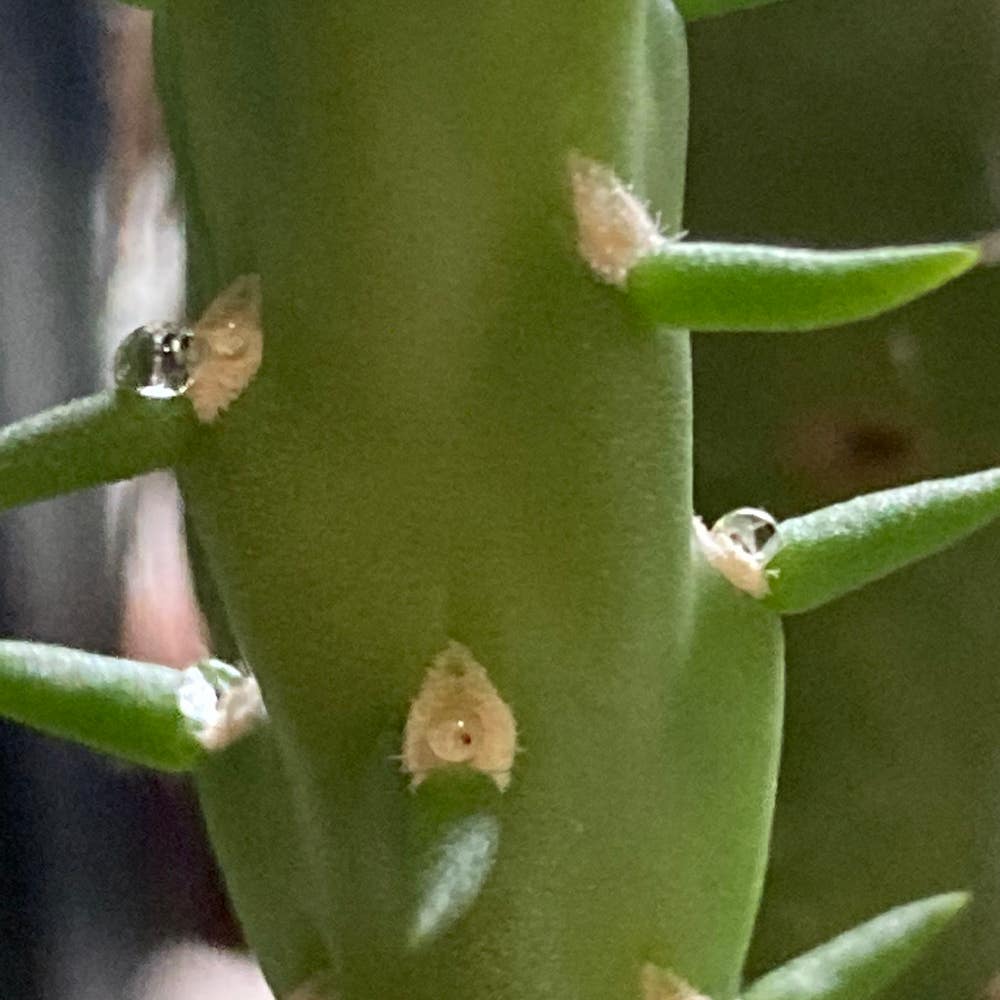
5 Tips for How to Plant Jumping Cholla 🌵
Cylindropuntia prolifera
By the Greg Editorial Team
Nov 23, 2024•5 min read
This article was created with the help of AI so we can cover more plants for you. May contain errors. See one? Report it here.
Unlock the secret to thriving Jumping Cholla 🌵 with expert planting techniques for a vibrant garden! 🌞
- 🌱 Plant Jumping Cholla in spring or fall for optimal growth conditions.
- 🌞 Ensure 6-8 hours of sunlight daily for healthy establishment and growth.
- 💧 Water minimally and allow soil to dry to prevent root rot.
Importance of Proper Planting Techniques
When it comes to planting Jumping Cholla, the right techniques are crucial for ensuring healthy establishment and growth. Proper planting not only sets the stage for a thriving cactus but also minimizes the risk of transplant shock and other common issues.
Using the correct methods helps the plant adapt to its new environment more smoothly. This means fewer worries about wilting or stunted growth, allowing you to enjoy your beautiful cactus without stress.
By taking the time to understand and implement proper planting techniques, you’re investing in the long-term health of your Jumping Cholla. This proactive approach pays off, leading to a robust and vibrant plant that can flourish in your garden or home.
As we delve deeper into the specifics of planting Jumping Cholla, you'll discover practical tips that will enhance your gardening experience. Let's explore the optimal timing for planting next!
Planting New Jumping Cholla
🌱 Optimal Timing for Planting
The best time to plant Jumping Cholla is during early spring or late fall when temperatures are mild. This timing aligns with their natural growth cycle, allowing for a smoother establishment.
🪴 Selecting the Right Soil Mix and Containers
For optimal growth, use a well-draining cactus mix or create your own blend of sand, perlite, and potting soil. Terracotta pots are excellent for drainage, but you can also plant directly in the ground if conditions are suitable.
📏 Proper Depth and Spacing for Planting
When planting cuttings, ensure they are placed 1-2 inches deep, covering the roots adequately. Space your Jumping Cholla 3-4 feet apart to promote healthy growth and airflow.
☀️ Maintaining Ideal Growing Conditions
Jumping Cholla thrive in full sun, requiring 6-8 hours of sunlight daily. Watering should be minimal; let the soil dry out completely between waterings to prevent root rot.
🌤️ Hardening Off Before Outdoor Planting
Before moving indoor plants outdoors, gradually acclimate them over 7-10 days. Start with just a few hours of outdoor exposure, slowly increasing the time to help them adjust to their new environment.
Transitioning your Jumping Cholla into the right conditions sets the stage for a thriving plant. Next, we’ll explore how to transplant established Jumping Cholla effectively.
Transplanting Established Jumping Cholla
🌱 Optimal Timing for Transplanting
Transplanting Jumping Cholla is best done in early spring or fall. These seasons align with the plant's natural growth cycle and local climate conditions, ensuring a smoother transition.
🛠️ Step-by-Step Instructions for Transplanting
- Prepare the new planting site: Clear any debris and amend the soil if necessary to create a welcoming environment.
- Water the established plant: A day before transplanting, give it a good drink to reduce stress during the move.
- Carefully remove the plant: Use gloves and tongs to handle the spiny pads safely.
- Place the plant in the new location: Ensure it sits at the same depth as before to maintain its health.
- Fill in with soil: Gently pack the soil around the roots to eliminate air pockets.
📏 Space Requirements for Established Plants
When transplanting, ensure that each Jumping Cholla has 3-4 feet of space from neighboring plants. This spacing prevents overcrowding and promotes healthy growth.
💧 Tips for Watering, Mulching, and Support
- Watering: After transplanting, water thoroughly, then let the soil dry out completely before the next watering.
- Mulching: Apply gravel or coarse mulch to help retain moisture and suppress weeds.
- Support: If your plant is larger, consider staking it to prevent tipping in windy conditions.
Transplanting can be a rewarding experience, allowing your Jumping Cholla to thrive in its new home. With the right timing and care, you'll set the stage for robust growth and vibrant health. Next, let’s explore how to troubleshoot common issues that may arise during this process.
Troubleshooting Common Issues
🌱 Identifying Transplant Shock
Transplant shock can be a real bummer for your Jumping Cholla. Look out for symptoms like wilting, yellowing, or even dropping pads, which signal that your plant is struggling.
The causes of transplant shock often stem from root disturbance or sudden environmental changes. If your plant is showing these signs, it’s time to take action.
🛠️ Solutions for Establishment Problems
To help your Jumping Cholla bounce back, focus on proper watering. Make sure the soil is moist but not soggy, and avoid over-fertilization, which can stress the plant further.
Providing some shade during the hottest parts of the day can also help your cactus acclimate. A little extra care goes a long way in ensuring a healthy establishment.
🐞 Common Pests and Diseases
Keep an eye out for pests like scale insects and mealybugs. Signs of infestation include sticky residue on the pads and webbing, which can indicate a larger problem.
Root rot is another concern, often caused by overwatering. To prevent this, ensure your soil has proper drainage and stick to a watering schedule that allows the soil to dry out completely between waterings.
With these troubleshooting tips, you can help your Jumping Cholla thrive and enjoy its unique beauty in your garden. Next, let’s explore how to successfully transplant established Jumping Cholla for continued growth.
⚠️ Safety First
This content is for general information and may contain errors, omissions, or outdated details. It is not medical, veterinary advice, or an endorsement of therapeutic claims.
Always consult a qualified healthcare professional before using any plant as food, medicine, or supplement.
Never eat any plant (or feed one to pets) without confirming its identity with at least two trusted sources.
If you suspect poisoning, call Poison Control (800) 222-1222, the Pet Poison Helpline (800) 213-6680, or your local emergency service immediately.
Spotted an error? Please report it here.
Plant your Jumping Cholla with confidence 🌵 and let Greg provide tailored care reminders to ensure your cactus thrives beautifully in your garden!