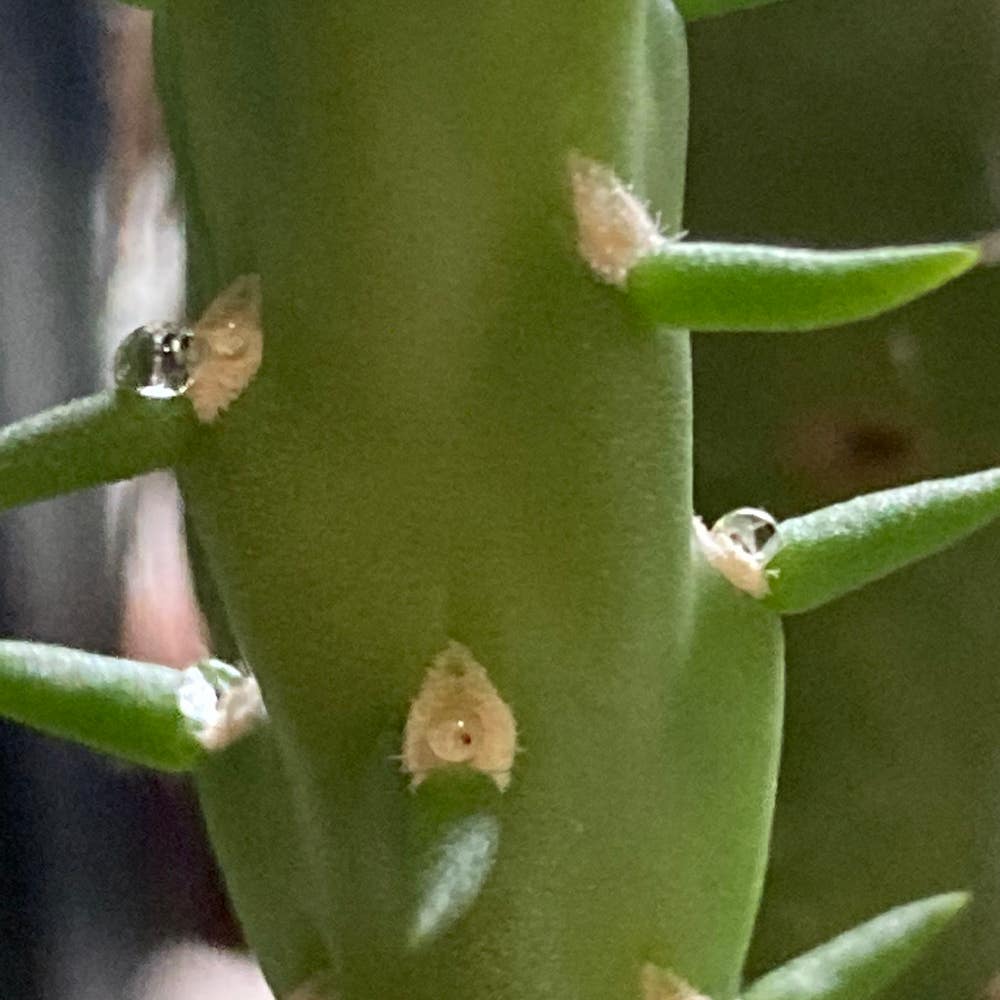
☀️ Ultimate Guide to Temperature for Jumping Cholla
Cylindropuntia prolifera
By the Greg Editorial Team
Nov 23, 2024•2 min read
This article was created with the help of AI so we can cover more plants for you. May contain errors. See one? Report it here.
Unlock vibrant growth for your Jumping Cholla 🌵 by mastering its temperature needs and stress management!
- 🌡️ Jumping Cholla thrives between 70°F to 100°F for optimal growth.
- ❄️ Protect from frost; use frost cloths to ensure survival below 20°F.
- 🌞 Provide shade during peak heat to prevent dehydration and sunburn.
Temperature Requirements for Jumping Cholla
🌡️ Optimal Temperature Range for Growth
Jumping Cholla thrives in an ideal temperature range of 70°F to 100°F (21°C to 38°C). This temperature window is crucial during the growing season, as it promotes healthy growth and vibrant pads.
Maintaining consistent temperatures within this range is essential for optimal growth. Fluctuations can stress the plant, leading to stunted development or other issues.
🔥 Temperature Tolerance Limits
High-Temperature Tolerance
Jumping Cholla can tolerate maximum temperatures of up to 120°F (49°C). However, prolonged exposure to such extreme heat can lead to detrimental effects, including dehydration and sunburn.
To mitigate heat stress in cultivation, consider providing shade during the hottest parts of the day. Regular watering and mulching can also help retain soil moisture and protect the plant.
❄️ Low-Temperature Tolerance
On the flip side, Jumping Cholla has a minimum temperature tolerance of 20°F (-6°C). While it can withstand some cold, it is sensitive to frost, which can damage its pads.
Protecting Jumping Cholla from frost and extreme cold is vital. Using frost cloths or relocating pots indoors during cold snaps can help ensure the plant's survival.
🚨 Signs and Symptoms of Temperature Stress
Recognizing the signs of temperature stress is key to maintaining a healthy Jumping Cholla. Heat stress manifests as wilting, discoloration, and shriveling of pads.
Conversely, cold stress can cause browning of pads, stunted growth, and even pad drop. Early detection of these symptoms is crucial for recovery, allowing for timely interventions.
⚠️ Causes of Temperature Stress
Temperature stress can arise from sudden changes in the environment. Unexpected cold snaps or heat waves can shock the plant, leading to adverse effects.
Prolonged exposure to extreme temperatures, whether high or low, can also be detrimental. Newly planted Jumping Cholla particularly benefits from acclimatization to their surroundings, helping them adapt to temperature variations.
💧 Brief Mention of Humidity
Humidity levels can significantly affect how Jumping Cholla perceives temperature. High humidity can make hot days feel even hotter, while low humidity can exacerbate heat stress.
Understanding humidity's role in temperature management is essential for optimal care. Monitoring both temperature and humidity will help create a balanced environment for your Jumping Cholla.
With a solid grasp of temperature requirements, you're well on your way to nurturing a thriving Jumping Cholla. Next, let's explore the signs and symptoms of temperature stress in more detail.
⚠️ Safety First
This content is for general information and may contain errors, omissions, or outdated details. It is not medical, veterinary advice, or an endorsement of therapeutic claims.
Always consult a qualified healthcare professional before using any plant as food, medicine, or supplement.
Never eat any plant (or feed one to pets) without confirming its identity with at least two trusted sources.
If you suspect poisoning, call Poison Control (800) 222-1222, the Pet Poison Helpline (800) 213-6680, or your local emergency service immediately.
Spotted an error? Please report it here.
Keep your Jumping Cholla thriving 🌵 by using Greg's tailored temperature alerts and care tips to create the ideal environment for your plant!