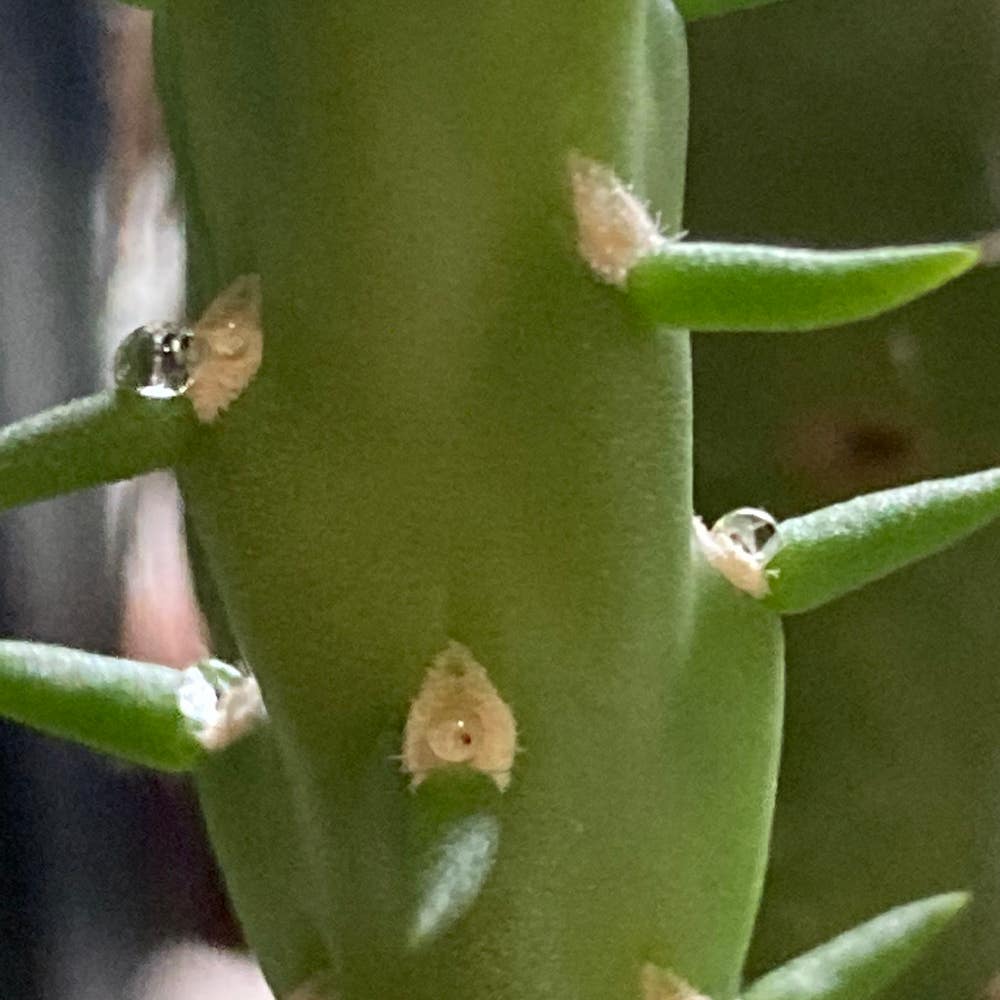
🌵 Understanding Curling Leaves on Your Jumping Cholla
Cylindropuntia prolifera
By the Greg Editorial Team
Oct 20, 2024•5 min read
This article was created with the help of AI so we can cover more plants for you. May contain errors. See one? Report it here.
Master the art of preventing leaf curl 🌵 to keep your Jumping Cholla thriving and vibrant all year round!
- 💧 Overwatering and underwatering both cause leaf curl; maintain a consistent watering schedule.
- 🐛 Pest infestations like mealybugs lead to stress and curling; inspect regularly.
- 🌡️ Environmental stressors such as temperature and humidity fluctuations can also cause leaf curl.
Causes of Leaf Curl
💧 Overwatering and Its Effects
Overwatering is a common issue that can lead to significant leaf curl. Symptoms include swollen or mushy leaves, often accompanied by yellowing or browning.
The impact on root health can be severe. Root rot, caused by fungal infections, can lead to plant decline, while poorly draining soils exacerbate the problem.
🌵 Underwatering and Its Effects
Underwatering can also cause leaf curl, manifesting as shriveled and brittle leaves. Stems may droop or appear lifeless, signaling a need for moisture.
Maintaining a moisture balance is crucial. Cacti require minimal water but thrive on consistent moisture levels.
🐛 Pest Infestations
Pest infestations can wreak havoc on your Jumping Cholla. Common culprits include mealybugs, which appear as white, cotton-like masses, and spider mites, identifiable by fine webbing and stippled leaves.
These pests extract nutrients, weakening the plant and causing stress responses like leaf curl. Early detection is key to preventing further damage.
🌡️ Environmental Stress
Environmental stressors can also lead to leaf curl. Sudden temperature fluctuations can shock the plant, while low humidity levels may cause dehydration.
Both factors can result in curled leaves, emphasizing the importance of stable environmental conditions for your cactus.
🥦 Nutrient Deficiencies
Nutrient deficiencies are another potential cause of leaf curl. Key nutrients like nitrogen are essential for leaf growth, and a lack can lead to curling.
Magnesium is crucial for photosynthesis; without it, leaves may become distorted. Signs of nutrient deficiencies include pale or discolored leaves and stunted growth.
Understanding these causes is vital for maintaining the health of your Jumping Cholla. By addressing these issues, you can help your plant thrive and prevent further leaf curl.
Diagnosing the Problem
🌿 Signs to Look for in Leaf Curl
When diagnosing leaf curl on your Jumping Cholla, start by observing visual indicators. Look for changes in shape and texture, as well as color variations that signal stress.
🔍 Differentiating Between Causes
Understanding whether leaf curl results from overwatering or underwatering is crucial. Conduct a soil moisture test to check levels before watering, and compare leaf texture to distinguish between the two issues.
🐛 Identifying Pests and Their Impact
Pest infestations can also lead to leaf curl. Perform visual checks on stems and leaves, and use a magnifying glass to spot smaller pests like spider mites that may be affecting your plant's health.
By carefully observing these signs and differentiating between potential causes, you can effectively diagnose the problem and take appropriate action. This sets the stage for exploring solutions and treatments to restore your Jumping Cholla's vitality.
Solutions and Treatments
🌊 Adjusting Watering Practices
To keep your Jumping Cholla thriving, establish a consistent watering schedule. Water only when the top 1-2 inches of soil are dry to prevent overwatering.
Deep watering is key. This technique encourages root growth by allowing moisture to penetrate deeper into the soil.
🪴 Improving Soil Drainage
The right soil mix is crucial for your cactus's health. Use a cactus mix or create your own blend with sand and perlite for optimal drainage.
Don't forget about container drainage. Ensure your pots have drainage holes to prevent water accumulation, which can lead to root rot.
🐜 Pest Control Methods
Pest infestations can be a real headache for your Jumping Cholla. For organic options, consider using neem oil, which is effective against mealybugs and spider mites.
Insecticidal soap is another safe choice for cacti. For severe infestations, systemic insecticides may be necessary to regain control.
🌱 Nutrient Supplementation
Providing the right nutrients is essential for healthy growth. Use a balanced cactus fertilizer during the growing season to support your plant's needs.
Always follow package instructions for dosage and frequency. This ensures your cactus gets just the right amount of nutrients without the risk of over-fertilization.
✂️ Pruning Damaged Leaves
Pruning is a straightforward way to help your Jumping Cholla recover. Use clean, sharp tools to remove any affected leaves.
Make sure to cut at the base to minimize stress on the plant. This simple step can significantly improve its overall health and appearance.
With these solutions and treatments, your Jumping Cholla can bounce back from leaf curl and thrive. Next, let’s explore preventative measures to keep your cactus healthy in the long run.
Preventative Measures
🌊 Best Practices for Watering Jumping Cholla
Establishing a consistent watering routine is crucial for your Jumping Cholla. Adjust your schedule based on seasonal changes to ensure your plant receives the right amount of moisture.
Using moisture meters can help you monitor soil conditions accurately. This tool takes the guesswork out of watering, allowing you to provide optimal care.
🌱 Ideal Soil Conditions and Amendments
A well-draining soil composition is essential for healthy Jumping Cholla. Aim for a pH level between 6.0 and 7.0 to support optimal growth.
Incorporating sand or gravel into your soil mix enhances drainage. This simple amendment can prevent water accumulation, reducing the risk of root rot.
🌡️ Monitoring Environmental Conditions
Regular temperature and humidity checks are vital. Maintaining stable conditions helps avoid sudden fluctuations that can stress your plant.
Consider placement carefully. Position your Jumping Cholla in areas with adequate sunlight while protecting it from extreme heat.
🐞 Regular Pest Inspections
Conduct monthly inspections for early detection of pests. Catching infestations early can save your plant from significant damage.
Look for signs of infestation, such as webbing, discoloration, or sticky residue. These indicators can help you address issues before they escalate.
🍂 Seasonal Care Tips to Prevent Leaf Curl
Adjust your care practices based on seasonal changes. For instance, reduce watering during the winter months when your plant is dormant.
If humidity drops during dry seasons, consider increasing moisture levels. This proactive approach can help keep your Jumping Cholla thriving year-round.
By implementing these preventative measures, you can ensure your Jumping Cholla remains healthy and vibrant. Next, let’s explore how to effectively diagnose any issues that may arise.
⚠️ Safety First
This content is for general information and may contain errors, omissions, or outdated details. It is not medical, veterinary advice, or an endorsement of therapeutic claims.
Always consult a qualified healthcare professional before using any plant as food, medicine, or supplement.
Never eat any plant (or feed one to pets) without confirming its identity with at least two trusted sources.
If you suspect poisoning, call Poison Control (800) 222-1222, the Pet Poison Helpline (800) 213-6680, or your local emergency service immediately.
Spotted an error? Please report it here.
Keep your Jumping Cholla thriving 🌵 by using Greg's tailored watering reminders and pest management tips to combat curling leaves and ensure optimal growth!