🌵 Understanding What It Means When Your Jumping Cholla Blooms
Cylindropuntia prolifera
By the Greg Editorial Team
Nov 23, 2024•5 min read
This article was created with the help of AI so we can cover more plants for you. May contain errors. See one? Report it here.
Unlock the beauty of Jumping Cholla's blooms 🌼 and learn how to cultivate this resilient cactus in your garden!
- 🌼 Jumping Cholla blooms in spring, showcasing vibrant flowers for 1-2 weeks.
- ☀️ Requires 6 hours of sunlight daily to encourage blooming and thriving.
- 🌵 Self-pollination boosts genetic diversity, ensuring long-term survival of Jumping Cholla.
Flowering Status of Jumping Cholla
🌸 Clarification on Flower Production
Jumping Cholla is indeed a flowering cactus, showcasing its vibrant blooms primarily in the spring and early summer. This seasonal display is not just a random occurrence; it’s a vital part of the plant's life cycle.
Different varieties of Jumping Cholla exhibit unique flowering characteristics. Some may flaunt bright yellow flowers, while others might surprise you with shades of pink or red. This diversity adds to the charm of these cacti, making them a fascinating subject for both gardeners and nature enthusiasts alike.
Understanding when and how these flowers appear can enhance your appreciation for this resilient plant. Whether you’re a seasoned gardener or a curious observer, knowing about the flowering status of Jumping Cholla opens up a world of botanical wonder.
As we dive deeper into the specifics of Jumping Cholla's blooms, let's explore the intricate details of their flower characteristics.
If Jumping Cholla Flowers
🌸 Flower Characteristics
Description of Flower Colors and Structure
Jumping Cholla flowers are strikingly tubular, showcasing a vibrant palette that ranges from sunny yellow to deep pink and fiery red. Each flower spike can produce multiple blooms, creating a stunning display that attracts attention.
Self-Pollination vs. External Pollination
This resilient cactus primarily relies on self-pollination, ensuring that it can reproduce even in isolation. However, it can also benefit from cross-pollination, which enhances genetic diversity and seed production.
🌼 Blooming Process
Stages of Blooming
The blooming process begins with bud formation in early spring, leading to the gradual opening of flowers. This cycle includes three key stages: bud development, flowering, and seed formation.
Typical Bloom Time and Duration from Bud to Full Bloom
Jumping Cholla typically blooms from late spring to early summer. The time from bud formation to full bloom is approximately 2-4 weeks, offering a brief yet beautiful spectacle.
Lifespan of Flowers
Once in full bloom, the flowers generally last for about 1-2 weeks before wilting. This short lifespan is a reminder of the fleeting beauty of nature.
🌱 Encouraging Blooms
Tips for Promoting Flowering
To encourage your Jumping Cholla to bloom, ensure it receives at least 6 hours of direct sunlight daily. Additionally, water sparingly during the growing season to mimic the natural desert conditions it thrives in.
Factors Influencing Flowering
Several factors can influence flowering success, including soil quality, temperature, and moisture levels. A well-balanced environment fosters robust blooms.
🌿 Post-Flowering
What Happens After Flowering
After the flowering phase, the plant may produce fruit containing seeds, continuing its life cycle. Importantly, the Jumping Cholla does not die after flowering; it remains healthy and can grow new segments.
Discussion on Whether Jumping Cholla Dies After Flowering
Contrary to some beliefs, Jumping Cholla does not perish after flowering. Instead, it continues to thrive, showcasing its resilience and adaptability.
🐝 Pollination
Description of Pollination Methods
Pollination in Jumping Cholla is primarily achieved through self-pollination, ensuring reproduction even in solitary conditions. Insects can enhance seed production, while wind may also assist in the pollination process.
This understanding of Jumping Cholla's flowering and pollination processes not only highlights its unique reproductive strategies but also sets the stage for exploring what happens when it doesn't flower.
If Jumping Cholla Doesn't Flower
🌟 Primary Ornamental or Functional Features
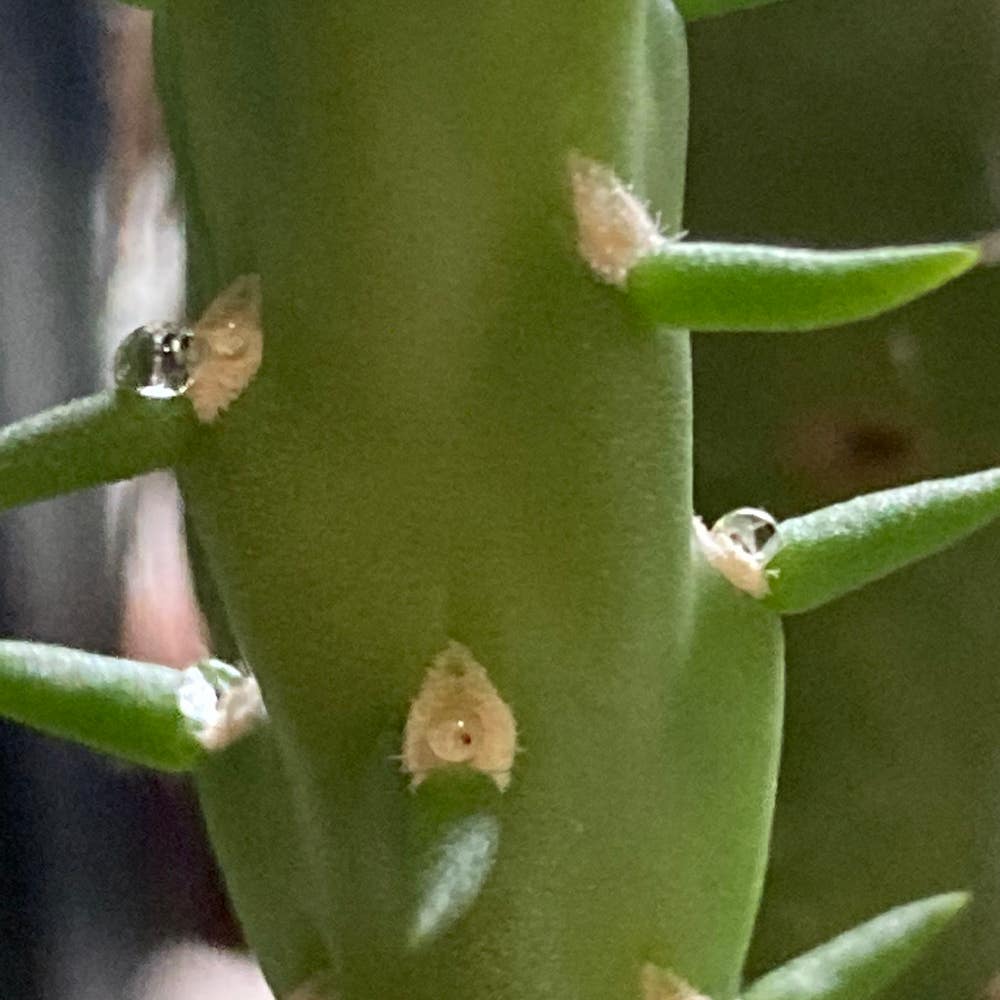
Jumping Cholla is celebrated for its striking segmented appearance and formidable spiny texture. This unique look not only adds visual interest to gardens but also serves as a habitat for various wildlife, making it a valuable addition to any landscape.
🌱 Reproduction Methods Without Flowers
Even when not in bloom, Jumping Cholla has an impressive survival strategy. The plant can reproduce vegetatively; segments can easily detach and root in the soil, allowing it to thrive in challenging environments.
This ability to propagate without flowers ensures that the Jumping Cholla can continue to flourish, even when conditions aren't ideal for blooming. As a resilient species, it showcases the wonders of nature's adaptability.
In summary, while flowering is a beautiful aspect of the Jumping Cholla, its ornamental features and unique reproductive methods allow it to remain a fascinating and enduring plant. Next, we'll explore the unique aspects of Jumping Cholla that make it stand out in the plant kingdom.
Unique Aspects of Jumping Cholla
🌼 Unusual Characteristics Related to Flowering or Non-Flowering Nature
Jumping Cholla is fascinating for its dual reproductive strategies. It can reproduce both sexually through flowering and asexually by detaching its segmented stems.
This unique adaptation allows the plant to thrive in various environments. When segments break off, they can root in the soil, leading to rapid colonization of new areas.
🤓 Interesting Facts or Trivia About Jumping Cholla's Reproductive Strategy
The spines of the Jumping Cholla serve multiple purposes. They not only protect the plant from herbivores but also help retain moisture in its arid habitat.
Additionally, different varieties of Jumping Cholla may exhibit varying flowering times and characteristics. This diversity adds to the plant's resilience and adaptability.
🌱 Relationship Between Flowering and the Plant's Life Cycle
Flowering plays a crucial role in the life cycle of Jumping Cholla. It enhances genetic diversity, which is vital for the plant's long-term survival.
Moreover, the ability to reproduce vegetatively ensures that Jumping Cholla can endure challenging conditions. This adaptability is key to its success in harsh environments.
As we explore the fascinating world of Jumping Cholla, it's clear that its unique reproductive strategies and resilience make it a remarkable plant. Next, we'll delve into what happens when Jumping Cholla doesn't flower, highlighting its ornamental features and survival methods.
⚠️ Safety First
This content is for general information and may contain errors, omissions, or outdated details. It is not medical, veterinary advice, or an endorsement of therapeutic claims.
Always consult a qualified healthcare professional before using any plant as food, medicine, or supplement.
Never eat any plant (or feed one to pets) without confirming its identity with at least two trusted sources.
If you suspect poisoning, call Poison Control (800) 222-1222, the Pet Poison Helpline (800) 213-6680, or your local emergency service immediately.
Spotted an error? Please report it here.
Unlock the beauty of your Jumping Cholla's blooms 🌼 by using Greg's tailored care tips to provide the perfect sunlight and watering schedule for thriving success!