☀️ Ultimate Guide for When to Plant Rebutia
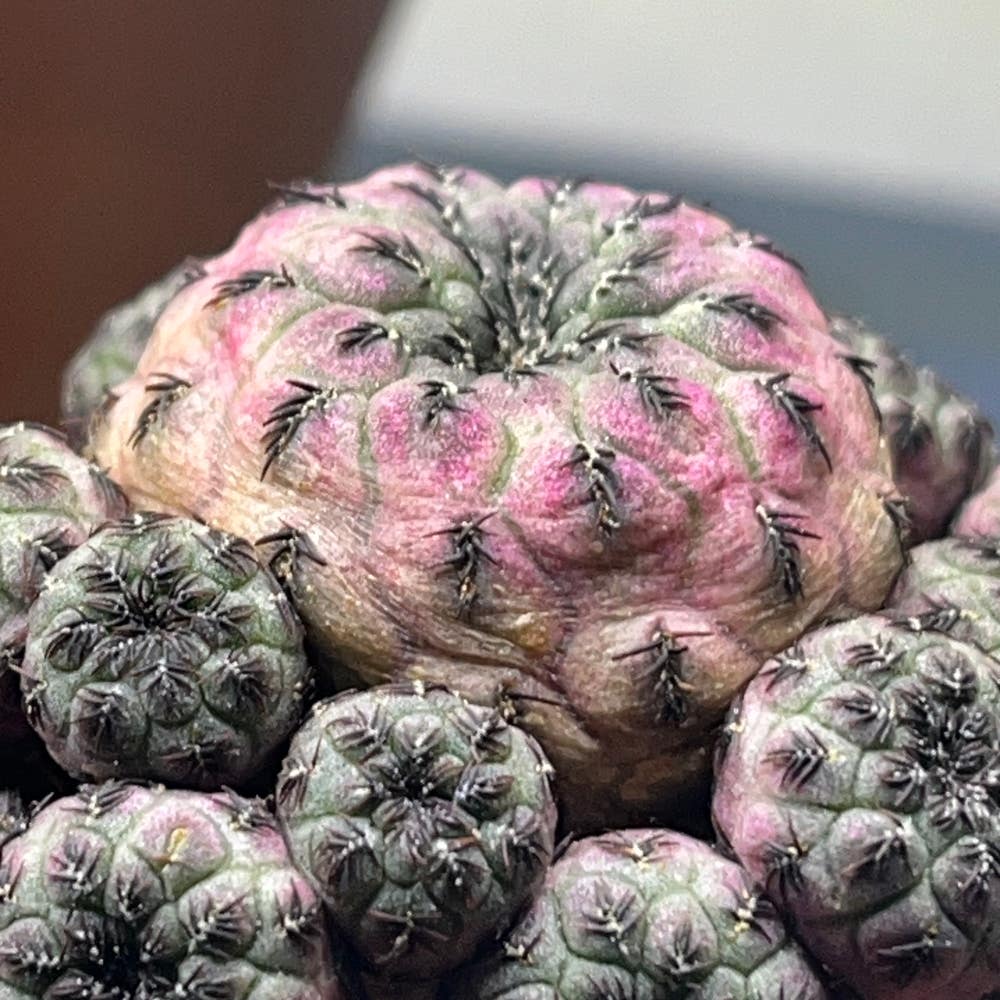
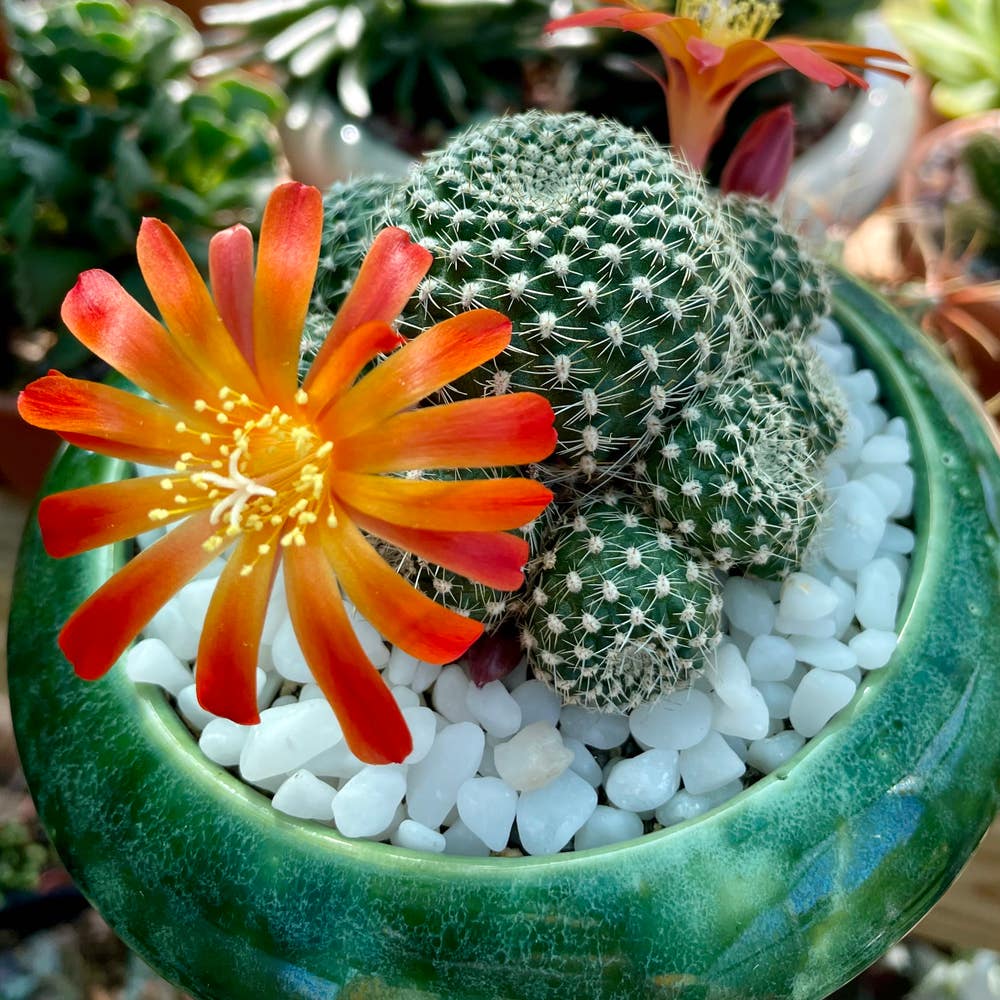
Rebutia canigueralii
By the Greg Editorial Team
Sep 30, 2024•6 min read
This article was created with the help of AI so we can cover more plants for you. May contain errors. See one? Report it here.
Unlock a thriving Rebutia garden by mastering frost dates and soil temperature for vibrant blooms! 🌱🌞
- ❄️ Know your frost dates to avoid damaging Rebutia from late frosts.
- 🌡️ Optimal soil temperature for Rebutia is 70°F to 85°F for healthy growth.
- 🌞 Rebutia needs 12-14 hours of light daily; use grow lights indoors if necessary.
Importance of Frost Dates
Understanding frost dates is crucial for successful Rebutia planting. These dates indicate when the risk of frost has passed, allowing you to plant your seeds or seedlings without fear of damage.
📅 How to Determine Frost Dates
To determine your local frost dates, the USDA Plant Hardiness Zone Map is an invaluable resource. This map provides a clear breakdown of frost zones across the U.S., helping you identify your specific area's last frost date.
For example, in New York, the last frost date typically falls around mid-May. Knowing this allows you to plan your planting schedule effectively, ensuring your Rebutia thrives in the right conditions.
By keeping an eye on these dates, you can maximize your chances of a successful growing season. This knowledge not only protects your plants but also enhances your gardening experience.
With frost dates in mind, let’s explore how soil temperature plays a pivotal role in the growth of Rebutia.
Ideal Soil Temperature
Optimal Range for Rebutia 🌡️
For successful Rebutia growth, aim for a soil temperature between 70°F and 85°F (21°C to 29°C). This range is crucial as it significantly impacts seed germination and root development.
Importance of Soil Temperature 🔥
When soil temperatures fall below this optimal range, you risk stunted growth and poor seedling health. Keeping your soil warm ensures that your Rebutia thrives and flourishes.
Measuring Soil Temperature 📏
To accurately gauge soil temperature, use a soil thermometer or a digital probe. These tools provide precise readings, helping you make informed planting decisions.
Timing for Measurement ⏰
Check the soil temperature about a week before your planned planting date. This timing allows you to adjust your planting schedule if necessary, ensuring the best conditions for your Rebutia.
Understanding the ideal soil temperature is just one piece of the puzzle. Next, let’s explore how day length affects the growth of your Rebutia.
Impact of Day Length on Growth
Day Length Requirements 🌞
For Rebutia to thrive, it needs an ideal day length of 12 to 14 hours of light. This duration is crucial for optimal flowering and overall growth.
Seasonal variations play a significant role, too. Longer days in spring and summer can significantly boost growth rates and flowering potential.
Adjusting for Day Length 💡
If you're planting indoors, you can easily adjust for day length. Using grow lights can help mimic those ideal conditions, ensuring your Rebutia gets the light it craves.
This simple adjustment can make a world of difference in your plant's health and vibrancy. With the right light, your Rebutia will flourish, setting the stage for a stunning display.
As you prepare to plant, consider how these light requirements fit into your overall planting strategy. Next, let’s explore regional planting considerations to ensure your Rebutia gets the best start possible.
Regional Planting Considerations
Ideal Planting Months 🌱
When it comes to planting Rebutia, timing is everything. Here’s a quick guide to the ideal months for various regions:
Florida: March to April. The warm climate allows for early planting.
California: March to May. With a diverse climate, timing can vary slightly by region.
Texas: March to April. The warmer temperatures make this a prime time for planting.
New York: Late May to June. Wait for the frost to pass before getting started.
Colorado: June to July. The cooler climate means a later planting season.
Ohio: Late May to June. Similar to New York, ensure the frost is gone.
Understanding these regional differences can significantly impact your success with Rebutia. Each state has its unique climate quirks that dictate the best planting times.
Summary of Key Factors 📊
In summary, consider frost dates, soil temperature, and day length when planning your Rebutia planting. These factors are crucial for ensuring healthy growth and vibrant blooms.
With the right timing, you’ll set the stage for a flourishing Rebutia garden. Next, let’s dive into seed starting techniques to help you get those plants off to a great start!
Seed Starting Techniques
Starting Seeds Indoors: Timing and Tips 🌱
Starting your Rebutia seeds indoors can give them a head start. Aim to begin this process 6-8 weeks before the last frost date.
Use seed trays filled with well-draining soil to create the perfect environment. This ensures that your seeds won't drown before they have a chance to sprout.
Light is crucial for healthy growth. Provide 12-14 hours of light daily to mimic natural conditions and encourage robust seedlings.
Direct Sowing: When and How 🌍
If you prefer direct sowing, timing is key. Wait until after the last frost date and ensure the soil temperature is optimal for planting.
Prepare your garden bed by creating well-draining soil. Make small holes for your seeds, giving them enough space to grow.
Once sown, lightly water the area to maintain moisture. This will help your seeds settle in and begin their journey toward becoming beautiful Rebutia plants.
With these techniques, you're well on your way to a thriving Rebutia garden. Next, let’s explore regional planting considerations to ensure your timing aligns with local conditions.
Comprehensive Planting Calendar
Planting Times for All 52 States 🌱
Understanding the optimal planting months for Rebutia can make all the difference in your gardening success. Here’s a quick overview of when to plant across various states:
| State | Optimal Planting Months |
|---|---|
| Florida | March to April |
| California | March to May |
| Texas | March to April |
| New York | Late May to June |
| Colorado | June to July |
| Ohio | Late May to June |
These timeframes are crucial for ensuring your Rebutia thrives. Each region has its unique climate, so timing your planting can help you avoid frost and ensure optimal soil temperatures.
Summary of Key Factors 📋
To successfully plant Rebutia, keep these key factors in mind:
- Frost Dates: Know your last frost date to avoid planting too early.
- Soil Temperature: Aim for a range of 70°F to 85°F (21°C to 29°C) for best results.
- Day Length: Ensure your plants receive 12-14 hours of light for optimal growth.
By considering these elements, you can create a thriving environment for your Rebutia. With the right timing and conditions, your garden will flourish, bringing joy and beauty to your space. Next, let’s dive into effective seed starting techniques to maximize your planting efforts!
⚠️ Safety First
This content is for general information and may contain errors, omissions, or outdated details. It is not medical, veterinary advice, or an endorsement of therapeutic claims.
Always consult a qualified healthcare professional before using any plant as food, medicine, or supplement.
Never eat any plant (or feed one to pets) without confirming its identity with at least two trusted sources.
If you suspect poisoning, call Poison Control (800) 222-1222, the Pet Poison Helpline (800) 213-6680, or your local emergency service immediately.
Spotted an error? Please report it here.
Get your Rebutia off to a thriving start 🌱 with Greg's tailored reminders and soil temperature tracking to ensure perfect planting conditions!