🌵 5 Tips for Growing Rebutia
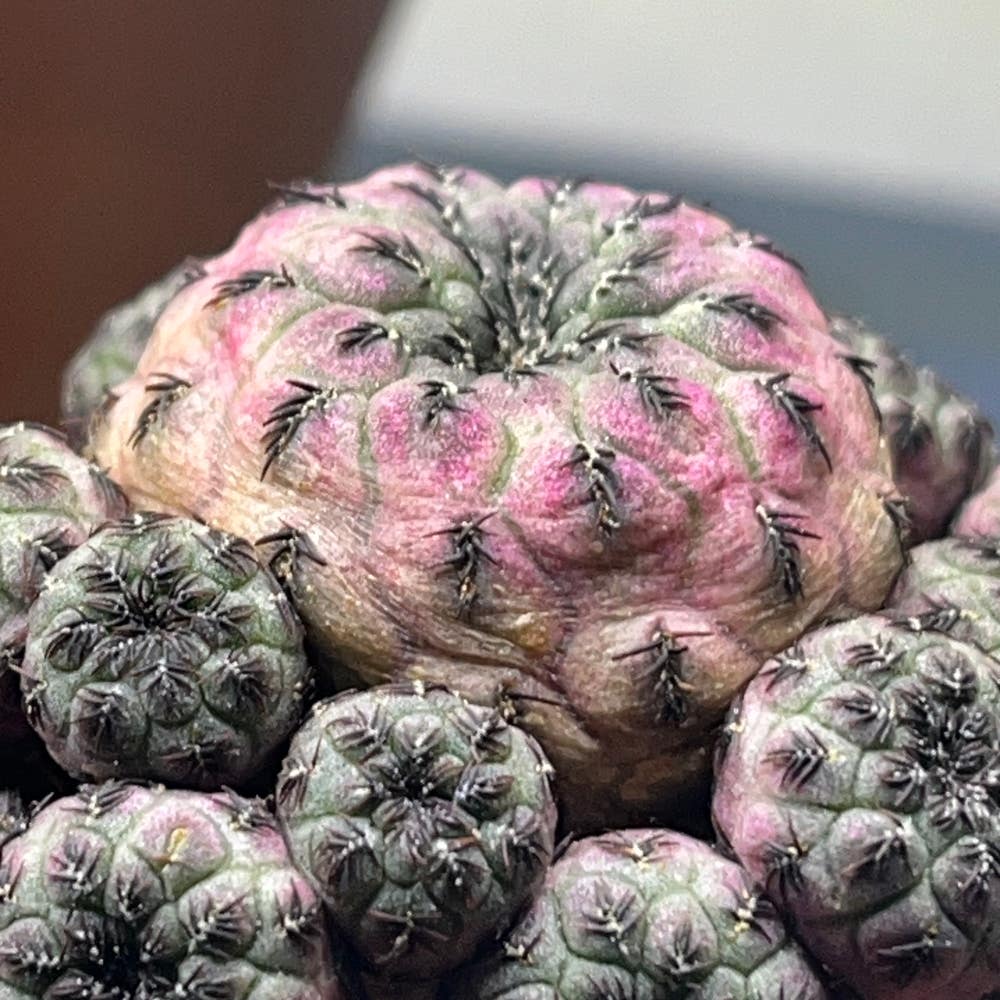
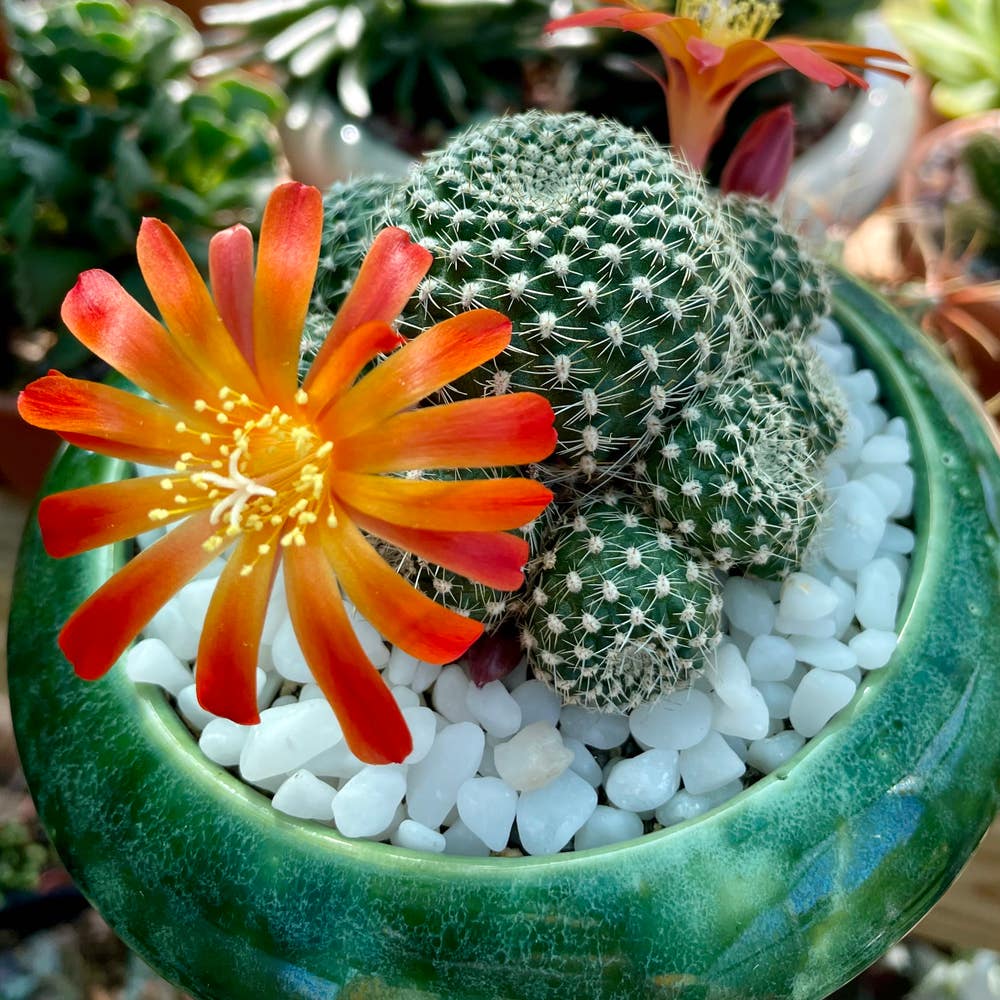
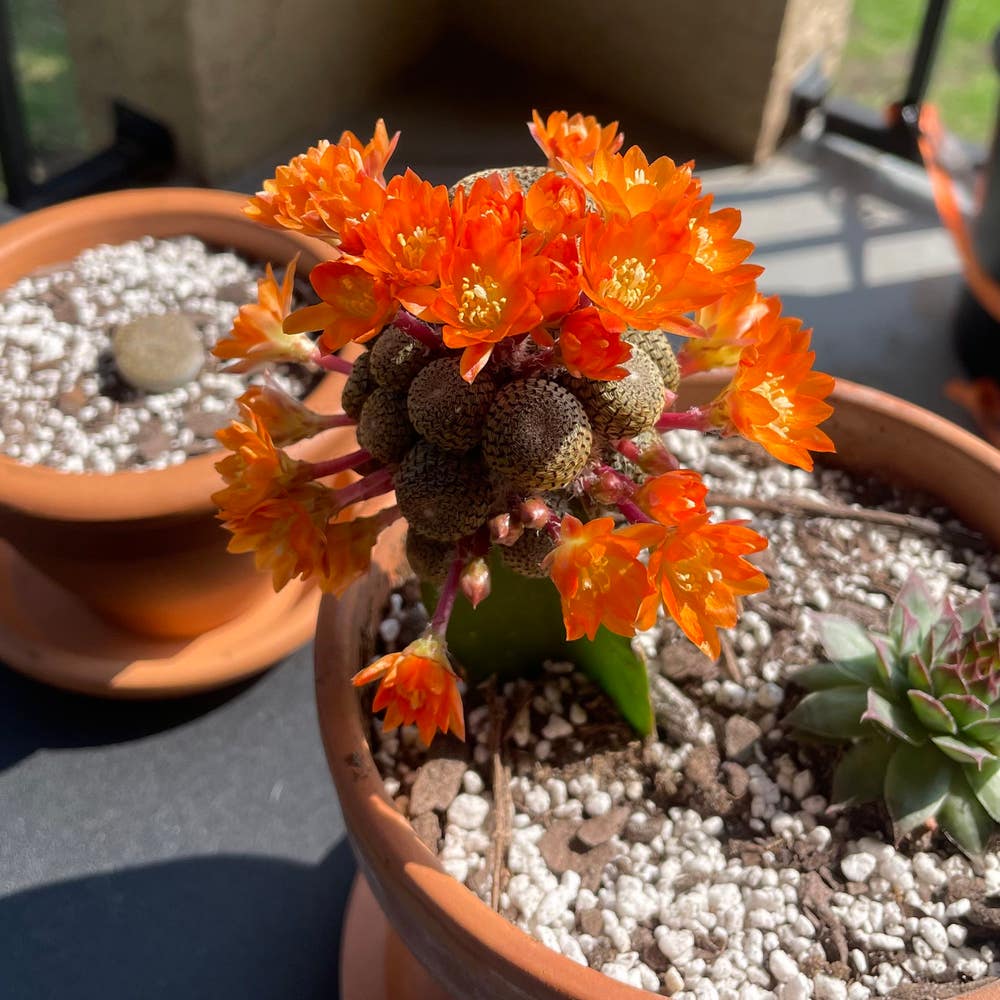
Rebutia canigueralii
By the Greg Editorial Team
Sep 30, 2024•6 min read
This article was created with the help of AI so we can cover more plants for you. May contain errors. See one? Report it here.
Elevate your Rebutia's beauty 🌵 with essential tips on light, soil, and care for thriving growth!
- 🌞 Rebutia needs 6-8 hours of sunlight daily for optimal growth and blooming.
- 🌱 Use well-draining soil and pots with drainage holes to prevent root rot.
- 🌿 Fertilize monthly during growth season for robust Rebutia health and flowering.
Choosing the Right Location
🌞 Sunlight Needs
Rebutia thrives in full sunlight, requiring 6-8 hours daily for optimal blooming. Without sufficient light, you may notice leggy growth and fewer flowers, which can be disappointing.
🏡 Indoor vs. Outdoor Placement
If you live in a warm climate, outdoor growing is ideal. Just remember to protect your Rebutia from frost during cooler months.
For indoor enthusiasts, container growing is a great option. Position your cactus near south-facing windows to maximize light exposure and keep it happy.
By carefully selecting the right location, you set the stage for a flourishing Rebutia. Next, let’s dive into soil preparation to ensure your cactus has the best foundation for growth.
Soil Preparation
Soil Type 🌱
For Rebutia, a well-draining soil mix is essential. You can either purchase a cactus mix or create your own by blending sand, perlite, and potting soil.
The ideal soil pH for these cacti is slightly acidic to neutral, ranging from 6.0 to 7.0. This balance helps ensure your Rebutia thrives and blooms beautifully.
Drainage Considerations 🚰
Proper drainage is crucial to prevent root rot, a common issue in Rebutia care. Without it, your plant may suffer from wilting and yellowing leaves, signaling distress.
When selecting pots for container growing, always choose those with drainage holes. This simple step can make a significant difference in the health of your Rebutia.
With the right soil and drainage, your Rebutia will be set up for success. Next, let’s explore effective planting techniques to ensure your cactus flourishes.
Planting Techniques
Planting Depth and Spacing 🌱
When planting Rebutia, it's crucial to ensure that the top of the root ball is level with the soil surface. This positioning helps the plant establish itself without the risk of rot.
For outdoor planting, maintain a spacing of 12-18 inches between each cactus. This distance allows for ample growth and air circulation, promoting healthy development.
Timing for Planting ⏰
The best time to plant Rebutia is during spring or early summer. At this time, temperatures are consistently warm, providing the ideal conditions for your cactus to thrive.
By planting during this period, you set your Rebutia up for success, ensuring it has the best chance to flourish in its new environment.
With the right depth, spacing, and timing, your Rebutia will be well on its way to becoming a stunning addition to your garden or indoor space. Next, let’s explore how to properly care for your Rebutia through watering and fertilizing.
Watering and Fertilizing
💧 Watering Schedule
Watering your Rebutia is straightforward. Allow the soil to dry out completely between waterings to prevent overwatering, which can lead to root rot.
During the growing season—spring and summer—increase your watering frequency. As temperatures drop in fall and winter, scale back to keep your plant healthy and thriving.
🌱 Fertilizing: Best Practices
Fertilizing is essential for robust growth. Aim to fertilize monthly during the growing season with a diluted cactus fertilizer to provide the necessary nutrients.
Choose between a balanced NPK fertilizer (10-10-10) or a specialized cactus fertilizer. Both options will support your Rebutia's growth and flowering potential.
With proper watering and fertilizing, your Rebutia will flourish. Next, let’s explore effective pruning and maintenance techniques to keep your cactus in top shape.
Pruning and Maintenance
Pruning Techniques ✂️
Pruning your Rebutia is essential for maintaining its shape and promoting new growth. The best time to prune is right after flowering, ensuring you give your plant a fresh start for the growing season.
To avoid damaging your plant, always use clean, sharp pruning shears. This simple tool can make a world of difference in how well your cactus responds to pruning.
Ongoing Care Routine 🧑🌾
Regular inspections are crucial for keeping your Rebutia healthy. Check for pests and any signs of distress, as early detection can save your plant from more significant issues.
As your cactus grows, adjust your care routine accordingly. During active growth periods, increase watering and fertilizing to support its vibrant development.
With these pruning and maintenance tips, your Rebutia will thrive, setting the stage for the next section on common challenges and solutions.
Common Challenges and Solutions
🐛 Identifying Common Pests and Diseases
Common Pests
Pests can be a real headache for Rebutia enthusiasts. Mealybugs appear as white, cotton-like masses on the plant, while spider mites leave fine webbing and stippled leaves in their wake.
Common Diseases
Diseases can also plague your Rebutia. Root rot is a serious issue, with symptoms like wilting and yellowing, even when you're watering correctly. Fungal infections may manifest as discoloration or spots on the cactus, signaling that something's off.
🛠️ Solutions for Common Challenges
Don't fret; there are effective solutions for these challenges. For pest control, consider using insecticidal soap or neem oil to treat infestations.
Preventative measures are equally important. Ensure proper watering and drainage to keep root rot at bay. Regular checks can help you catch issues early, keeping your Rebutia thriving and beautiful.
With these tips in mind, you can tackle common challenges head-on and enjoy a flourishing Rebutia garden. Next, let’s dive into propagation methods to expand your collection!
Propagation and Seasonal Care
🌱 Propagation Methods
From Seeds
To start propagating Rebutia from seeds, first soak them for 24 hours. This simple step helps kickstart the germination process.
Next, plant the seeds in warm, well-draining soil, ensuring they receive indirect light. Germination typically takes 2-4 weeks, so patience is key during this stage.
From Offsets
Another easy method is propagating from offsets. Look for small cacti growing at the base of the parent plant; these are your offsets.
Use a clean knife to carefully cut the offsets from the main plant. After removal, let them dry for a few days before replanting in soil to prevent rot.
🌸 Seasonal Care Tips
Spring
As spring arrives, increase your watering routine and start fertilizing your Rebutia. This is when the plant wakes up and begins to thrive.
Summer
During summer, keep an eye out for pests and ensure your cactus gets plenty of sunlight. This is its peak growing season, so it needs your attention.
Fall
As the days shorten, gradually reduce watering. Your Rebutia will enter dormancy, so it requires less moisture.
Winter
In winter, place your cactus in a cool, dry spot. Water sparingly during this time, as the plant needs minimal hydration.
By following these propagation techniques and seasonal care tips, you'll set your Rebutia up for a healthy and vibrant life. Next, let's explore common challenges and solutions to keep your cactus thriving.
⚠️ Safety First
This content is for general information and may contain errors, omissions, or outdated details. It is not medical, veterinary advice, or an endorsement of therapeutic claims.
Always consult a qualified healthcare professional before using any plant as food, medicine, or supplement.
Never eat any plant (or feed one to pets) without confirming its identity with at least two trusted sources.
If you suspect poisoning, call Poison Control (800) 222-1222, the Pet Poison Helpline (800) 213-6680, or your local emergency service immediately.
Spotted an error? Please report it here.
Transform your Rebutia into a blooming beauty 🌵 with Greg's personalized care reminders that ensure optimal sunlight and watering for thriving growth!