🌵 Top 5 Signs Your Rebutia Needs Pollination
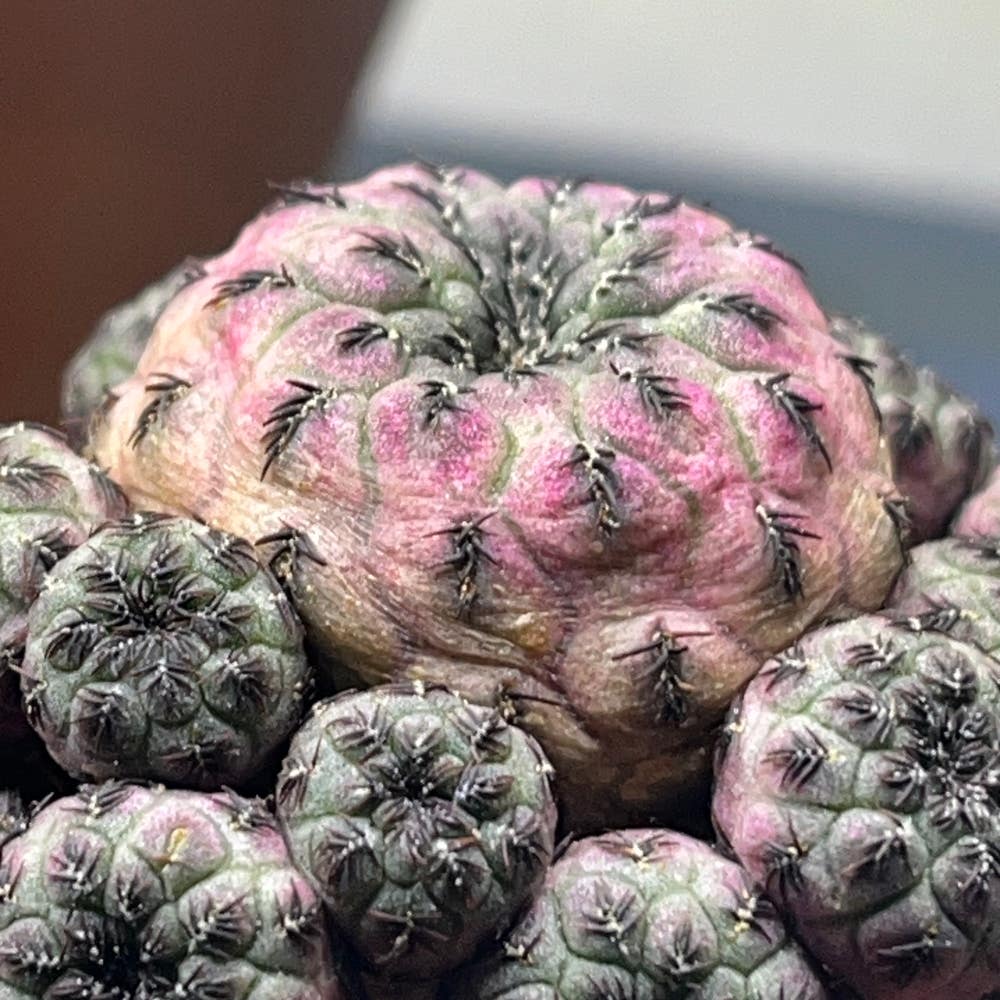
Rebutia canigueralii
By the Greg Editorial Team
Sep 30, 2024•5 min read
This article was created with the help of AI so we can cover more plants for you. May contain errors. See one? Report it here.
Boost your garden's vibrancy 🌼 by mastering Rebutia's pollination secrets for thriving plants and pollinators!
- 🌼 Rebutia flowers attract bees, butterflies, and hummingbirds for effective pollination.
- 🌱 Self-pollination occurs in some varieties, ensuring fertilization without external help.
- 🐝 Creating a pollinator-friendly environment boosts Rebutia's health and fruit development.
Flower Structure
Description of Characteristics 🌼
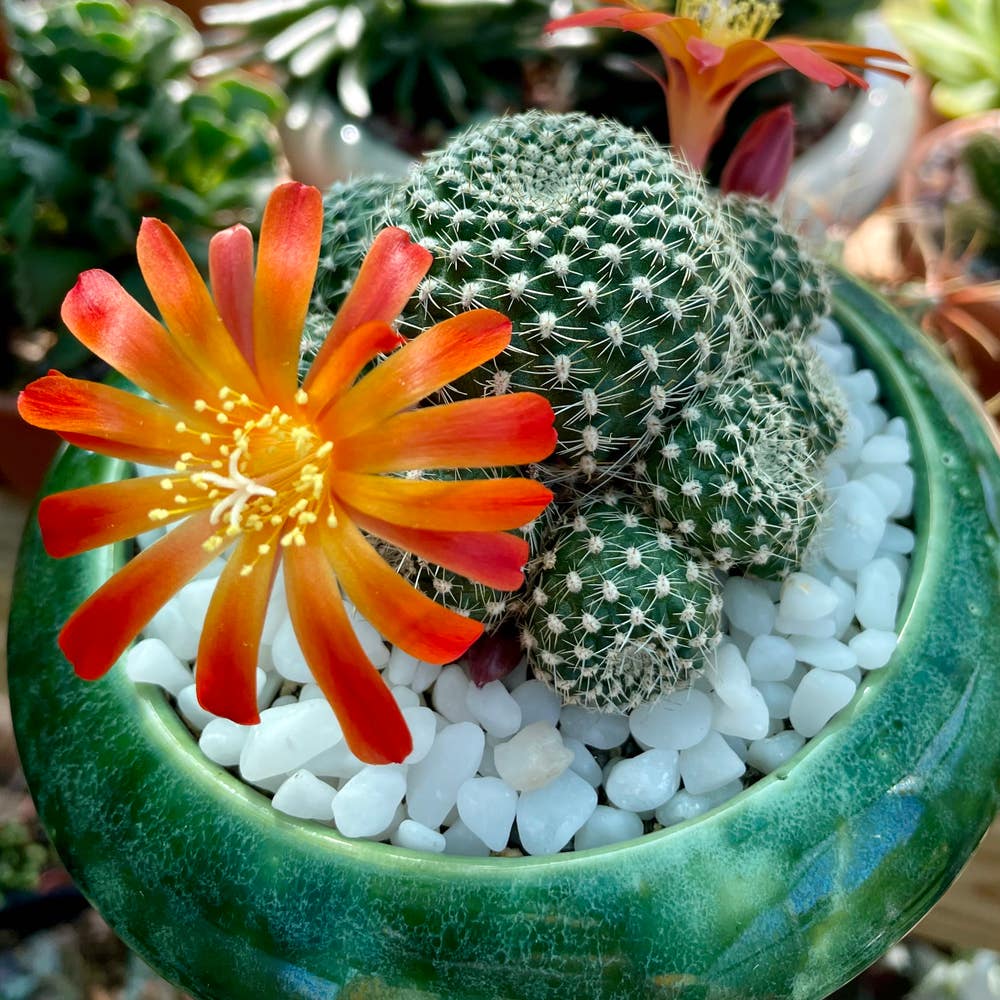
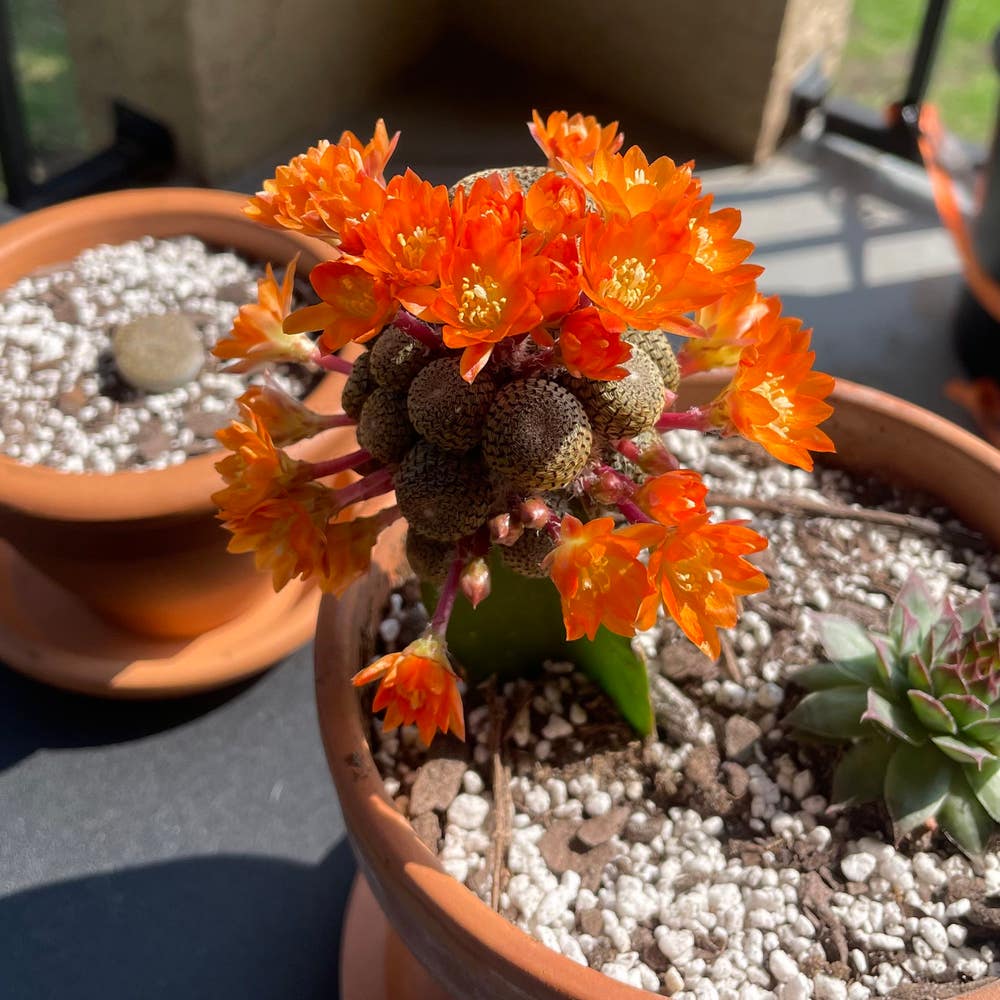
Rebutia flowers are small and globular, forming dense clusters that create a stunning visual display. Their vibrant shades of red, pink, or yellow not only catch the eye but also attract a variety of pollinators.
These flowers open during the day, making them highly visible to diurnal pollinators. This strategic arrangement maximizes their chances of successful pollination.
Role in Pollination 🐝
Some Rebutia varieties can self-pollinate thanks to their unique flower structure. This ability ensures that even in the absence of pollinators, fertilization can still occur.
However, cross-pollination is equally important. The bright colors and strategic arrangement of flowers draw in various pollinator species, enhancing genetic diversity and overall plant health.
Understanding these characteristics is crucial for anyone looking to cultivate healthy Rebutia plants. With the right conditions, you can support their pollination needs effectively.
Next, we’ll dive into the fascinating pollination process that keeps these vibrant flowers thriving.
Pollination Process
Self-Pollination Mechanism 🌼
Rebutia flowers have a fascinating self-pollination mechanism. Pollen from the anthers can easily fall onto the stigma of the same flower, leading to successful fertilization.
This method is beneficial as it ensures that even in the absence of pollinators, fruit and seed production can still occur. It’s nature’s way of providing a backup plan!
Cross-Pollination 🌍
While self-pollination is effective, cross-pollination brings its own set of advantages. It introduces genetic diversity, which is crucial for the resilience of the species.
Primary Pollinators:
- Bees: These buzzing beauties are drawn in by the vibrant colors and sweet nectar.
- Butterflies: Their attraction to the flower's shape and color adds to the pollination mix.
- Moths and Hummingbirds: Active during specific times, they contribute significantly to the pollination success.
Attraction Mechanisms: Rebutia flowers employ scent and nectar production to lure these pollinator species. This strategy not only enhances pollination but also creates a lively ecosystem around the plant.
Understanding these processes can help you appreciate the intricate relationships between plants and their pollinators. As we move forward, let’s explore how to support these vital pollinators in our gardens!
Natural Pollination Mechanisms
🌬️ Pollen Transfer
Pollination in Rebutia primarily relies on wind and insect activity. These natural forces facilitate the movement of pollen, ensuring that flowers can reproduce effectively.
🌱 Importance of Pollination
Reproduction is crucial for fruit and seed development. Without effective pollination, these plants struggle to thrive and produce offspring.
Cross-pollination plays a vital role in promoting genetic diversity. This variation helps plants adapt to changing environments and resist diseases.
Understanding these mechanisms can deepen your appreciation for the intricate relationships between plants and their pollinators. By fostering these connections, you contribute to a healthier ecosystem.
As we explore the next section, you'll discover how to enhance pollination success through hand pollination techniques.
Hand Pollination Techniques
Hand pollination can be a rewarding way to ensure your Rebutia thrives. Here’s how to do it effectively.
Step 1: Identify Male and Female Flower Parts 🌸
First, locate the male and female parts of the flower. The male parts are the anthers, which produce pollen, while the female part is the stigma, responsible for receiving pollen.
Step 2: Collecting Pollen 🧹
Next, gather pollen from the anthers. A small brush or cotton swab works perfectly for this task, allowing you to collect just the right amount without damaging the flower.
Step 3: Transferring Pollen 🔄
Once you have the pollen, gently apply it to the stigma of the same flower or another flower. This step is crucial for successful fertilization and fruit production.
Step 4: Timing ⏰
Timing is everything! Perform this process during the flowering season when the flowers are fully open. This ensures that the flowers are receptive and increases your chances of success.
Hand pollination not only boosts your plant's productivity but also deepens your connection with nature. By taking these steps, you’re actively participating in the life cycle of your Rebutia, ensuring it flourishes beautifully.
Next, let’s explore how to create a pollinator-friendly environment to support your plants even further.
Supporting Pollinators
🌼 Creating a Pollinator-Friendly Environment
To support your Rebutia, start by incorporating a variety of flowering plants. This diversity attracts different pollinator species, ensuring a bustling ecosystem around your plants.
Additionally, providing shelter and nesting sites is crucial. Bees and other beneficial insects thrive in environments where they can find safe havens.
🌱 Companion Plants
Choosing the right companion plants can enhance pollination success. Consider adding:
- Marigolds: Their bright flowers are irresistible to bees.
- Lavender: The aromatic blooms attract both butterflies and bees.
- Native flowering plants: Select those that bloom at the same time as your Rebutia for maximum effect.
⚠️ Pollination Challenges
Despite your best efforts, challenges can arise in supporting pollinators.
Common Obstacles
Environmental factors play a significant role. Extreme temperatures can affect flower viability, while low humidity may deter pollinator activity.
Urbanization and pesticide use also threaten pollinator populations. These issues can lead to a noticeable decline in visits to your plants.
🛠️ Solutions
To combat these challenges, timing is key. Planting in optimal conditions can help align your flowers' blooming with peak pollinator activity.
Consider making environmental adjustments, like creating microclimates or using shade cloth to moderate temperature extremes.
Lastly, reduce pesticide use and plant diverse flora to encourage more pollinator visits. This proactive approach can make a significant difference in your garden's health and productivity.
With these strategies, you can create a thriving environment for pollinators, ensuring your Rebutia gets the attention it needs for successful pollination. Next, let’s explore hand pollination techniques to further enhance your gardening efforts.
⚠️ Safety First
This content is for general information and may contain errors, omissions, or outdated details. It is not medical, veterinary advice, or an endorsement of therapeutic claims.
Always consult a qualified healthcare professional before using any plant as food, medicine, or supplement.
Never eat any plant (or feed one to pets) without confirming its identity with at least two trusted sources.
If you suspect poisoning, call Poison Control (800) 222-1222, the Pet Poison Helpline (800) 213-6680, or your local emergency service immediately.
Spotted an error? Please report it here.
Boost your Rebutia's pollination success 🌼 with Greg's tailored tips and reminders, ensuring your vibrant blooms thrive and attract all the right pollinators!