🌼 Top 3 Pot Options to Make Your Rebutia Thrive
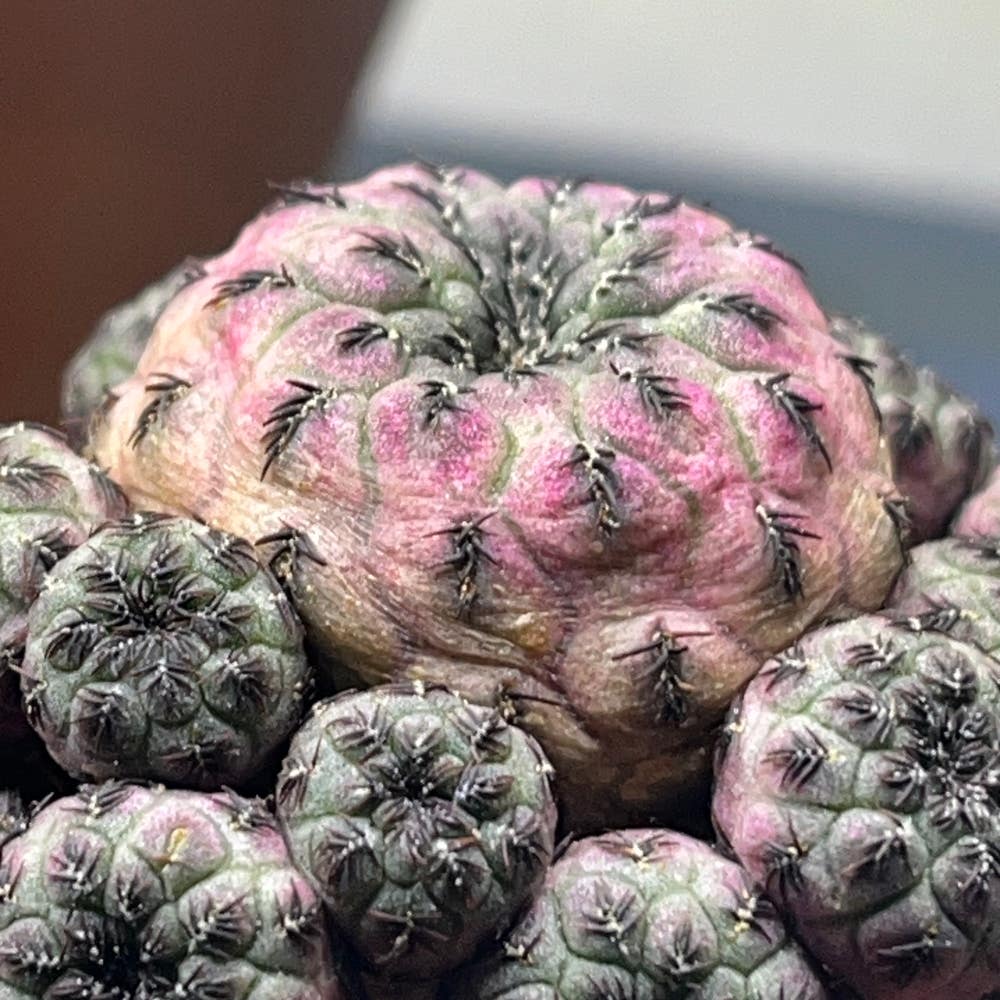
Rebutia canigueralii
By the Greg Editorial Team
Sep 30, 2024•5 min read
This article was created with the help of AI so we can cover more plants for you. May contain errors. See one? Report it here.
Maximize your Rebutia's growth 🌱 by mastering pot selection and drainage for thriving, healthy plants!
- 🌱 Choose the right pot size: 2-8 inches ensures optimal growth for Rebutia.
- 💧 Drainage holes are essential: Prevent root rot by avoiding water accumulation.
- 🌿 Repot when roots emerge: Signs of stunted growth indicate it's time for a new pot.
Pot Sizes for Different Growth Stages
🌱 Small Pots for Seedlings and Young Rebutia
For seedlings and young Rebutia, a pot size of 2-4 inches in diameter is ideal. Smaller pots encourage root establishment and significantly reduce the risk of overwatering.
🪴 Medium Pots for Mature Rebutia
As your Rebutia matures, transitioning to a medium pot of 4-6 inches in diameter is essential. This size provides adequate root space while maintaining a balanced moisture level, crucial for healthy growth.
🌳 Large Pots for Established Rebutia
For fully grown Rebutia species, opt for a pot size of 6-8 inches in diameter. It's vital to ensure proper drainage in these larger containers to prevent water accumulation, which can harm your plant's health.
Choosing the right pot size at each growth stage is key to nurturing your Rebutia. This thoughtful approach not only supports healthy growth but also sets the stage for long-term vitality.
Drainage Considerations
🌊 Importance of Drainage Holes
Drainage holes are essential for preventing water accumulation in your Rebutia pots. They allow excess water to escape, reducing the risk of root rot and other moisture-related issues.
For optimal drainage, aim for holes that are at least 1/4 inch in diameter. Depending on the pot size, 3 to 5 holes should suffice to ensure proper water flow.
🩺 How Drainage Affects Rebutia Health
Poor drainage can lead to serious health risks for your Rebutia, including root rot and fungal infections. These conditions can quickly compromise your plant's vitality.
Signs of inadequate drainage include yellowing leaves, a mushy stem, or a foul smell from the soil. If you notice these symptoms, it’s time to reassess your potting situation.
🛠️ Best Practices for Ensuring Proper Drainage
When selecting pots, choose those with built-in drainage features to simplify care. This small detail can make a big difference in your plant's health.
Consider adding a layer of gravel or perlite at the bottom of the pot. This extra step promotes airflow and further aids in drainage.
Regularly check drainage holes for blockages. Even a small obstruction can lead to significant problems down the line.
With these drainage considerations in mind, your Rebutia will be set up for success. Next, let’s explore the signs that indicate it’s time to repot your beloved cactus.
Repotting Rebutia
🕵️♂️ Signs That It's Time to Repot
Recognizing when your Rebutia needs repotting is crucial for its health. Look for roots emerging from drainage holes; this is a clear sign of being root-bound.
Additionally, if your plant shows stunted growth despite proper care, it may be time for a new pot. Soil degradation or compaction can also indicate that your Rebutia is ready for a fresh start.
🛠️ Step-by-Step Guide to Repotting Rebutia
Repotting can seem daunting, but it’s straightforward. Follow these steps for a smooth transition:
- Prepare a new pot with the appropriate size and drainage features.
- Gently remove the Rebutia from its current pot, being careful not to damage the roots.
- Inspect the roots for any damage or rot; trim any unhealthy sections as needed.
- Place the Rebutia in the new pot and fill it with cactus potting soil, ensuring it’s well-supported.
- Water lightly to settle the soil, giving your plant a fresh start.
🪴 Choosing the Right Pot During Repotting
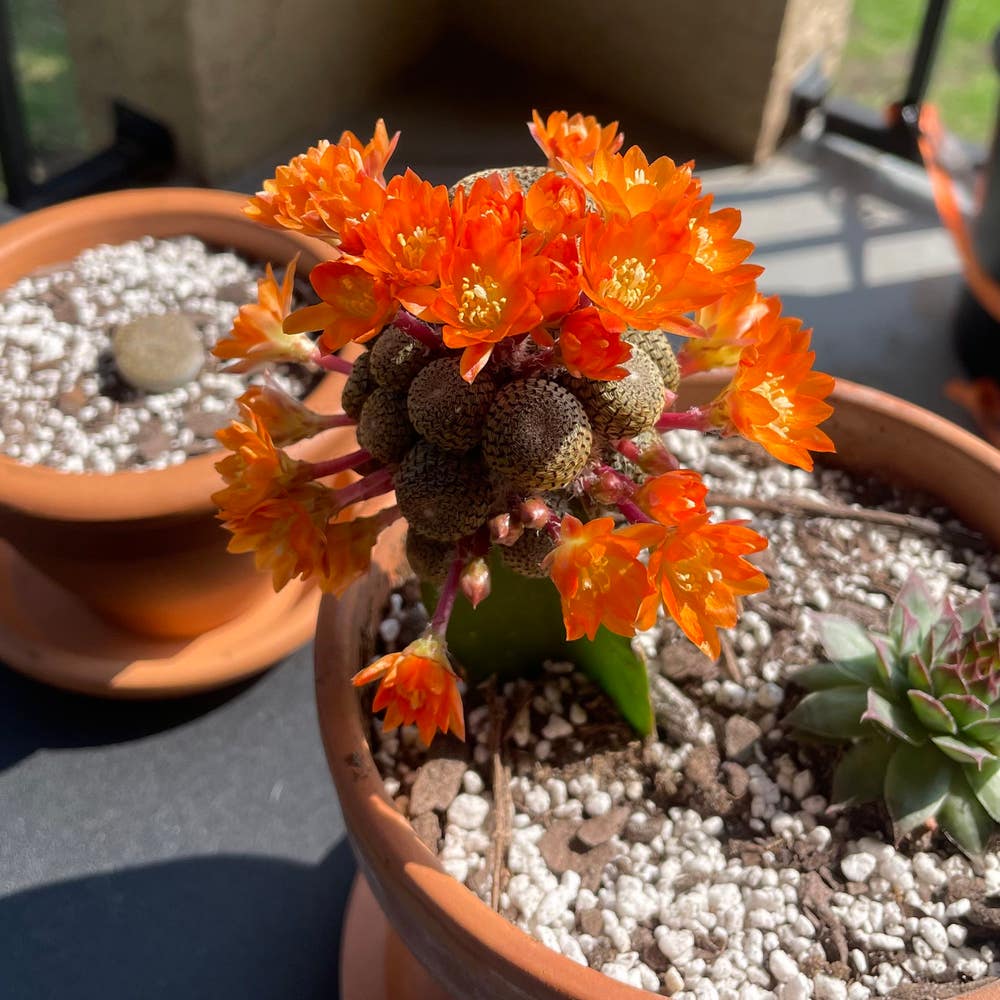
Selecting the right pot is essential for your Rebutia's long-term health. Consider the pot material; clay pots offer excellent drainage, while plastic pots retain moisture longer.
Size matters too; ensure the new pot allows for growth without being excessively large. Prioritize maintaining drainage and aeration to keep your Rebutia thriving.
With these tips, your Rebutia will flourish in its new home, setting the stage for vibrant growth and health. Next, let’s explore the various materials you can choose for your pots.
Material Comparisons
Pros and Cons of Clay Pots 🌱
Clay pots are a popular choice for Rebutia due to their excellent drainage and breathable material. However, they can be heavier and may dry out quickly, requiring more frequent watering.
Pros and Cons of Plastic Pots 🪴
Plastic pots are lightweight and retain moisture longer, making them convenient for busy plant owners. On the downside, they are less breathable, which can lead to root rot if drainage isn't managed properly.
Other Materials to Consider 🏺
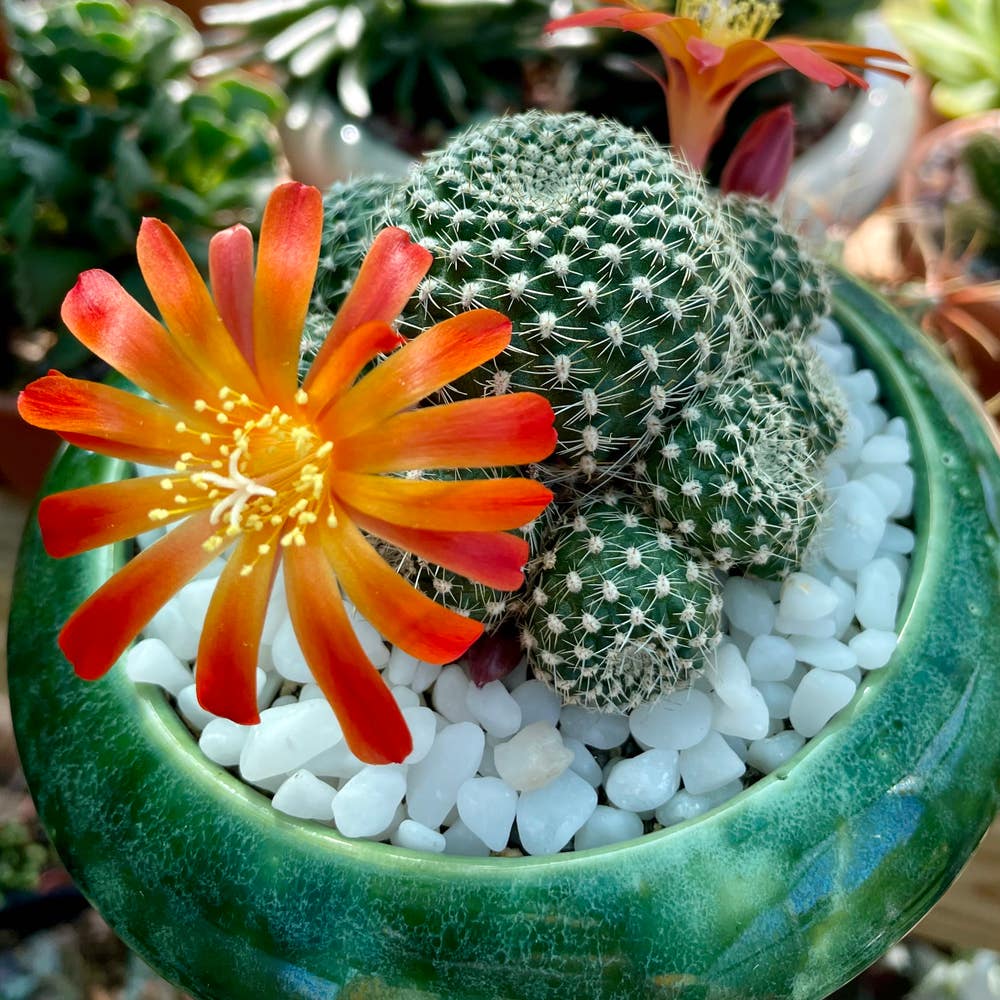
Ceramic pots offer aesthetic appeal, adding a decorative touch to your plant display, but they can be heavy and less porous. Terracotta pots provide good drainage but may necessitate more frequent watering due to their tendency to dry out faster.
Choosing the right pot material is crucial for your Rebutia's health and growth. Understanding these options will help you make informed decisions as you nurture your plants.
Impact of Pot Choice on Growth
🌱 How Pot Choice Influences Growth Rate
The size of your pot directly affects how well your Rebutia absorbs nutrients. A larger container allows for more soil, which means more nutrients and a faster growth rate.
The material of the pot also plays a crucial role. For instance, clay pots can help regulate temperature, keeping roots cooler in hot weather, while plastic pots may retain heat, impacting growth speed.
🪴 Effects of Pot Size on Root Development
Pot size is vital for root expansion. A spacious pot encourages roots to spread out, leading to a healthier plant.
Conversely, using a pot that's too small can stunt growth. Roots may become cramped, limiting their ability to absorb water and nutrients effectively.
🏺 Long-Term Health Implications of Pot Selection
Choosing the right pot is essential for your Rebutia's longevity. A well-sized and appropriate material pot can promote vitality and resilience.
On the flip side, improper pot selection can lead to health issues over time. Plants may suffer from root rot or nutrient deficiencies if their growing conditions aren't optimal.
Understanding these factors can help you make informed choices that support your Rebutia's growth and health. Next, let's explore the critical aspects of repotting your Rebutia for continued success.
⚠️ Safety First
This content is for general information and may contain errors, omissions, or outdated details. It is not medical, veterinary advice, or an endorsement of therapeutic claims.
Always consult a qualified healthcare professional before using any plant as food, medicine, or supplement.
Never eat any plant (or feed one to pets) without confirming its identity with at least two trusted sources.
If you suspect poisoning, call Poison Control (800) 222-1222, the Pet Poison Helpline (800) 213-6680, or your local emergency service immediately.
Spotted an error? Please report it here.
Ensure your Rebutia thrives with the perfect pot choice 🌱 and let Greg guide you with tailored reminders for watering and repotting success!