🐛 What To Do About Bugs on My Rebutia canigueralii?
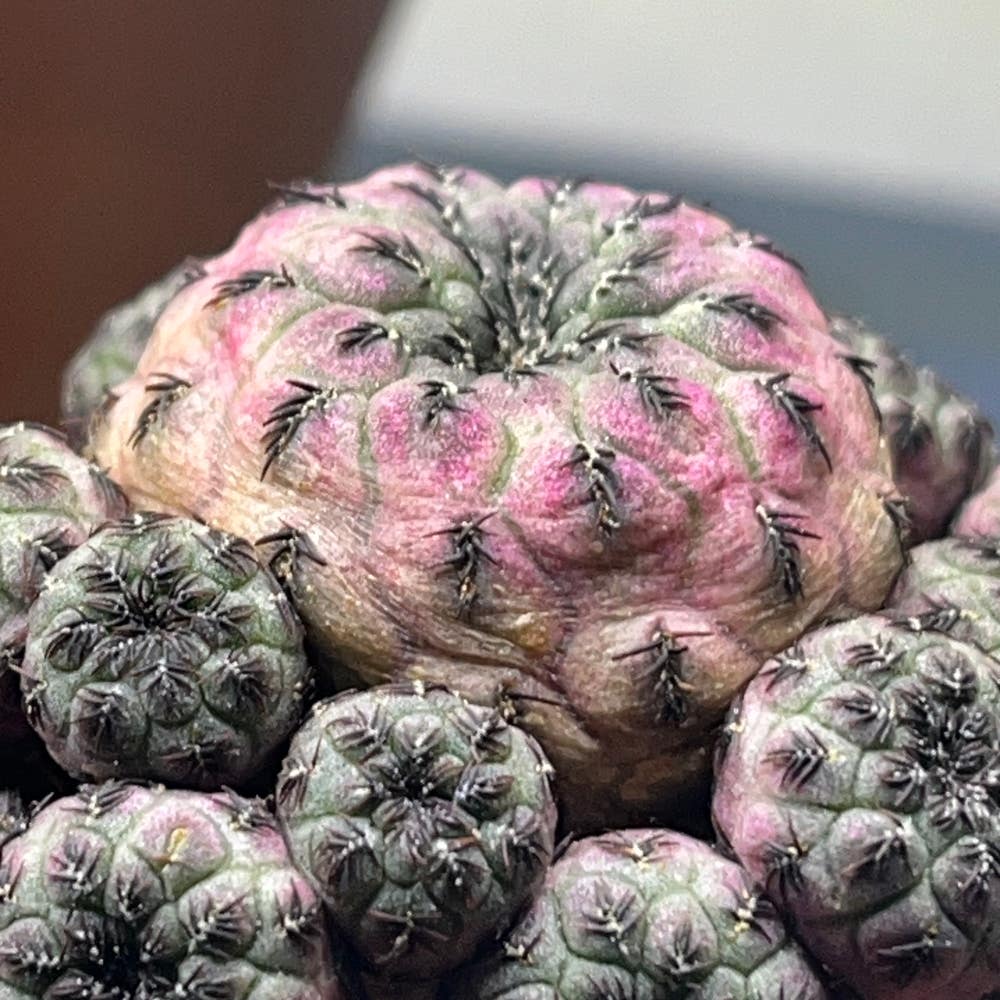
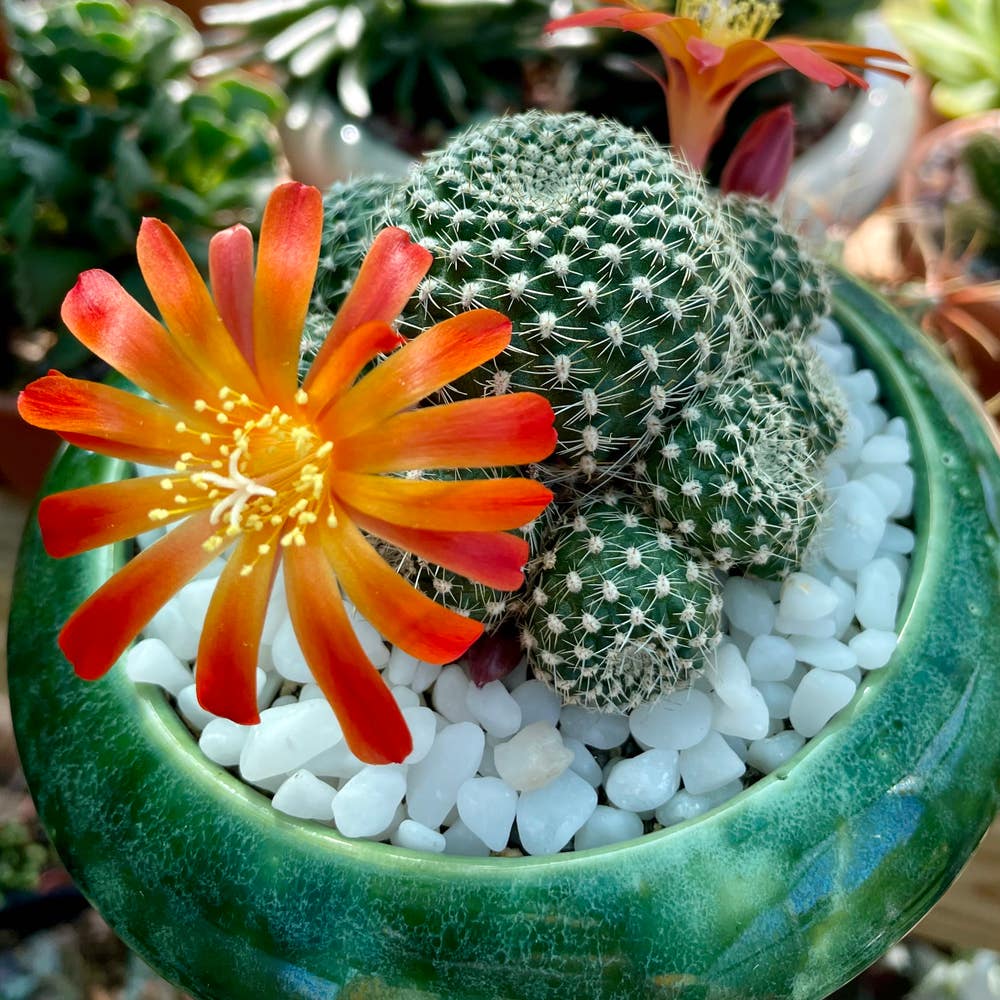
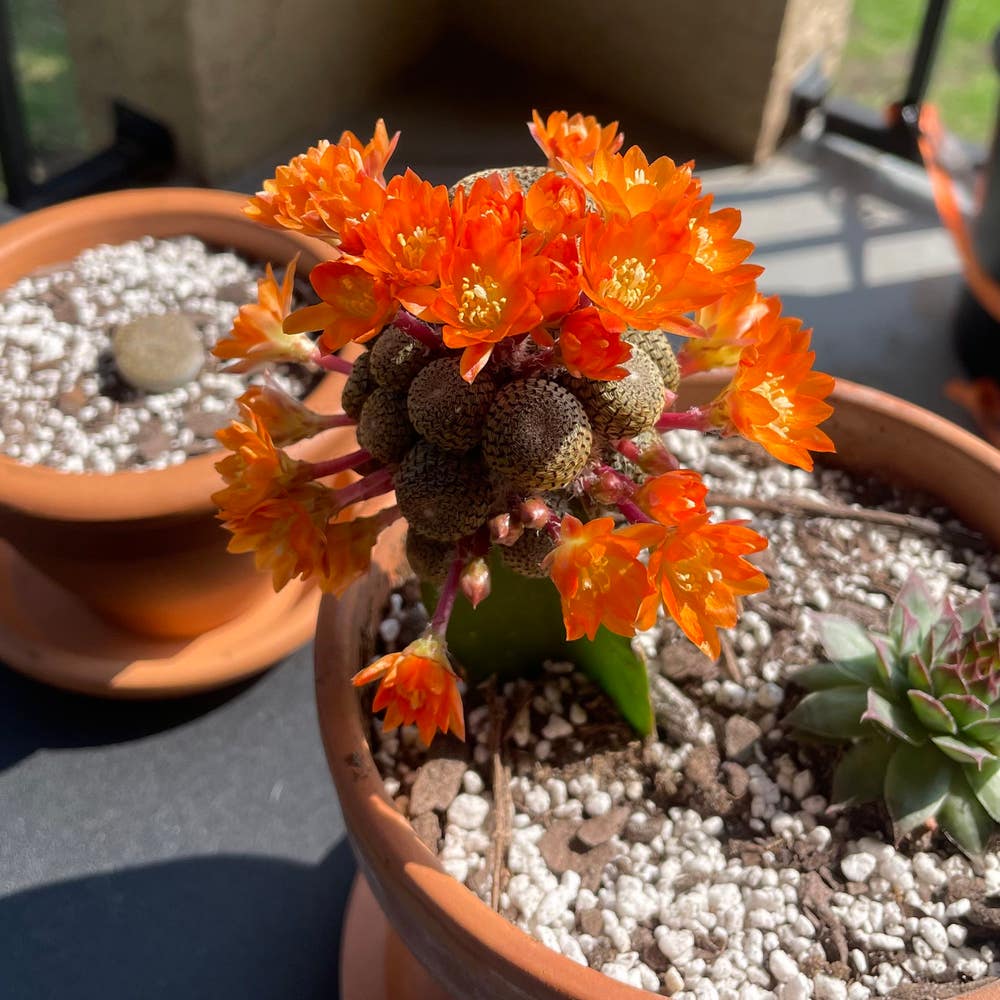
Rebutia canigueralii
By the Greg Editorial Team
Jun 18, 2024•5 min read
This article was created with the help of AI so we can cover more plants for you. May contain errors. See one? Report it here.
Banish bugs 🐛 and protect your Rebutia canigueralii with expert pest-fighting tips! 🌵
- Spot pests early: Look for webbing, bumps, or white fluff on your Rebutia.
- Effective treatments: Use alcohol-soap mix, horticultural oil, or nematodes.
- Prevent infestations: Quarantine new plants and let soil dry between waterings.
Spider Mite Showdown
👀 Spotting the Culprits
Webbing on your Rebutia canigueralii is a dead giveaway for spider mites. These pests leave behind silken threads, akin to miniature cobwebs, particularly under leaves. You might also notice yellow or white speckles on the foliage, a sign of their feeding frenzy. To catch them red-handed, use a magnifying glass and look for tiny, moving dots – these are the mites themselves.
🦠 Kicking Spider Mites to the Curb
Isolation is key; separate your infected Rebutia canigueralii to prevent the mites from spreading. For treatment, mix isopropyl alcohol and soap and spray thoroughly. This concoction should be applied multiple times a week to be effective. In the case of severe infestations, miticides may be necessary, but always opt for the least toxic option. Remember, prevention is better than cure – maintain high humidity and cleanliness to deter future mite meetups.

Scale Scuffle
🐞 Unmasking the Invaders
Scale insects are tiny freeloaders that can easily be mistaken for harmless bumps or part of the plant's natural texture. They come in shades of brown or black, with a tough shell-like covering that makes them look like miniature turtles stuck to your Rebutia canigueralii. These pests are sap-suckers, draining the life from your plant and sometimes secreting sticky honeydew, which leads to sooty mold or ant parties.
Their impact on plant health is not to be underestimated. A heavy infestation can lead to leaf drop, stunted growth, and in severe cases, plant demise. It's a slow and silent siege that can go unnoticed until your plant starts showing signs of distress.
🛡️ Winning the Battle Against Scale
💪 Tried-and-true Removal Techniques
To evict these tiny tenants, start with the manual method: don a pair of gloves and gently scrape them off with a toothpick or a soft brush. For a more satisfying clean-up, dab them with a cotton swab soaked in rubbing alcohol. This not only removes the scales but also disinfects the area, preventing a resurgence.
For a more stubborn situation, horticultural oil is your best friend. It's like throwing a blanket over the scales, suffocating them without harming your plant. Apply it thoroughly, ensuring you reach into all the nooks and crannies where these pests love to hide.
🛡️ Preventing a Scale Comeback
Prevention is your plant's best armor. Quarantine new plants to avoid an undercover scale invasion. Regularly inspect your Rebutia canigueralii for any signs of scale; early detection is key. Introducing natural predators like ladybugs can be an eco-friendly way to keep the scale population in check.
Remember, a healthy plant is less likely to succumb to pests. Keep your Rebutia canigueralii strong with proper watering, lighting, and feeding. Stay vigilant, and your cactus will stand tall, free from the clutches of scale insects.

Fungus Gnat Fiasco
🦟 Detecting the Fliers
Fungus gnats and fruit flies are not the same pests, and telling them apart is crucial. Fungus gnats are attracted to moist soil and have a tendency to hover around plant bases, while fruit flies prefer fermenting fruits and are slightly larger. Look for the adult gnats' erratic flight near the soil or their larvae's shiny black heads in the soil.
🐜 Signs of an Infestation in the Soil
An infestation is likely if you spot tiny black flies flitting around or if disturbing the soil causes a cloud of gnats to emerge. Larvae leave slimy trails on leaves, similar to snail paths, and can be found in the top layer of soil, feasting on organic matter.
🪰 Grounding the Gnats
Yellow sticky traps are your go-to for capturing adult gnats. For the larvae, drying out the soil between waterings is a simple yet effective deterrent. Introduce beneficial nematodes or predatory mites to target the larvae, or apply a hydrogen peroxide solution to the soil to eliminate both larvae and eggs.
🌱 Soil Care Tips to Deter Future Infestations
Prevent future invasions by letting the soil dry out before watering again. Keep an eye on the moisture levels and clean up any decaying plant matter promptly. Regularly inspect new plants for signs of gnats before introducing them to your space.

Mealybug Menace
🐛 Finding the Fluff
Spotting mealybugs early is key to saving your Rebutia canigueralii. Look for white, cottony substances in leaf crevices or under leaves. These pests are stealthy, but their residue is a dead giveaway.
Yellowing leaves or unexplained plant decline? Check for these fluffy invaders. They're not just unsightly; they're harmful, sucking sap and vitality from your beloved cactus.
🚫 Eradicating Mealybugs
Physical removal is your first line of defense. Wipe them away with a damp cloth or an alcohol-soaked cotton swab. It's a hands-on approach, but it's effective.
For a broader attack, insecticidal soaps or neem oil are your allies. These treatments need to be regular to keep the mealybugs from rebounding. Remember, it's a battle of persistence.
Prevention is crucial. Quarantine new plants and maintain plant hygiene to make your Rebutia canigueralii less inviting. Introduce natural predators like ladybugs to keep these pests in check.
Stay vigilant post-treatment. Missed mealybugs can quickly lead to a resurgence. Regular checks are essential to catch any stragglers before they can regroup.
⚠️ Safety First
This content is for general information and may contain errors, omissions, or outdated details. It is not medical, veterinary advice, or an endorsement of therapeutic claims.
Always consult a qualified healthcare professional before using any plant as food, medicine, or supplement.
Never eat any plant (or feed one to pets) without confirming its identity with at least two trusted sources.
If you suspect poisoning, call Poison Control (800) 222-1222, the Pet Poison Helpline (800) 213-6680, or your local emergency service immediately.
Spotted an error? Please report it here.
Eradicate pests and safeguard your Rebutia canigueralii with smart care routines, while Greg 🛡️ tracks your plant's health to prevent future infestations.