🌵 Rebutia Is Not Considered a Weed
Rebutia canigueralii
By the Greg Editorial Team
Sep 30, 2024•6 min read
This article was created with the help of AI so we can cover more plants for you. May contain errors. See one? Report it here.
Elevate your garden's beauty 🌼 and biodiversity with Rebutia, the sustainable cactus that attracts pollinators effortlessly!
- 🌱 Rebutia grows slowly, making it manageable and non-invasive in gardens.
- 🐝 Attracts pollinators with vibrant blooms, enhancing biodiversity in your garden.
- 🌞 Thrives in various light and soil conditions, perfect for sustainable gardening.
Plant Classification
Definition of Invasive Species 🌱
Invasive species are plants that exhibit certain aggressive traits. They typically grow rapidly, spread quickly, and outcompete native flora, leading to negative impacts on local ecosystems.
These plants can disrupt food chains and alter habitats, making it crucial to identify and manage them effectively. Understanding these characteristics helps differentiate between harmful invasives and beneficial plants.
Characteristics that Differentiate Rebutia from Invasive Plants 🌼
Rebutia stands out due to its slow growth rate and limited spread potential. Unlike invasive species, it grows only about 1-2 inches per year, making it manageable in garden settings.
Its clumping growth habit allows it to form dense clusters, which can be easily controlled. Additionally, Rebutia contributes positively to biodiversity, attracting pollinators with its vibrant flowers, enhancing the overall health of the garden ecosystem.
This unique combination of traits makes Rebutia a valuable addition to any garden, rather than a threat to local flora. As we explore its growth habits next, we'll see how these characteristics play a role in its overall ecological impact.
Growth Habits
Typical Growth Patterns of Rebutia 🌱
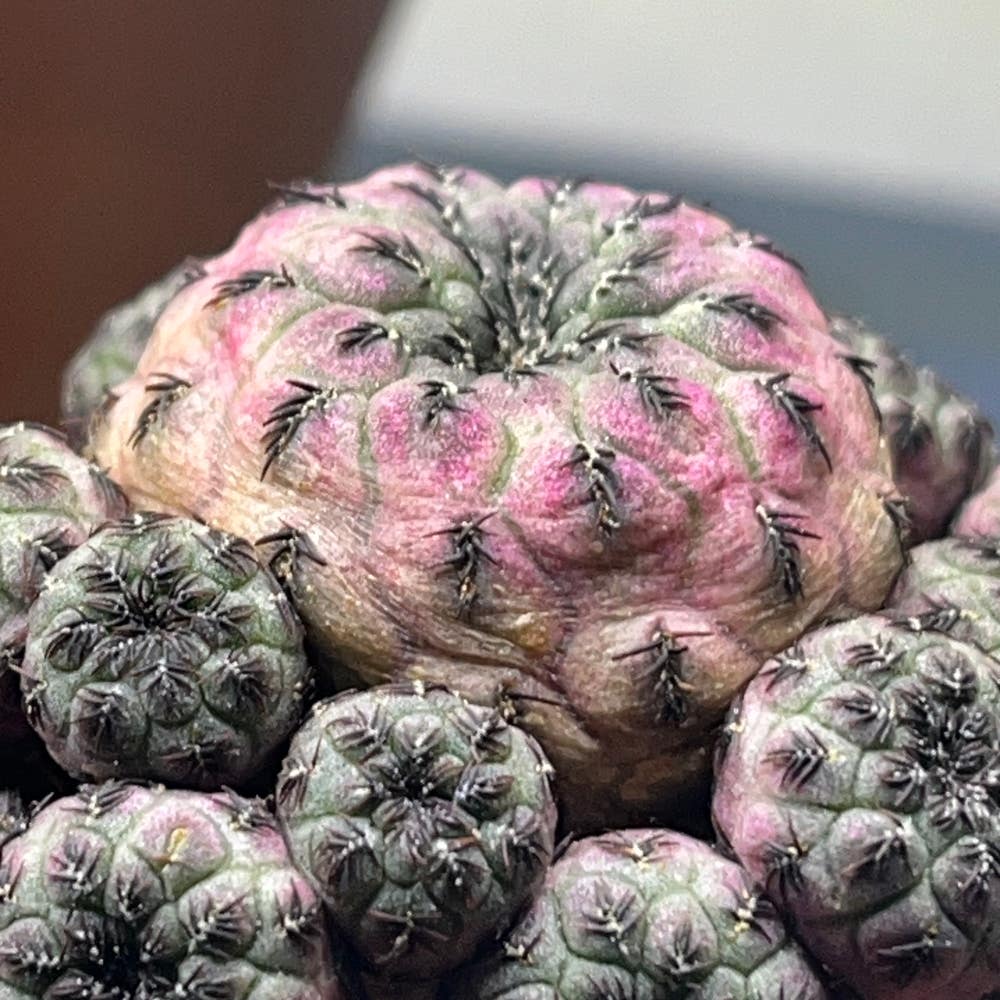
Rebutia showcases a charming small, globular shape that makes it a standout in any garden. Its clumping behavior allows it to form dense clusters over time, creating a visually appealing display.
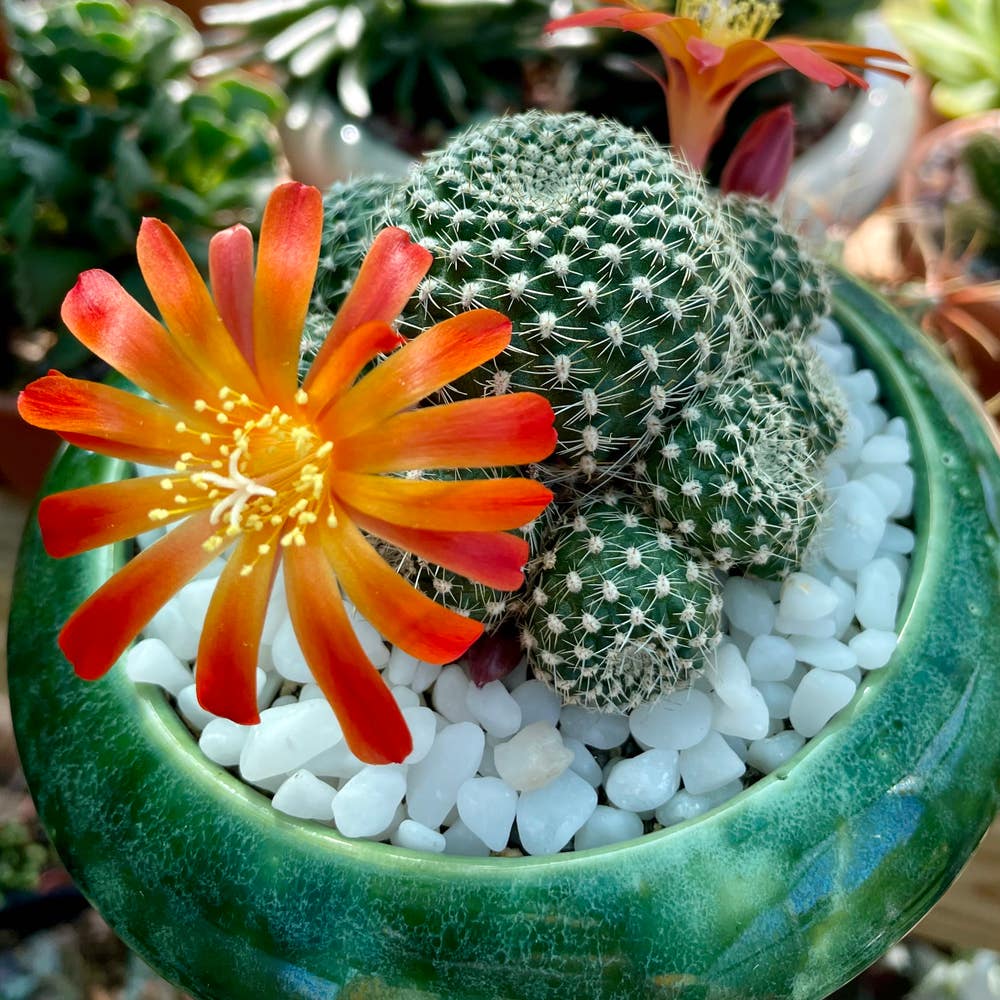
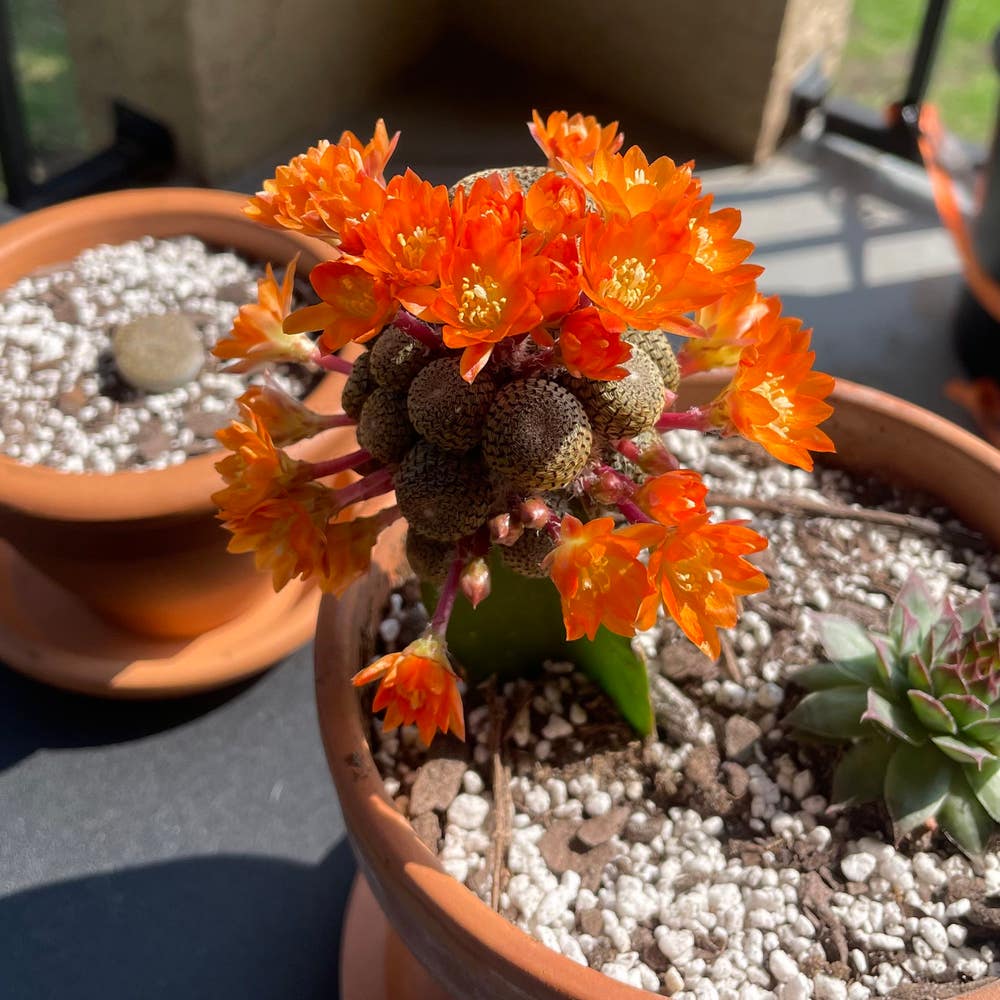
The vibrant blooms of Rebutia are a highlight, enhancing garden aesthetics with their striking colors. These flowers not only beautify the space but also attract pollinators, adding life to your garden.
Natural Limits to Rebutia's Growth and Spread Potential 🚧
Rebutia grows slowly, typically reaching just 1-2 inches per year. This slow growth rate means it won’t take over your garden, making it a manageable choice for enthusiasts.
It thrives in well-draining soil and can adapt to various light conditions, from full sun to partial shade. This versatility allows it to fit seamlessly into different garden designs.
Additionally, Rebutia is resilient in arid conditions, making it an excellent candidate for xeriscaping. Its low water requirements contribute to sustainable gardening practices, ensuring a thriving garden with minimal effort.
As we explore the ecological role of Rebutia, we’ll see how it benefits both gardens and local wildlife.
Ecological Role
Benefits of Rebutia in Gardens and Ecosystems 🌼
Rebutia cacti are not just pretty faces; they play a vital role in enhancing biodiversity. By attracting pollinators like bees and butterflies, these plants contribute significantly to the health of local ecosystems.
In addition to their pollinator appeal, Rebutia provides essential habitat and food sources for various wildlife. This makes them a valuable addition to any garden, supporting a thriving ecosystem right in your backyard.
Positive Interactions with Local Wildlife and Other Plants 🐦
Rebutia thrives alongside other drought-tolerant plants, making it a perfect fit for xeriscape designs. Its compatibility with these plants creates a harmonious garden environment that conserves water and supports diverse plant life.
Moreover, Rebutia's minimal water requirements help maintain soil health. This resilience not only benefits the plants themselves but also fosters a sustainable ecosystem that can withstand arid conditions.
Incorporating Rebutia into your garden isn't just about aesthetics; it's about creating a vibrant, interconnected environment that supports both wildlife and plant health. As we explore further, we'll look at how to effectively manage and incorporate Rebutia into your garden designs.
Garden Management
Effective Incorporation of Rebutia into Garden Designs 🌼
Rebutia thrives in various garden settings, making it a versatile choice for enthusiasts. Ideal locations include rock gardens, container gardens, and borders, where its unique shape and vibrant blooms can shine.
Companion planting is another effective strategy. Pairing Rebutia with other non-invasive plants not only enhances aesthetic appeal but also promotes a harmonious garden ecosystem.
Considerations for Controlling Rebutia's Growth ✂️
While Rebutia is manageable, some attention is needed to maintain its shape and size. Simple pruning techniques can help keep your plants looking their best, ensuring they don’t overtake their designated space.
Regular monitoring is crucial to prevent overcrowding. Keeping an eye on growth patterns will help maintain a balanced garden, allowing Rebutia to flourish without overwhelming its neighbors.
Incorporating Rebutia into your garden can be a rewarding experience. Its beauty and low-maintenance nature make it a fantastic choice for both novice and experienced gardeners alike.
Comparison to Other Plants
Comparison with Similar Non-Invasive Plants 🌵
When considering non-invasive cacti and succulents, Rebutia stands out alongside other favorites like Echinopsis and Mammillaria. Each of these plants has unique growth habits, flower colors, and care requirements that cater to diverse gardening styles.
Echinopsis, for instance, typically grows taller and features larger blooms, while Mammillaria often showcases a more sprawling growth pattern. In contrast, Rebutia maintains a compact, globular shape, making it perfect for smaller spaces or container gardens.
Unique Qualities and Benefits of Rebutia in Garden Settings 🌼
Rebutia is celebrated for its vibrant flowers, particularly varieties like Rebutia muscula and Rebutia fiebrigii. These plants produce stunning blooms in shades of red, orange, and yellow, adding a pop of color to any garden.
Moreover, Rebutia's resilience in low-water gardens is a significant advantage. Unlike some other plants that may struggle in arid conditions, Rebutia thrives, making it an excellent choice for xeriscaping. This adaptability not only conserves water but also supports sustainable gardening practices.
In summary, Rebutia's unique characteristics and benefits make it a valuable addition to any garden, especially when compared to other non-invasive options. As we explore its ecological role next, we’ll see how it contributes positively to local ecosystems.
Legal and Environmental Considerations
🌱 Relevant Classifications and Guidelines for Rebutia
When considering planting Rebutia, it's essential to check local regulations. Some regions may have specific guidelines to ensure that non-invasive plants like Rebutia are encouraged while preventing the spread of more aggressive species.
Sourcing your Rebutia from reputable nurseries is crucial. This practice not only supports local businesses but also helps avoid introducing potentially harmful plants into your garden.
🌍 Role of Rebutia in Sustainable Gardening Practices
Rebutia shines in low-water gardening and xeriscaping. Its ability to thrive in arid conditions makes it an excellent choice for sustainable landscapes that conserve water.
Using native or non-invasive plants like Rebutia promotes healthier ecosystems. These plants support local wildlife and contribute to biodiversity, making your garden a vibrant part of the environment.
Incorporating Rebutia into your garden not only beautifies your space but also aligns with eco-friendly practices. As you cultivate these resilient plants, you’re playing a role in fostering a sustainable future.
This commitment to sustainable gardening naturally leads us to explore how to effectively incorporate Rebutia into your garden designs.
⚠️ Safety First
This content is for general information and may contain errors, omissions, or outdated details. It is not medical, veterinary advice, or an endorsement of therapeutic claims.
Always consult a qualified healthcare professional before using any plant as food, medicine, or supplement.
Never eat any plant (or feed one to pets) without confirming its identity with at least two trusted sources.
If you suspect poisoning, call Poison Control (800) 222-1222, the Pet Poison Helpline (800) 213-6680, or your local emergency service immediately.
Spotted an error? Please report it here.
Transform your garden with Rebutia's vibrant blooms 🌼 while Greg provides tailored care tips to help this resilient cactus flourish in your unique space!