Black Spots on My Rebutia canigueralii Leaves
Rebutia canigueralii
By the Greg Editorial Team
Jun 18, 2024•4 min read
This article was created with the help of AI so we can cover more plants for you. May contain errors. See one? Report it here.
Banish black spots 🌑 on your Rebutia canigueralii with essential, easy care tips! 🌵
- Adjust watering and sunlight to prevent black spots on Rebutia canigueralii.
- Fungal infections cause spots; use fungicides and clean practices.
- Consistent care and vigilance keep your Rebutia spot-free.
Spotting the Culprit: Recognizing Black Spots
🕵️ Visual Symptoms
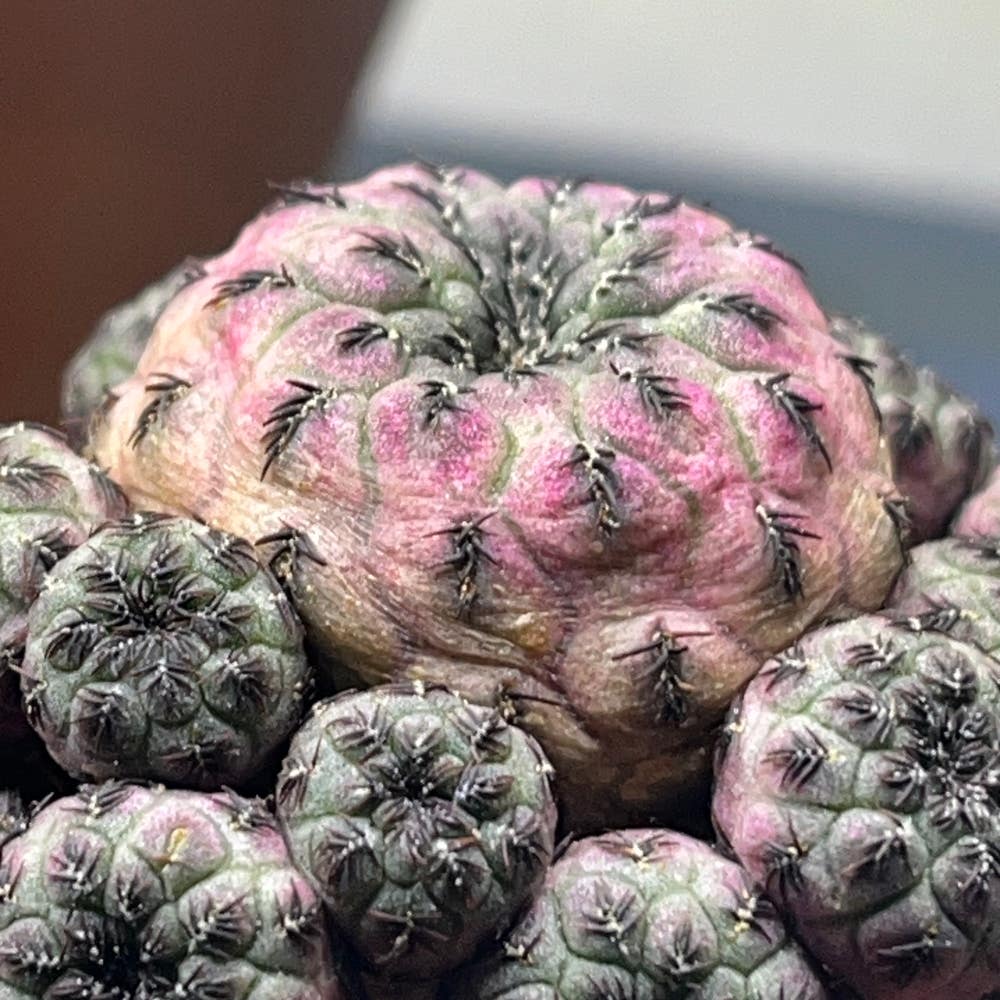
Black spots on Rebutia canigueralii leaves are impossible to ignore. They appear as dark, distinct lesions, often surrounded by a lighter halo, contrasting sharply with the plant's greenery. Size-wise, they can be as small as pinpricks but have the potential to expand into larger, more ominous blotches.
Accompanying Signs
Beyond the spots, look for yellowing leaves or a general decline in plant vigor. These symptoms suggest that the black spots are more than a mere cosmetic issue; they're a red flag signaling potential health problems for your Rebutia. Keep an eye out for any changes in leaf texture or color, as these can provide clues about the underlying cause.

Rooting Out the Causes
💧 Too Much Love: Overwatering Woes
Overwatering is the silent killer of Rebutia canigueralii. It's like drowning your plant's roots in a pool of misguided affection. Consistently wet soil is a red flag; it's time to cut back on the H2O.
🌞 Sun Kiss or Sunburn?
Your Rebutia loves the sun, but too much can lead to a solar sizzle. Black spots from sunburn often show up on the most exposed parts of the leaves. It's a clear sign that your plant needs a break from the intense rays.
🍄 Fungal Foes
Fungi are the uninvited guests at the plant party. A soil that's too moist from overwatering is their favorite dance floor. Septoria and other fungi can leave their mark with distinctive patterns on your Rebutia's leaves.

First Aid for Your Rebutia
💧 Drying Out: Watering Adjustments
Overwatering is like throwing a pool party for your Rebutia canigueralii when it just wanted a quiet night in. To combat black spots, let the soil become as dry as a stand-up comedian's wit before watering again. Stick your finger into the soil; if the top inch feels like a desert, it's time to water. Ensure your pot has drainage fit for a colander to prevent soggy soil scenarios.
🌥️ Shady Solutions: Managing Sun Exposure
Your Rebutia loves the sun, but too much can lead to a sunburned fiasco. If black spots are from too much light, transition your cactus to a spot with bright, indirect light. It's like giving it sunglasses. Gradually reintroduce it to more light, but avoid the midday glare like you'd avoid spoilers for your favorite show.
🦠 Fungicide to the Rescue
When fungi decide to crash your Rebutia's party, it's time for fungicides. But use them like you're handling a rare vinyl record – with care. Follow the instructions to the letter, because when it comes to chemicals, less is often more. Apply fungicides only when necessary, and remember, keeping your plant's environment clean is like keeping your inbox spam-free – it prevents problems before they start.

Keeping Black Spots at Bay
💧 Consistent Care: Watering and Sunlight Best Practices
Consistency is the backbone of Rebutia canigueralii care. Watering should be a ritual, not a reflex. Ensure the soil is parched before you give it a drink. Overwatering is an invitation for black spots to crash your cactus party.
Sunlight is a balancing act. Your Rebutia craves those rays but despises sunburn. Find that sweet spot where it basks without baking. Rotate your plant for even sun exposure, preventing the same side from always taking the brunt.
🧼 Clean and Quarantine: Preventing Fungal Spread
Hygiene is not just for hands. Sterilize your tools before and after you play doctor with your Rebutia. It's like preventing the flu – no one wants those spores going viral.
Quarantine new plants as if they're the new kid on the block with a notorious reputation. Give them time to prove they're not harboring fungal fugitives before introducing them to the rest of your plant collection. Three weeks should do the trick.
Keep your Rebutia's environment as tidy as a minimalist's living room. Debris is a fungi's playground. Clear out the old, so your plant stays gold.
Remember, the best defense is a good offense. Stay vigilant, and those black spots won't stand a chance.
⚠️ Safety First
This content is for general information and may contain errors, omissions, or outdated details. It is not medical, veterinary advice, or an endorsement of therapeutic claims.
Always consult a qualified healthcare professional before using any plant as food, medicine, or supplement.
Never eat any plant (or feed one to pets) without confirming its identity with at least two trusted sources.
If you suspect poisoning, call Poison Control (800) 222-1222, the Pet Poison Helpline (800) 213-6680, or your local emergency service immediately.
Spotted an error? Please report it here.
Eradicate black spots 🛡️ on your Rebutia canigueralii by letting Greg craft a custom defense with tailored watering and sunlight plans.