Ultimate Guide to Indoor Rebutia Care 🌵
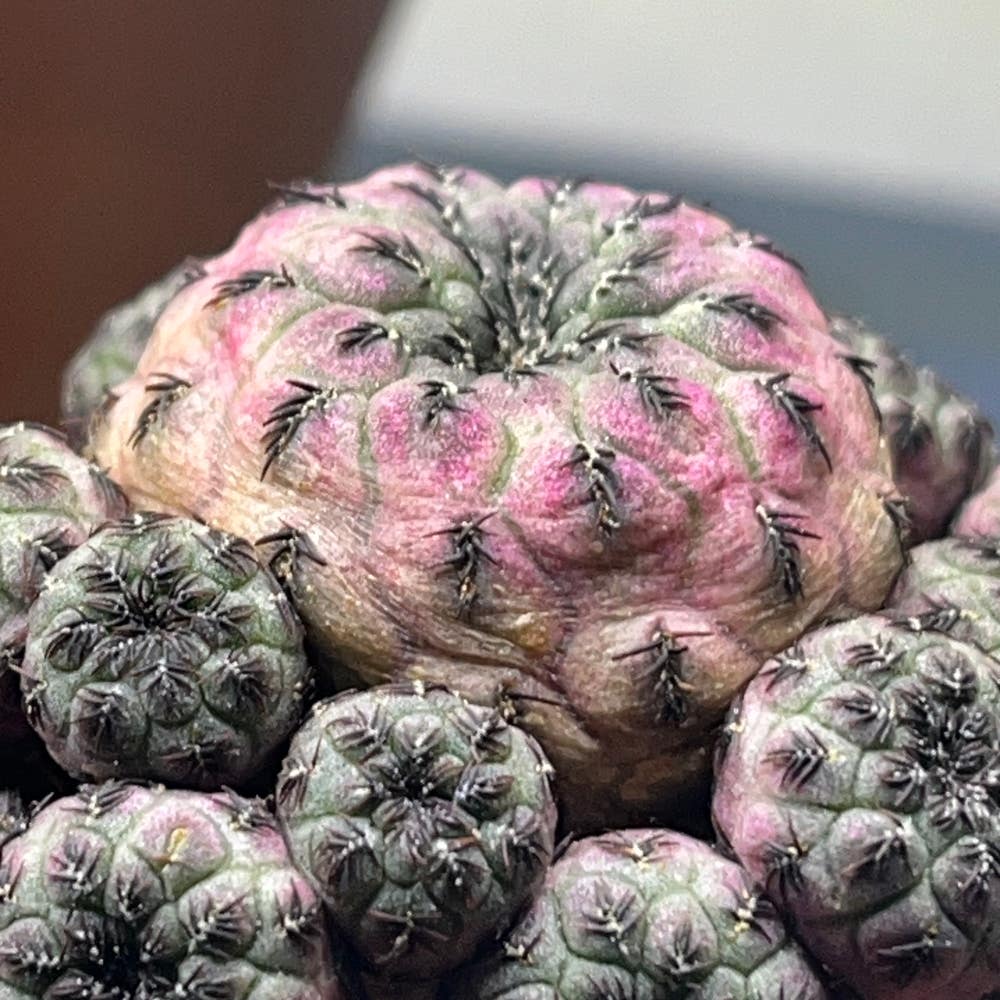
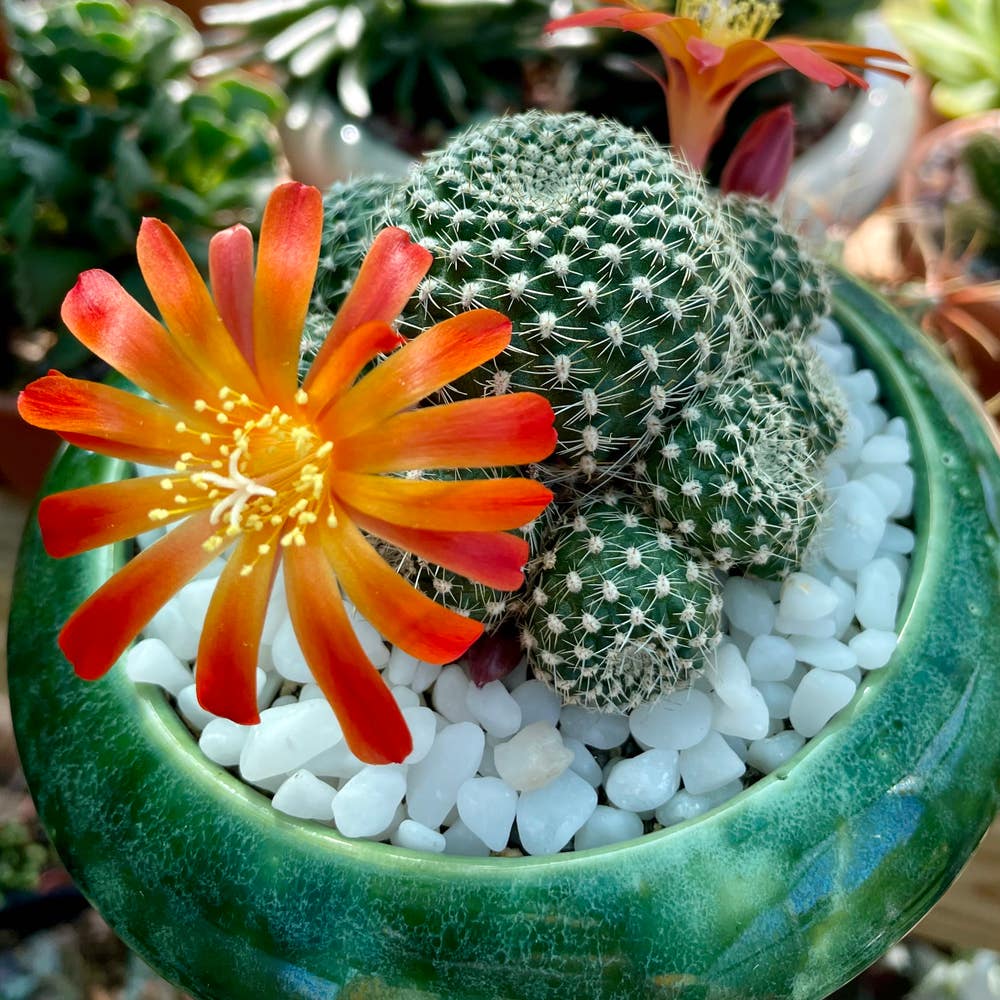
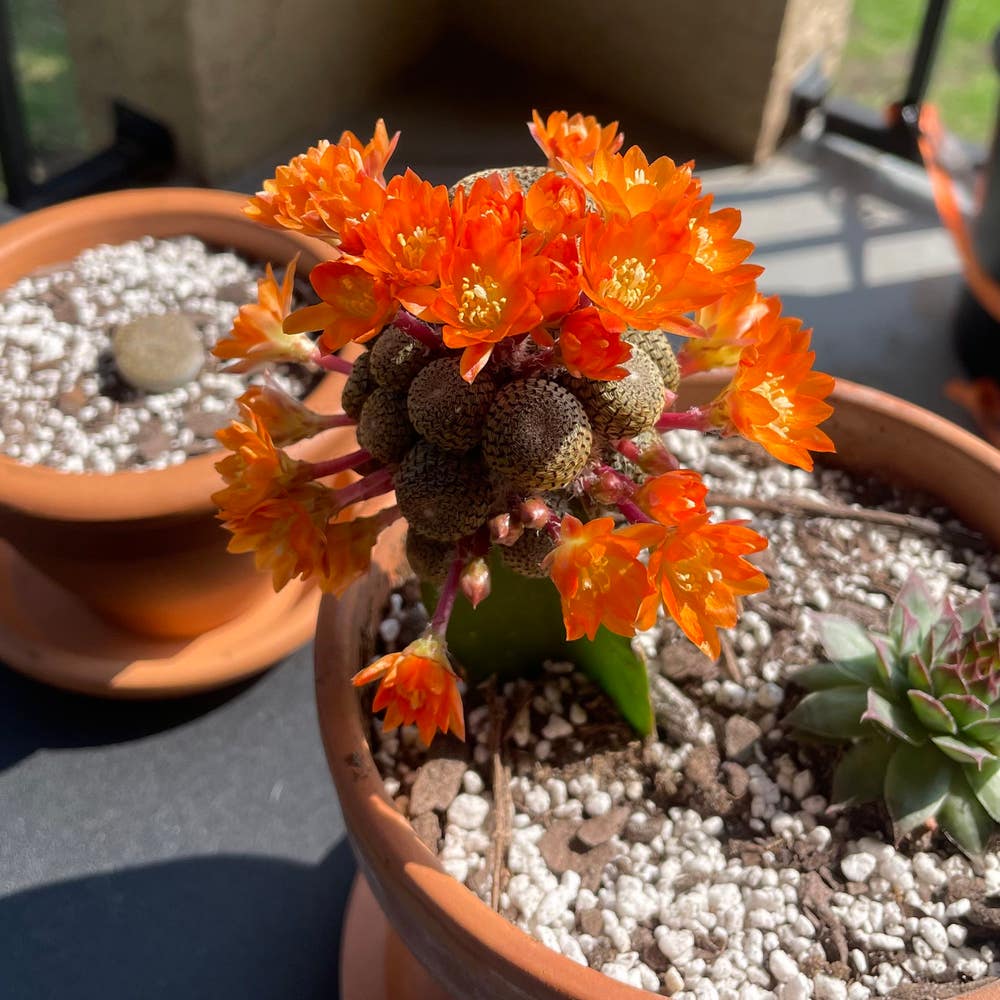
Rebutia canigueralii
By the Greg Editorial Team
Sep 30, 2024•5 min read
This article was created with the help of AI so we can cover more plants for you. May contain errors. See one? Report it here.
Elevate your indoor garden 🌵 with essential care tips to keep your Rebutia cactus thriving and vibrant!
- 🌞 Bright, indirect light is crucial for Rebutia to thrive and bloom beautifully.
- 💧 Water every 2-4 weeks using the soak and dry method to prevent root rot.
- 🌿 Repot every 2-3 years to promote healthy growth and avoid root binding.
General Care for Indoor Rebutia
🌞 Light Requirements
Indoor Rebutia thrives in bright, indirect light. While it can tolerate lower light levels, this may hinder its blooming potential.
💡 Role of Grow Lights
Grow lights play a crucial role in maintaining healthy Rebutia indoors. They provide essential light during low-light seasons, ensuring your cactus continues to flourish.
🔍 Choosing the Best Grow Light
When selecting grow lights, consider LED and fluorescent options. LEDs are energy-efficient, while fluorescent lights are budget-friendly; aim for around 20-40 watts for optimal growth.
🚰 Watering Needs
Rebutia requires watering every 2-4 weeks, depending on the season. Use the soak and dry technique to prevent root rot.
⚠️ Signs of Overwatering and Underwatering
Watch for yellowing and mushy stems as signs of overwatering. Conversely, if your Rebutia appears wrinkled and shriveled, it may be underwatered.
🌬️ Humidity and Temperature
Rebutia prefers low humidity levels, ideally between 30-50%. If necessary, use humidity trays to maintain this range.
🌡️ Temperature Preferences and Seasonal Adjustments
The optimal temperature for Rebutia is between 20°C to 25°C (68°F to 77°F). In winter, adjust to cooler temperatures to mimic its natural habitat.
🪴 Soil and Potting
For potting, a well-draining cactus mix is best. Alternatively, create a homemade mix with equal parts potting soil, sand, and perlite.
🔄 Repotting Tips and Techniques
Repot every 2-3 years or when root-bound. Gently remove the plant, inspect the roots, and place it in fresh soil to promote healthy growth.
🌱 Fertilization
Use a balanced cactus fertilizer with an NPK ratio of 10-10-10. Feed your Rebutia monthly during the growing season, which spans spring and summer.
With these care guidelines, your indoor Rebutia will thrive, bringing a touch of desert beauty to your home. Next, let’s explore common issues and solutions to keep your cactus in top shape.
Common Issues and Solutions
🐛 Pests and Diseases
Indoor Rebutia can face a few common pests, including mealybugs, spider mites, and scale. These pests can weaken your plant, so it's crucial to keep an eye out for any signs of infestation.
Pest Prevention Strategies
Regular inspections and cleaning are your first lines of defense. Wiping down leaves and checking for pests can help catch issues early.
Using neem oil or insecticidal soap can also deter pests effectively. These natural solutions are gentle on your plant while being tough on unwanted visitors.
Treatment Options for Infestations
If you do spot pests, manual removal is often the simplest solution. For larger infestations, consider insecticidal treatments or even quarantining affected plants to prevent spreading.
🌡️ Environmental Stress
Rebutia can show signs of stress, such as wilting, discoloration, and stunted growth. These symptoms often indicate that something in their environment needs adjusting.
Solutions for Humidity and Temperature Issues
To combat humidity and temperature problems, start by adjusting your plant's placement. Using humidity trays can also help maintain the ideal moisture levels.
Monitoring temperature is essential, especially during seasonal changes. Keeping your Rebutia in a stable environment will promote healthier growth.
✂️ Maintenance and Appearance
Pruning and grooming are vital for keeping your Rebutia looking its best. Regularly removing dead flowers and stems can encourage new growth and enhance its appearance.
How to Maintain a Healthy Appearance
Cleaning leaves and pots should be part of your routine. This not only keeps your plant looking sharp but also ensures it receives adequate light and airflow.
Ensuring proper light and watering conditions will go a long way in maintaining a vibrant Rebutia. With a little care, your plant will thrive and bring joy to your indoor space.
As we move on, let's explore the best placement options for your Rebutia to maximize its beauty and health.
Placement and Aesthetics
Best Locations for Rebutia in the Home 🌞
Finding the right spot for your Rebutia is crucial for its health. Ideally, place it near windows that offer bright, indirect light to keep it thriving.
Avoid areas with drafts or direct sunlight, as these can stress the plant and hinder its growth. A little thought in placement can make a big difference!
Tips for Displaying Rebutia as Part of Home Decor 🪴
Rebutia can be a stunning addition to your home decor. Grouping it with other indoor plants not only creates visual interest but also enhances the overall aesthetic.
Consider using decorative pots that complement your home’s style. This small touch can elevate your plant display from ordinary to extraordinary.
Seasonal Considerations for Placement 🍂
As seasons change, so should your Rebutia's location. In winter, adjust its placement to ensure it receives optimal light, especially if natural light diminishes.
Rotating your plants regularly helps promote even growth and ensures all sides get their fair share of sunlight. A little rotation goes a long way in keeping your Rebutia healthy and vibrant!
With the right placement and care, your Rebutia will not only thrive but also become a beautiful focal point in your home. Now, let’s dive into common issues and solutions to keep your plant in top shape!
⚠️ Safety First
This content is for general information and may contain errors, omissions, or outdated details. It is not medical, veterinary advice, or an endorsement of therapeutic claims.
Always consult a qualified healthcare professional before using any plant as food, medicine, or supplement.
Never eat any plant (or feed one to pets) without confirming its identity with at least two trusted sources.
If you suspect poisoning, call Poison Control (800) 222-1222, the Pet Poison Helpline (800) 213-6680, or your local emergency service immediately.
Spotted an error? Please report it here.
Cultivate a blooming Rebutia 🌼 with Greg's tailored watering reminders and light tips, ensuring your cactus thrives beautifully in your home!