Year-Round Light Requirements For My Rebutia canigueralii
Rebutia canigueralii
By the Greg Editorial Team
Jun 18, 2024•4 min read
This article was created with the help of AI so we can cover more plants for you. May contain errors. See one? Report it here.
Ensure your Rebutia canigueralii thrives with this guide to optimal lighting—no matter the season. 🌵⏳
- South-facing windows are best; use sheer curtains for harsh light.
- Transition outdoors with care, starting with indirect light.
- Grow lights supplement winter sun, LED and fluorescent are ideal.
Soaking Up the Sun Indoors: Finding the Sweet Spot
🌞 Window Wisdom: Best Indoor Spots for Your Rebutia
South-facing windows are the gold standard for your Rebutia canigueralii, delivering consistent, bright light. If you're in the northern hemisphere, this is your cactus's happy place. West-facing windows can work too, but they might serve up a stronger cocktail of afternoon sun—use with caution. East-facing spots offer a gentler morning glow, while north-facing windows are the underdogs, providing a more subtle light diet.
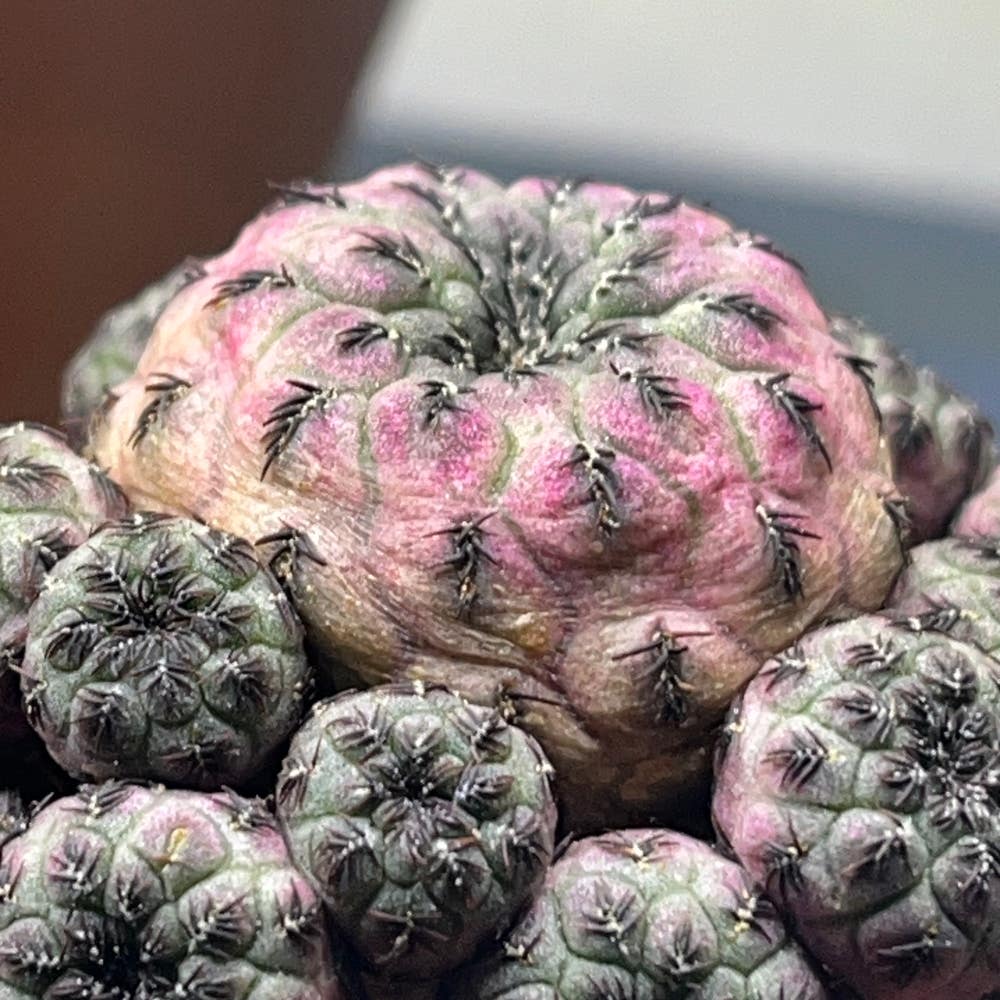
To keep tabs on light levels, use your eyes: the plant's color and growth patterns won't lie. If your Rebutia starts stretching or fading, it's craving more light. Conversely, signs of sun stress—think faded or crispy leaves—mean it's time to dial it back. Consider a light meter if you're into gadgets, or just use sheer curtains to tweak the light recipe.
🛡️ When the Sun's Too Strong: Protecting Your Cactus
Even sun lovers can get too much of a good thing. If your Rebutia is sporting a sunburn—brown spots or a bleached look—it's time for some shade. Sheer curtains are your go-to for softening harsh rays without plunging your plant into darkness. Think of them as sunscreen for your spiky friend.
If your cactus is baking in a hot window, play musical chairs and move it back from the glass or to a less intense spot. Remember, the sun's angle changes with the seasons, so a perfect summer spot might be a winter inferno. Stay vigilant and adjust as needed—your Rebutia's vibrant green depends on it.

Outdoor Oasis: Balancing Sun and Shade
🌞 Transitioning to the Great Outdoors
Moving your Rebutia canigueralii outdoors requires a gentle approach. Begin by placing it in bright, indirect light to avoid shock. Gradually increase exposure to direct sunlight over a period of several days. Morning sun is ideal, offering less intense rays. As the day progresses, ensure your cactus is protected from the harsher afternoon sun.
🏖 Creating a Shady Retreat
During peak sun hours, your Rebutia canigueralii will appreciate some respite. Shade cloth can be a cactus lifesaver, filtering out excessive light and heat. Alternatively, position your plant beneath taller vegetation for natural dappled shade. Remember, the goal is to mimic the cactus's natural environment, which balances sun exposure with cooling shade.

Let There Be Light: The Flower Power Connection
💡 Triggering Blooms with Light
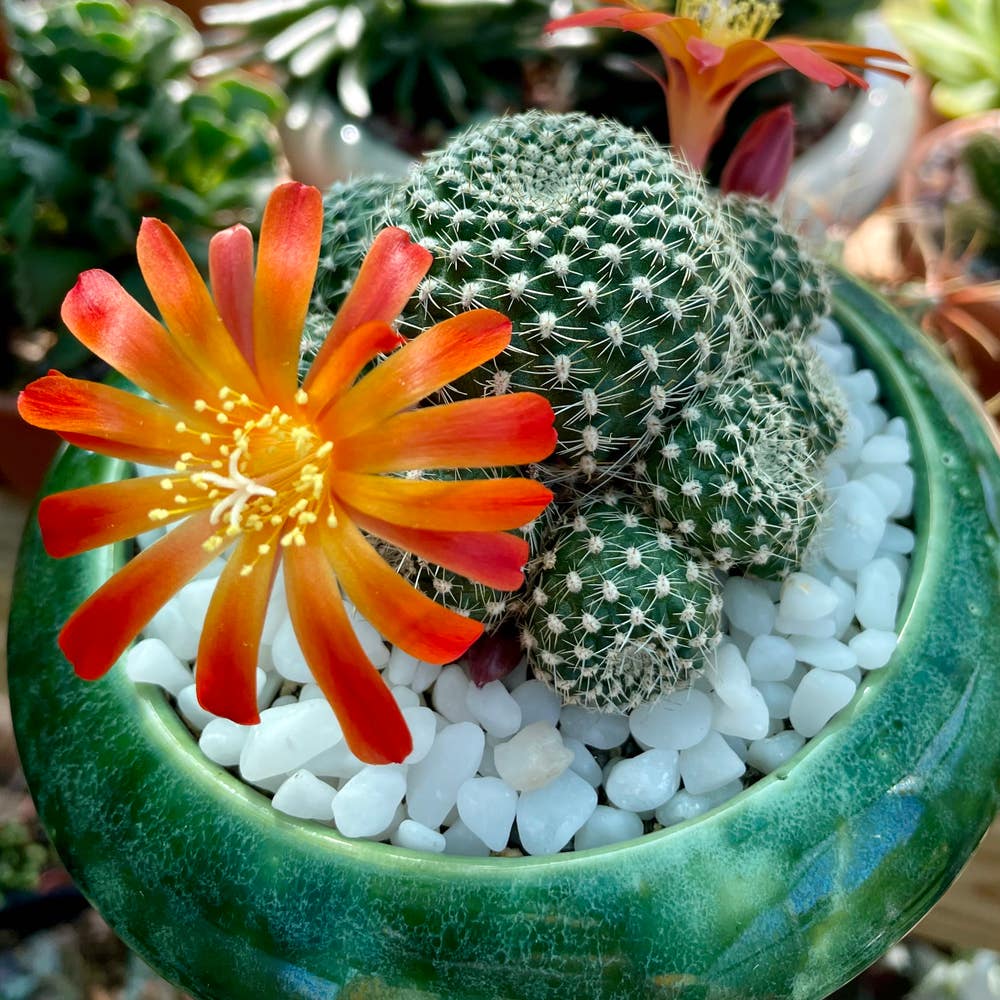
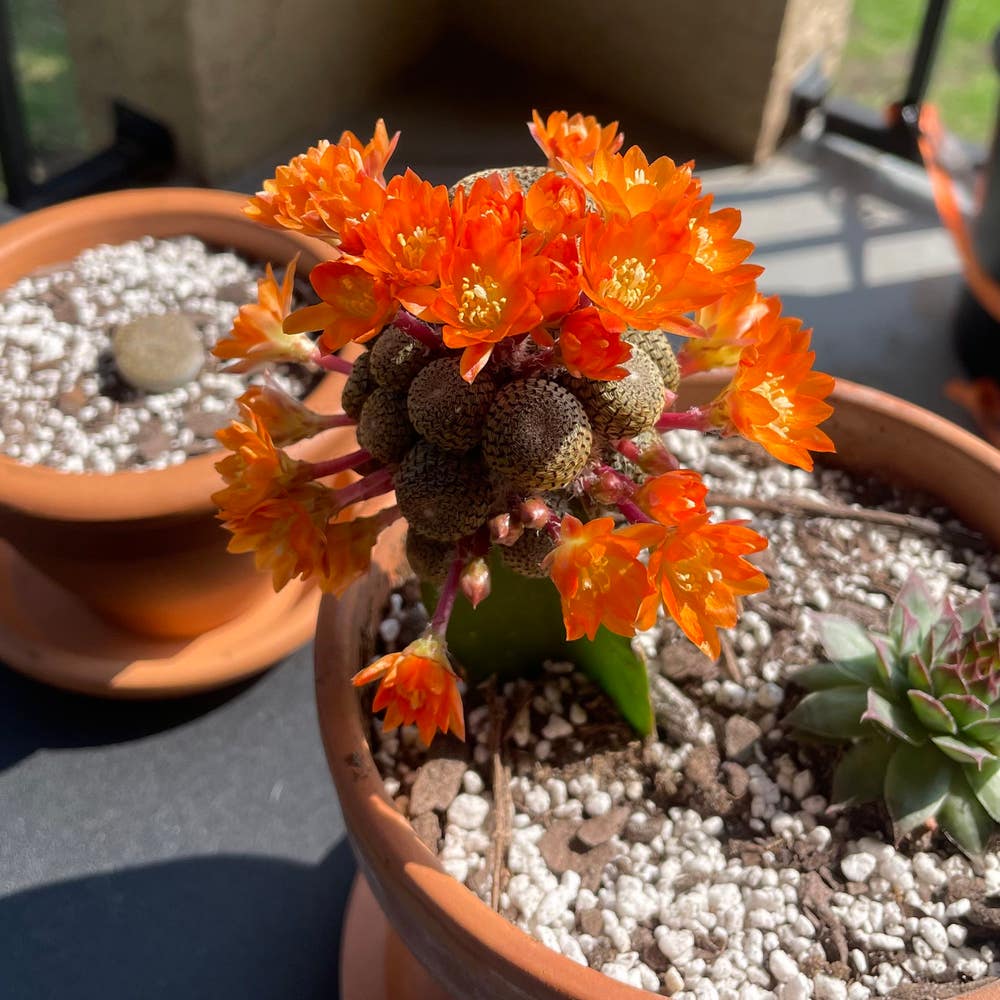
Light intensity and duration are crucial for coaxing Rebutia canigueralii into bloom. These cacti need a precise balance; too little light, and they won't flower, too much, and they risk damage.
🌞 Seasonal Light Changes and Flower Cycles
In winter, light is a scarce commodity. Your Rebutia may need a boost from grow lights to mimic the sun's intensity and keep its internal clock ticking.
Come summer, the sun is out in full force. It's tempting to give your cactus all the light you can, but remember, moderation is key. Bright, indirect light is your Rebutia's best friend during these intense months.
Adjusting light exposure to mirror the seasons tells your Rebutia it's time to put on a floral display. Watch for the signs: a healthy, stress-free cactus is a blooming cactus.

Grow Lights: The Indoor Sun Substitute
💡 Choosing the Right Grow Light
Grow lights are the indoor champions for Rebutia canigueralii, stepping in when the sun takes a day off. LEDs and fluorescent lights are the go-to players. LEDs win for their energy efficiency and cool operation, preventing any cactus cook-offs. Fluorescents, though less modern, won't let you down and are kinder to your wallet. Full-spectrum bulbs? They're your all-in-one, serving up a diverse light menu that caters to your Rebutia's needs.
Positioning is key. Aim for a light source that hovers like a benevolent sun-god above your plant. Too close, and you risk a cactus barbecue; too far, and your plant might as well be in a dimly lit lounge. Timing is everything—mimic the sun's schedule with timers to give your cactus the routine it craves.
📊 Measuring Success: Light Intensity and Plant Response
To measure light, think like a detective. Tools like lux meters or light meter apps can clue you in on whether your grow light is hitting the mark. Observe your Rebutia's behavior—perky and green means you're on point; signs of sunburn or etiolation (stretching), and it's time to adjust.
Monitor growth and flowering as your feedback loop. If your Rebutia is throwing out blooms like it's Mardi Gras, you've nailed it. Lackluster growth? It's a sign to tweak your setup. Remember, your Rebutia is a living barometer for light conditions. Keep an eye out, make changes when needed, and your cactus will thrive in its personal slice of simulated sunshine.
⚠️ Safety First
This content is for general information and may contain errors, omissions, or outdated details. It is not medical, veterinary advice, or an endorsement of therapeutic claims.
Always consult a qualified healthcare professional before using any plant as food, medicine, or supplement.
Never eat any plant (or feed one to pets) without confirming its identity with at least two trusted sources.
If you suspect poisoning, call Poison Control (800) 222-1222, the Pet Poison Helpline (800) 213-6680, or your local emergency service immediately.
Spotted an error? Please report it here.
Ensure your Rebutia canigueralii gets the perfect glow with Greg's PlantVision 🌞, which tailors light schedules to keep your cactus thriving all year.