🌵 How and When Should I Cut Back My Rebutia canigueralii?
Rebutia canigueralii
By the Greg Editorial Team
Jun 18, 2024•5 min read
This article was created with the help of AI so we can cover more plants for you. May contain errors. See one? Report it here.
Trim your cactus 🌵 in spring for a lush, blooming Rebutia canigueralii and bonus baby plants!
- Spring is prime pruning time for Rebutia canigueralii's growth cycle.
- Use sterilized sharp tools for clean cuts and plant health.
- Pruning boosts growth and blooming, and can propagate new plants.
Timing Your Trims: When to Prune
📅 Seasonal Smarts: Best Seasons for Pruning
Pruning your Rebutia canigueralii isn't about following a strict calendar. Spring is your go-to season, aligning with the plant's natural growth cycle. It's like hitting the reset button when the plant is stretching out of its winter slumber, ready to take on the world.
🔄 Growth and Bloom Cycles: Scheduling Around Plant's Life Stages
The Rebutia canigueralii's life stages dictate your pruning schedule. Post-bloom is a no-go; you'd be robbing yourself of next year's floral display. Instead, aim for that sweet spot when the plant is in active growth but hasn't yet put on its yearly show. It's a bit like catching a bear before it hibernates – you want it awake but not busy stocking up on berries.

Snip and Shape: How to Prune Rebutia canigueralii
🛠️ Tools of the Trade: What You'll Need
Sharpness is key. Grab yourself some bypass pruners or micro-tip snips for the small stuff. Sterilize them with rubbing alcohol before you start; think of it as hygiene for plant surgery.
✂️ The Art of the Cut: Techniques for Pruning
Precision matters. Aim to cut just above a node or a pair of leaves. No hacking—think of it as a delicate dance, where each step is a thoughtful snip. Angle your cuts to prevent water from settling on the wound, which can invite unwanted guests like fungi.
🧼 Keeping it Clean: Avoiding Infection and Stress
After each cut, give your tools a quick cleanse. It's not just about the plant looking good; it's about keeping it as healthy as a marathon runner. Watch for signs of stress in your Rebutia and give it a break if needed. Remember, you're a gardener, not a barber.

Pruning with Purpose: Benefits Specific to Rebutia canigueralii
🌱 Spur New Growth: Encouraging a Flourishing Form
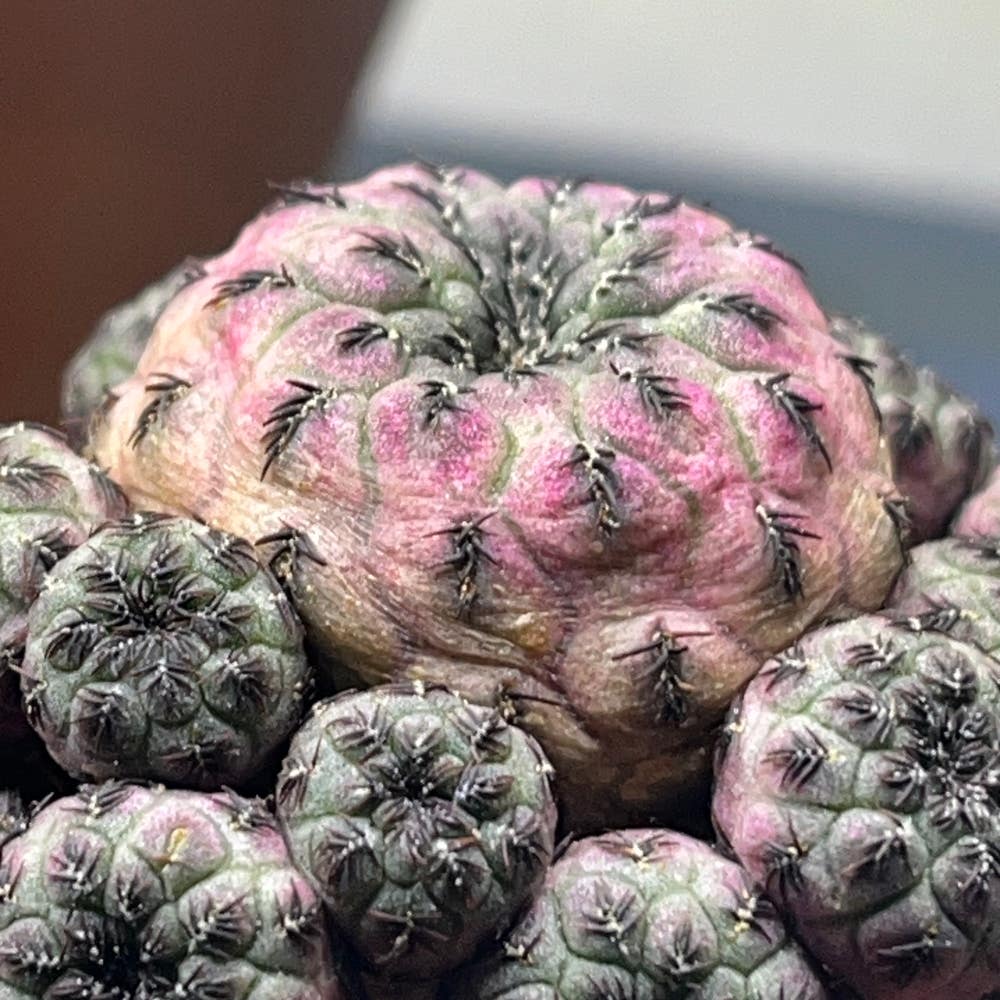
Pruning isn't just a cosmetic fix; it's a growth catalyst. For Rebutia canigueralii, a trim can mean the difference between a spindly cactus and a robust, offset-producing powerhouse. Offsets, or pups, are the plant's way of cloning itself—snip these off, and you've got the start of a new plant. But it's not just about multiplication; it's about helping the mother plant focus her energy on sustaining a strong, central form rather than diverting resources to a sprawl of offspring.
💐 Flower Power: Pruning to Enhance Blooming
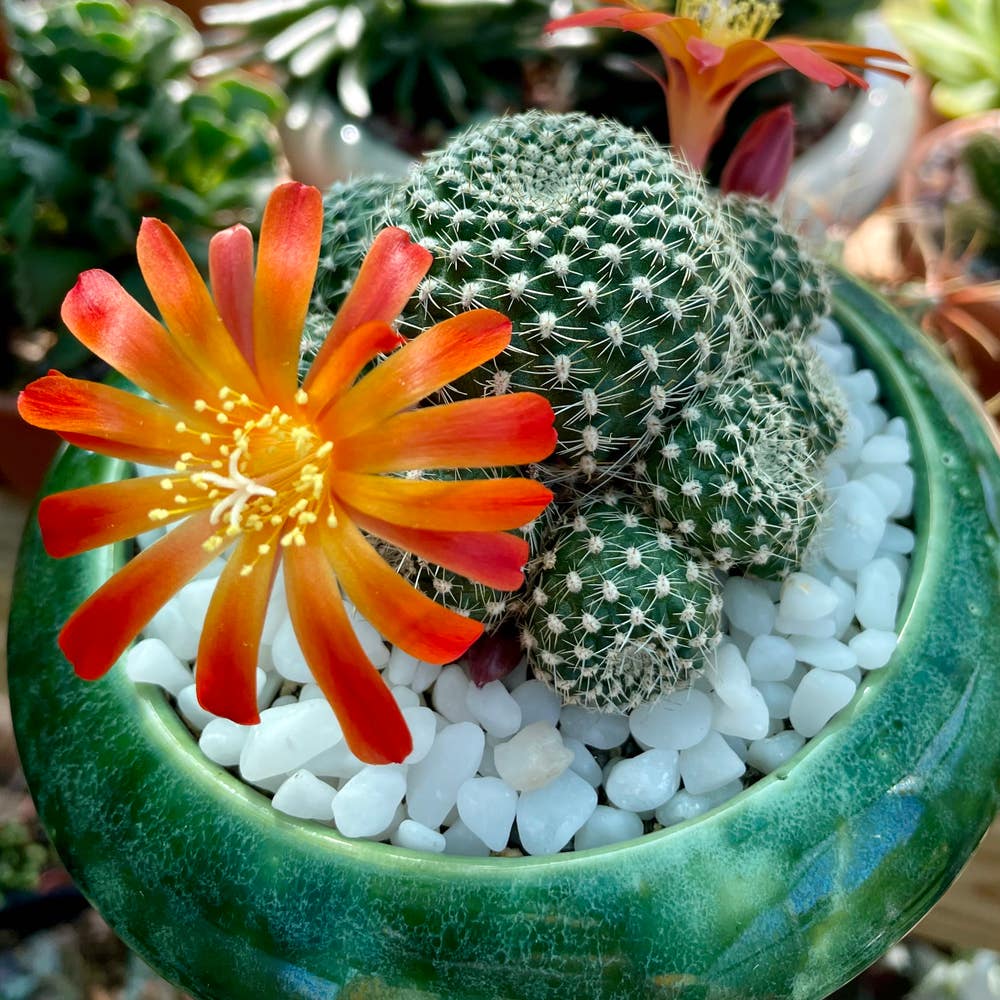
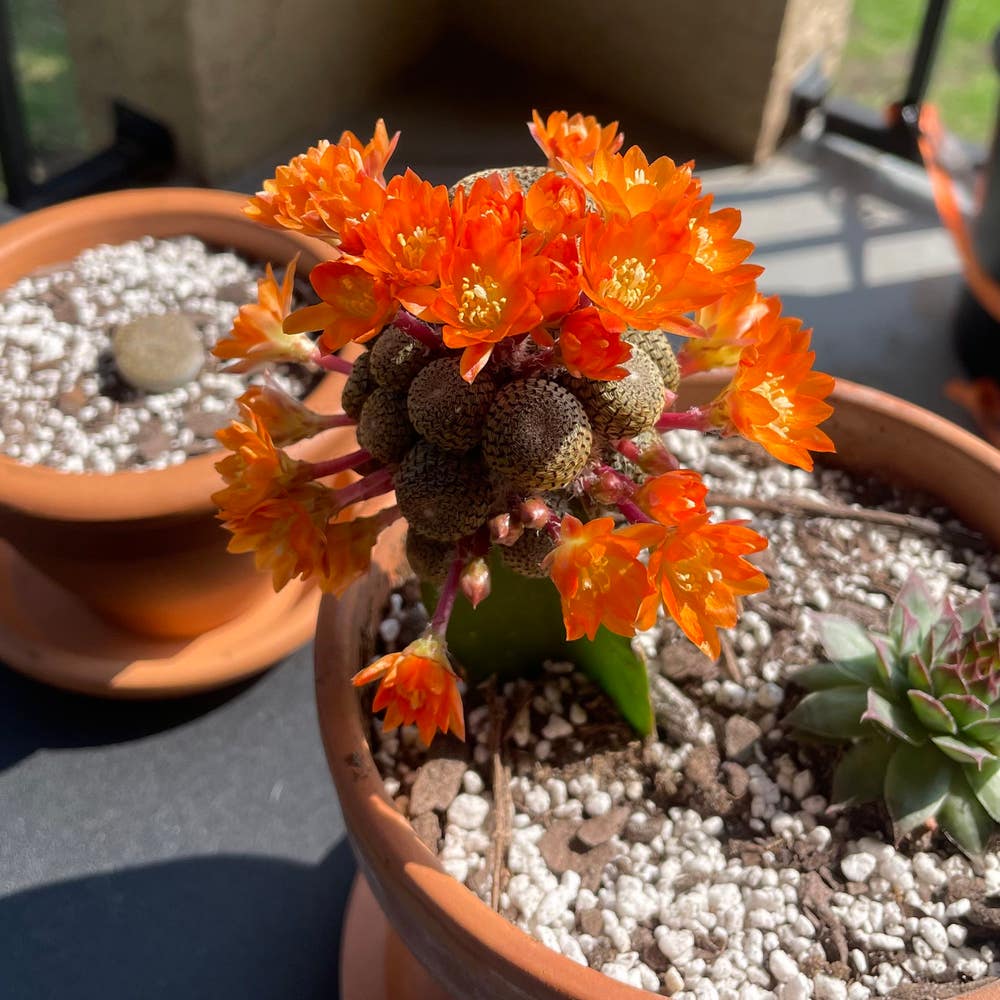
Let's talk blooms. Rebutia canigueralii is a show-off with flowers that burst forth from the base of the stem. Pruning isn't just about the green; it's about giving those flowers room to shine. By removing dead or overgrown sections, you ensure the plant isn't wasting efforts on parts that don't contribute to its floral display. This strategic snipping can lead to a more vibrant and prolific blooming season, making your Rebutia the envy of the succulent society.

From Trimmings to Treasures: Pruning for Propagation
🌱 Cuttings for Cultivation: How to Start New Plants
Pruning your Rebutia canigueralii isn't just a haircut; it's a multiplication party. Snip a healthy section, about 4-6 inches long, ensuring it has a couple of nodes. These nodes are where the magic happens – roots will emerge here.
Strip off the leaves near the bottom to expose the nodes. This is crucial because roots grow from these points. If you're feeling fancy, dip the cut end into rooting hormone; it's like a growth accelerator for your future plant babies.
🌿 Rooting for Success: Caring for New Cuttings
Once you've got your cuttings, it's time to decide: water or soil? If you choose water, it's like a reality show where you watch roots develop in real-time. For soil fans, plant the cutting in a well-draining mix and keep it moist. No swampy situations, please.
Keep your cuttings in a warm spot with indirect light. Think of it as a cozy incubator for your plant progeny. Once the roots are a few inches long, it's time to pot them up. Patience is key; these aren't overnight sensations. They're more like slow-burn success stories.
After the Snip: Post-Pruning Care
🩹 Wound Management: Protecting the Pruned Spots
Immediately after pruning, your Rebutia canigueralii is vulnerable. Treat the wounds with care to prevent infections. Skip the old-school methods like applying tar or paint; they can trap moisture and lead to disease. Instead, let the plant heal naturally.
📈 Recovery Roadmap: Ensuring a Healthy Comeback
Post-trim, it's all about the comeback. Keep the soil clean by removing any fallen debris, which could harbor disease. Monitor the plant closely for signs of distress or recovery. New growth is your green light, but if you spot trouble, reassess your care routine. Remember, it's not just about survival; it's about your Rebutia canigueralii thriving.
Hydration is key, but don't overdo it. Water as usual, paying extra attention to the soil's moisture level. Overwatering can be as harmful as neglect, so think of it as giving your plant a life jacket, not a raft.
Lastly, stay vigilant for pests that might fancy a nibble on your freshly pruned cactus. If you spot freeloaders, intervene with organic pest control. It's not just about defense; it's about maintaining the upper hand.
⚠️ Safety First
This content is for general information and may contain errors, omissions, or outdated details. It is not medical, veterinary advice, or an endorsement of therapeutic claims.
Always consult a qualified healthcare professional before using any plant as food, medicine, or supplement.
Never eat any plant (or feed one to pets) without confirming its identity with at least two trusted sources.
If you suspect poisoning, call Poison Control (800) 222-1222, the Pet Poison Helpline (800) 213-6680, or your local emergency service immediately.
Spotted an error? Please report it here.
Ensure your Rebutia canigueralii is pruned to perfection 🌵 with Greg's timely reminders, aligning your snips with the spring growth cycle for a stunning bloom.