Expected Size of Your Rebutia 🌵
Rebutia canigueralii
By the Greg Editorial Team
Sep 30, 2024•6 min read
This article was created with the help of AI so we can cover more plants for you. May contain errors. See one? Report it here.
Master Rebutia cactus care 🌵 to unlock their full growth potential and enjoy stunning, compact beauty in your space!
- 🌵 Rebutia cacti typically grow up to 12 cm tall, perfect for small spaces.
- 🌞 Optimal light and well-drained soil accelerate Rebutia growth significantly.
- 📏 Pot size impacts growth; smaller pots keep Rebutia compact and manageable.
Mature Height and Spread
📏 Typical Dimensions
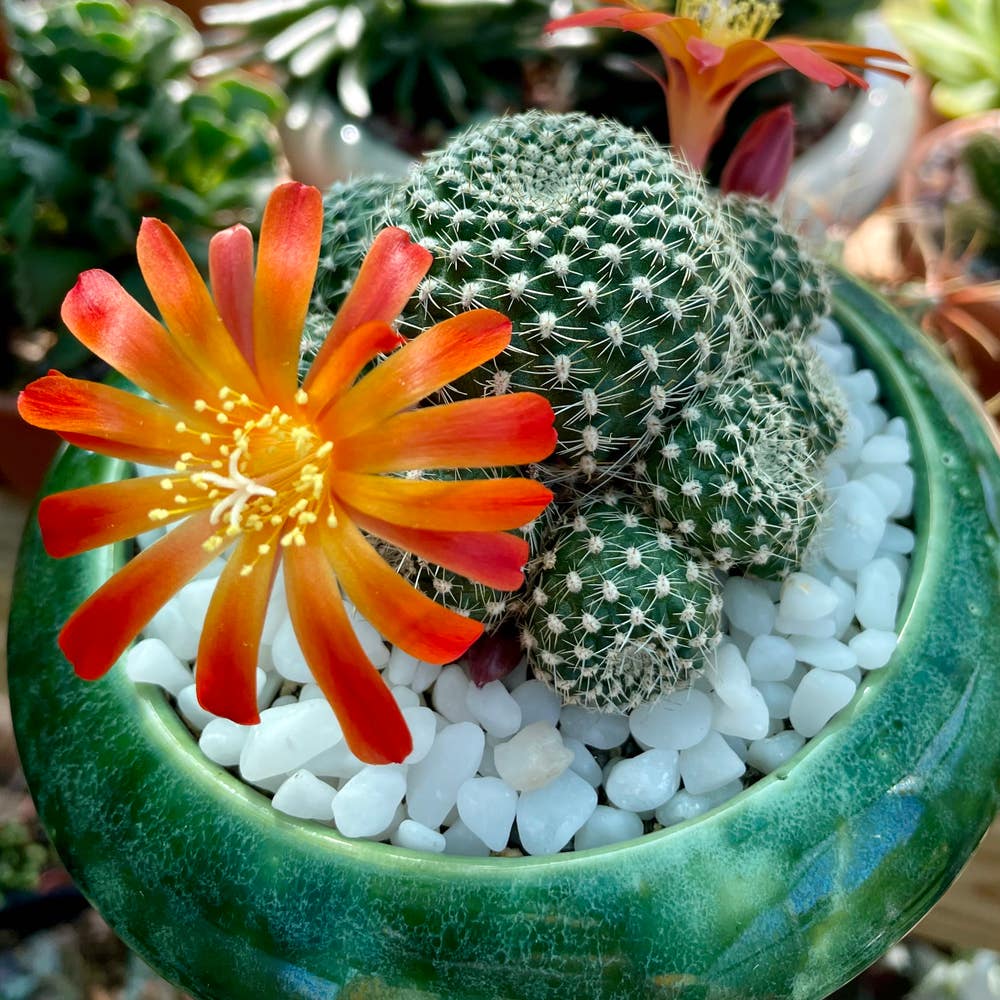
Rebutia cacti are compact beauties, typically reaching a mature height of up to 12 cm (4.7 inches) and spreading out to about 15 cm (5.9 inches). Their manageable size makes them perfect for small spaces or as delightful additions to larger arrangements.
📊 Size Variability
Not all Rebutia are created equal. Dwarf varieties usually stay under 5 cm (2 inches), making them ideal for collectors who love tiny plants. On the other hand, giant varieties can exceed 15 cm (5.9 inches), showcasing the impressive diversity within this genus.
Examples of Size Differences
For instance, Rebutia muscula is a charming dwarf, while Rebutia fiebrigii can grow significantly larger. Understanding these size differences helps you choose the right plant for your collection or garden.
With this foundational knowledge of height and spread, you can better appreciate how these cacti fit into your space. Next, let’s explore the growth rate of Rebutia and what influences it.
Growth Rate
Factors Influencing Growth Rate 🌱
The growth rate of your Rebutia largely hinges on its growing conditions. In optimal environments—characterized by well-drained soils and ample light—these cacti can thrive, achieving an average growth rate of 1 to 3 cm (0.4 to 1.2 inches) per year.
To maximize growth, ensure your Rebutia receives plenty of sunlight and is planted in a suitable substrate. Poor conditions can significantly slow down its development.
Environmental Impact on Growth Rate 🌍
The environment plays a crucial role in determining how quickly your Rebutia grows. Indoor plants often experience slower growth compared to their outdoor counterparts due to limited light and airflow.
Outdoor Rebutia can bask in natural sunlight and benefit from varying temperatures, which can enhance their growth rate. Understanding these differences can help you choose the best setting for your cactus.
In summary, providing optimal conditions is key to achieving the best growth rate for your Rebutia, whether indoors or outdoors. Next, let's explore how long it typically takes for these cacti to reach their full size.
Time to Reach Full Size
🌱 Growth Timeline
Rebutia cacti typically take about 3 to 5 years to reach their mature dimensions under optimal conditions. Factors such as light, soil quality, and watering practices can either accelerate or delay this growth timeline.
⏳ Factors That May Accelerate or Delay Growth
Providing the right environment is crucial. For instance, ample sunlight and well-drained soil can speed up growth, while poor lighting or compacted soil may hinder it.
✂️ Size Control Techniques
Managing the size of your Rebutia involves a few key techniques. Pruning is essential; regular trimming helps maintain desired dimensions and encourages healthy growth.
🪴 Pot Size Considerations
The size of the pot also plays a significant role in controlling growth. A pot that’s too large can lead to excessive growth, while a smaller pot can restrict it, keeping your cactus compact.
📏 Tips for Managing Growth Timelines
Regular monitoring of your cactus’s growth patterns is vital. Adjusting environmental factors, such as light and watering frequency, can help you achieve the size you desire.
Understanding these elements will empower you to cultivate a thriving Rebutia that fits perfectly in your space. Next, we’ll explore how various growing conditions influence the size of your cactus.
Influence of Growing Conditions on Size
🌞 Impact of Light on Size
Light plays a crucial role in the growth of your Rebutia. Full sun exposure is ideal for optimal growth, allowing these cacti to thrive and reach their potential size.
Insufficient light can lead to stunted growth and a reduced size. If your Rebutia isn’t getting enough sunlight, you might notice it struggling to flourish.
🪴 Soil Type and Its Effect on Growth
The type of soil you use significantly impacts your Rebutia's growth. Well-draining, rocky soils are preferred, as they mimic the natural habitat of these cacti.
Soil composition affects both growth rate and size. Poorly draining soil can lead to root rot, stunting growth and harming your plant.
🚰 Watering Practices and Size Implications
Watering frequency is vital for maintaining your Rebutia's health. It's essential to avoid overwatering, which can lead to detrimental effects on size and overall health.
Underwatering can also negatively impact your cactus. A lack of water can stunt growth, leaving your Rebutia smaller than expected.
🌡️ Temperature and Humidity Effects on Growth
Temperature and humidity are key factors in your Rebutia's development. The optimal temperature range for growth is between 20°C to 30°C (68°F to 86°F).
Low humidity levels are preferred for the best growth. High humidity can create an environment that encourages rot and other issues, hindering your cactus's size potential.
Understanding these growing conditions can help you create the perfect environment for your Rebutia, ensuring it reaches its full size and health. Next, let’s explore how to control the size of your cactus through various techniques.
Controlling Size
✂️ Pruning Techniques for Size Control
Pruning is essential for maintaining the desired dimensions of your Rebutia. Regularly trimming back overgrown stems encourages bushier growth and prevents the plant from becoming leggy.
Aim to prune during the growing season, ideally in spring or early summer. This timing allows the plant to recover quickly and thrive.
🪴 Pot Size and Its Influence on Growth
The size of the pot plays a crucial role in controlling your Rebutia's growth. A smaller pot restricts root development, which can help keep the plant compact.
For optimal size management, choose a pot that is just slightly larger than the root ball. This approach encourages healthy growth without excessive stretching.
📏 Tips for Maintaining Desired Dimensions
Regular monitoring is key to keeping your Rebutia at the size you want. Observe growth patterns and make adjustments as needed, whether through pruning or repotting.
Environmental factors also play a significant role. Adjust light, watering, and temperature to ensure your plant remains within your desired size range.
By staying attentive to these factors, you can enjoy a beautifully sized Rebutia that fits perfectly in your space.
Common Misconceptions About Size
🧐 Myths About Size
When it comes to Rebutia, several myths can cloud expectations. One common misconception is that all varieties will grow to the same size, leading to disappointment when a dwarf variety remains small.
Another myth is that giant varieties will always exceed 15 cm. In reality, while they can grow larger, many factors influence their ultimate size, including care and environment.
📏 Clarifying Expectations for Growth in Different Environments
Understanding realistic growth expectations is crucial. For instance, indoor Rebutia may not reach the same dimensions as those grown outdoors due to limited light and space.
Species-specific growth habits also play a significant role. Knowing the characteristics of your particular Rebutia can help set achievable goals and foster a more rewarding growing experience.
With the right knowledge, you can nurture your Rebutia to thrive, regardless of its size. This understanding paves the way for better care and satisfaction in your gardening journey.
⚠️ Safety First
This content is for general information and may contain errors, omissions, or outdated details. It is not medical, veterinary advice, or an endorsement of therapeutic claims.
Always consult a qualified healthcare professional before using any plant as food, medicine, or supplement.
Never eat any plant (or feed one to pets) without confirming its identity with at least two trusted sources.
If you suspect poisoning, call Poison Control (800) 222-1222, the Pet Poison Helpline (800) 213-6680, or your local emergency service immediately.
Spotted an error? Please report it here.
Master the ideal size for your Rebutia cactus 🌵 with Greg's tailored care reminders that help you create the perfect environment for thriving growth!