🌵 3 Key Phases of Rebutia Development
Rebutia canigueralii
By the Greg Editorial Team
Sep 30, 2024•5 min read
This article was created with the help of AI so we can cover more plants for you. May contain errors. See one? Report it here.
Cultivate stunning Rebutia cacti 🌵 by mastering their growth stages and care tips for vibrant blooms!
- 🌱 Rebutia seeds thrive at 20°C to 25°C for optimal germination.
- 🌵 Use well-draining soil for successful seed germination and healthy growth.
- 🌼 Expect flowering in spring and summer, lasting 2 to 4 weeks.
Germination Stage
🌱 Conditions for Germination
To kickstart the germination of Rebutia seeds, you need to create the perfect environment. Aim for an optimal temperature between 20°C to 25°C (68°F to 77°F) to encourage healthy growth.
Soil choice is crucial; use a well-draining cactus mix or sandy soil to prevent waterlogging. Additionally, provide indirect sunlight to avoid overheating, which can hinder germination.
⏳ Duration of Germination
Typically, you can expect germination to take about 2 to 4 weeks. However, several factors can influence this timeline.
Moisture levels, temperature stability, and seed quality play significant roles in determining how quickly your seeds sprout. Keeping these conditions in check will boost your chances of success.
With the right setup, you'll be well on your way to nurturing your Rebutia plants. Next, let's explore the exciting seedling stage, where your little cacti begin to take shape!
Seedling Stage
🌱 Characteristics of Seedlings
During the seedling stage, Rebutia plants are quite small, typically measuring just 1-2 cm in diameter. Their vibrant green, fleshy bodies have a smooth texture, making them visually appealing.
Initial growth is slow, and you'll notice minimal spine development at this stage. This is perfectly normal as the seedlings focus on establishing themselves.
⏳ Duration of the Seedling Stage
The seedling stage lasts between 6 months to 1 year.
You'll know your seedlings are ready to transition when you see the development of spines and an increase in their growth rate. This is an exciting time, as it signals that your Rebutia is maturing and preparing for the next phase of its life cycle.
As your seedlings grow, it's essential to provide the right conditions to support their development. This sets the stage for a healthy transition into the vegetative growth phase.
Vegetative Growth Stage
Growth Patterns and Changes 🌱
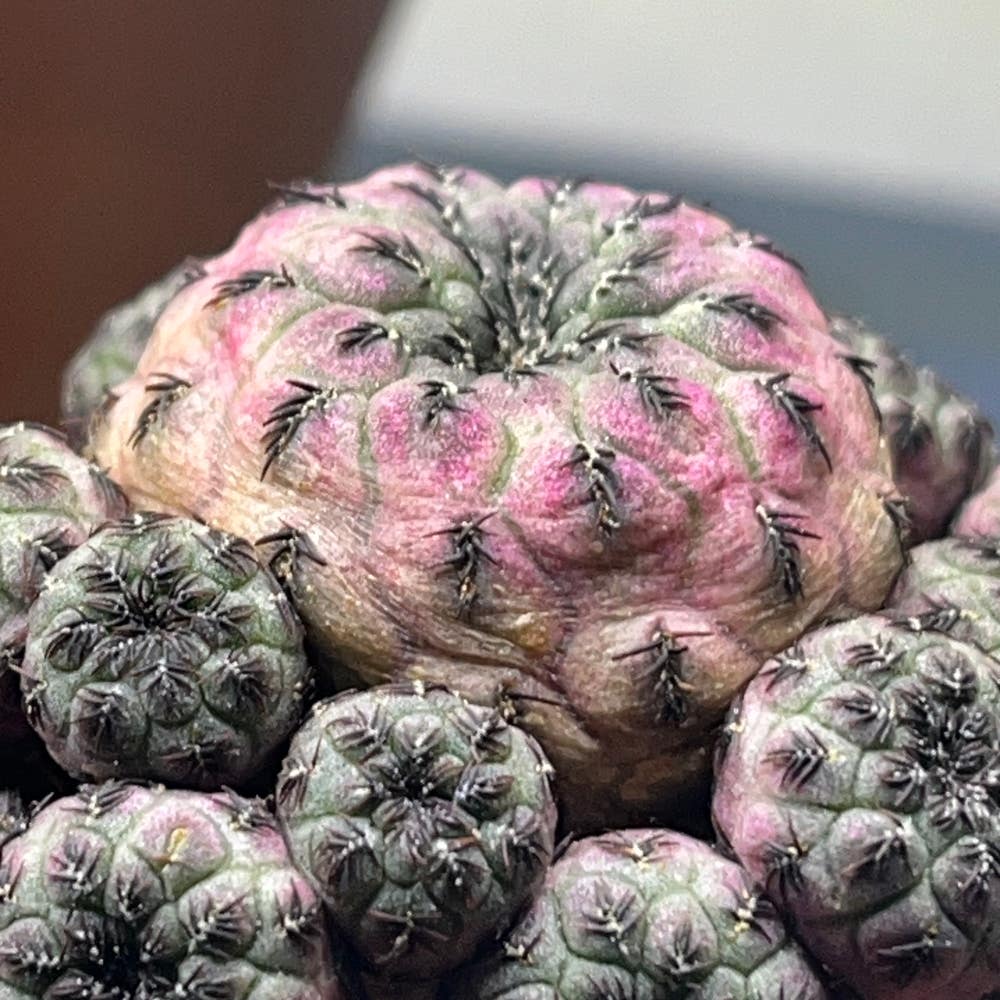
During the vegetative growth stage, Rebutia cacti undergo significant transformations. Their globular shape expands, typically reaching between 5 to 10 cm in diameter.
As they grow, prominent spines begin to develop, enhancing the plant's visual appeal. This stage also marks the start of offset production, which is crucial for propagation.
Duration of Vegetative Growth ⏳
This growth phase lasts approximately 1 to 3 years. The duration can vary based on several environmental factors.
Light, water, and nutrient availability play pivotal roles in determining the growth rate. Optimal conditions can lead to robust, healthy plants, while neglect can slow their progress.
Understanding these dynamics can help you nurture your Rebutia effectively, ensuring a thriving cactus that brings joy for years to come.
Next, we’ll explore the flowering stage, where your Rebutia will truly shine.
Flowering Stage
🌸 Flowering Characteristics
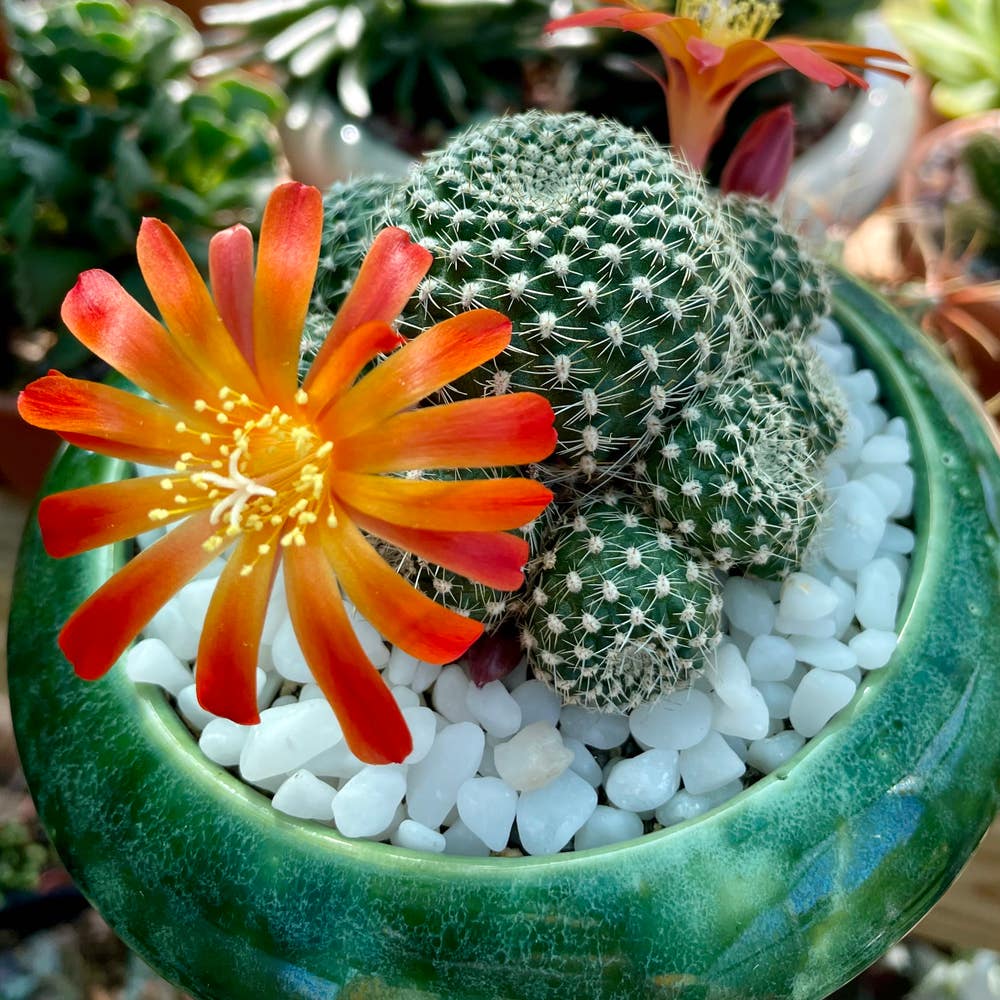
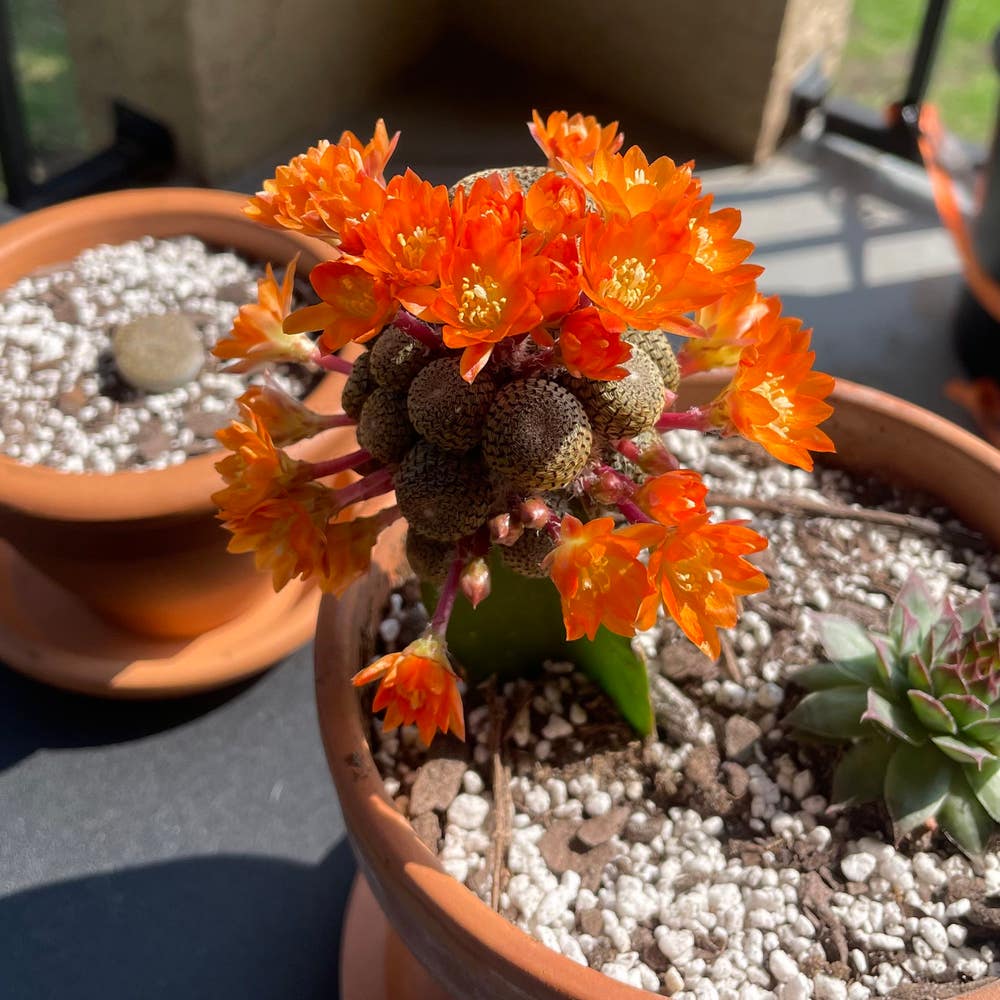
The flowering stage of Rebutia is a spectacular sight, typically blooming in spring and summer. Expect bright, vibrant colors that vary by species, creating a stunning display that can brighten any space.
Pollination plays a crucial role during this phase. Rebutia flowers attract pollinators like bees and butterflies, making them essential for successful reproduction.
⏳ Duration of Flowering
The flowering period lasts between 2 to 4 weeks, offering a brief but beautiful show.
Several factors influence this duration, including temperature, light exposure, and the overall health of the plant. Keeping these conditions optimal can enhance flowering and prolong the enjoyment of these vibrant blooms.
As we transition from the flowering stage, it's essential to understand how seed production follows, ensuring the continuation of this captivating cycle.
Seed Production Stage
🌼 Process of Seed Production
Seed production in Rebutia begins with pollination. This can happen through self-pollination or cross-pollination with other Rebutia varieties, ensuring genetic diversity.
Once pollination is successful, seed formation takes place. This crucial step occurs after the flowers have been fertilized, setting the stage for the next generation of plants.
⏳ Duration and Conditions for Seed Production
The timeframe for seed development typically spans 4 to 6 weeks post-flowering. During this period, the seeds mature, preparing for eventual dispersal.
For optimal seed production, warm temperatures and adequate moisture are essential. These conditions help ensure that the seeds develop healthily and are ready for germination when the time comes.
With a solid understanding of the seed production stage, you can appreciate how vital this process is for the continuation of Rebutia species. Next, we’ll explore the growth rate and maturation of these fascinating plants.
Growth Rate and Maturation
How Long Until Rebutia is Fully Grown? 🌱
Rebutia cacti typically take about 3 to 5 years to reach their full size and flowering capability. This timeframe allows them to develop their unique characteristics and vibrant blooms.
Factors Affecting Growth Rate 🌡️
Several environmental conditions can influence the growth rate of Rebutia. Key factors include temperature, light exposure, and soil quality.
- Temperature: Ideal temperatures promote faster growth.
- Light: Sufficient light is crucial, but too much direct sunlight can hinder development.
- Soil Quality: Well-draining soil is essential for healthy root systems.
Watering practices also play a significant role. Overwatering can stunt growth, while minimal water encourages robust development.
Comparison of Growth Rates Among Varieties 📊
Different Rebutia varieties exhibit varying growth rates:
- Rebutia muscula: Known for its faster growth and earlier blooming.
- Rebutia fiebrigii: Grows more slowly but produces larger flowers.
- Rebutia krainziana: Offers moderate growth with unique flowering patterns.
Overall Lifespan ⏳
Under optimal conditions, Rebutia cacti can live between 10 to 20 years. Their longevity is influenced by environmental stressors and care practices, making proper maintenance essential for a thriving plant.
Understanding these growth dynamics can help you nurture your Rebutia effectively, ensuring it flourishes for years to come. Next, we’ll explore the fascinating flowering stage of these resilient cacti.
⚠️ Safety First
This content is for general information and may contain errors, omissions, or outdated details. It is not medical, veterinary advice, or an endorsement of therapeutic claims.
Always consult a qualified healthcare professional before using any plant as food, medicine, or supplement.
Never eat any plant (or feed one to pets) without confirming its identity with at least two trusted sources.
If you suspect poisoning, call Poison Control (800) 222-1222, the Pet Poison Helpline (800) 213-6680, or your local emergency service immediately.
Spotted an error? Please report it here.
Cultivating vibrant Rebutia cacti is effortless 🌱 with Greg's tailored watering plans and reminders, ensuring your plants thrive through every growth phase!