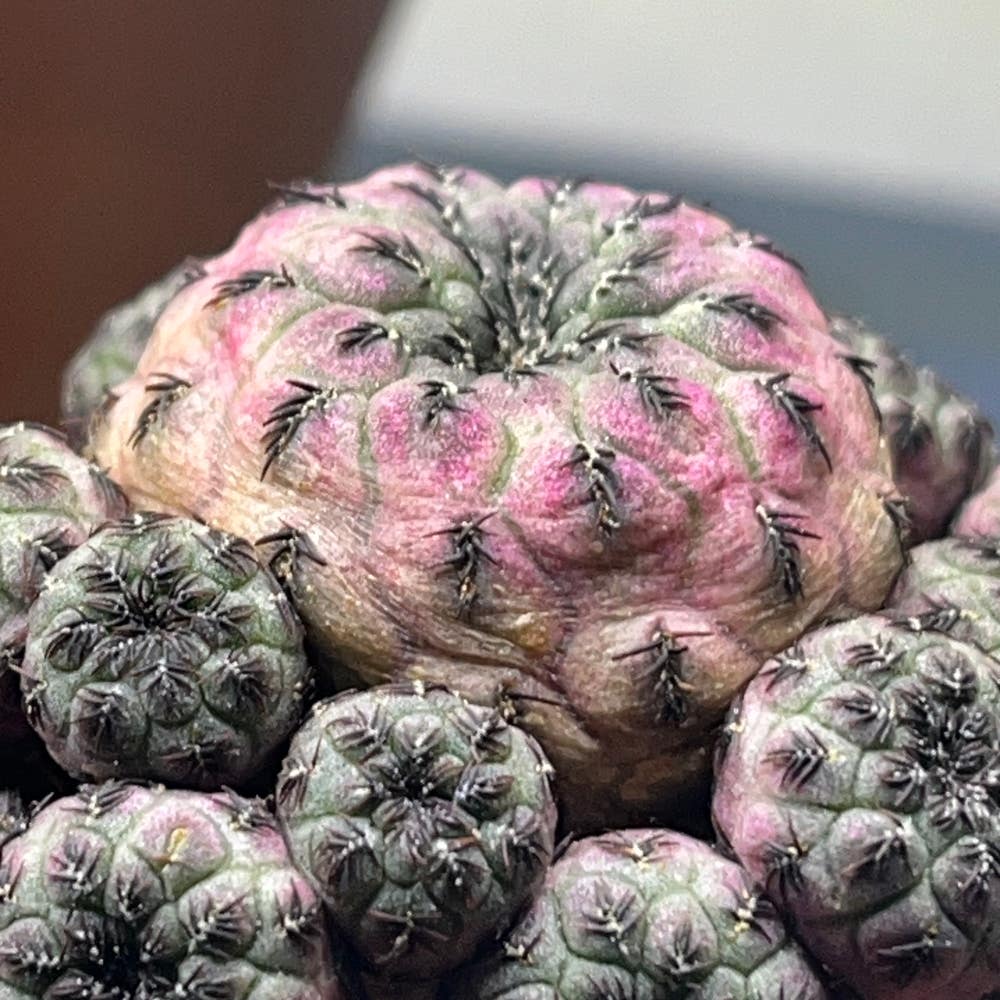
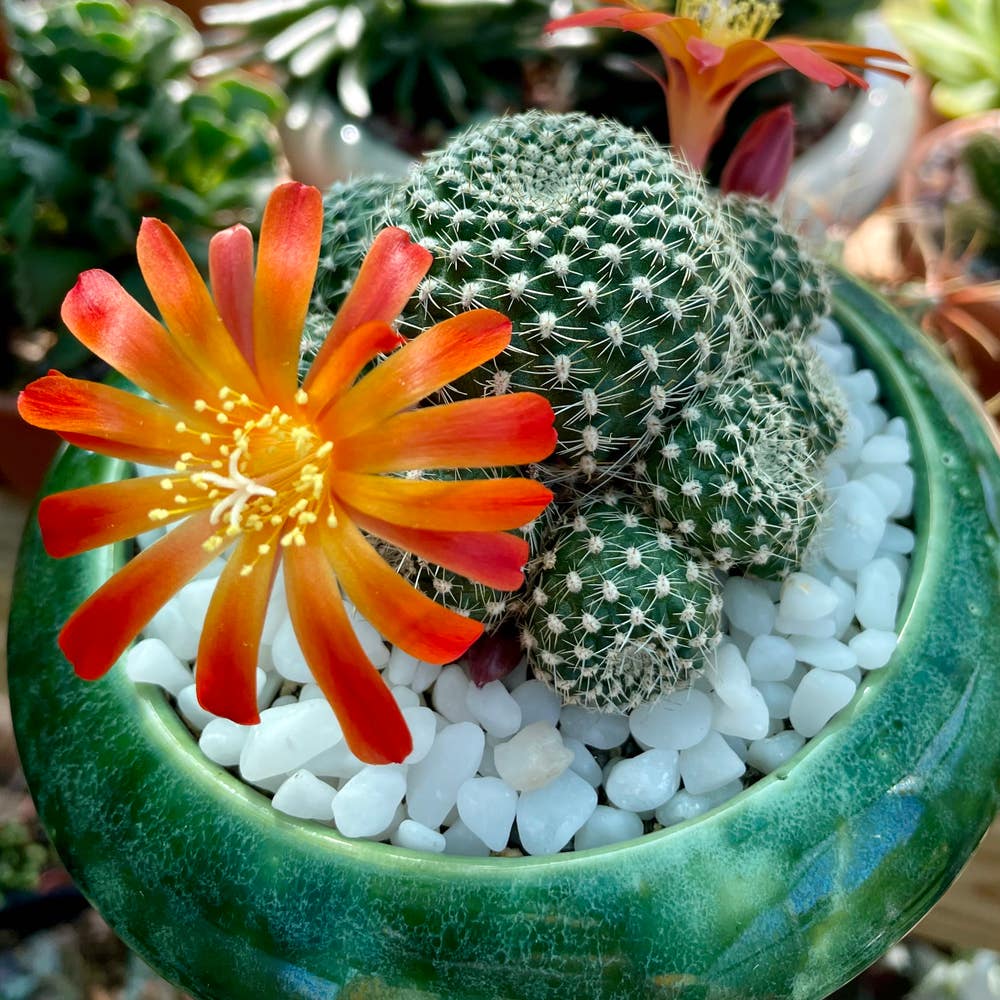
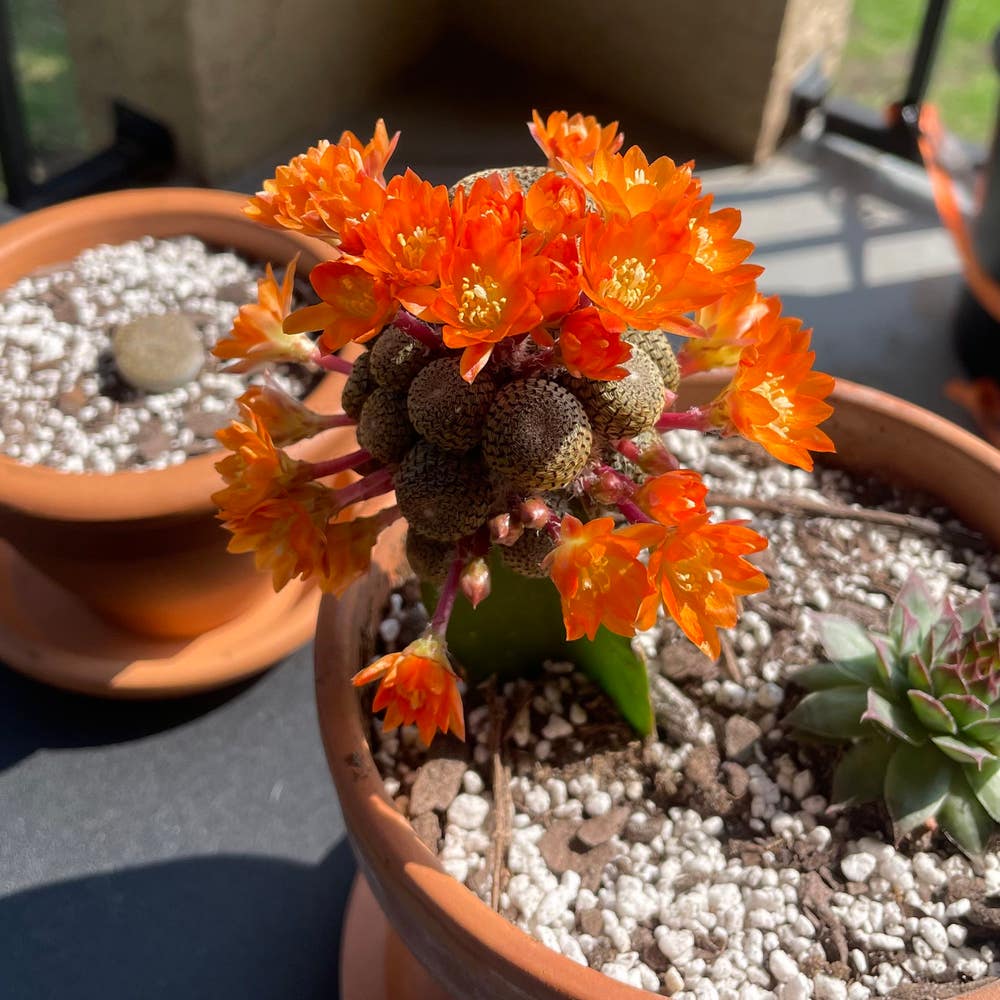
🌵 Why Are There Brown Spots on My Rebutia canigueralii?
Rebutia canigueralii
By the Greg Editorial Team
Jun 18, 2024•3 min read
This article was created with the help of AI so we can cover more plants for you. May contain errors. See one? Report it here.
Save your Rebutia from unsightly brown spots 🍂 with these proven care and prevention strategies!
- Sun, water, infections cause brown spots; adjust care accordingly.
- Gradual sun exposure and balanced watering prevent sunburn and water issues.
- Regular inspections and clean tools help catch and prevent brown spots early.
Spotting the Trouble: Common Causes of Brown Spots
☀️ Too Much Sun, Too Little Shade
Sunburn leads to brown spots, a sign your Rebutia canigueralii has had more than its fair share of rays. It's a delicate dance to find the right amount of light, but the goal is bright, indirect sunlight.
💧 Water Woes: Over and Under
The balance of watering is critical; too much and you get soft, dark spots, too little and the spots are dry and brittle. Fine-tuning your watering routine is essential to avoid these extremes.
🦠 Unwanted Guests: Fungal and Bacterial Culprits
Fungal and bacterial infections leave their mark with brown spots that often have yellow halos or dark edges. At the first sign of infection, isolate your plant and start treatment to prevent spread.

First Aid for Your Rebutia: Treating Brown Spots
🌞 Shifting to Safer Sunlight
Rebutia canigueralii, like a sunbather without sunscreen, can get sunburned. Move your plant to an area with indirect sunlight to prevent further damage. Gradually reintroduce it to brighter light over a few weeks to avoid shock.
💧 Watering Wisdom: Getting It Just Right
Overwatering or underwatering your Rebutia can lead to those dreaded brown spots. Pause watering to let the soil dry if it's soggy. When the topsoil feels dry to the touch, water sparingly. Consistency is key—stick to a routine that keeps the soil moist but not waterlogged.
🐜 Battling the Bugs and Fungus Among Us
Infections require swift action. If you spot signs of fungal or bacterial invasion, isolate your plant to prevent spread. Apply a suitable fungicide or bactericide, ensuring it's safe for succulents. Prune affected areas with sterilized tools to stop the infection in its tracks. Remember, cleanliness is a plant's best friend.

Keeping Brown Spots at Bay: Prevention Tactics
🌡️ Crafting the Perfect Environment
Humidity and temperature are the unsung heroes in the quest to prevent brown spots on your Rebutia canigueralii. Too much moisture, and you're hosting a fungus party; too little, and your plant's thirstier than a tourist in the Sahara. Aim for that sweet spot of 40-60% humidity to keep your plant's skin flawless.
🌍 Monitoring and Adjusting Environmental Factors
Don't just set it and forget it. Your plant's environment needs the same attention as your social media feed. Regular checks on light levels, temperature, and humidity are non-negotiable. If you're not adjusting these factors to mimic a plant's natural habitat, you're basically asking for brown spots to crash the party.
👀 Vigilance and Care: Routine Inspections
Routine inspections are like scrolling through your plant's timeline for any red flags. Catching brown spots early is like snagging a front-row seat at a concert—you're in prime position to act fast.
🕵️ Proactive Steps to Nip Brown Spots in the Bud
Be the Sherlock Holmes of plant care. Spot a suspicious change? Get on it quicker than a cat on a laser pointer. Adjust watering, move your plant out of that drafty spot, or start a conversation with a fungicide if needed. Remember, consistency in care is key; erratic attention is as helpful as a screen door on a submarine.

⚠️ Safety First
This content is for general information and may contain errors, omissions, or outdated details. It is not medical, veterinary advice, or an endorsement of therapeutic claims.
Always consult a qualified healthcare professional before using any plant as food, medicine, or supplement.
Never eat any plant (or feed one to pets) without confirming its identity with at least two trusted sources.
If you suspect poisoning, call Poison Control (800) 222-1222, the Pet Poison Helpline (800) 213-6680, or your local emergency service immediately.
Spotted an error? Please report it here.
Keep your Rebutia canigueralii spotless 🌟 with Greg's personalized care reminders, ensuring a vibrant and healthy cactus without the guesswork.