How Can You Tell If A Rebutia canigueralii Is Dying?
Rebutia canigueralii
By the Greg Editorial Team
Jun 18, 2024•5 min read
This article was created with the help of AI so we can cover more plants for you. May contain errors. See one? Report it here.
Revive your wilting Rebutia 🌵 with life-saving care tips that tackle its silent distress signals.
- Over-watering? Soft stems, moldy smell. Let soil air out, trim roots.
- Under-watered? Wrinkled appearance. Rehydrate slowly, monitor soil moisture.
- Sunburn and pests can harm. Provide indirect light, use natural predators/insecticidal soaps.
Water Woes: Too Much or Too Little
🌊 Over-watering Hazards
Soft stems and a moldy smell are the plant's version of waving a white flag. If your Rebutia canigueralii feels like a squishy stress ball, it's time to rethink your watering strategy.
Drying out the danger involves a few steps. First, halt the H2O and let the soil air out. If the roots are looking like they've seen better days, snip the damaged bits. Moving your plant to a spot with better air circulation can also help speed up the drying process.
🏜️ Under-watering Symptoms
When your Rebutia canigueralii starts to look more wrinkled than a linen shirt at the bottom of the laundry pile, it's parched. The soil should never be drier than a comedian's humor.
To rehydrate responsibly, introduce water slowly to avoid shocking the roots. Think of it as a plant spa day, not a flash flood. Monitor the soil moisture and adjust your watering habits to find that hydration sweet spot.

Light and Temperature: Finding the Sweet Spot
🌞 Sun Struggles
Sunburn spots on your Rebutia canigueralii's leaves are the plant's version of an SOS. They appear as unsightly brown or white marks, a clear sign that your cactus has had more than its fair share of UV rays. On the flip side, if you notice your cactus stretching out as if reaching for the sun, it's craving more light.
To prevent these issues, it's crucial to strike a balance. Bright, indirect sunlight is your best bet. It's like giving your plant a comfortable spot to bask without the risk of a sunburn.
🌡️ Temperature Tantrums
Your Rebutia canigueralii isn't shy about showing its discomfort with temperature changes. Wilting or discoloration of leaves often indicates that the temperature isn't quite right. Too hot, and your cactus might start to look deflated; too cold, and growth could slow to a crawl.
To keep the climate consistent, consider the room's conditions throughout the day. Avoid placing your plant near drafty windows or heating vents. Aim for a steady climate, akin to a mild spring day, all year round.

Biological Bullies: Pests, Mold, and Root Rot
🐜 Pests on Patrol
Mealybugs and mites are the uninvited squatters in your Rebutia canigueralii's personal space. These pests are sneaky, often hiding under leaves or within the plant's crevices. To spot mealybugs, look for white, cotton-like masses. Mites, on the other hand, are tiny but betray their presence with webbing and yellow spotting on leaves.
Evicting these invaders requires a one-two punch. For a start, natural predators like ladybugs are the eco-friendly hit squad against these pests. If they're too stubborn, insecticidal soaps or neem oil can act as your chemical bouncers, showing bugs the door. Always check the label – it's the rulebook for safe plant pest control.
🍄 Fungus Among Us
Mold and fungus are the party crashers of the plant world, leaving behind fuzzy growths and a musty smell. If you spot these signs, it's time to increase airflow around your Rebutia canigueralii. A fan can help keep the air moving, making conditions less inviting for mold.
When mold gets bold, fungicides may be your cleanup crew. But before you go spraying, remember that prevention beats cure. Keep your plant's leaves dry and clean up any debris to discourage fungal gatecrashers.
🌱 Root Rot Rundown
Root rot is like the silent assassin of the plant world, often going unnoticed until it's too late. To catch it early, perform regular root inspections. If you find any black or mushy roots, it's time for action.
Surgical solutions involve trimming away the rotted roots with sterilized tools. After the operation, consider a transplant into fresh, well-draining soil to give your Rebutia canigueralii a new lease on life. Remember, root rot loves moisture, so ensure proper drainage and avoid overwatering like it's a plant plague.

Revival Roadmap: Turning the Tide on Trouble
🌡️ Step-by-Step Recovery: From Diagnosis to Full Health
Firstly, assess the damage. If your Rebutia canigueralii is suffering from over-watering, allow the soil to dry out before watering again. In cases of under-watering, slowly reintroduce moisture with a thorough but gentle watering.
Next, if sunburn or improper lighting is the issue, adjust the plant's location to provide the right balance of light and shade. Ensure temperatures remain consistent, within the sweet spot for Rebutia canigueralii, avoiding drastic fluctuations.
For biological bullies like pests or mold, introduce appropriate treatments—natural predators for pests or fungicides for mold. If root rot is present, carefully remove the affected roots and repot the plant in fresh, well-draining soil.
📈 Monitoring Milestones: Knowing When Your Rebutia is Back on Track
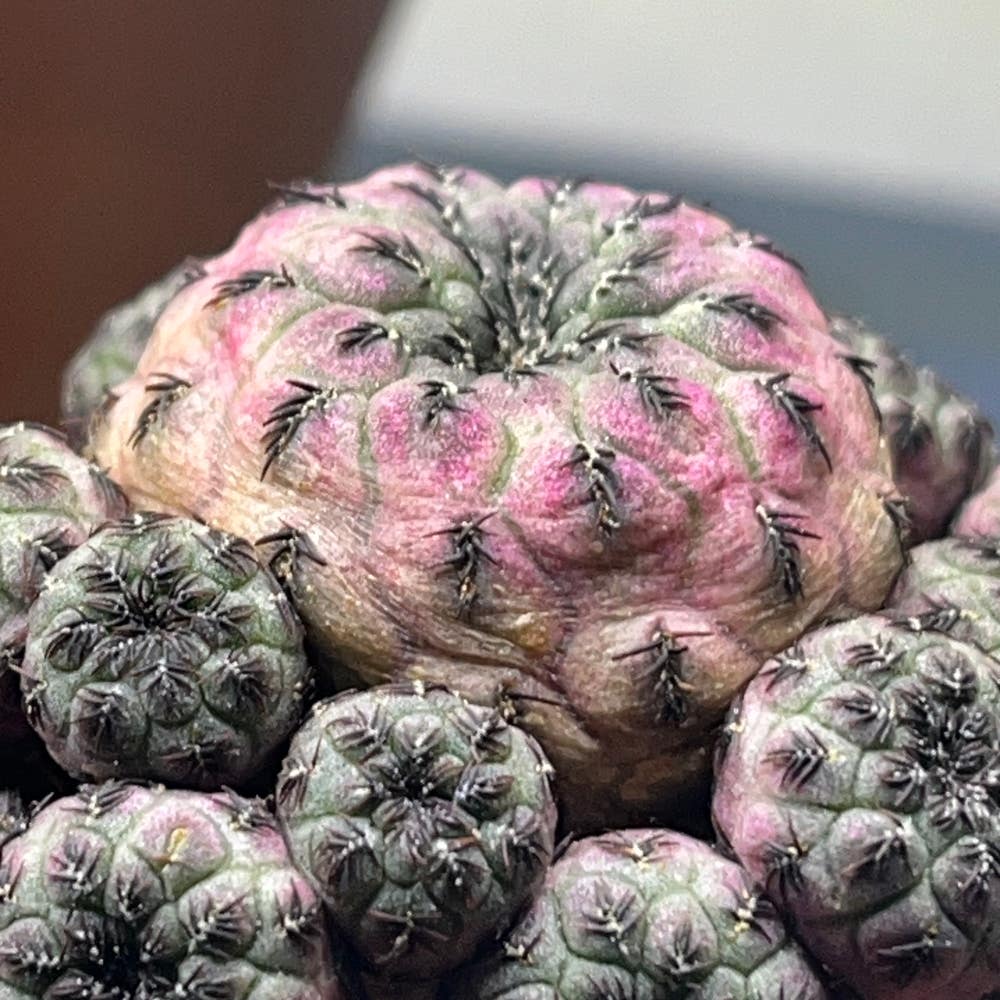
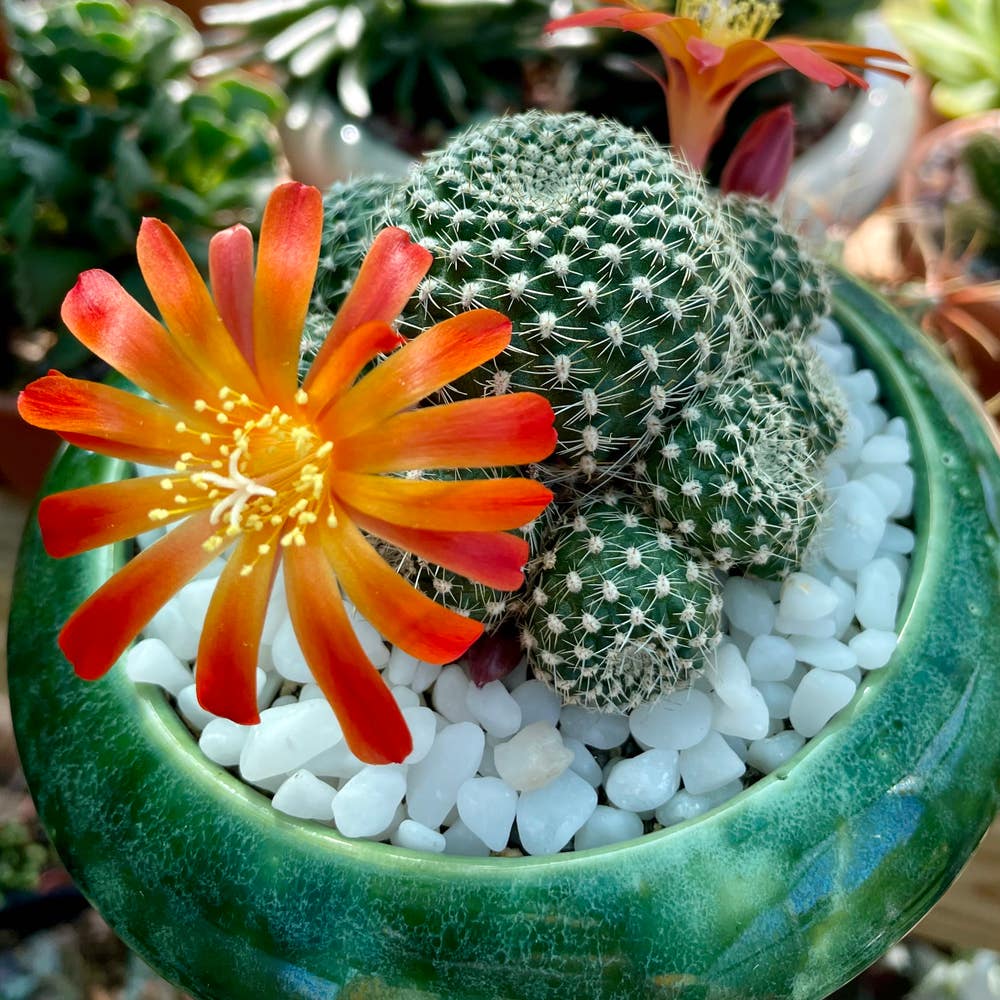
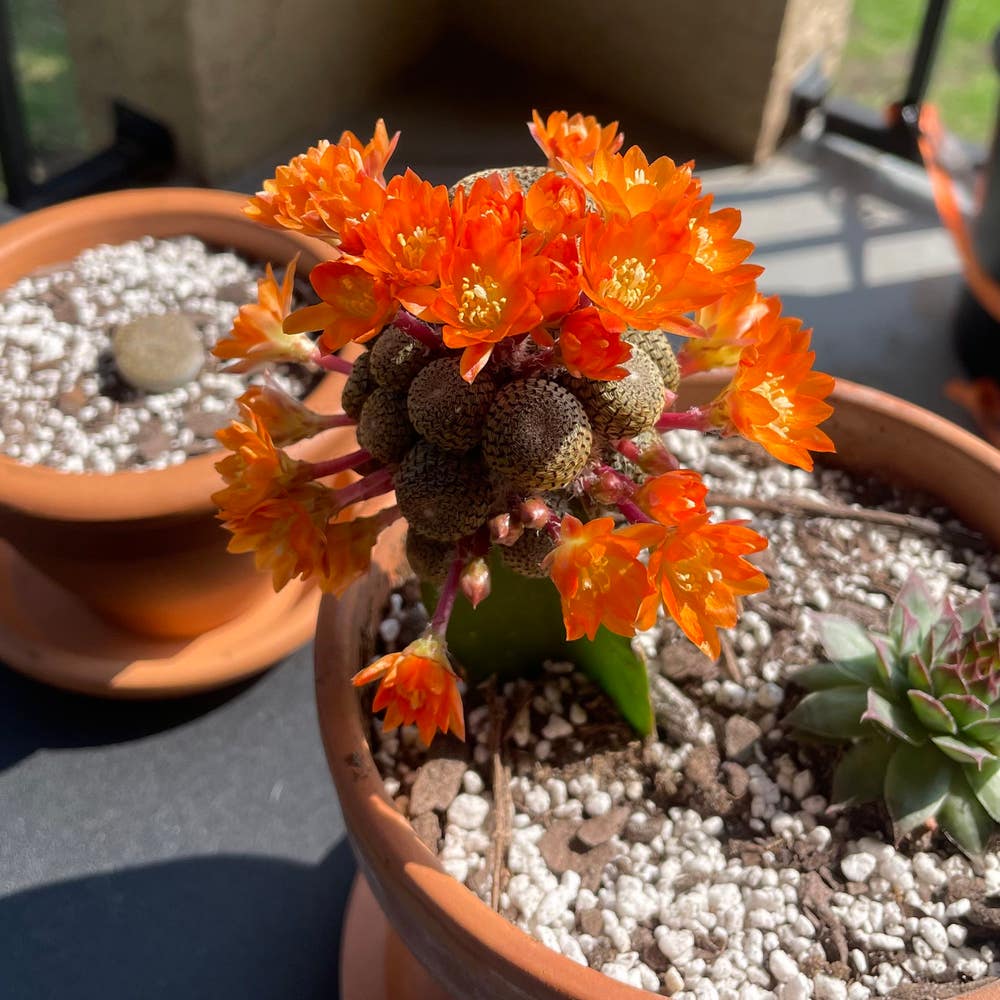
Monitor your plant closely following any intervention. New growth is a positive sign, indicating recovery. Keep an eye out for firm, plump stems and vibrant, colorful spines, which suggest your Rebutia is regaining its health.
Adjust care as needed, based on the plant's response. If symptoms persist or worsen, reassess your approach. It might be necessary to tweak watering schedules, lighting conditions, or temperature settings.
Remember, patience is crucial. Recovery may not be immediate, but with consistent care, your Rebutia canigueralii can bounce back from the brink.
⚠️ Safety First
This content is for general information and may contain errors, omissions, or outdated details. It is not medical, veterinary advice, or an endorsement of therapeutic claims.
Always consult a qualified healthcare professional before using any plant as food, medicine, or supplement.
Never eat any plant (or feed one to pets) without confirming its identity with at least two trusted sources.
If you suspect poisoning, call Poison Control (800) 222-1222, the Pet Poison Helpline (800) 213-6680, or your local emergency service immediately.
Spotted an error? Please report it here.
With Greg's personalized care plans, you'll nurture 🌵 your Rebutia canigueralii back to health by perfectly timing waterings and treatments based on its unique needs.