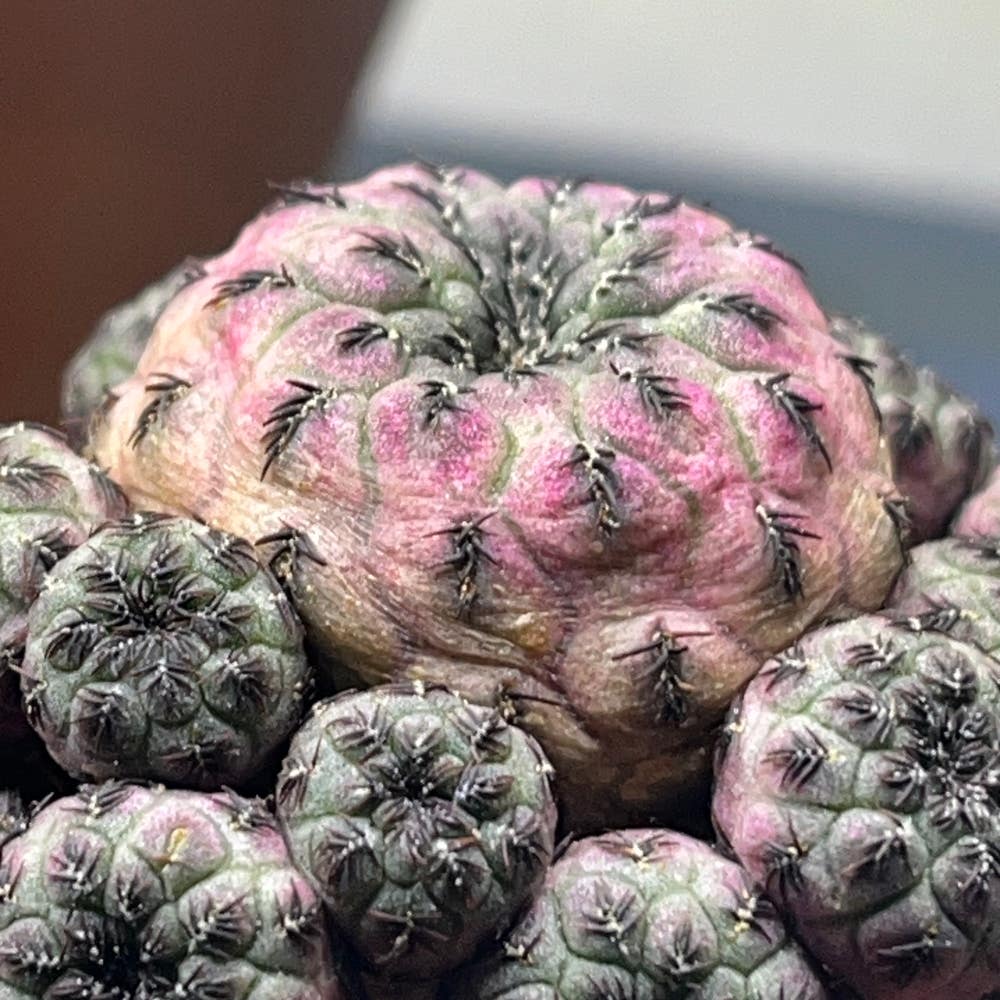
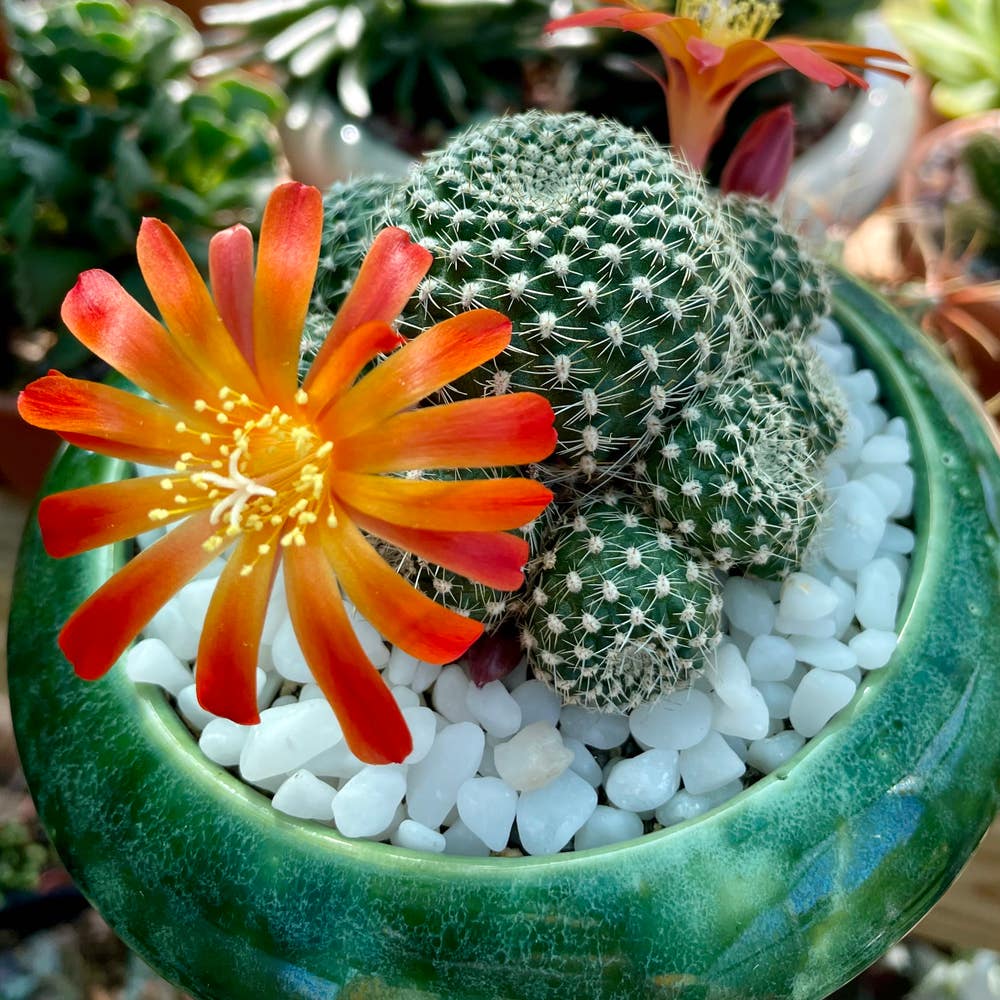
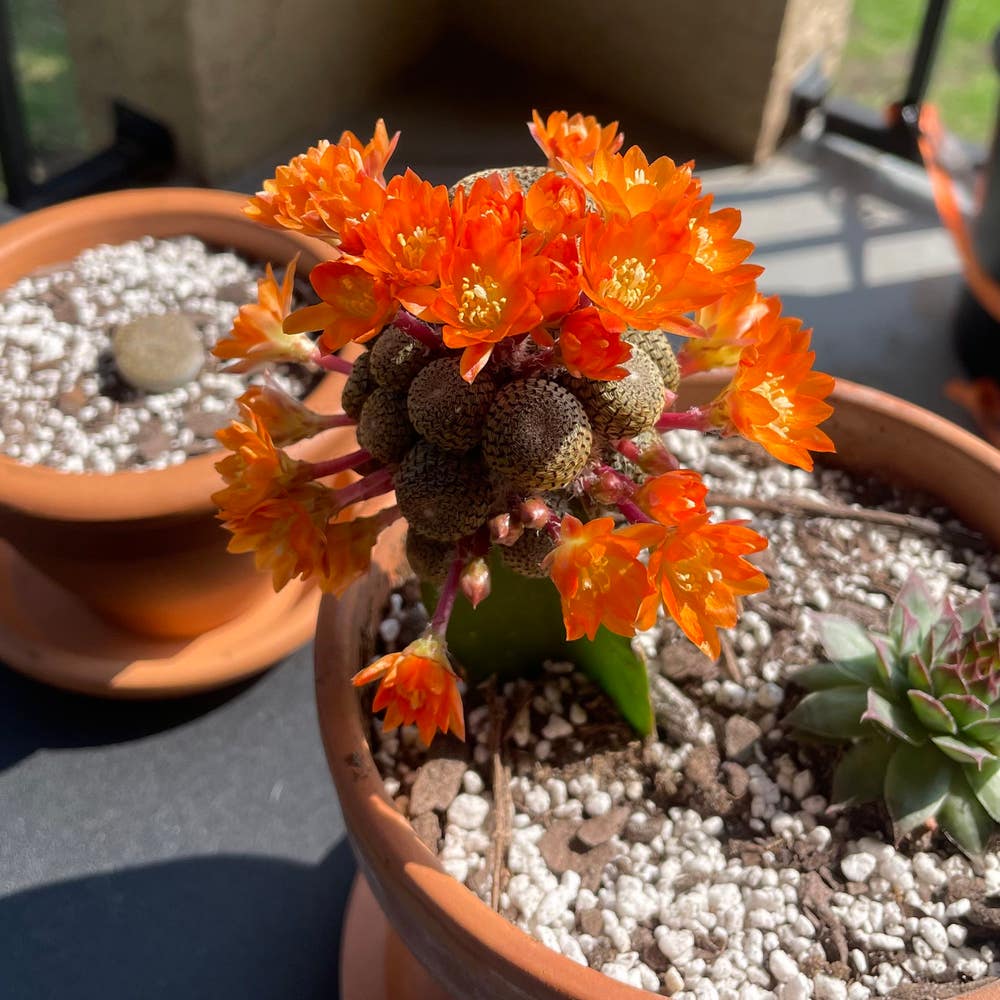
🌵 Why Are My Rebutia canigueralii Leaves Falling Over?
Rebutia canigueralii
By the Greg Editorial Team
Jun 18, 2024•4 min read
This article was created with the help of AI so we can cover more plants for you. May contain errors. See one? Report it here.
Revive your droopy Rebutia 🌵 with the right watering fix and keep it standing tall!
- 🌵 Overwatering? Yellow leaves, musty smell, and soggy soil are key signs.
- 💧 Underwatering? Look for dry leaves and soil pulling away from pot edges.
- 🛠️ Immediate action and tailored care are essential for recovery and long-term health.
Spotting the Signs of Trouble
🚰 Recognizing Overwatering Symptoms
Yellow, lifeless leaves are the red flags of overwatering. If they're dropping like flies, it's time to dial back on the H2O. A musty smell is your plant's way of saying, "Help!" When the soil feels soggier than a wet sponge, you've crossed the line. And if the roots are mushier than overcooked noodles, it's time for a serious watering intervention.
🏜️ Identifying Underwatering Clues
Dry, brittle leaves are your Rebutia canigueralii's way of crying out for water. Soil pulling away from the pot edges is a clear sign of dehydration. If a quick finger test (about an inch deep) reveals bone-dry conditions, it's time to quench your plant's thirst. Watch for leaves that are lighter in color without the wilt—they're subtly begging for a drink.
🌱 Detecting Soil and Environmental Red Flags
Poor drainage is a no-go; if your pot's turning into a swamp, you need to fix that stat. Environmental stress? It's all about location, location, location. Bright, indirect light is your plant's best friend. If your Rebutia is looking more wilted than a salad in the sun, it's time to find some shade. And remember, consistency is key—your plant's not a fan of surprise weather changes.

First Aid for Your Rebutia canigueralii
💦 Rescuing an Overwatered Plant
Immediate action is crucial for an overwatered Rebutia canigueralii. First, stop watering and remove the plant from its pot to inspect the damage. If the roots are soggy or brown, they're likely rotting. Trim the damaged roots carefully, and let the plant air out to prevent further decay.
Repot your Rebutia in fresh, well-draining soil. Opt for a cactus mix with added perlite or pumice for extra drainage. Ensure the new pot has adequate drainage holes to avoid future waterlogging. Water sparingly and only when the topsoil is dry to the touch.
💧 Reviving an Underwatered Rebutia
For a dehydrated Rebutia canigueralii, the revival process should be gentle. Start by thoroughly moistening the soil, allowing it to absorb water gradually. This prevents root shock and promotes even moisture distribution. After the initial watering, establish a more consistent watering routine, ensuring the soil dries out between waterings.
🌱 Correcting Soil and Environmental Issues
Quick fixes for soil drainage include mixing in grit such as coarse sand or pumice. This improves aeration and prevents water from pooling around the roots. For environmental stability, keep your Rebutia in a spot with consistent temperatures and bright, indirect light. Avoid placing it in drafty areas or near heat sources that can cause rapid soil drying.

Long-Term Care Strategies
💧 Fine-Tuning Your Watering Technique
Creating a tailored watering schedule is crucial for the health of your Rebutia canigueralii. Observe your plant's response to watering and adjust accordingly. Pot size and material significantly influence how often you need to water. Terracotta pots, for instance, help evaporate excess moisture, while plastic pots retain it.
🌱 Upgrading Your Soil Game
The right soil mix is like a comfy bed for your plant's roots. It needs to drain well yet retain enough moisture to keep the roots happy. Consider adding perlite or sand to improve drainage. Repotting should be done when the plant outgrows its current home or the soil becomes compacted, typically every couple of years.
🌞 Mastering the Ideal Environment
Maintaining a consistent environment is key to avoiding droopy leaves. Your Rebutia canigueralii thrives in stable temperatures and light conditions. Avoid placing it in drafty areas or where temperature fluctuations are common. Monitor the light throughout the day and year, and adjust the plant's location if necessary to maintain consistency.

Keeping Your Rebutia canigueralii Happy and Upright
🏥 Monitoring Plant Health
Regular check-ups are crucial for maintaining the health of your Rebutia canigueralii. Inspect the plant for signs of stress, such as discoloration or wilting, which could indicate watering issues or pest infestations. Ensure that the base is firm and the spines are intact, as these are indicators of a robust cactus.
🌱 Adjusting Care with the Seasons
Your Rebutia canigueralii's needs will change with the seasons. During the active growing season in spring and summer, water and fertilize regularly, following a tailored schedule. As temperatures drop in fall and winter, reduce watering to prevent root rot, and remember that your cactus may enter a dormant phase.
🚑 When to Seek Professional Help
If you've tried all the tricks in the book and your Rebutia canigueralii still looks more like a weeping willow, it might be time to seek help. Persistent issues such as severe pest infestations or diseases, which you can't handle on your own, warrant a visit to a cactus-savvy professional.
⚠️ Safety First
This content is for general information and may contain errors, omissions, or outdated details. It is not medical, veterinary advice, or an endorsement of therapeutic claims.
Always consult a qualified healthcare professional before using any plant as food, medicine, or supplement.
Never eat any plant (or feed one to pets) without confirming its identity with at least two trusted sources.
If you suspect poisoning, call Poison Control (800) 222-1222, the Pet Poison Helpline (800) 213-6680, or your local emergency service immediately.
Spotted an error? Please report it here.
Ensure your Rebutia canigueralii stays upright and lively 🌵 with Greg's help in fine-tuning a watering routine that combats over and underwatering for a flourishing cactus.