🌵 Rebutia Is Not an Annual
Rebutia canigueralii
By the Greg Editorial Team
Sep 30, 2024•2 min read
This article was created with the help of AI so we can cover more plants for you. May contain errors. See one? Report it here.
Cultivate resilient Rebutia cacti 🌵 for a vibrant, low-maintenance garden that flourishes year after year!
- 🌵 Rebutia is a perennial cactus, thriving for over a decade, unlike annuals.
- 🌞 Efficient moisture retention and photosynthesis help Rebutia survive in arid climates.
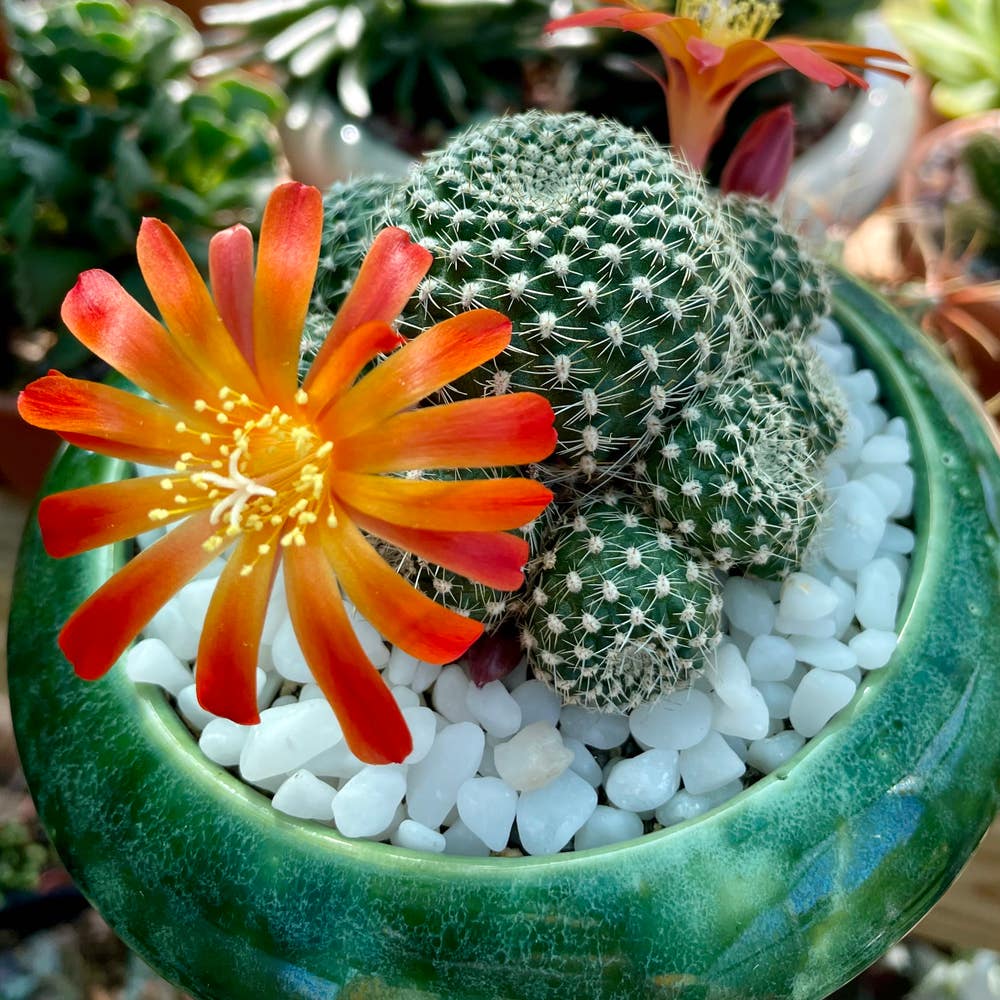
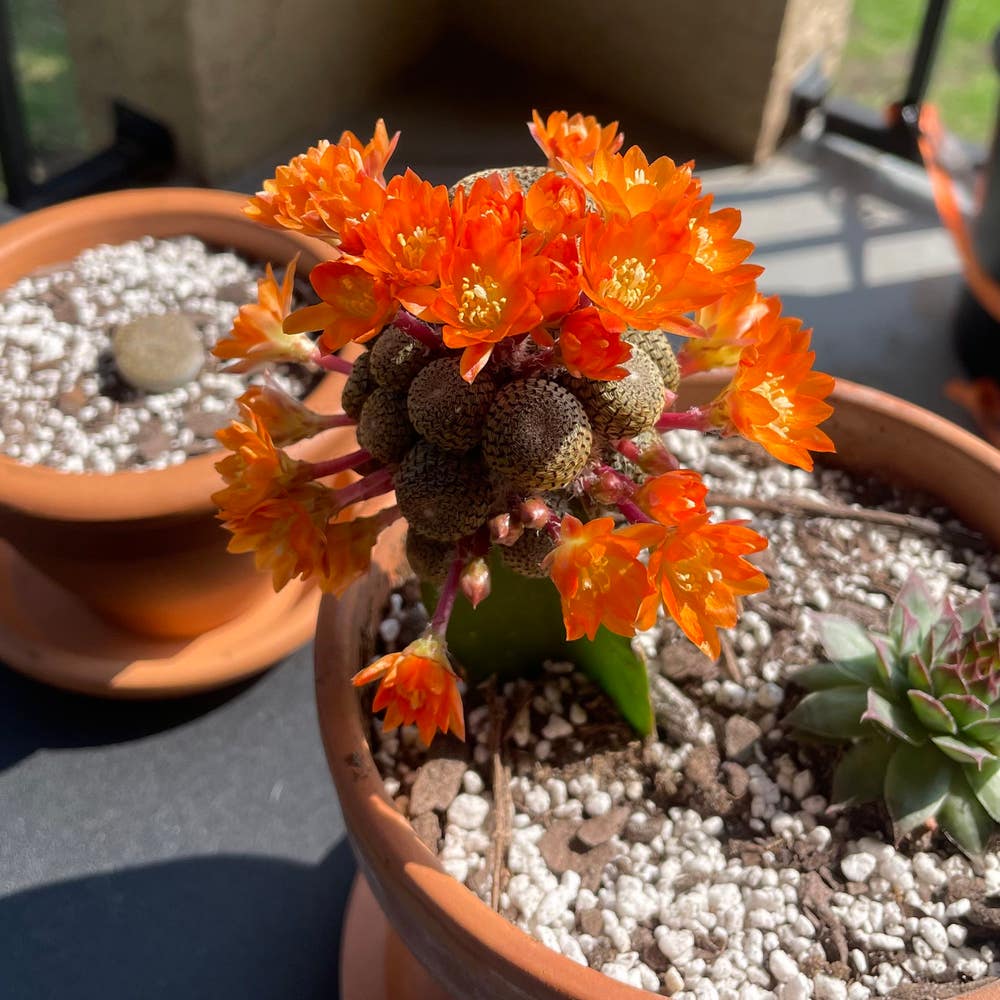
- 🌼 Consistent blooms in spring and summer showcase Rebutia's vibrant, long-lasting beauty.
Rebutia's Perennial Classification
🌱 Genetic Characteristics
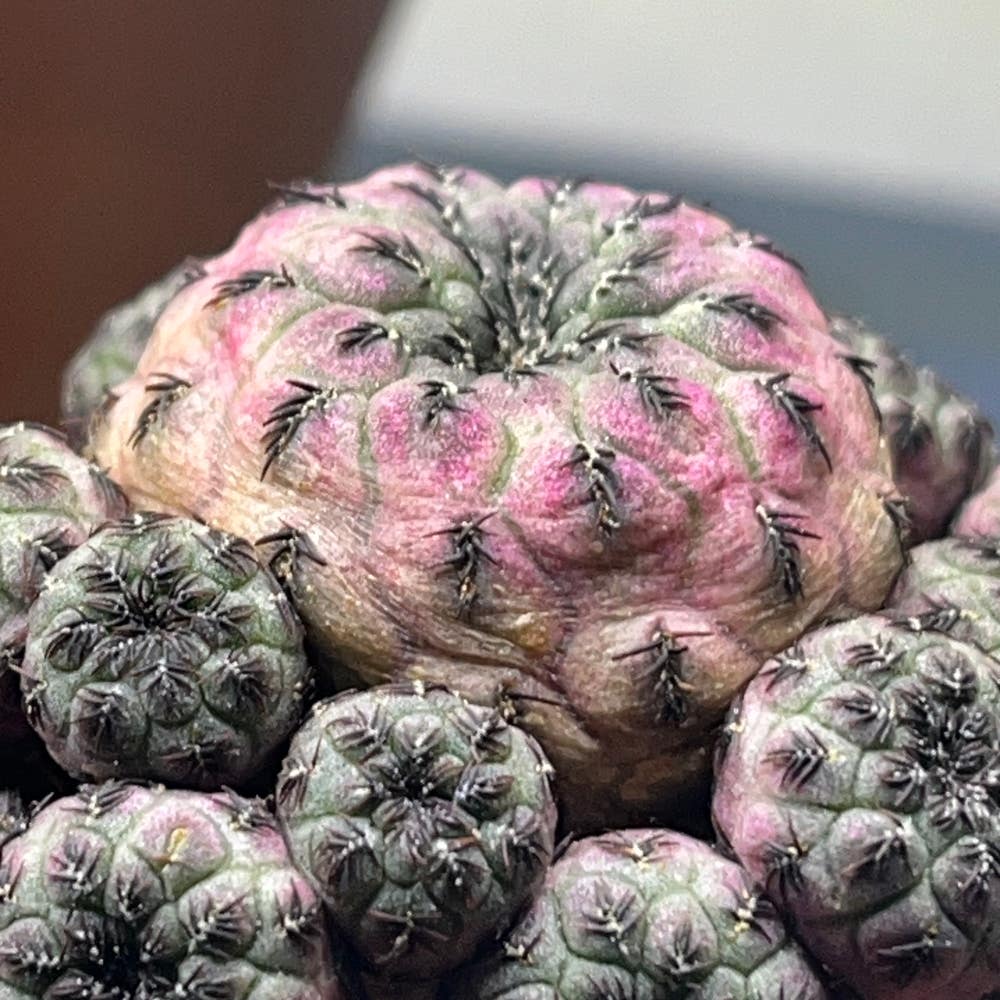
Rebutia belongs to the Cactaceae family, showcasing its unique identity among cacti. Its genetic makeup includes adaptations that enable long-term survival in arid environments, making it a resilient choice for gardeners.
Different Rebutia species exhibit unique genetic traits, contributing to their diversity. This variability allows for a range of appearances and growth habits, appealing to various gardening styles.
🌵 Physiological Traits Supporting Perennial Status
One of the standout features of Rebutia is its specialized tissues for moisture retention. These adaptations allow the plant to store water efficiently, crucial for thriving in dry conditions.
Additionally, Rebutia employs efficient photosynthesis mechanisms, maximizing energy production even in harsh environments. Its ability to enter a dormant state during droughts further solidifies its status as a perennial.
⏳ Long-Term Lifecycle and Growth Patterns
Rebutia can live for many years, often exceeding a decade. This longevity is a testament to its robust nature and adaptability.
The growth phases of Rebutia include seedling, juvenile, mature, and flowering stages. Its consistent annual flowering contributes significantly to its classification as a perennial.
🌼 Reproductive Strategies Compared to Annuals
Unlike annuals, Rebutia boasts a flowering frequency that typically occurs in spring and summer. This annual bloom cycle ensures a vibrant display year after year.
Moreover, Rebutia is capable of producing numerous seeds, ensuring effective propagation. It can also reproduce through offsets and cuttings, providing multiple avenues for growth.
🏡 Misconceptions and Garden Design Strategies
Rebutia's compact size and rapid flowering can lead to misconceptions, causing it to be mistaken for an annual. Understanding these traits is essential for proper classification.
Regional variations, including climate impact and cultivation practices, can also affect how Rebutia is perceived. Utilizing Rebutia in perennial planting offers advantages like long-term investment and low maintenance.
Integrating Rebutia into garden design can be rewarding. Consider planting arrangements and companion planting to enhance its beauty and functionality.
🔧 Maximizing Longevity
To manage Rebutia effectively as a perennial, focus on soil requirements and a consistent watering schedule. These best practices will help ensure its health and longevity.
Enhancing growth and flowering can be achieved through proper light exposure and pruning techniques. By following these tips, you can enjoy a thriving Rebutia in your garden for years to come.
As we delve deeper into the specifics of caring for Rebutia, you'll discover how to maximize its potential in your garden.
⚠️ Safety First
This content is for general information and may contain errors, omissions, or outdated details. It is not medical, veterinary advice, or an endorsement of therapeutic claims.
Always consult a qualified healthcare professional before using any plant as food, medicine, or supplement.
Never eat any plant (or feed one to pets) without confirming its identity with at least two trusted sources.
If you suspect poisoning, call Poison Control (800) 222-1222, the Pet Poison Helpline (800) 213-6680, or your local emergency service immediately.
Spotted an error? Please report it here.
Embrace the beauty of your perennial Rebutia 🌵 with Greg's tailored care reminders, ensuring it flourishes and blooms vibrantly for years to come!