Why Are My Rebutia canigueralii Leaves Droopy?
Rebutia canigueralii
By the Greg Editorial Team
Jun 18, 2024•4 min read
This article was created with the help of AI so we can cover more plants for you. May contain errors. See one? Report it here.
Perk up your Rebutia's sad leaves 🍂 with proven fixes for droopiness—your plant's SOS decoded!
- Droopy leaves signal distress; act quickly to identify the cause.
- Under/overwatering and poor drainage are common culprits.
- Fine-tune watering and soil; ensure proper light and temperature.
Spotting the Signs of Distress
🌿 Visual Symptoms of Droopy Leaves
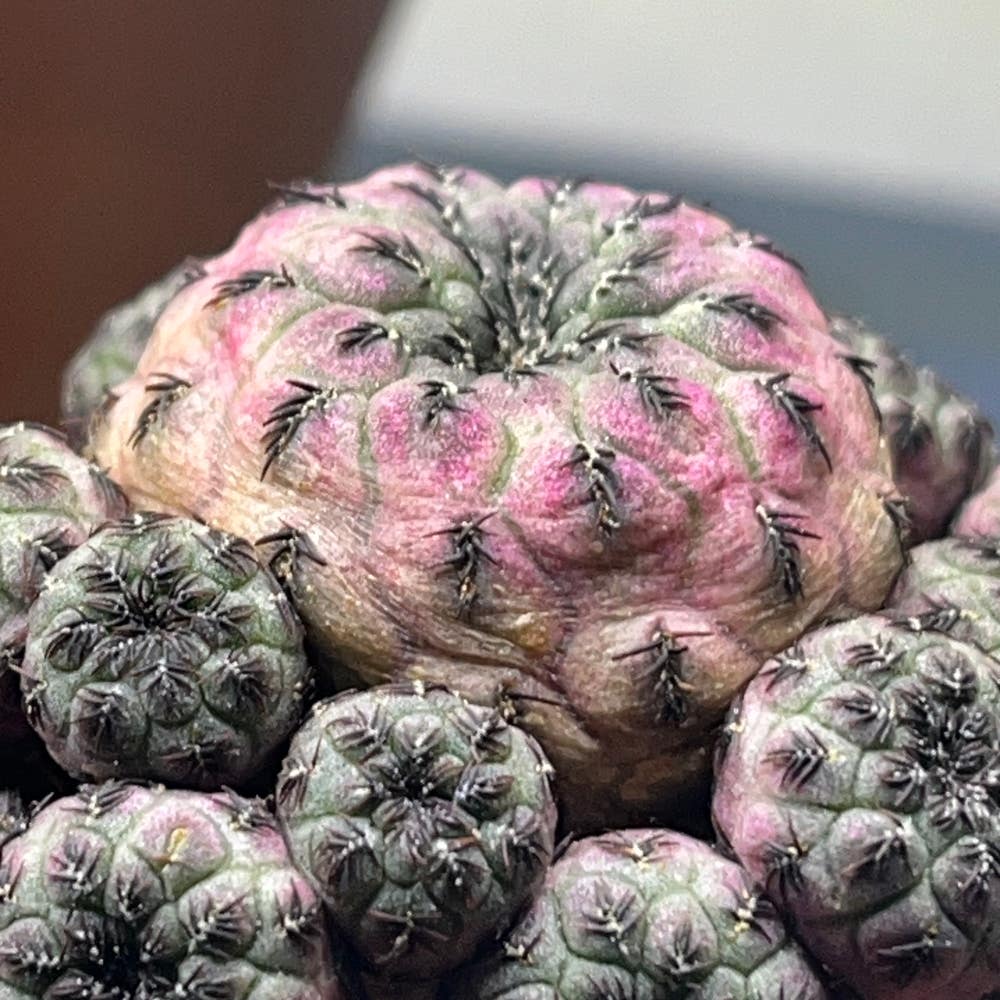
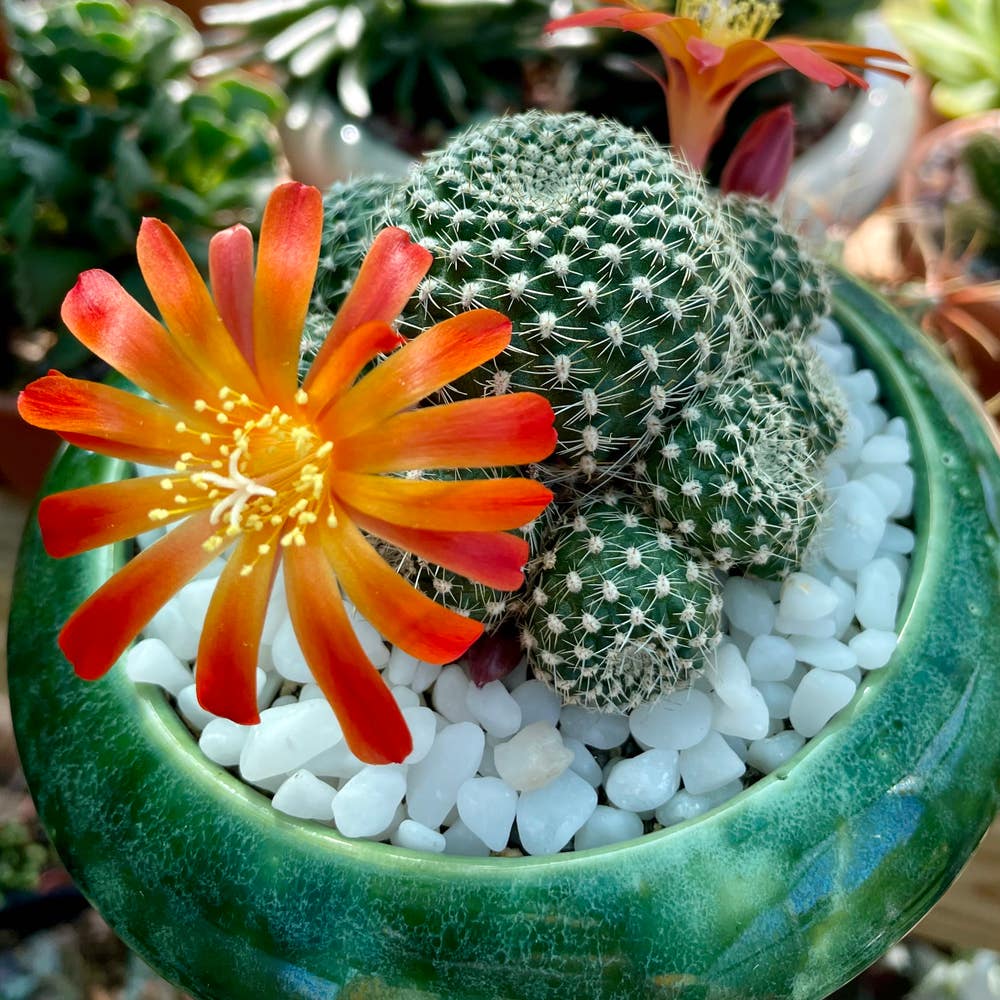
Healthy Rebutia canigueralii leaves are firm and upright, a stark contrast to the droopy leaves that signal distress. When leaves begin to sag, resembling a deflated balloon, it's a visual red flag.
🚨 Immediate Checks
Upon noticing droopy leaves, immediate action is crucial. Check the soil moisture; it should feel like a wrung-out sponge, neither waterlogged nor bone dry. Inspect for discoloration or spots, which could indicate either underwatering or disease. Assess the plant's environment for proper light and airflow, as these factors are essential for plant health.

Unraveling the Causes of Droopiness
💧 The Perils of Underwatering
Underwatering is a silent threat to Rebutia canigueralii, leading to droopy leaves. When the soil resembles a barren wasteland, it's a clear sign your cactus is thirstier than a marathon runner without a water station. Leaves may appear wilted or wrinkled, and the soil will pull away from the edges of the pot, signaling an SOS for hydration.
💦 The Dangers of Overwatering
Conversely, overwatering is like throwing a non-swimmer into the deep end—leaves turn mushy and yellow. If the soil feels more like a wet sponge than a nurturing bed, it's time to cut back on the H2O. Roots suffocate, and the plant's overall health sinks faster than a lead balloon.
🚰 Drainage Dilemmas
Drainage issues can turn your pot into an unwanted swimming pool for roots. If water lingers like an awkward guest, it's a red flag. Ensure your pot has enough escape routes for excess water, or consider switching to a container that won't hold onto moisture like a grudge.

Turning the Tide: Remedies for Droopy Leaves
💧 Fine-Tuning Your Watering Routine
Watering is crucial but often botched. Check the top inch of soil; if it's dry, it's time to water. If it's moist, put the watering can down. Use room-temperature water to avoid a root shock. Consistency in watering is your plant's best friend, so establish a rhythm that allows the soil to dry slightly between watering sessions. Seasonal changes mean adjustments—less water when it's cooler, just like you'd wear more layers.
🌱 Soil and Pot Essentials
Your plant's home matters. Drainage is non-negotiable. Ensure your pot has holes larger than a dime to let excess water escape. A gritty layer at the bottom can prevent waterlogging. As for the soil, aim for a well-draining mix. Adding perlite or sand can transform your soil into a fast-draining haven. Terracotta pots are the unsung heroes here, wicking away extra moisture and letting your plant's roots breathe.

Keeping Droopiness at Bay: Long-Term Prevention
💡 Monitoring and Adjusting Environmental Conditions
Light is like your Rebutia's best friend; it needs just the right amount to avoid the droops. Aim for bright, indirect sunlight. Too little, and your cactus plays the slouch; too much, and it's a sunburnt slump. Keep temperatures steady—think of your Rebutia as a creature of habit, loving a consistent 65-75°F (18-24°C). Humidity should be moderate, not a tropical storm or desert dryness, but that sweet spot in between.
🛡️ Regular Health Checks for Your Rebutia
Make routine inspections your ritual. Like a plant detective, look for clues of pests or disease. If you spot trouble, act fast—isolate the patient, apply the soapy water or neem oil, and remove any affected parts with the precision of a surgeon. Watering should be a tailored suit, fitting the plant's needs perfectly. Let the soil dry out a bit between waterings; it encourages roots to toughen up and leaves to perk up. Remember, consistency in care is key—your Rebutia relies on you to keep its schedule tighter than a drum.
⚠️ Safety First
This content is for general information and may contain errors, omissions, or outdated details. It is not medical, veterinary advice, or an endorsement of therapeutic claims.
Always consult a qualified healthcare professional before using any plant as food, medicine, or supplement.
Never eat any plant (or feed one to pets) without confirming its identity with at least two trusted sources.
If you suspect poisoning, call Poison Control (800) 222-1222, the Pet Poison Helpline (800) 213-6680, or your local emergency service immediately.
Spotted an error? Please report it here.
Banish droopiness in your Rebutia canigueralii by perfecting 🎯 your plant's hydration with Greg's custom watering plan and timely reminders!