🌵 How Much Should I Water My Rebutia canigueralii?
Rebutia canigueralii
By the Greg Editorial Team
Jun 18, 2024•3 min read
This article was created with the help of AI so we can cover more plants for you. May contain errors. See one? Report it here.
Nurture your Rebutia canigueralii to perfection 🌵 by mastering its precise watering needs for a happy, blooming cactus.
- 🌵 Check soil moisture 2-3 inches deep before watering your cactus.
- Use "Soak and Dry" method; water only when soil is bone-dry.
- Adjust for seasons: More water in growth, less in winter dormancy.
When to Water Your Rebutia Canigueralii
💧 Assessing the Dryness of the Soil
Checking soil moisture is crucial before watering your Rebutia canigueralii. Don't just eyeball it; feel the soil about 2-3 inches deep. If it's dry, your cactus is ready for a drink. For a more high-tech approach, use a moisture meter to get a precise reading.
🌵 Understanding Your Cactus's Thirst Cues
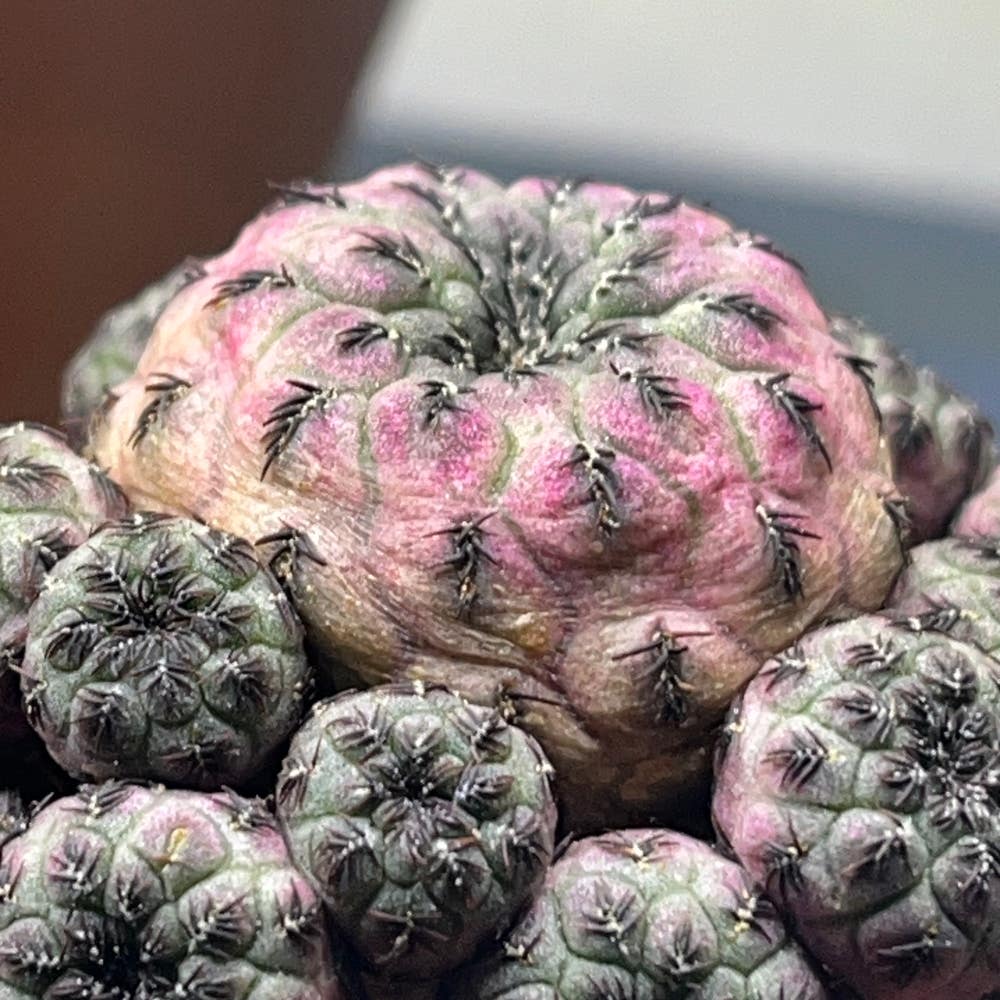
Your cactus has a way of saying "I'm thirsty." Look for signs of dehydration like a shriveled appearance or a lack of firmness. These cues are your green light to water. Remember, it's not just about a schedule; it's about responding to your plant's needs.

How to Water Your Rebutia Canigueralii
💧 Mastering the "Soak and Dry" Method
Soak it, then let it dry. That's the mantra for watering your Rebutia canigueralii. Here's the lowdown:
- Wait for the soil to be bone-dry. No cheating—stick your finger in there to check.
- Drench the pot thoroughly. Water should escape freely from the drainage holes. This isn't a drizzle; it's a downpour for your desert dweller.
- Hold off on the next watering session until the soil is completely dry again. Patience is key.
🌱 The Role of Pot Size and Drainage
Pot size and drainage are your secret weapons against root rot. Here's how to nail it:
- Choose the right pot: Not too big, not too small. Goldilocks would approve. A snug fit means less soil, less moisture, and less trouble.
- Drainage holes are non-negotiable: Your Rebutia's life depends on them. No holes, no hope.
- Material matters: Terra cotta breathes, plastic doesn't. Choose wisely.
- Elevate your game: A pot with feet or a riser gives gravity a helping hand to pull away excess water.
Remember, overwatering is the fast track to a cactus funeral. Keep it dry, keep it alive.

Recognizing and Responding to Watering Issues
💧 Signs of Overwatering
Soggy soil days after watering is your first clue. Your Rebutia canigueralii isn't into waterlogged roots. Look for yellow leaves or a mushy base—these are distress calls. If you spot fungus or mold, it's a full-blown SOS.
🏜️ Signs of Underwatering
Conversely, if your cactus is sporting shriveled leaves or has a droopiness that's not its usual perky self, it's parched. Dry soil that separates from the pot sides is screaming for hydration. And if pests are throwing a party, it's because the bar's dry—time to water.
🚰 Addressing Overwatering
Caught overwatering? Stop—let the earth dry. If your cactus is practically swimming, consider a repot with fresh, draining soil. Use pots with drainage holes to avoid future H2O hoedowns. Adjust your watering to the plant's needs, not your watering can's enthusiasm.
💦 Addressing Underwatering
For a thirsty cactus, don't just sprinkle—soak it. Ensure the water reaches the roots, the lifelines of your plant. If the soil's drying out faster than a comedian's wit, switch to a pot that retains moisture but still drains well. Remember, consistency is key.

Seasonal Watering Adjustments
💧 Adapting to the Growing Season
During the active growth phase, your Rebutia canigueralii is like a sprinter needing more hydration to keep pace. Increase watering frequency to support its energy-intensive time of pushing out flowers and new growth. But keep a sharp eye; enthusiasm can lead to overwatering and the dreaded root rot.
❄️ Winter Dormancy Considerations
When winter rolls in, it's time for your cactus to hibernate. Reduce watering significantly as your plant's metabolism slows down. It's not just about being stingy with water; it's about mimicking the natural desert-like conditions it craves. Overwatering now is like serving a full banquet to someone in a food coma—unnecessary and potentially harmful.
⚠️ Safety First
This content is for general information and may contain errors, omissions, or outdated details. It is not medical, veterinary advice, or an endorsement of therapeutic claims.
Always consult a qualified healthcare professional before using any plant as food, medicine, or supplement.
Never eat any plant (or feed one to pets) without confirming its identity with at least two trusted sources.
If you suspect poisoning, call Poison Control (800) 222-1222, the Pet Poison Helpline (800) 213-6680, or your local emergency service immediately.
Spotted an error? Please report it here.
Ensure your Rebutia canigueralii thrives with just-right watering 🌵 by using Greg's custom watering plan and reminders tailored to your cactus's needs.