🌞 What Temperature Should My Rebutia canigueralii Be Kept At?
Rebutia canigueralii
By the Greg Editorial Team
Jun 18, 2024•3 min read
This article was created with the help of AI so we can cover more plants for you. May contain errors. See one? Report it here.
Keep your cactus happy and healthy by nailing the perfect temps for Rebutia canigueralii 🌵🌡️.
- Daytime sweet spot: 70-85°F (21-29°C); nighttime: 50-60°F (10-15°C).
- Watch for stress signs: Wilting, discoloration, and stunted growth.
- Humidity matters: Use a hygrometer, avoid high humidity to prevent rot.
Dialing in the Perfect Temperature Range
🌡️ What's the Sweet Spot?
Daytime temps for Rebutia canigueralii should hover between 70-85°F (21-29°C). When the sun dips, a slight chill is welcome; aim for 50-60°F (10-15°C) at night. It's like setting the thermostat for a guest who enjoys a warm day and a cool blanket at night.
🍂 Seasonal Shifts
Come winter, your cactus prefers a cooler vibe, around 50-60°F (10-15°C), to mimic its dormant period in the wild. Summer, though, calls for a bit more warmth. Think of it as the plant's vacation season, where it soaks up the sun and grows actively.
🏠 Indoor vs. Outdoor Considerations
Indoors, keep your cactus away from drafts and radiators. It's not a fan of surprises. Outdoors, gradual transitions are key; don't shock it with sudden temperature swings. Use thermal curtains or move it to a shadier spot when the mercury climbs. Remember, it's all about creating a stable, cactus-friendly oasis.

Spotting the Signs of a Chilly or Toasty Cactus
🌵 Visual SOS: Wilting, Discoloration, and More
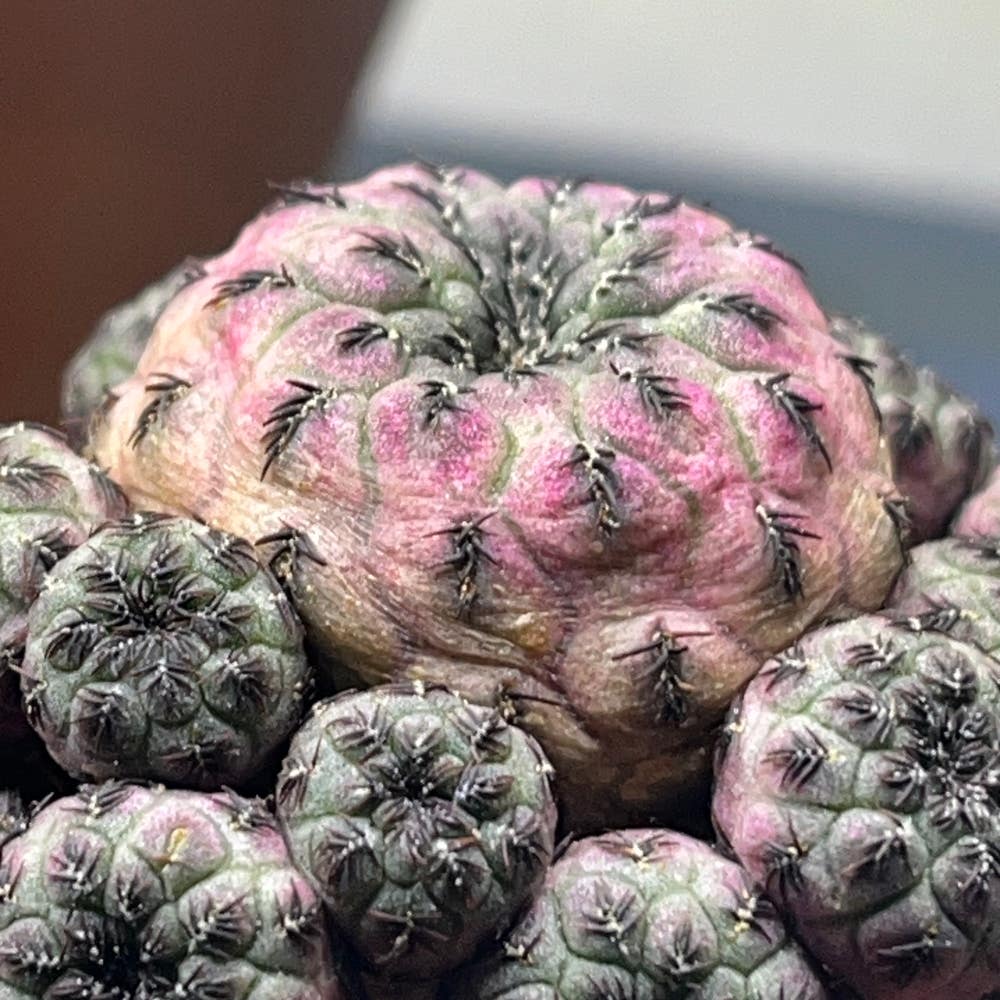
Rebutia canigueralii, like any self-respecting cactus, will throw a fit when temperatures aren't to its liking. Wilting is your first red flag; it's the plant equivalent of saying, "I can't even." If your cactus is sporting discoloration, it's not trying to be trendy—it's stressed. Brown or yellow spots? That's the cactus's version of breaking out in hives.
Growth Tells the Tale
When it comes to growth, this cactus is a bit of a drama queen. Stunted growth is its way of staging a sit-in, protesting unsuitable temperatures. If it's stretching out like it's trying to snag the last cookie from the top shelf, it's likely not getting enough light—another temperature-related issue. Keep an eye out for these growth patterns; they're more telling than a teenager's diary.

When Things Heat Up: Addressing Temperature Stress
🌵 Immediate Steps to Take
When your Rebutia canigueralii starts to feel the burn, act swiftly. If it's baking in the sun, create some shade. Think of it as your cactus's personal umbrella. Too hot indoors? Move it away from radiators and sunny windowsills. A fan can help circulate air, but avoid turning your cactus into a wind turbine test subject.
🌵 Long-Term Strategies
Consistency is your cactus's best friend. Invest in a reliable thermometer to keep track of temperature fluctuations. If you're serious about cactus care, consider a thermostat-controlled heater for the winter months. During scorching summers, reflective screens can shield your spiky friend from the harshest rays. Remember, your Rebutia canigueralii isn't trying to win a tan contest.

The Sneaky Sidekick: Humidity's Brief Role
💧 A Quick Note on Humidity
Humidity might not be the headline act, but it's crucial backstage support for your Rebutia canigueralii. It's all about the balance—too much, and you're setting the stage for rot; too little, and your cactus is gasping for moisture.
Warm air can hold more water vapor, meaning higher humidity could follow a temperature spike. Your cactus isn't a fan of high humidity, so keep it in check. Conversely, low humidity can intensify heat stress, causing your plant to conserve moisture by limiting growth.
Monitor humidity with a hygrometer; it's the unsung hero that prevents your plant's environment from turning into a desert or a swamp. If you're dealing with dry air, a pebble tray or humidifier can be a game-changer. Just remember, it's a balancing act.
Grouping plants can create a microclimate that's just right, but don't crowd your Rebutia canigueralii—it values its personal space. In the end, humidity is like that reliable sidekick—it's got your plant's back, as long as you keep an eye on it.
⚠️ Safety First
This content is for general information and may contain errors, omissions, or outdated details. It is not medical, veterinary advice, or an endorsement of therapeutic claims.
Always consult a qualified healthcare professional before using any plant as food, medicine, or supplement.
Never eat any plant (or feed one to pets) without confirming its identity with at least two trusted sources.
If you suspect poisoning, call Poison Control (800) 222-1222, the Pet Poison Helpline (800) 213-6680, or your local emergency service immediately.
Spotted an error? Please report it here.
Ensure your Rebutia canigueralii flourishes 🌵 by using Greg to monitor its ideal temperature and humidity, avoiding the stress signs of wilting and discoloration.