❄️ Ultimate Guide to Winter Care for Rebutia
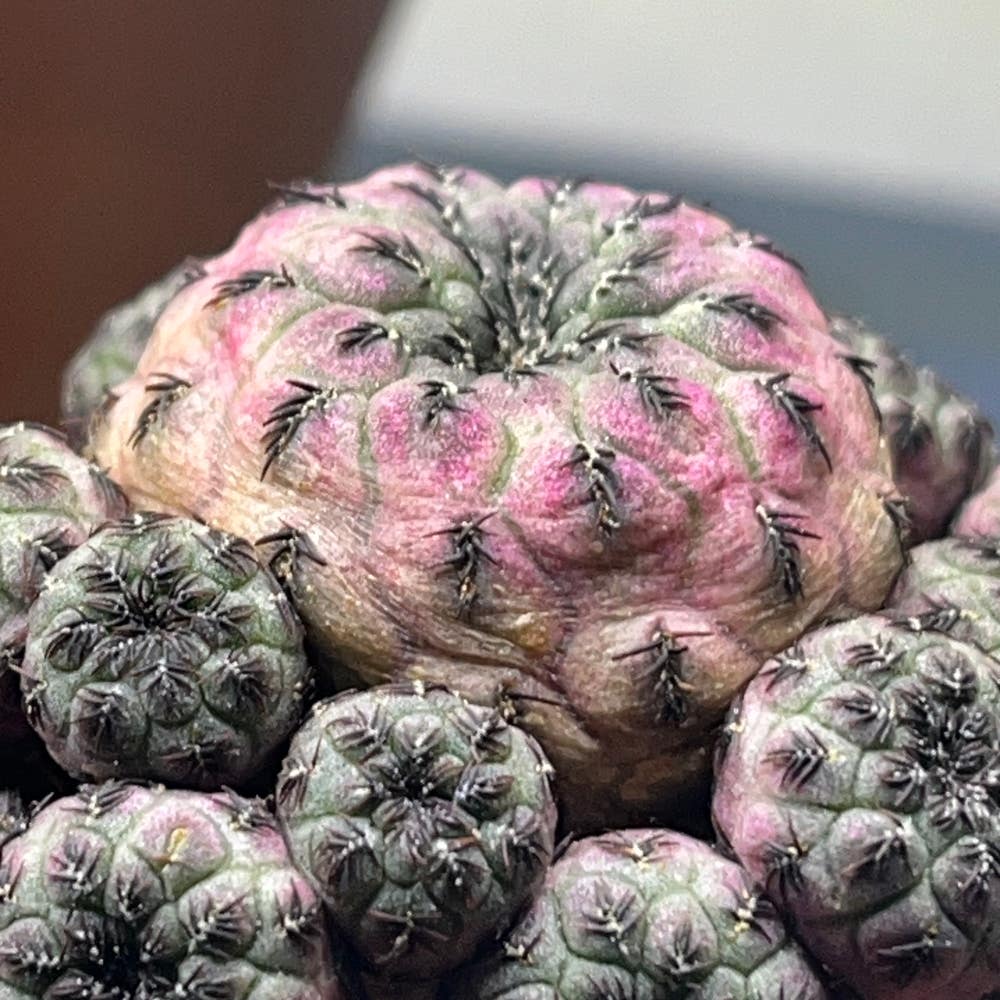
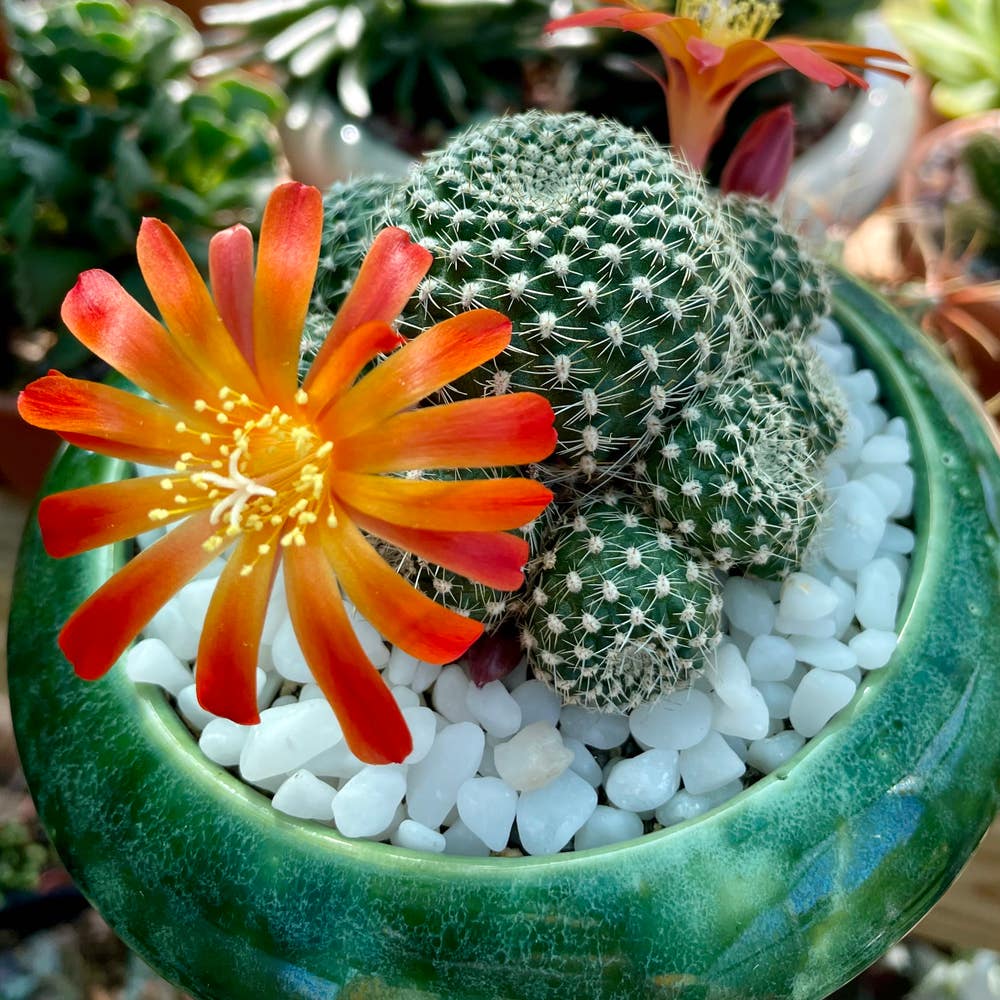
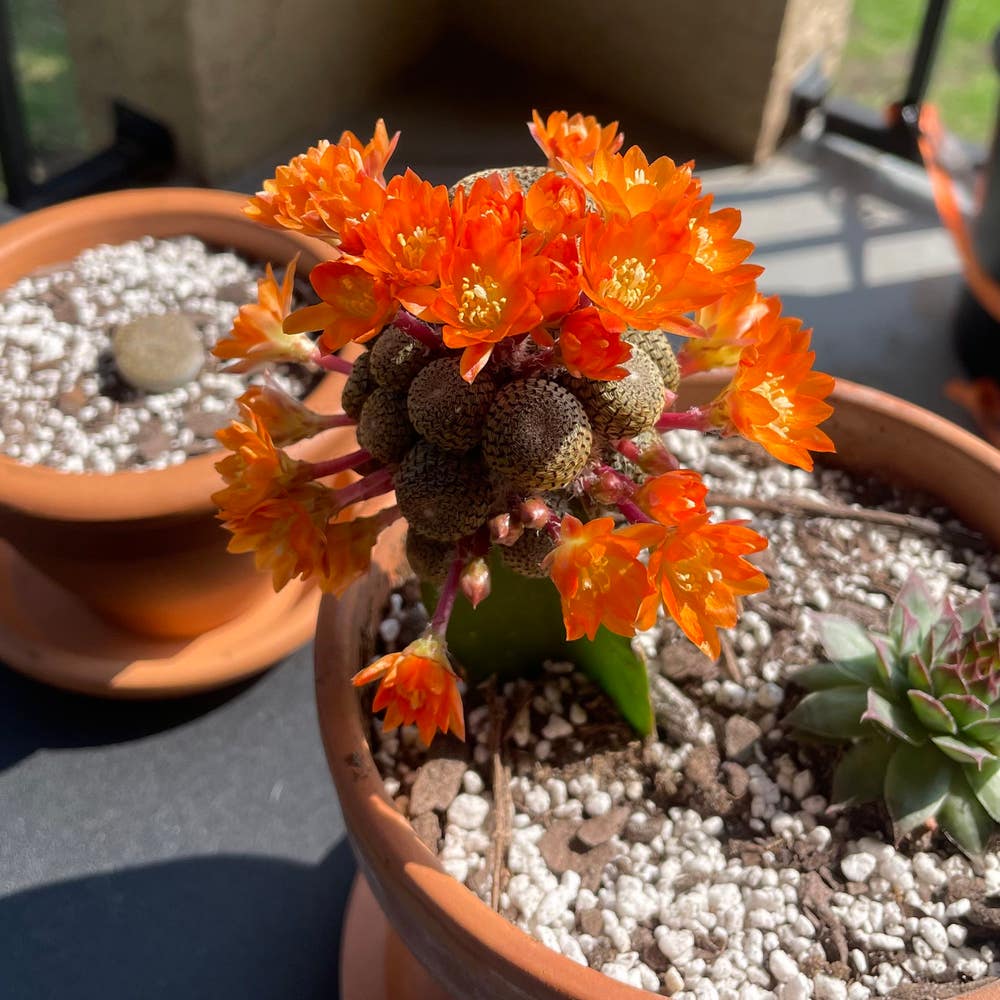
Rebutia canigueralii
By the Greg Editorial Team
Sep 30, 2024•5 min read
This article was created with the help of AI so we can cover more plants for you. May contain errors. See one? Report it here.
Ensure your Rebutia thrives this spring 🌱 by mastering essential winter care techniques for vibrant blooms!
- 💧 Water Rebutia every 4-6 weeks in winter to prevent overwatering.
- ❄️ Protect from frost using cloths and move pots indoors during extreme cold.
- 🌞 Ensure adequate light exposure to promote healthy growth during winter dormancy.
Winter Care Requirements
Adjusting Watering Schedules During Winter 🌊
During winter, it's crucial to adjust your watering schedule for Rebutia. Reduce watering to once every 4-6 weeks to prevent overwatering.
Watch for signs of overwatering, such as yellowing or mushy stems. Always ensure the soil is completely dry before the next watering to keep your plant healthy.
Fertilizing in Winter: What to Know ❄️
A general rule of thumb is to avoid fertilization during the plant's dormancy. Rebutia doesn't need additional nutrients until spring, so hold off on feeding.
As growth resumes in early spring, you can start fertilizing again. This timing ensures your plant gets the nutrients it needs when it's ready to thrive.
Importance of Light Exposure During Winter Months 💡
Light exposure is vital for Rebutia during the winter months. Place your plant in a bright, sunny location to ensure optimal growth.
Insufficient light can lead to stunted growth and poor flowering come spring. If natural light is limited, consider using grow lights to supplement.
By following these winter care requirements, you'll set your Rebutia up for a successful transition into spring. Next, let’s explore effective frost protection strategies to keep your plant safe during the colder months.
Frost Protection Strategies
🌨️ Best Practices for Protecting from Frost
To keep your Rebutia safe from frost, consider using frost cloths or blankets during particularly cold nights. These simple coverings can provide essential insulation against harsh temperatures.
If temperatures drop significantly, moving pots to sheltered areas or indoors is a smart move. This not only protects your plants but also helps them acclimate to changing conditions.
Stay informed about local weather patterns, especially frost warnings. Being proactive can save your plants from unnecessary damage.
🏠 Indoor vs. Outdoor Winter Care
Indoor Winter Care
For indoor Rebutia, maintaining temperatures above 10°C (50°F) is crucial. This warmth helps your cactus thrive during the colder months.
Humidity control is equally important; keep it low to prevent rot. A dry environment is key to ensuring your Rebutia remains healthy.
Outdoor Winter Care
When caring for outdoor Rebutia, first assess the cold hardiness of your specific species. Not all varieties can withstand the same level of frost.
Consider mulching with gravel or stones around the base of your plants. This not only provides insulation but also helps retain soil moisture.
By following these frost protection strategies, you can ensure your Rebutia remains healthy and vibrant through the winter months. As you prepare for the upcoming spring, understanding how to identify signs of winter damage will be essential.
Signs of Winter Damage
🥶 Identifying Frost Damage
Frost damage can be a sneaky foe for your Rebutia. Look for blackened or mushy areas on the stems; these are clear indicators that your plant has suffered.
Long-term effects of frost damage can be significant, leading to reduced flowering potential come spring. Early detection is crucial—acting quickly can prevent further harm and give your plant a fighting chance.
🌱 Recovery Techniques for Damaged Rebutia
If you spot frost damage, the first step is to remove the affected parts. This helps the plant focus its energy on recovery and allows it to dry out properly.
Next, reassess your care routine. Adjust watering and light exposure to better suit your plant's recovery needs.
Timing is everything when it comes to repotting. Wait until you see signs of new growth before making any changes to the potting situation. This ensures your Rebutia is ready for its next chapter.
As you navigate these recovery techniques, remember that patience is key. Your Rebutia can bounce back with the right care and attention.
Spring Preparation
Transitioning from Winter to Spring 🌱
As winter fades, you'll notice signs like increased daylight and warmer temperatures. These cues signal that it's time to start preparing your Rebutia for the growing season.
To ensure a smooth transition, gradually reintroduce your cactus to outdoor conditions over 1-2 weeks. This acclimation helps prevent shock and allows the plant to adjust to the changing environment.
Adjust your watering schedule as growth resumes. Increase the frequency to match the plant's needs, ensuring it receives adequate moisture without risking overwatering.
Signs that Rebutia is Ready for Spring Growth 🌸
Look for new growth indicators, such as fresh spines or budding flowers. These signs are a clear indication that your Rebutia is waking up from its winter dormancy.
Once you see new growth, it's time to start fertilizing. Begin feeding your cactus to support its revitalization and encourage robust growth.
Regular monitoring is essential during this period. Keep an eye out for pests or diseases, as these can hinder your plant's progress and overall health.
With these preparations, your Rebutia will be well-equipped to thrive in the spring. Next, let’s explore some common misconceptions about winter care that can impact your cactus's health.
Common Misconceptions
🥶 Myths About Cold Hardiness
Not all Rebutia species can handle frost equally. Some are more resilient than others, so it’s crucial to know your specific variety before exposing it to cold temperatures.
Another common myth is that Rebutia doesn’t need any care during winter dormancy. In reality, these plants still require attention to thrive when spring arrives.
❄️ Clarifying Care Needs During Winter
Many people mistakenly believe that cacti, including Rebutia, need regular watering throughout winter. This misconception can lead to overwatering, which often results in rot and other issues.
Additionally, some assume that low light conditions are acceptable for winter care. However, insufficient light can significantly hinder growth and flowering when spring comes around.
⚠️ Safety First
This content is for general information and may contain errors, omissions, or outdated details. It is not medical, veterinary advice, or an endorsement of therapeutic claims.
Always consult a qualified healthcare professional before using any plant as food, medicine, or supplement.
Never eat any plant (or feed one to pets) without confirming its identity with at least two trusted sources.
If you suspect poisoning, call Poison Control (800) 222-1222, the Pet Poison Helpline (800) 213-6680, or your local emergency service immediately.
Spotted an error? Please report it here.
Keep your Rebutia thriving this winter ❄️ by adjusting its watering and light exposure, and let Greg guide you with tailored reminders to ensure it flourishes come spring!