🌵 6 Common Rebutia Flowering Issues
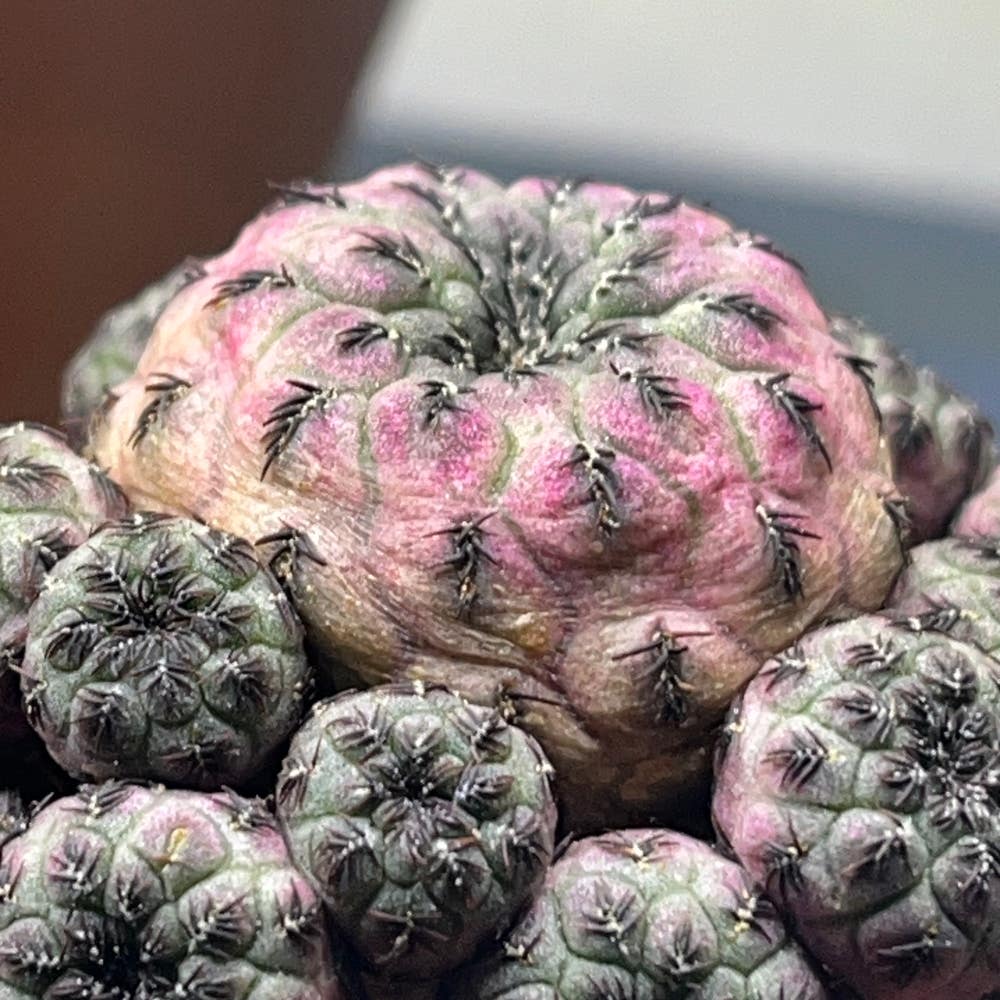
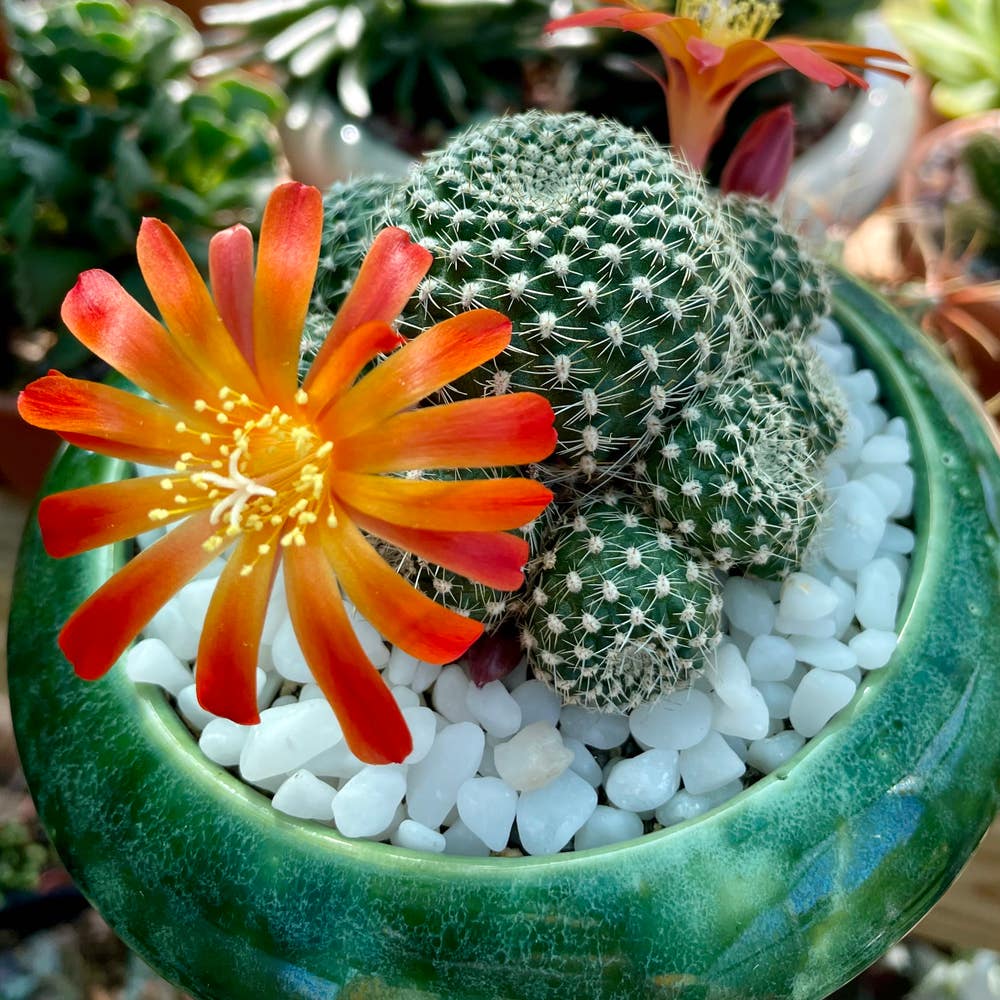
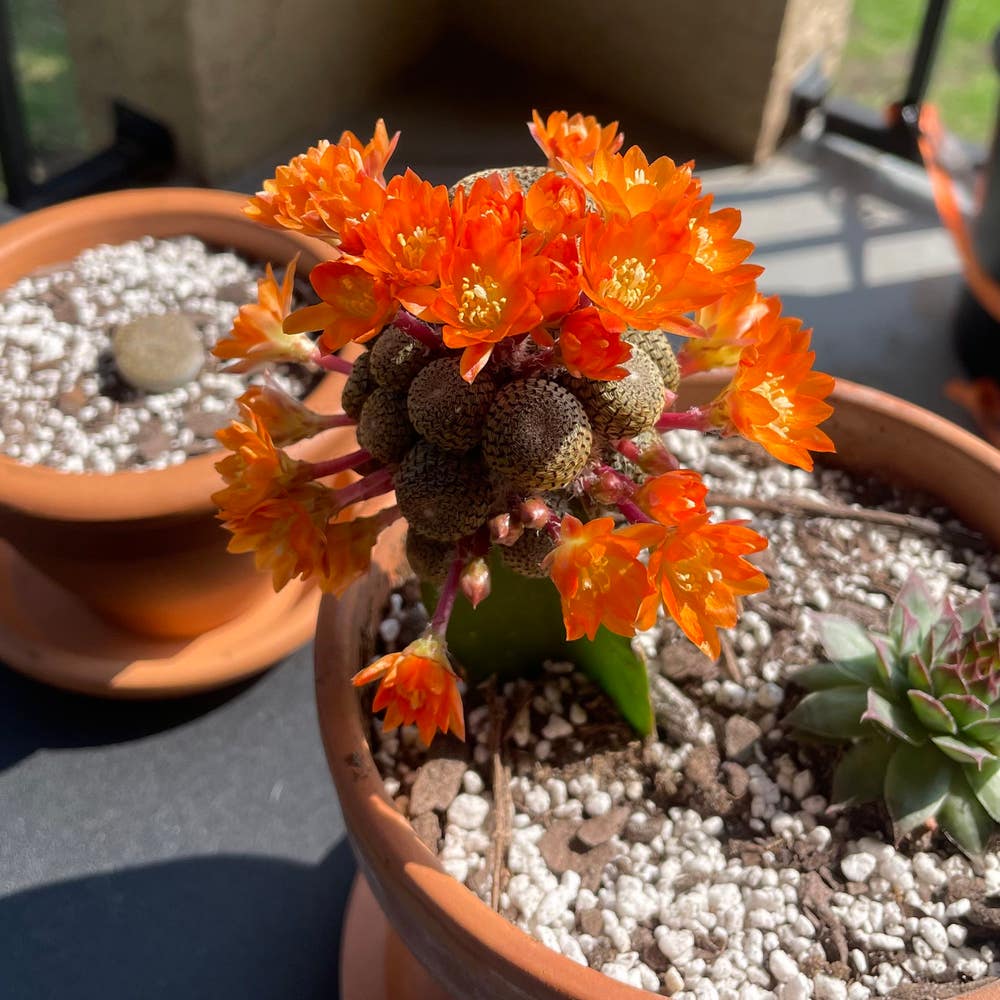
Rebutia canigueralii
By the Greg Editorial Team
Sep 30, 2024•4 min read
This article was created with the help of AI so we can cover more plants for you. May contain errors. See one? Report it here.
Transform your Rebutia into a blooming beauty 🌸 with easy care tips that guarantee vibrant flowers all season long!
- 🌞 Rebutia needs 6 hours of bright light daily for optimal blooming.
- 🌡️ Maintain 20°C to 30°C temperatures for healthy growth and flowering.
- 💧 Water only when soil is dry to prevent overwatering and root rot.
Failure to Bloom
🌞 Potential Causes
Light
Insufficient light exposure can significantly hinder the blooming of your Rebutia. These vibrant cacti thrive on bright, indirect sunlight, and without it, they may refuse to flower.
Temperature
Extreme temperatures can also disrupt the bloom cycle. Keeping your Rebutia in conditions that are too hot or too cold can lead to disappointing results.
Age
Younger Rebutia plants may take longer to flower. Patience is key, as these beauties often need time to mature before showcasing their blooms.
🛠️ Solutions (difficulty: easy)
Adjusting Light Exposure
To encourage blooming, ensure your Rebutia receives at least 6 hours of bright, indirect sunlight daily. This simple adjustment can make a world of difference.
Temperature Control
Maintain temperatures between 20°C to 30°C (68°F to 86°F) during the growing season. This optimal range helps support healthy growth and flowering.
By addressing these common issues, you can set your Rebutia on the path to a stunning display of flowers. Next, let’s explore the problem of premature flower drop and how to tackle it effectively.
Premature Flower Drop
🐛 Potential Causes
Premature flower drop in Rebutia can be frustrating. One of the main culprits is overwatering, which leads to excess moisture, root rot, and stress on the plant.
Environmental changes or pest infestations can also trigger this issue. Sudden shifts in temperature or humidity can shock your Rebutia, causing it to drop buds before they bloom.
💧 Solutions
To combat premature flower drop, start with proper watering techniques. Water your Rebutia only when the top inch of soil feels dry. This helps prevent root rot and keeps your plant healthy.
Using well-draining soil is crucial. It allows excess water to escape, reducing the risk of overwatering.
Next, focus on stress reduction. Minimize sudden changes in your plant's environment, like moving it to a different location or altering light exposure drastically.
Regularly check for pests, as infestations can lead to significant stress. Keeping an eye on your plant can help you catch any issues early, ensuring your Rebutia stays vibrant and ready to bloom.
By addressing these potential causes and implementing these solutions, you can help your Rebutia thrive and enjoy a beautiful display of flowers.
Next, let’s explore abnormal flower development and how to ensure your blooms are healthy and vibrant.
Abnormal Flower Development
🥦 Potential Causes
Abnormal flower development in Rebutia can often be traced back to two main culprits: nutritional deficiencies and pests. When your cactus lacks essential nutrients, the flowers may appear weak or poorly formed.
Pests can also wreak havoc on flower health. Infestations, particularly from mealybugs, can lead to distorted blooms and overall plant stress.
🛠️ Solutions
To combat these issues, start with fertilization. Using a balanced cactus fertilizer during the growing season is crucial. Be sure to follow the package instructions for the best results.
Pest management is equally important. Regularly inspect your Rebutia for pests, especially mealybugs. If you spot any, treat them promptly with insecticidal soap to protect your blooms.
By addressing these potential causes and implementing effective solutions, you can encourage vibrant, healthy flowers on your Rebutia.
Next, let’s explore how proper pruning techniques can further enhance your cactus's flowering potential.
Pruning for Better Blooms
Techniques 🌿
Pruning your Rebutia cactus is essential for optimal flowering. The best time to prune is right after the blooming period; this encourages new growth and prepares the plant for the next flowering cycle.
When pruning, focus on removing dead or damaged parts. This not only improves the plant's appearance but also helps redirect energy toward healthier growth.
Effects of Pruning on Flower Production 🌸
Proper pruning can significantly stimulate new growth. By cutting back the plant after flowering, you enhance its potential for future blooms, ensuring a vibrant display in the next season.
Incorporating these techniques into your care routine can lead to a more robust and flourishing Rebutia. As you nurture your plant, remember that each snip is a step toward a more beautiful bloom.
Now that you've mastered pruning, let's explore how seasonal care adjustments can further enhance your Rebutia's flowering potential.
Seasonal Care Adjustments
Modifying Care Practices 🌱
Adjusting your watering and fertilization schedules is crucial during the blooming period. As your Rebutia prepares to flower, ensure it receives the right amount of nutrients and moisture to thrive.
Importance of Seasonal Changes on Flowering 🌸
Recognizing the natural dormancy period in winter is essential for your plant's health. During this time, reduce watering and fertilization to prepare your Rebutia for vibrant spring blooms.
By understanding these seasonal adjustments, you can significantly enhance your plant's flowering potential. With the right care, your Rebutia will reward you with stunning blooms when the season arrives.
Next, let’s explore how proper pruning techniques can further improve your Rebutia's flowering performance.
⚠️ Safety First
This content is for general information and may contain errors, omissions, or outdated details. It is not medical, veterinary advice, or an endorsement of therapeutic claims.
Always consult a qualified healthcare professional before using any plant as food, medicine, or supplement.
Never eat any plant (or feed one to pets) without confirming its identity with at least two trusted sources.
If you suspect poisoning, call Poison Control (800) 222-1222, the Pet Poison Helpline (800) 213-6680, or your local emergency service immediately.
Spotted an error? Please report it here.
Achieve breathtaking blooms on your Rebutia 🌸 by using Greg's tailored care reminders to master light, watering, and temperature for thriving cacti!