🌵 3 Essential Outdoor Rebutia Care Routines
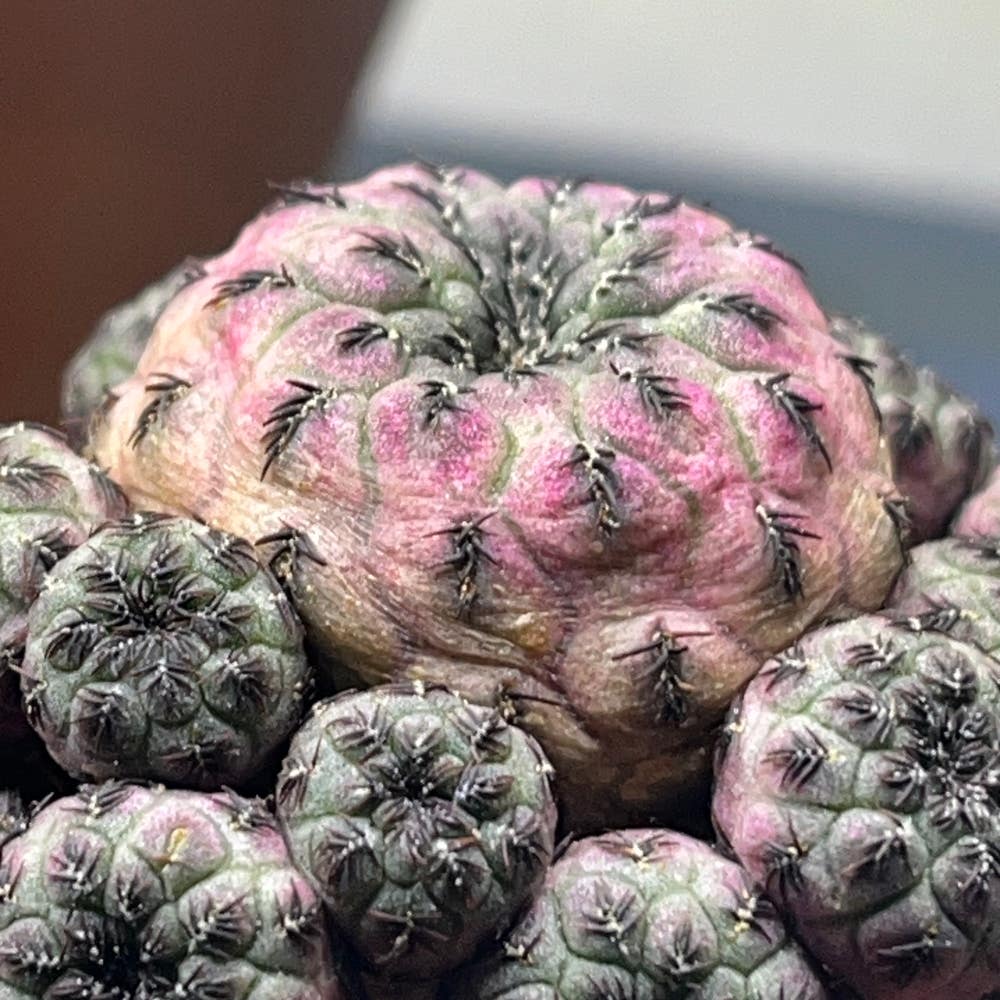
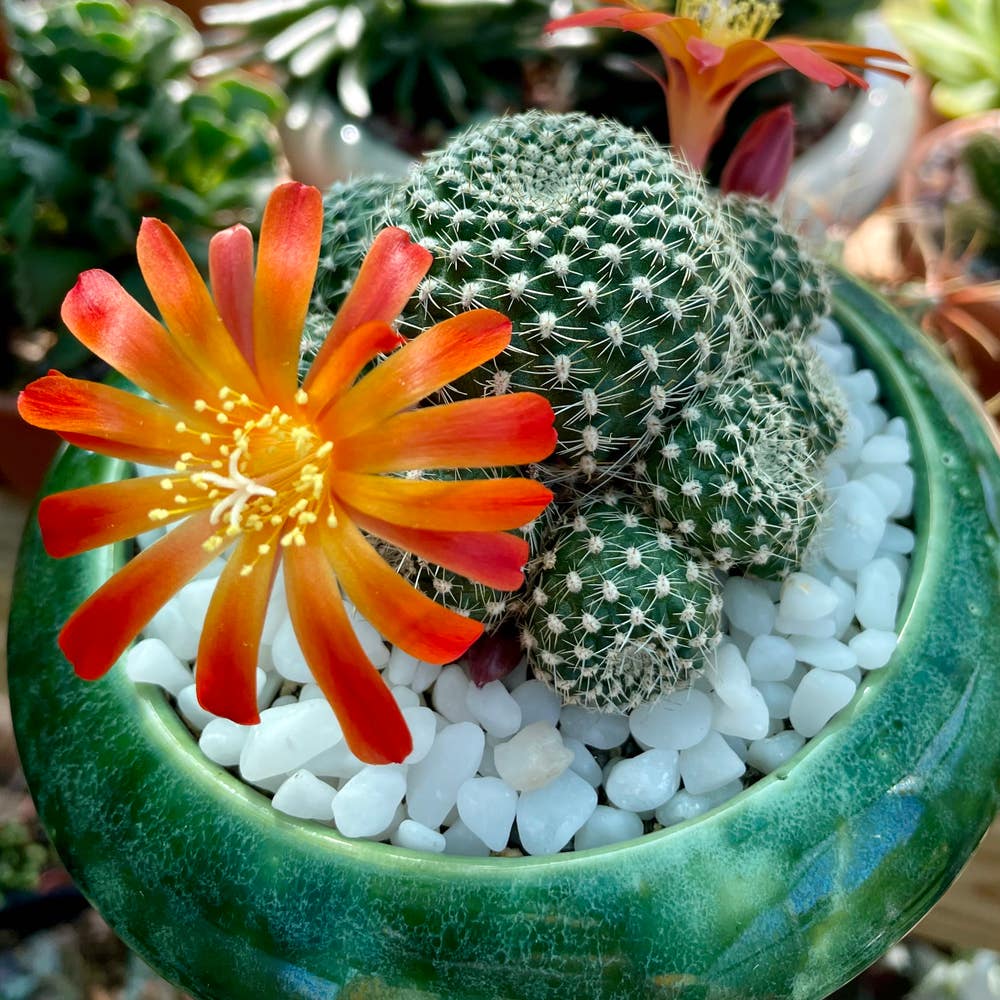
Rebutia canigueralii
By the Greg Editorial Team
Sep 30, 2024•4 min read
This article was created with the help of AI so we can cover more plants for you. May contain errors. See one? Report it here.
Elevate your Rebutia's beauty 🌵 with essential care tips for sunlight, watering, and seasonal protection!
- ☀️ Rebutia needs 6-8 hours of sunlight daily for optimal growth and blooming.
- 💧 Water deeply but infrequently; allow soil to dry completely between waterings.
- 🌱 Use well-draining soil and pots with drainage holes to prevent root rot.
Sunlight and Location
Ideal sunlight conditions 🌞
Rebutia thrives in full sun, requiring 6-8 hours of direct sunlight daily. Without adequate light, you may notice stunted growth and fewer flowers, which can be disappointing for any plant lover.
Choosing the right location for planting 🏡
When selecting a planting spot, consider proximity to structures that can offer wind protection. It's also crucial to avoid shaded areas from trees or buildings, as these can hinder your plant's growth.
Recommendations for optimal placement 🌄
Aim for south-facing slopes or areas with good airflow. This positioning not only maximizes sunlight exposure but also helps in maintaining a healthy environment for your Rebutia.
By ensuring your Rebutia gets the right sunlight and is planted in an optimal location, you're setting the stage for vibrant blooms and robust growth. Next, let’s dive into the watering requirements that will keep your plant thriving.
Watering Requirements
🌊 Effective watering techniques
Watering your Rebutia is crucial for its health. Allow the soil to dry out completely between waterings to prevent root issues.
During the growing season, aim to water deeply but infrequently. This encourages strong root development and helps your plant thrive.
🚰 Signs of overwatering and underwatering
Recognizing the signs of overwatering is essential. Look for yellowing stems, a mushy texture, and root rot as indicators that your plant is receiving too much water.
On the flip side, underwatering can also harm your Rebutia. Symptoms include wrinkled skin, drooping, and stunted growth, signaling that it’s time to hydrate your plant.
Understanding these watering requirements will set you on the right path to nurturing a healthy Rebutia. Next, let’s explore the best soil preferences for optimal growth.
Soil Preferences
Best Soil Types 🌱
Choosing the right soil is crucial for your Rebutia's health. A well-draining cactus mix is ideal, but you can also create a custom blend using potting soil, sand, and perlite.
Maintaining a slightly acidic to neutral pH (between 6.0 and 7.0) is essential. This balance helps your cactus thrive and promotes healthy growth.
Importance of Drainage 🚰
Proper drainage is non-negotiable for Rebutia care. Always opt for pots with drainage holes or consider raised beds if planting in the ground.
Poor drainage can lead to severe issues like root rot and fungal diseases. Ensuring your plants have the right environment will keep them vibrant and flourishing.
With the right soil and drainage techniques in place, your Rebutia will be set for success. Next, let’s explore effective watering techniques to keep your cactus hydrated and happy.
Fertilization Techniques
Recommended fertilizers 🌱
Choosing the right fertilizer is crucial for your Rebutia's health. A balanced cactus fertilizer with an NPK ratio of 10-10-10 works wonders, providing essential nutrients without overwhelming the plant.
For those who prefer organic options, compost or worm castings are excellent choices. They offer slow-release nutrients, ensuring your cactus gets what it needs over time.
Timing and frequency ⏰
When it comes to fertilization, timing is everything. Aim to fertilize every 4-6 weeks during the growing season, which spans spring and summer.
As the seasons change, adjust your fertilization frequency. In fall and winter, your Rebutia will need less, allowing it to rest and conserve energy.
With these fertilization techniques, your Rebutia will thrive, setting the stage for vibrant blooms and robust growth. Next, let’s explore how to protect your plant from extreme weather conditions.
Weather Protection and Seasonal Care
Protecting from Extreme Weather 🌪️
Extreme weather can be a challenge for your Rebutia, but with the right strategies, you can keep them thriving. Using shade cloth during scorching heat helps shield them from sunburn while allowing airflow.
Mulching is another effective technique. It retains moisture and regulates soil temperature, creating a stable environment for your plants.
Seasonal Care Routines 🌸
Each season brings unique care requirements for your Rebutia.
- Spring: This is the time for fertilization and repotting if necessary. Fresh soil and nutrients kickstart growth.
- Summer: Regular watering and pest inspections are crucial. Keep an eye out for any unwanted visitors.
- Fall: Gradually reduce watering as temperatures drop. Your plants will appreciate the transition.
- Winter: Protect them from frost by bringing containers indoors. A little extra care goes a long way.
Adjusting Care Based on Climate Zones 🌍
Understanding your climate zone is key to successful Rebutia care. Familiarize yourself with USDA hardiness zones to tailor your practices effectively.
In arid zones, you may need to water more frequently, while humid climates require less. Adjusting your care based on these factors ensures your Rebutia remains healthy and vibrant year-round.
With these weather protection strategies and seasonal routines, your Rebutia will flourish, ready to brighten your outdoor space. Next, let’s dive into the essential soil preferences for optimal growth.
⚠️ Safety First
This content is for general information and may contain errors, omissions, or outdated details. It is not medical, veterinary advice, or an endorsement of therapeutic claims.
Always consult a qualified healthcare professional before using any plant as food, medicine, or supplement.
Never eat any plant (or feed one to pets) without confirming its identity with at least two trusted sources.
If you suspect poisoning, call Poison Control (800) 222-1222, the Pet Poison Helpline (800) 213-6680, or your local emergency service immediately.
Spotted an error? Please report it here.
Keep your Rebutia cacti thriving and blooming 🌼 with Greg's personalized care tips and watering reminders that take the guesswork out of your plant care routine!