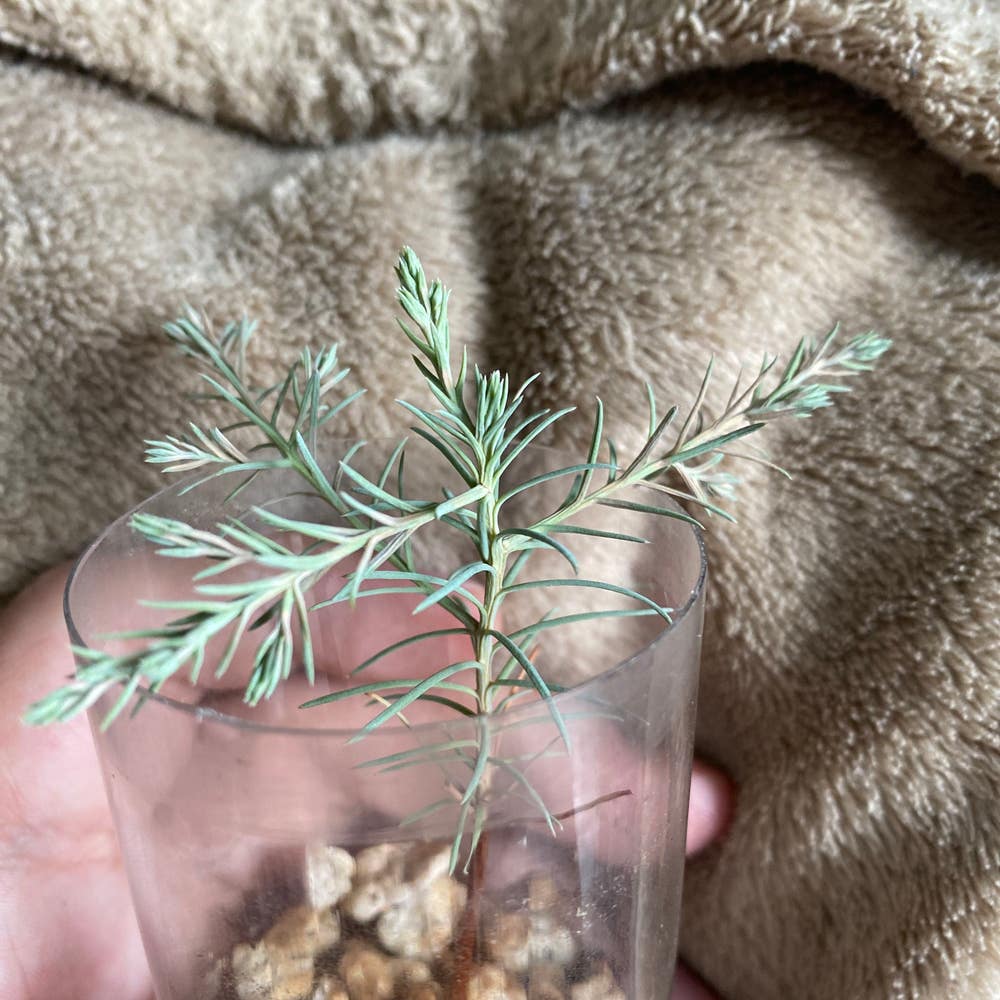
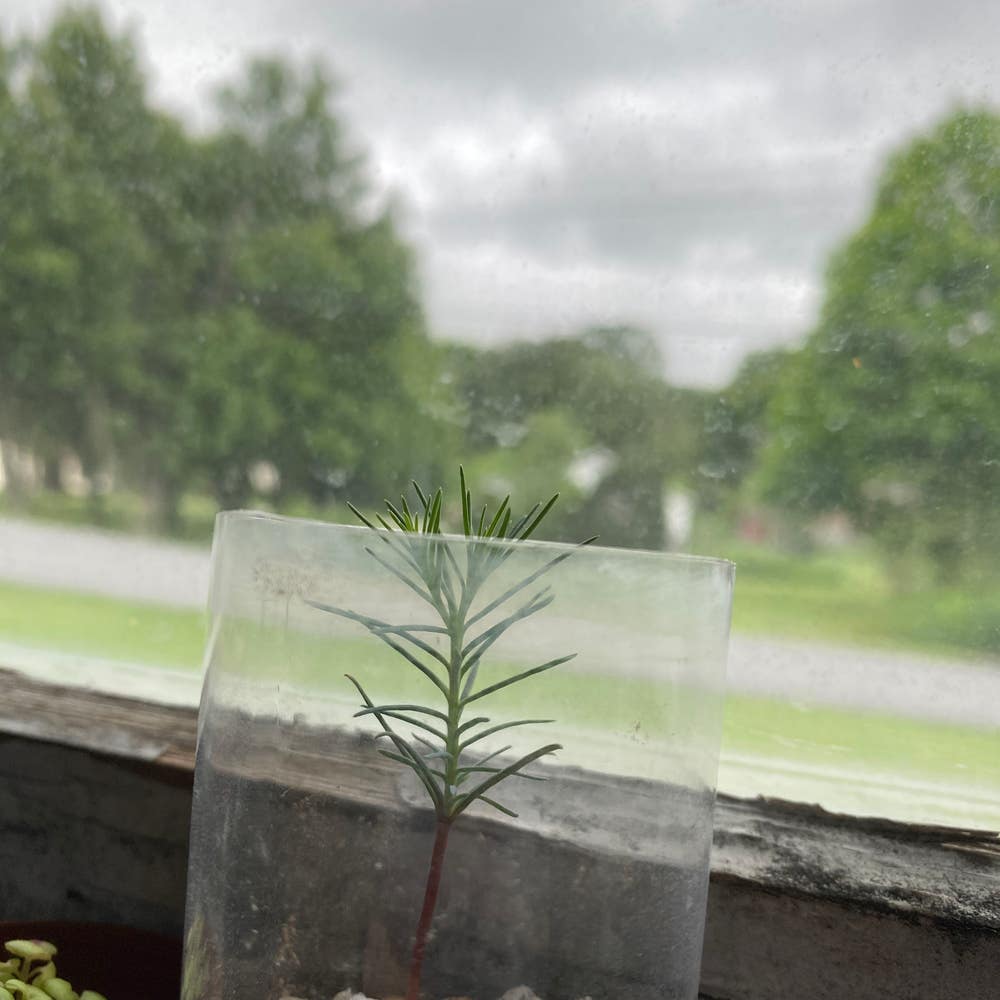
Ultimate Guide for When to Plant Blue Spruce
Picea pungens
By the Greg Editorial Team
Jul 28, 2024•5 min read
This article was created with the help of AI so we can cover more plants for you. May contain errors. See one? Report it here.
Ensure your Blue Spruce thrives with our tailored planting timeline guide. 🌲📅
- 🌱 Plant after last spring frost to prevent Blue Spruce frost damage.
- 🌡️ Soil temperature matters: Above freezing, yet cool for root growth.
- 📅 Regional guidelines vary: Check local conditions for optimal planting times.
Understanding Planting Timelines
❄️ Frost Dates and Blue Spruce
Blue Spruce seedlings are vulnerable to frost heaving, which can dislodge their shallow roots. To mitigate this, planting should occur well after the average last spring frost date and before the first fall frost date. These dates vary by location and can be found through resources like NOAA or Dave's Garden.
- Average last spring frost date: The last date in spring when a frost could occur.
- Average first fall frost date: The first date in the fall when a frost is likely to happen.
🌡️ Soil Temperature Considerations
Soil temperature plays a pivotal role in the successful establishment of Blue Spruce roots. The ideal soil temperature for planting Blue Spruce is consistently above freezing but cool enough to encourage root growth without stressing the young tree.
- Optimal soil temperature range: Above freezing to moderately cool.
- Root growth: Encouraged by stable, non-extreme soil temperatures.
🌞 Day Length and Growth Cycles
Day length influences the growth cycle of Blue Spruce, with longer daylight hours promoting better growth. In northern regions, where the growing season is shorter, maximizing sunlight exposure is crucial for the development of the tree.
- Northern regions: Require maximum sunlight due to shorter growing seasons.
- Day length: Longer daylight hours are beneficial for growth.
Planting Blue Spruce in Key States
📅 Regional Timing Guidelines
Blue Spruce thrives across various climates, but timing is everything. General factors influencing planting times include frost dates, elevation, and local weather patterns. For instance, in milder climates, you can plant year-round, but in areas with harsh winters, late winter or early spring is optimal to avoid frost damage.
🗺 State-Specific Examples
- Florida: Aim for the post-frost period to kickstart growth.
- California: Take advantage of the long growing season and plant in late winter to early spring.
- Texas: Adjust for climate variations; early spring planting is ideal, post-frost.
- New York: With shorter seasons, plant in spring as soon as the soil is workable.
- Colorado: High elevations require waiting until late spring or early summer.
- Ohio: Similar to New York, early spring planting post-frost is best.
These examples are consolidated to guide beginners through the complexities of regional planting times for Blue Spruce.
Seed Starting Strategies
🌱 Indoor Seed Starting
Starting Blue Spruce seeds indoors allows you to get a jump on the growing season, especially in regions with shorter warm periods. Here's how to do it right:
- Begin 10-12 weeks before the last expected frost date to give your seedlings enough time to grow strong.
- Use a well-draining commercial potting mix and plant seeds about ¼ inch deep.
- Keep the soil moist but not waterlogged and place the seed trays in a warm, bright location.
- Once the seedlings have a couple of sets of true leaves and the danger of frost has passed, gradually acclimate them to outdoor conditions before transplanting.
🌲 Direct Sowing Outdoors
For those in milder climates or with the patience to let nature take its course, direct sowing Blue Spruce seeds outdoors is a viable option:
- Wait until after the last frost date to sow the seeds directly into their permanent location.
- Choose a sunny spot with well-draining soil to avoid root rot and other moisture-related issues.
- Plant seeds ¼ inch deep and lightly cover with soil, ensuring consistent moisture until germination.
- Consider using a clear plastic cover to maintain humidity and warmth until the seeds sprout.
Direct sowing may require more patience, as germination can take 1-2 months. However, it eliminates the need for transplanting, which can sometimes shock young seedlings.
Nationwide Planting Calendar
📅 Best Times to Plant Blue Spruce
Planting Blue Spruce at the right time is pivotal for its survival and growth. Here's a month-by-month guide to help you plan:
- January to February: In southern states with mild winters, like Florida and Texas, this is an ideal time to plant.
- March to April: For states with moderate climates, such as California and New York, early spring after the last frost is best.
- May to June: In cooler northern states like Ohio, late spring is a safe bet to avoid late frosts.
- July to August: Generally not recommended due to heat, except in very mild climates.
- September to October: In states like Colorado, fall planting can be successful, capitalizing on cooler temperatures and moisture.
- November to December: In mild climates, planting can continue, but in colder states, it's time to wait until spring.
Adapting to Local Conditions
Local weather patterns and soil conditions can significantly influence planting times:
- Check frost dates: Use local frost date calendars to determine the safe planting window.
- Soil temperature: Ensure the soil is warm enough for root establishment, typically above 50°F.
- Local advice: Consult with local nurseries or extension services for tailored advice.
- Observe nature: Look for signs of spring, such as the blooming of native plants, as cues for planting.
Remember, these are general guidelines. Always adjust for your specific local conditions to give your Blue Spruce the best start.
⚠️ Safety First
This content is for general information and may contain errors, omissions, or outdated details. It is not medical, veterinary advice, or an endorsement of therapeutic claims.
Always consult a qualified healthcare professional before using any plant as food, medicine, or supplement.
Never eat any plant (or feed one to pets) without confirming its identity with at least two trusted sources.
If you suspect poisoning, call Poison Control (800) 222-1222, the Pet Poison Helpline (800) 213-6680, or your local emergency service immediately.
Spotted an error? Please report it here.
Plant your Blue Spruce with confidence and zero guesswork 🌲 by leveraging Greg's geolocation insights for the ideal planting time tailored to your local climate.