Blue Spruce Is Not an Annual
Picea pungens
By the Greg Editorial Team
Jul 28, 2024•4 min read
This article was created with the help of AI so we can cover more plants for you. May contain errors. See one? Report it here.
Embrace the Blue Spruce's majestic longevity and hardiness in your perennial garden 🌲.
- 🌲 Blue Spruce is perennial, not annual, thriving for decades in cold climates.
- 🌱 Misconceptions arise from slow growth and environmental factors, not annual reproduction.
- 📅 Garden planning essential for Blue Spruce's long-term health and garden aesthetics.
Blue Spruce Perennial Traits
Blue Spruce, known scientifically as Picea pungens, stands as a testament to resilience and longevity in the plant kingdom. Its growth pattern is slow and steady, aiming for the long haul rather than the fleeting flourish of annuals. This conifer's hardiness is evident in its ability to withstand freezing temperatures and thrive in USDA Hardiness Zones 2-8.
- Long-term growth: Blue Spruce trees can live for several decades, growing into towering figures with a dense, conical crown.
- Hardiness: They are well-adapted to cold climates, with their stiff, sharp needles and dense branching providing robust defense against harsh winters.
The reproductive strategy of Blue Spruce is equally enduring. Unlike annuals that complete their life cycle within a single growing season, Blue Spruce takes its time to mature and produce seeds. Its cones, which house the seeds, are covered with thin scales that open on warm days to release their bounty, contributing to forest regeneration and the broader ecosystem.
- Reproductive cycle: It may take years for a Blue Spruce to reach reproductive maturity, but once it does, it can produce cones annually.
- Seed production: The seeds not only foster new generations of spruces but also nourish wildlife, integrating the tree into the local food web.
Common Misconceptions
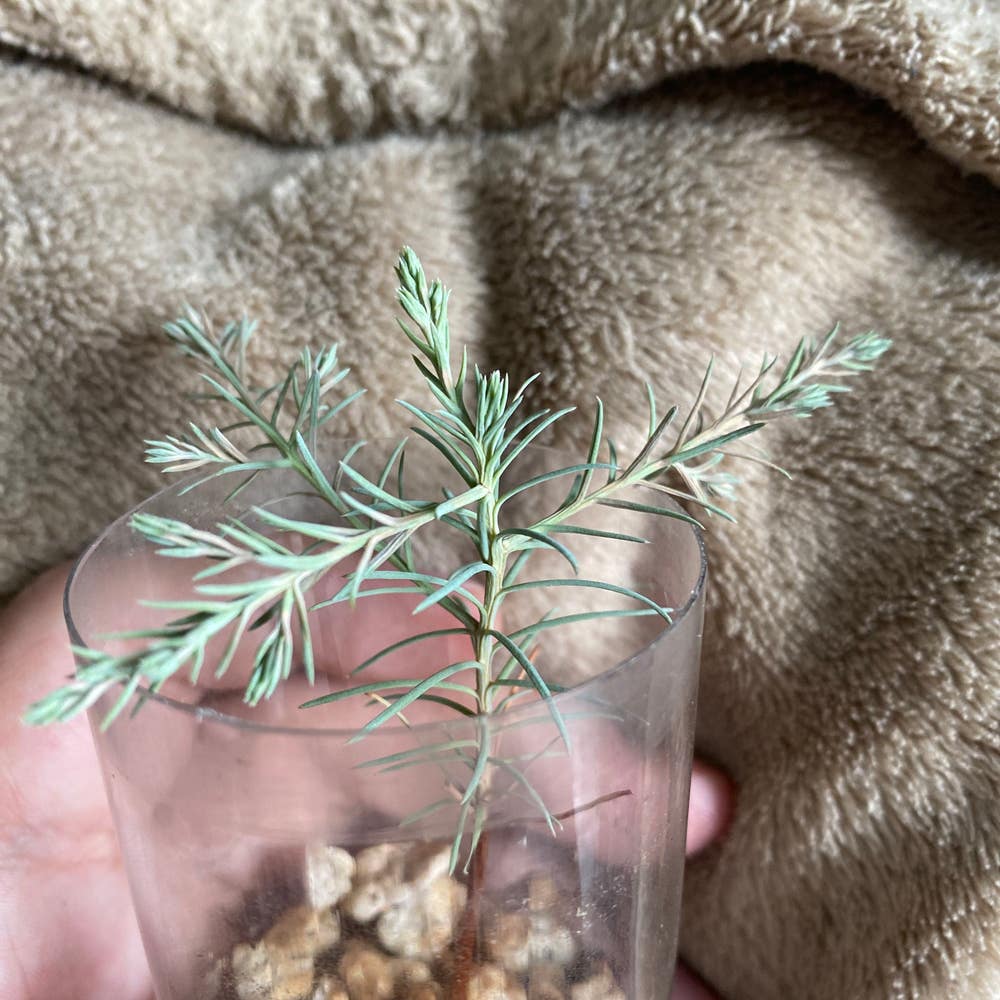
It's easy to see why some might peg the Blue Spruce as an annual. Its striking blue-green needles and majestic stature make it a standout in any season, leading to assumptions about its lifecycle. Here's why those assumptions miss the mark:
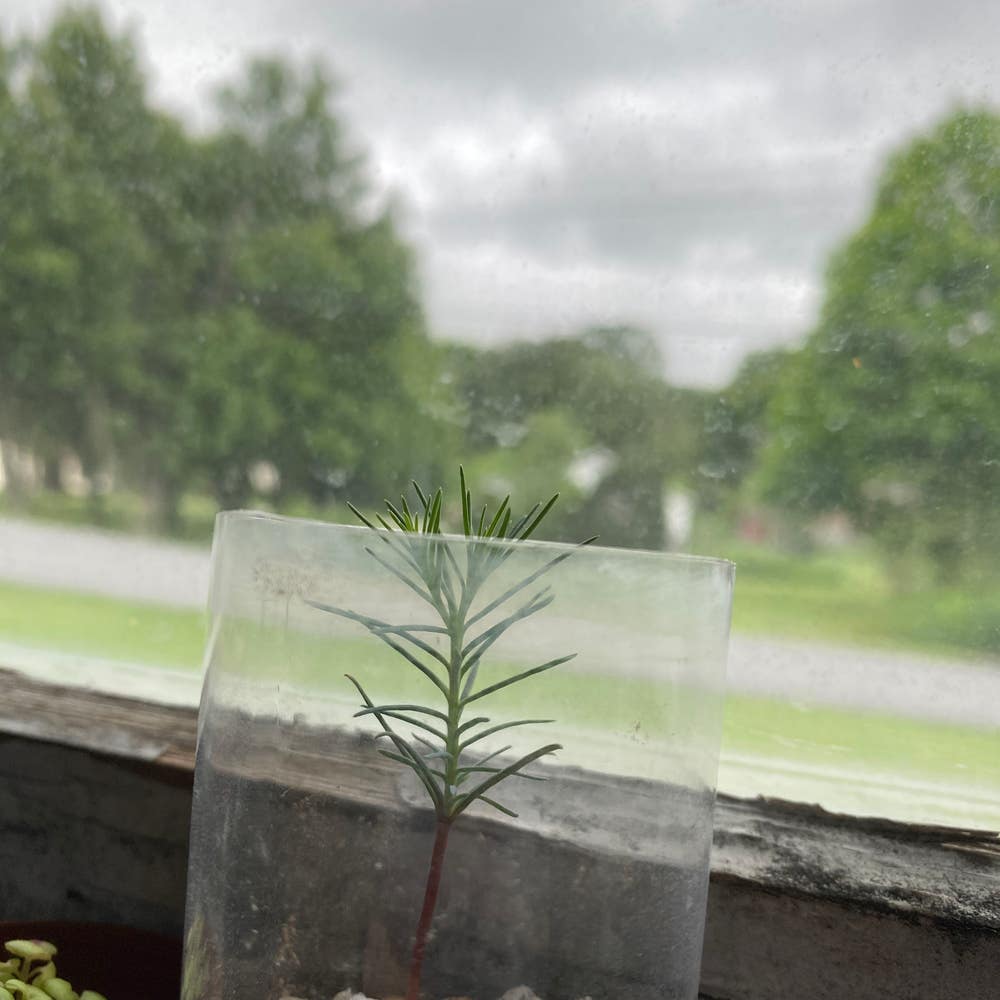
- Visual Similarity: Blue Spruce shares a superficial resemblance with some annuals, especially when young, which can lead to confusion.
- Growth Rate: With a slow growth rate, it's sometimes thought that Blue Spruce must be replanted often like annuals, but in reality, they're in it for the long haul.
🌍 Regional and Conditional Exceptions
While Blue Spruce is a perennial through and through, certain factors can muddy the waters:
- Climate Variance: In its native arid Rocky Mountain habitat, Blue Spruce thrives. However, in more humid regions, it may struggle, leading to the misconception that it's less hardy, like an annual.
- Misidentification: It's not uncommon for Blue Spruce to be mistaken for other species, which can contribute to classification errors.
- Stress Factors: Environmental stressors, such as fungal pathogens in humid climates, can cause Blue Spruce to decline prematurely, mimicking the short-lived nature of annuals.
Understanding these nuances helps gardeners appreciate the true perennial nature of Blue Spruce, ensuring this conifer gets the recognition—and the care—it deserves.
Gardening with Blue Spruce
Blue Spruce trees are a long-term investment in any garden's future. Here's how to make the most of their perennial nature:
Planning for longevity:
- Start by understanding the space Blue Spruce will occupy as it matures. These trees can live for decades, so choose a spot where they can spread without crowding.
- Consider the soil conditions. Blue Spruce prefers acidic soil, so test your soil pH and amend it if necessary to create an optimal growing environment.
Designing with Blue Spruce:
- Use Blue Spruce as a focal point in your garden due to its striking blue-green needles and majestic stature.
- Pair with companion plants that complement its color and texture. For example, underplant with Vinca for a pop of purple in spring or Bearberry for added fall interest with its red berries.
- Think about year-round visual interest. Blue Spruce's evergreen nature provides a constant backdrop for seasonal blooms and foliage changes in other garden plants.
- Keep in mind the tree's role in your garden's ecosystem. Its dense foliage can offer shelter to birds and its cones can provide food for wildlife.
Caring for Blue Spruce
Blue Spruce trees are hardy perennials that require specific care to maintain their health and vigor. Here's how to keep them thriving year-round.
🌿 Ensuring Health and Vigor
- Watering is crucial, especially after planting and during dry spells. Mature trees, however, often get enough moisture from rainfall.
- Fertilize in early spring with a balanced fertilizer to kickstart growth.
- Prune only when necessary, removing dead or damaged branches in spring to prevent disease and promote a tidy appearance.
🌦 Seasonal Considerations
- Spring: This is the time for planting bare-root trees and fertilizing. Ensure the soil is moist and mulch to retain moisture.
- Summer: Watch for pests like adelgids and spider mites. Natural predators or manual removal can be effective controls.
- Fall: Prepare your Blue Spruce for the colder months by giving it a thorough watering before the first freeze.
- Winter: If planted in a suitable location, Blue Spruce should not require winter care. However, avoid heavy snow accumulation on branches to prevent damage.
⚠️ Safety First
This content is for general information and may contain errors, omissions, or outdated details. It is not medical, veterinary advice, or an endorsement of therapeutic claims.
Always consult a qualified healthcare professional before using any plant as food, medicine, or supplement.
Never eat any plant (or feed one to pets) without confirming its identity with at least two trusted sources.
If you suspect poisoning, call Poison Control (800) 222-1222, the Pet Poison Helpline (800) 213-6680, or your local emergency service immediately.
Spotted an error? Please report it here.
Ensure your Blue Spruce thrives season after season 🌲 with Greg's personalized care schedule, from watering to winter prep.