How Long a Blue Spruce Lives
Picea pungens
By the Greg Editorial Team
Jul 28, 2024•3 min read
This article was created with the help of AI so we can cover more plants for you. May contain errors. See one? Report it here.
Unveil the Blue Spruce's life cycle 🌲, pivotal for sustaining diverse forest life.
- 🌲 Blue Spruce lifespan: typically 150-200 years, with peak fertility at 50-150.
- 🌱 Reaches full maturity in 25-30 years, with environmental factors influencing growth.
- 🌞💧 Optimal growth conditions: ample water, sunlight, shade, and fertile soil are crucial.
Seed to Seedling
🌱 Germination Process
Blue Spruce seeds embark on their life journey with a period of cold stratification, a chilling phase crucial for preventing premature sprouting. This dormancy-breaking process typically spans 30 days, after which seeds require warmth, light, and consistent moisture to germinate—a phase lasting anywhere from 14 to 28 days. Once these conditions are met, the seeds split, sending roots down and shoots up in a delicate balance of nature's timing.
🌿 Early Growth
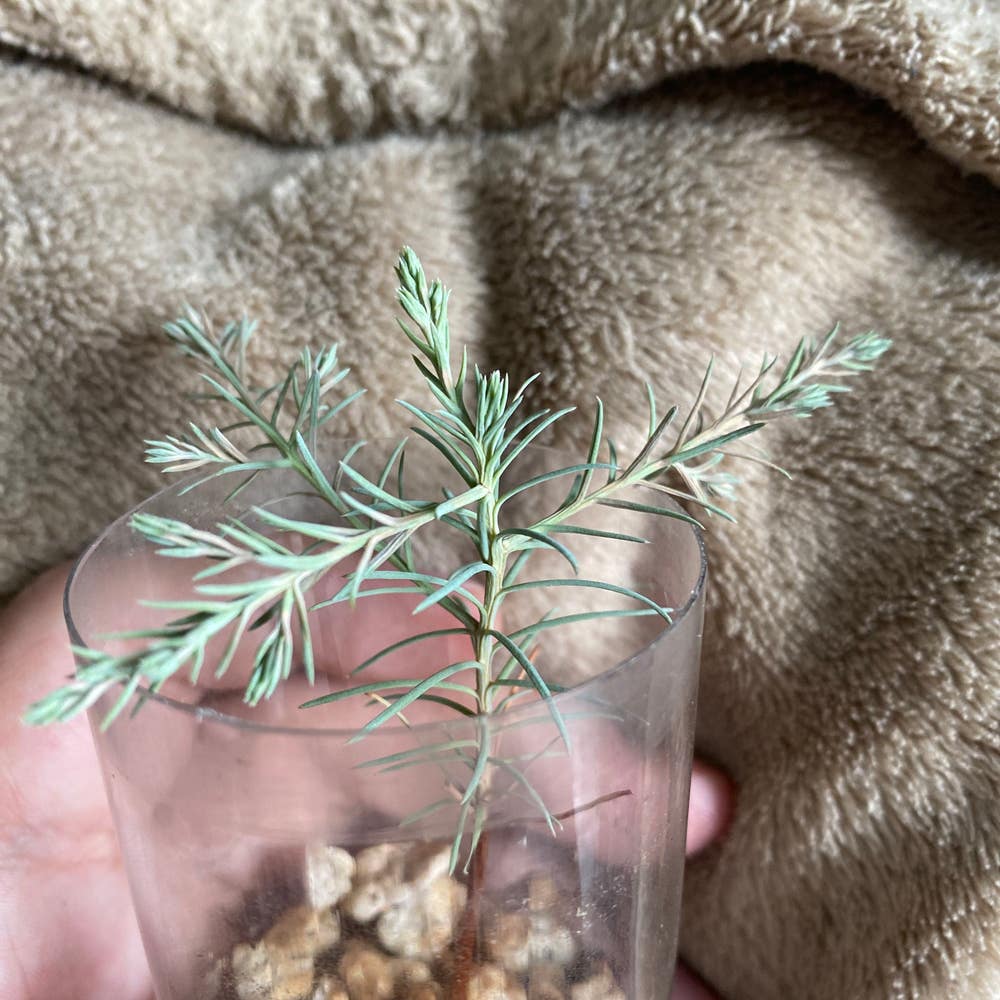
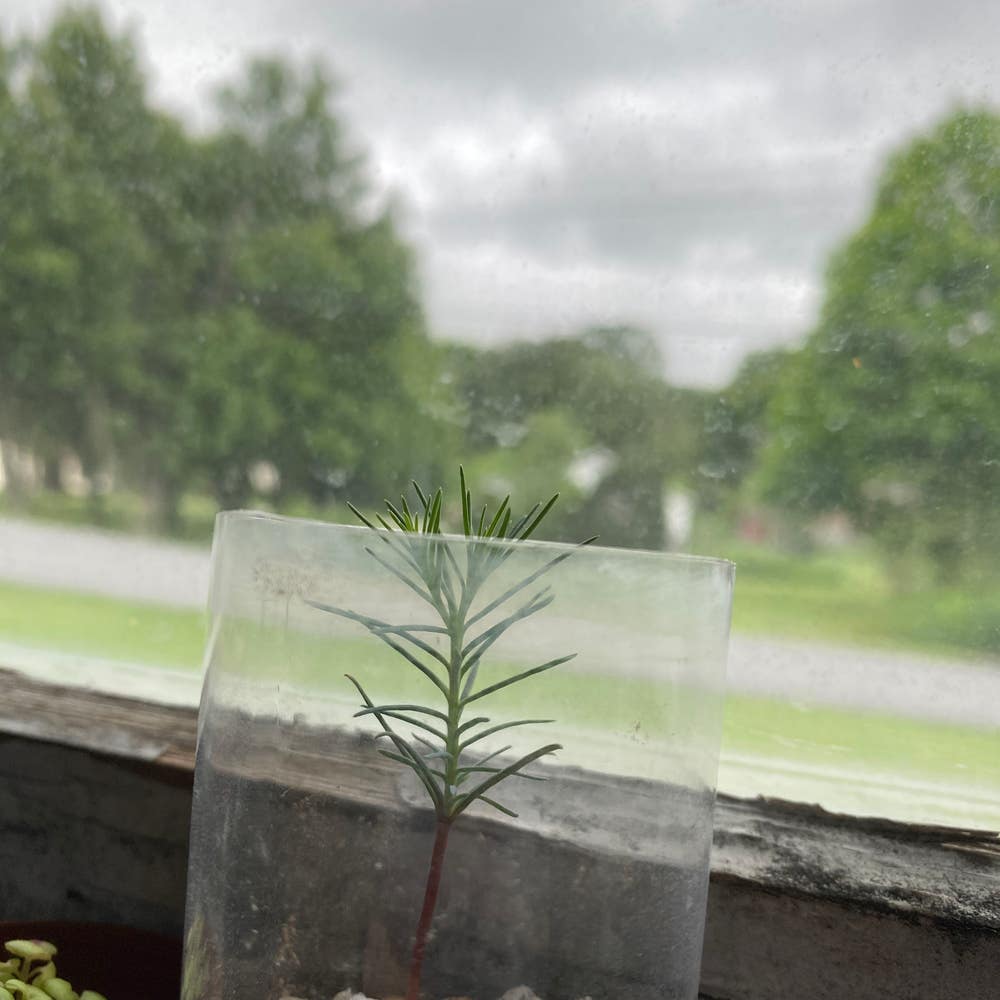
As seedlings peek through the soil, they showcase their first needle-like leaves, signaling successful germination. Blue Spruce seedlings are characterized by slender stems with reddish-purple streaks and cotyledons that range from 10 to 35 mm in length. During this early growth stage, which can last several years, the seedlings gradually develop their iconic coniferous shape, setting the stage for the robust vegetative growth that follows.
Juvenile Development
🌲 Vegetative Growth
The vegetative growth phase is a time of rapid expansion for the Blue Spruce. During this stage, which spans approximately from the third to the tenth year of life, the tree experiences a significant increase in both height and girth. The growth rate can be influenced by factors such as soil quality, water availability, and climate conditions.
- Age range: 3-10 years
- Growth rate: Variable, influenced by environmental conditions
🏗️ Structural Formation
As the Blue Spruce transitions from a seedling to a juvenile tree, its structure undergoes notable changes. Branches begin to thicken, providing a sturdy framework for future cone production. The foliage becomes denser, a sign of the tree's preparation for its reproductive cycle. These structural changes are critical for the tree's maturation and eventual seed dispersal.
- Branch development: Thickening and strengthening
- Foliage density: Increases in preparation for reproduction
Adult Maturation
🌲 Reproductive Cycle
Blue Spruce trees are a marvel of nature's design, with both male and female cones residing on the same tree. This monoecious setup kicks into high gear around the age of 20, when they start producing seeds, hitting peak fertility between 50 and 150 years. Here's how the magic happens:
- Male cones, initially reddish-purple, mature to a yellowish-brown and are scattered throughout the tree.
- Female cones, or strobili, are the seed factories, perched in the upper echelons of the tree, producing up to 450 seeds each.
- The seeds embark on their journey in September, with the potential to germinate the following spring or early summer, provided they land on fertile ground.
🌳 Full Maturity
Reaching full maturity is a lengthy process for the Blue Spruce, typically taking 25-30 years to fully stretch its branches. Several factors come into play, influencing not just the timeline but also the health and longevity of the tree:
- Genetic diversity can lead to variations in growth rate and structural formation.
- Optimal conditions for growth include ample water, the right balance of sunlight and shade, and fertile soil.
- Regular cycles of cone and seed production contribute to the forest's regeneration and the sustenance of local wildlife.
⚠️ Safety First
This content is for general information and may contain errors, omissions, or outdated details. It is not medical, veterinary advice, or an endorsement of therapeutic claims.
Always consult a qualified healthcare professional before using any plant as food, medicine, or supplement.
Never eat any plant (or feed one to pets) without confirming its identity with at least two trusted sources.
If you suspect poisoning, call Poison Control (800) 222-1222, the Pet Poison Helpline (800) 213-6680, or your local emergency service immediately.
Spotted an error? Please report it here.
Nurture your Blue Spruce from a tiny seedling to a majestic tree 🌲 with Greg's tailored care plans and environmental monitoring for each stage of its life.