Why Are My Blue Spruce Leaves Curling?
Picea pungens
By the Greg Editorial Team
Jun 14, 2024•5 min read
This article was created with the help of AI so we can cover more plants for you. May contain errors. See one? Report it here.
Unravel the mystery of curling Blue Spruce leaves and safeguard your tree's splendor 🌲🔍!
- Stress indicators: Curling leaves signal water needs or pest presence.
- Temperature & moisture matter: Extreme weather and improper watering cause curling.
- Prune and protect: Use organic pest control and strategic pruning for health.
Spotting the Curl: Recognizing the Symptoms
🍃 Visual Cues: What does leaf curling look like on a Blue Spruce?
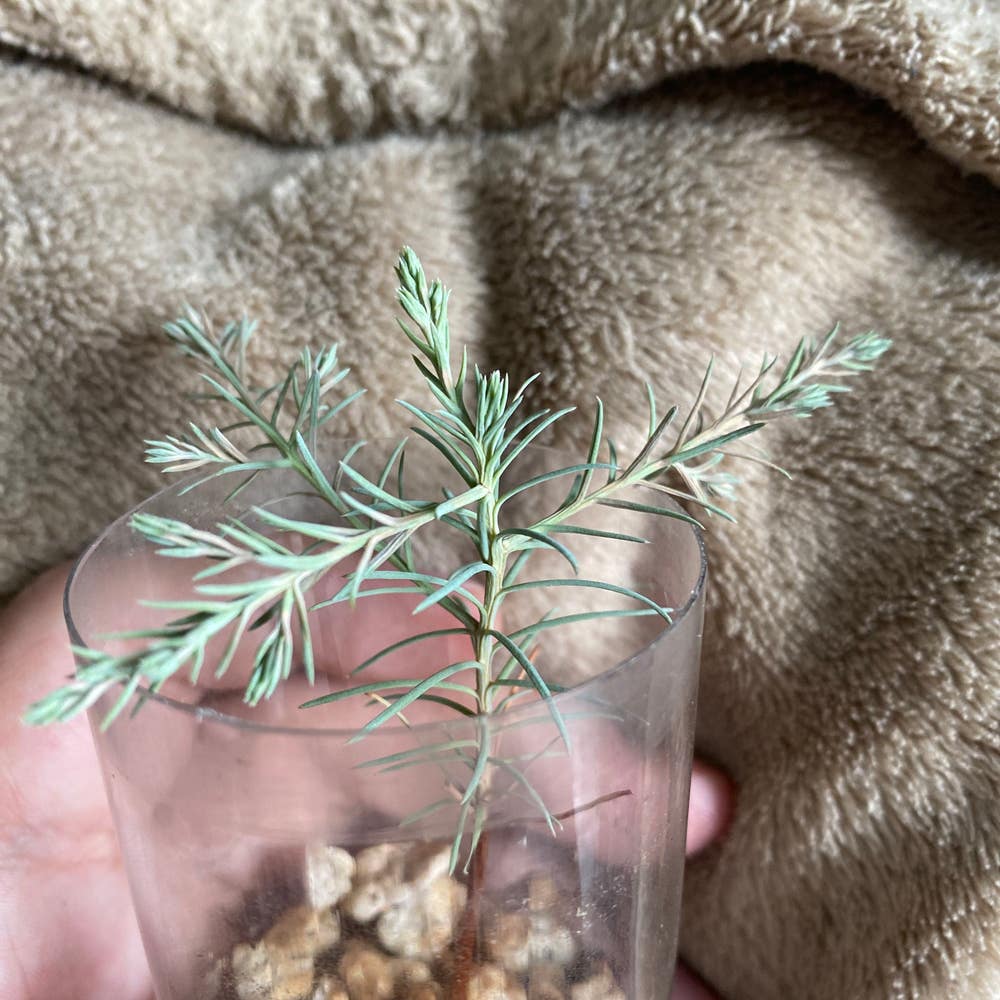
Curling leaves on a Blue Spruce can be a spectacle of stress. If the needles twist upwards, the tree might be gasping for water. When they curl downwards, it's often a sign of too much love in the form of water or unwelcome pests making themselves at home. Brown or sparse foliage? That's the tree's version of a distress signal, possibly pointing to underwatering.
🌿 Beyond the Curl: Other Symptoms to Watch for That Often Accompany Leaf Curling
But wait, there's more. If your Blue Spruce is throwing out crispy edges or its color palette shifts to yellow or brown, it's not trying to keep up with autumn fashion trends—it's in trouble. Look out for fine webs or speckling, which could mean pests are partying at your tree's expense. And let's not forget the dreaded fungal signs: unusual spotting or powdery residues that scream "fungus among us." Keep an eye out for these accomplices to curling; they're part of the bigger picture of plant health.

The Usual Suspects: Pinpointing the Culprits
⛈️ Weather Woes: How Extreme Climates Twist Your Spruce's Leaves
Heatwaves and chills can wreak havoc on your Blue Spruce, causing the leaves to curl as a stress response. When the mercury climbs too high or plummets, your spruce's foliage might start to look more like a corkscrew than a needle.
🌡️ Heatwaves and Chills: Temperature Extremes and Their Effects
Blue Spruces are hardy, but they have their limits. Extreme temperatures on either end of the thermometer can lead to leaf curling, a plant's way of reducing surface area to conserve water or protect from cold injury.
💧 Drought and Deluge: Water Stress and Its Role in Leaf Curling
Both underwatering and overwatering can lead to leaf curling. In drought, your spruce tries to hold onto every precious drop, while too much water can suffocate roots, leading to distressed, curled leaves.
🐜 Bug Battles: Pests That Make Your Spruce Leaves Coil
Tiny but terrible, pests can turn your spruce into their personal all-you-can-eat buffet, resulting in curled leaves as the tree tries to defend itself.
🕷 Spruce Spider Mites: Tiny Critters, Big Problems
Spruce spider mites are minuscule monsters that suck the life out of leaves, leaving them curled and discolored. Look for fine webs and a general look of "I've had better days" in your spruce.
🐛 Other Creepy-Crawlies: Additional Pests to Be Aware Of
Beyond mites, be on the lookout for aphids, bark beetles, and other insects that see your Blue Spruce as a prime real estate for feeding and breeding, leading to leaf curling and other damage.
🍄 Fungal Foes: Diseases That Disfigure Your Blue Spruce
Fungi are the uninvited guests at the party, causing diseases that can leave your spruce's leaves curled and discolored.
🌲 Rhizosphaera Needle Cast and Others: Identifying Disease-Induced Curling
Rhizosphaera needle cast is a common culprit, alongside other fungal diseases like tip blights and cankers. These fungi can cause needles to brown, curl, and drop prematurely, signaling a serious health issue for your tree.

Turning Over a New Leaf: Effective Treatments
💧 Thirst Quenchers: Watering Strategies
Consistency is key. Blue Spruce trees thrive with regular watering that mimics a natural environment. During droughts, increase watering frequency to prevent stress-induced leaf curling. Conversely, ensure proper drainage to prevent root rot during heavy rains.
🌡️ Climate Shields: Protecting from Extremes
Mulch around the base to insulate roots from temperature swings. In extreme heat, provide afternoon shade if possible. Winter protection may involve wrapping younger trees to shield them from frostbite.
🐜 Pest Punch-Out: Knocking out Mites and Insects
Organic Options
Horticultural oils and insecticidal soaps are your first line of defense. They're effective against spruce spider mites and other pests without going nuclear on your garden's ecosystem.
Chemical Warfare
For severe infestations, consider stronger insecticides. Always follow the label to the letter—overuse can be worse than the pests themselves.
🍄 Disease Defenders: Battling Fungal Foes
Preventive Practices
Prune to improve airflow and reduce moisture—fungus's best friend. Keep an eye out for early signs of disease and act swiftly to remove affected areas.
Fungicide Facts
Fungicides are a preventative, not a cure. They protect new growth, so you may need several seasons of applications. Remember, they're part of a larger strategy, not a silver bullet.

When to Snip: Strategic Pruning
Pruning is not just a cosmetic fix for your Blue Spruce; it's a vital health intervention. Strategic snipping can alleviate leaf curling and prevent disease spread.
✂️ Trimming Tactics: How Pruning Can Help with Leaf Curling
Sharp, sterilized shears are your best allies in the pruning process. Aim to prune during the early spring, when the tree is less susceptible to stress. By removing curled or diseased needles, you're not just tidying up; you're cutting off avenues of infection and encouraging healthier growth.
🧼 Clean Cuts: Best Practices for Pruning to Prevent Disease Spread
Every cut should be purposeful and clean. Snip close to the stem to avoid leaving stubs that could rot and harbor disease. After each cut, wipe your shears with rubbing alcohol to prevent spreading any pathogens. It's like washing your hands in the plant world—basic hygiene.
Remember, don't go overboard. You're a gardener, not a barber. Remove only the damaged or diseased branches and needles. Over-pruning can stress the tree and do more harm than good. It's about finding that sweet spot where your Blue Spruce looks good and feels even better.
⚠️ Safety First
This content is for general information and may contain errors, omissions, or outdated details. It is not medical, veterinary advice, or an endorsement of therapeutic claims.
Always consult a qualified healthcare professional before using any plant as food, medicine, or supplement.
Never eat any plant (or feed one to pets) without confirming its identity with at least two trusted sources.
If you suspect poisoning, call Poison Control (800) 222-1222, the Pet Poison Helpline (800) 213-6680, or your local emergency service immediately.
Spotted an error? Please report it here.
Keep your Blue Spruce resilient against curling leaves 💧 with Greg's custom watering reminders and pest control tips, ensuring your tree thrives in any condition.