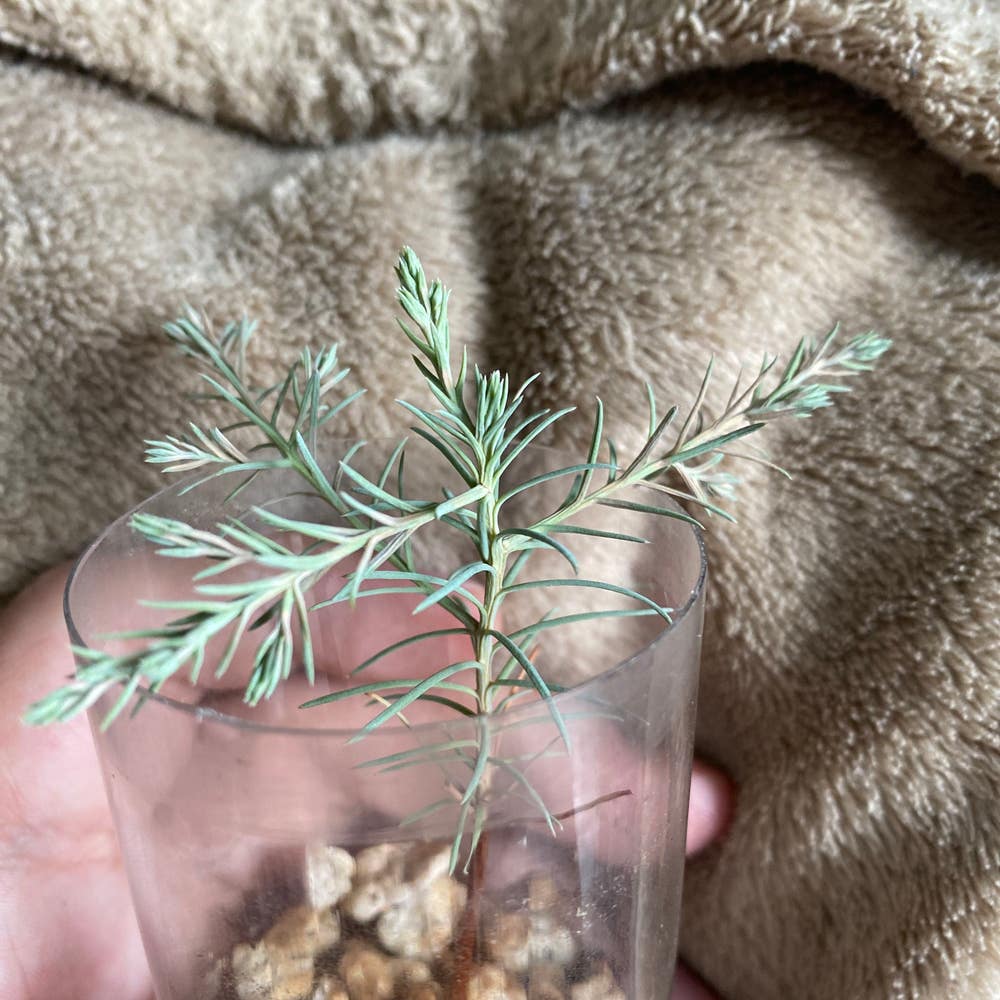
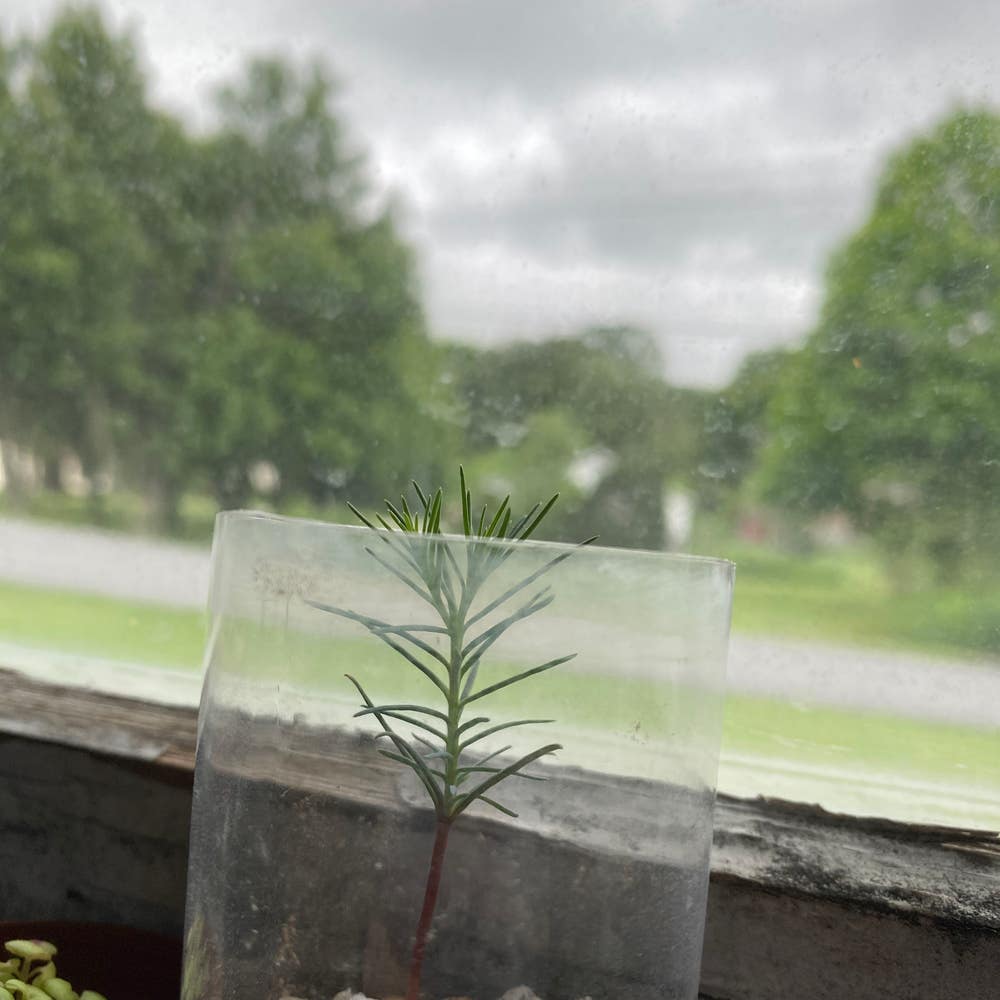
What Is A Good Temperature Range For My Blue Spruce?
Picea pungens
By the Greg Editorial Team
Jun 14, 2024•4 min read
This article was created with the help of AI so we can cover more plants for you. May contain errors. See one? Report it here.
Ensure your Blue Spruce flourishes with the right temps—too cold or hot can spell trouble! 🌡️🌲
- Thrives at 39-43°F, but can endure down to -40°C.
- Heat above 70-72°F stresses Blue Spruce, watch for needle discoloration.
- Protect with mulch, water, shade in heat, and wrap, brush snow, windbreaks in cold.
Spotting the Chill: Recognizing Blue Spruce's Comfort Zone
❄️ Ideal Chilling Temperatures
Blue Spruce trees have a sweet spot when it comes to temperature. They thrive in a range where the annual average teeters between 39 to 43 degrees F. This zone is crucial for their health, promoting robust growth and a vibrant needle color.
🌬️ When the Mercury Drops
Despite their love for the chill, Blue Spruces can handle the cold like champs. They can withstand temperatures plummeting to a bone-chilling -40 degrees C. This resilience allows them to survive in harsh winter landscapes where other species might falter.
🔥 Heat Waves and Blue Spruce
On the flip side, these conifers have their limits in the heat. Extreme heat is a stressor, with needles turning brown and dropping as a sign of protest. While they can tolerate some warmth, temperatures consistently above 70 to 72 degrees F can push them out of their comfort zone.

When Temperatures Turn Nasty: Signs of Stress
🚨 Visual Distress Signals
Blue Spruce trees don't need to speak to tell you they're in a temperature-induced funk. Needle discoloration is a glaring sign; a shift from their usual vibrant blue-green to a dull gray or brown spells trouble. If the needles seem to be engaged in a sad tango with gravity, wilting and drooping, that's your cue they're not happy with the current weather script.
📉 Growth and Health Setbacks
When Blue Spruce trees get hit with temperature extremes, their growth rings might as well be tightropes. Stunted growth is a silent scream for stability, while new shoots turning brown or black are like burnt toast – there's no coming back. Watch for these distress signals; they're more than just cosmetic. They're the tree's way of waving a white flag at the mercy of the temperature gods.

The Culprits Behind Temperature Tantrums
🌡️ Sudden Shifts and Long-term Lows
Blue Spruce trees, like many of us, prefer stability in their environment. Sudden temperature changes can shock these stoic evergreens, causing a stress response similar to a person jumping into an ice-cold lake after a sauna session. It's not just the quick dips and spikes that are problematic; prolonged exposure to temperatures outside their comfort zone can lead to long-term damage. Think of it as the difference between a bad day and a bad year; one is easier to recover from than the other.
🌍 Microclimate Matters
Microclimates are the stagehands of the garden, working behind the scenes to influence temperature. They can be a Blue Spruce's best friend or worst enemy. A tree planted in a sheltered nook might escape the brunt of a heatwave, while one exposed to a wind tunnel could suffer more during a cold snap. Understanding the microclimate around your Blue Spruce can help you mitigate temperature extremes and keep your tree from throwing a fit.

Battling the Extremes: Protecting Your Blue Spruce
❄️ Winter Warriors: Strategies for Cold Protection
Even the tough-as-nails Blue Spruce can use a little TLC when winter hits hard. Wrap young trees with burlap or frost cloth to fend off frostbite. Snow piling up? Gently brush it off to prevent branch breakage—think of it as a winter workout. And don't forget, a sturdy windbreak can be a game-changer against those biting winter winds.
☀️ Beating the Heat: Summer Care
Summer can be a scorcher, and your Blue Spruce isn't rocking sunscreen. Mulch is your best friend here; it keeps the roots cool and the tree hydrated. Think of it as a chill pill for your plant. If the heat's cranking up, give your tree a good soak—early morning is prime time to avoid evaporation. And hey, if the sun's relentless, a little shade won't hurt. Your Blue Spruce will thank you with some lush, green love.
A Quick Word on Humidity
While the robust Blue Spruce thrives in cool climates, it's not indifferent to humidity. This evergreen's comfort is partly hinged on the moisture in the air.
💃 The Humidity-Temperature Tango
Humidity and temperature dance together; they're partners in the atmospheric ballroom. Blue Spruce, accustomed to cooler, humid zones, finds its rhythm disrupted when humidity levels swing wildly.
👀 Keeping It Just Right
Indoor growers, take note: monitoring humidity can be as crucial as watching the thermostat. A hygrometer becomes your best friend, ensuring your Blue Spruce isn't gasping in a dry room or wilting in a moisture-laden one.
🌍 The Impact of Imbalance
Too much humidity? You're inviting fungal issues to the party. Too little, and your Blue Spruce's needles might start to look more like a porcupine in a bad mood—stiff and brittle.
⛅️ The Sweet Spot
Aim for that Goldilocks zone—not too humid, not too dry. It's a delicate balance, but getting it right means your Blue Spruce will continue standing tall and proud, come rain or shine.
⚠️ Safety First
This content is for general information and may contain errors, omissions, or outdated details. It is not medical, veterinary advice, or an endorsement of therapeutic claims.
Always consult a qualified healthcare professional before using any plant as food, medicine, or supplement.
Never eat any plant (or feed one to pets) without confirming its identity with at least two trusted sources.
If you suspect poisoning, call Poison Control (800) 222-1222, the Pet Poison Helpline (800) 213-6680, or your local emergency service immediately.
Spotted an error? Please report it here.
Ensure your Blue Spruce remains resilient 🌡️ with Greg's custom alerts for weather changes and tailored care tips to shield your tree from the whims of the climate.