Why Are My Blue Spruce Leaves Droopy? 💧
Picea pungens
By the Greg Editorial Team
Jun 14, 2024•4 min read
This article was created with the help of AI so we can cover more plants for you. May contain errors. See one? Report it here.
Restore your Blue Spruce's grandeur 🌲 by tackling droopy leaves with these vital care strategies.
- Droopy leaves signal distress like disease or pests in Blue Spruce.
- Water wisely: Overwatering and underwatering both harm needle health.
- Protect from extremes: Weather and wind can cause leaves to droop.
Spotting the Slump: Identifying Droopy Leaves
🌲 Visual Clues
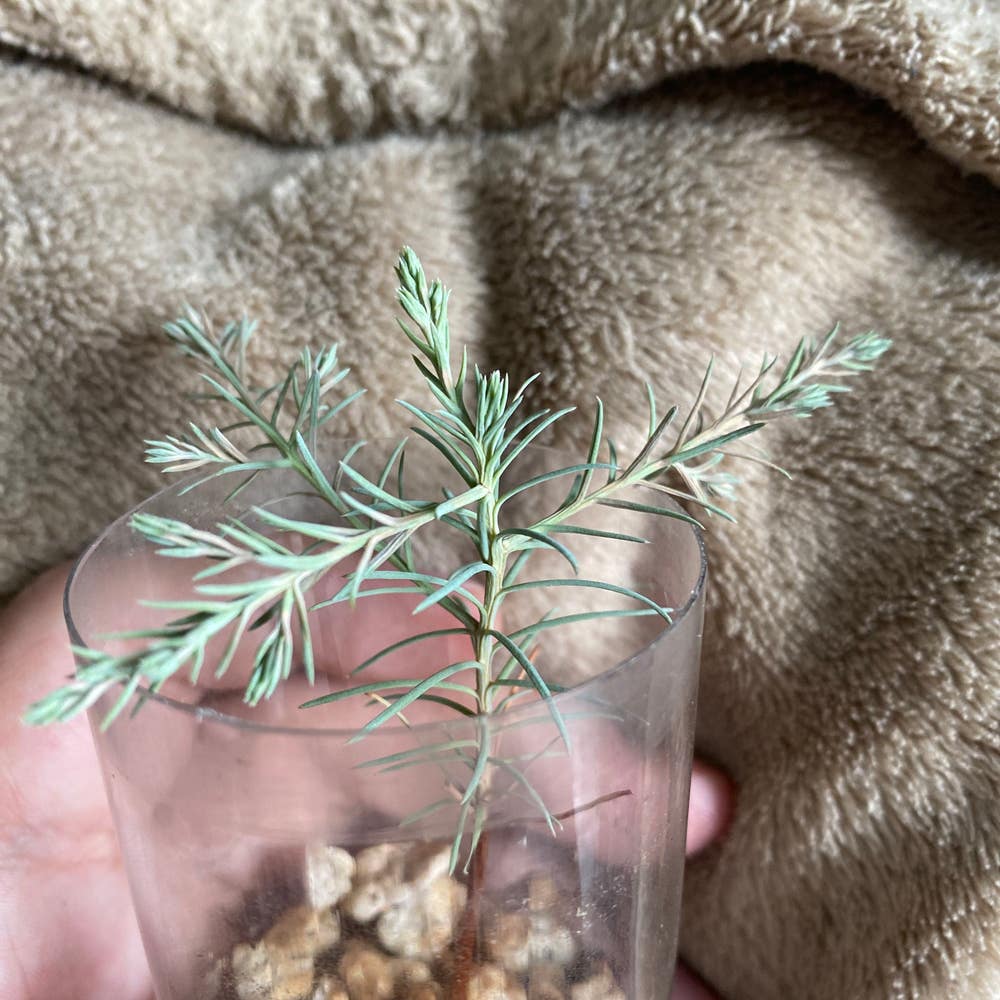
Blue Spruce trees are stoic, but their droopy leaves can signal distress. Look for needles that hang limply, lacking their usual rigid, upward poise. Discoloration, such as needles turning brown or yellow, often accompanies the droop. This isn't just a bad hair day; it's a cry for help.
Beyond the Needles
But don't stop at the needles. Examine the trunk and branches for other symptoms that could point to a bigger issue. Peeling bark, cankers, or an abundance of resin could indicate disease or pest infestations. Remember, what's on the outside often reflects a deeper problem.

The Thirst Quench: Watering Woes
💧 Too Much of a Good Thing
Overwatering can turn your Blue Spruce's needles from firm to flaccid. The soil should be moist, not a marsh. Yellowing needles and a general look of malaise are your tree's way of saying, "I'm drowning here!" Roots need air as much as they need water, and too much H2O suffocates them, leading to root rot. Moderation is your best friend when it comes to hydration.
🏜️ When the Well Runs Dry
Conversely, underwatering leaves your Blue Spruce parched, with needles as brittle as uncooked spaghetti. The tree's vigor depends on consistent moisture, so when the soil feels like a dry wasteland, it's a cry for help. A droopy demeanor and slow growth are signs that your Spruce is more desert dweller than lush evergreen. Aim for soil that's damp, not drenched, to keep those needles perky.

Battling the Elements: Environmental Factors
🌧️ Weathering the Storm
Extreme weather can be a Blue Spruce's worst nightmare. Heavy snowfall, ice storms, and even prolonged rain can weigh down branches, leading to a noticeable droop in the needles.
💨 The Wind Factor
Wind is another invisible adversary. Strong gusts can desiccate needles, stripping them of moisture and leaving them limp. In severe cases, wind can even cause physical damage to the tree's structure, exacerbating the droopiness.

Rooting Out the Problem: Soil and Root Health
🌱 Getting to the Bottom of It
Root health is the silent hero of plant vitality, especially for your Blue Spruce. If your tree's needles are more droopy than a teenager on Monday morning, it's time to check the soil moisture. Grab a soil probe or use your finger to delve into the earth's embrace, feeling for moisture levels. Roots should be cream-colored and springy, not dark and mushy like overcooked noodles.
🌿 Improving the Foundation
Soil amendments are like dietary supplements for your plants; they boost root health and improve drainage. If your soil is clinging to water like a toddler to a toy, it's time to mix in some organic matter. Compost, coco coir, or peat moss can help the soil strike that Goldilocks balance—just moist enough. Remember, roots need to breathe too, and no one likes wet feet for too long.
Lifting the Leaves: Revival and Prevention Strategies
💧 Fine-Tuning Watering Practices
Balancing soil moisture is crucial for Blue Spruce needle health. Overwatering can lead to limp, lifeless needles, while underwatering can cause them to dry out and droop.
To achieve the perfect moisture level, wait for the soil to dry before watering. This proactive approach prevents the root rot that spells disaster for needle perkiness.
🛡️ Shielding Your Spruce
Protective measures are your Spruce's best friend against harsh environmental factors. Mulching acts as a shield, maintaining consistent moisture and buffering temperature extremes.
Avoid piling mulch against the trunk to prevent moisture-related issues. Instead, create a donut-shaped barrier that keeps the base dry while insulating the roots.
Implement seasonal adjustments in your care routine. Less water in the winter, more vigilance during the hot months. It's about adapting to your tree's needs as the seasons change.
Monitor your Spruce regularly. Catching signs of stress early can mean the difference between a quick recovery and a downward spiral. Remember, a healthy tree is more resilient, so keep it well-nourished and stress-free.
⚠️ Safety First
This content is for general information and may contain errors, omissions, or outdated details. It is not medical, veterinary advice, or an endorsement of therapeutic claims.
Always consult a qualified healthcare professional before using any plant as food, medicine, or supplement.
Never eat any plant (or feed one to pets) without confirming its identity with at least two trusted sources.
If you suspect poisoning, call Poison Control (800) 222-1222, the Pet Poison Helpline (800) 213-6680, or your local emergency service immediately.
Spotted an error? Please report it here.
Ensure your Blue Spruce stands tall and proud 🌲 by balancing soil moisture and seasonal care with Greg's tailored reminders and community wisdom.