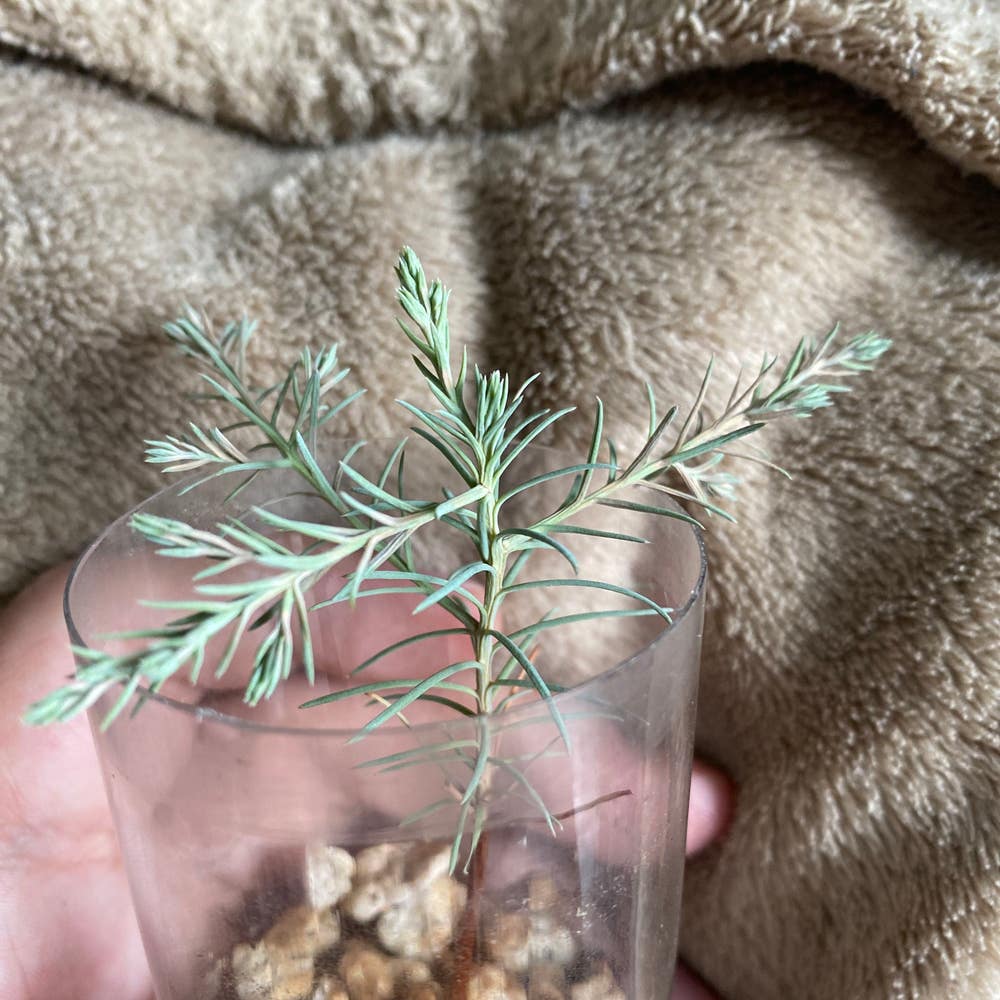
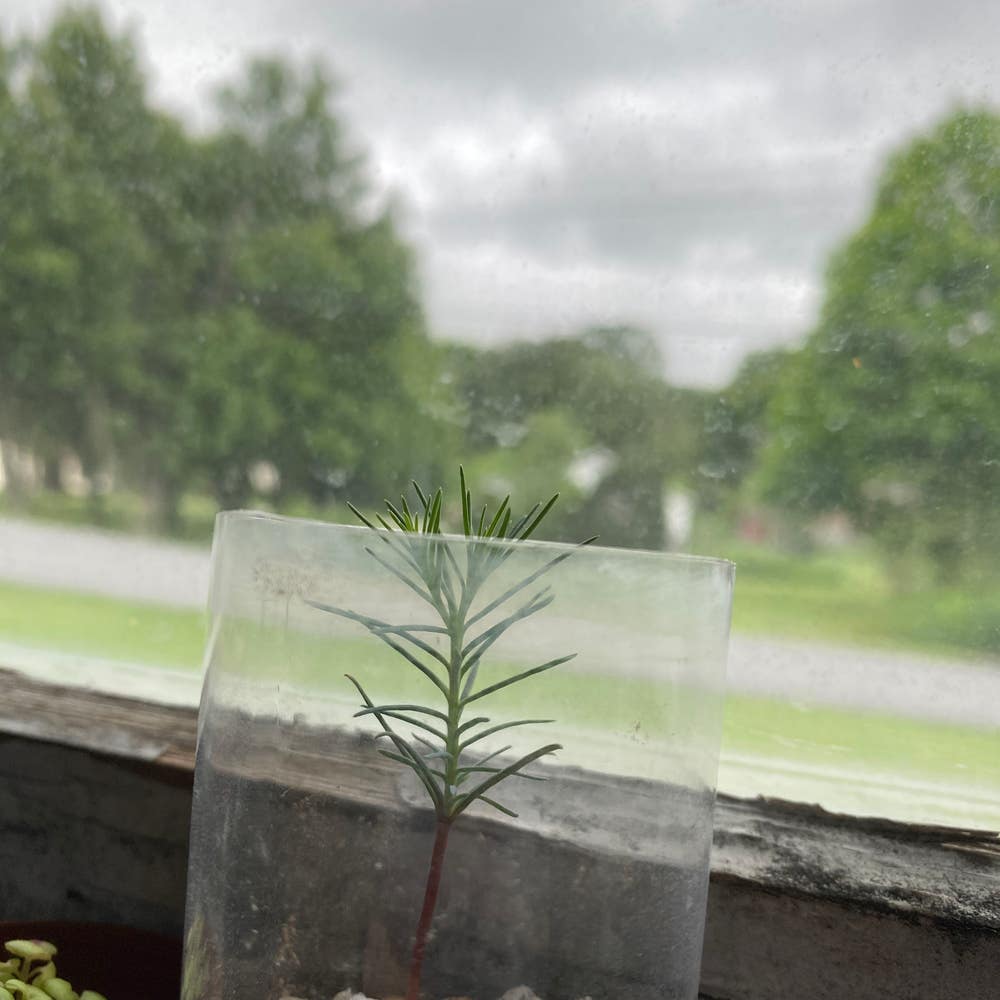
What To Do About Bugs on My Blue Spruce? 🐛
Picea pungens
By the Greg Editorial Team
Jun 14, 2024•4 min read
This article was created with the help of AI so we can cover more plants for you. May contain errors. See one? Report it here.
Defend your Blue Spruce's beauty 🌲 from bug invasions with expert-recommended, effective pest tactics!
- 🌲 Blue Spruce attracts bugs like mites, scales, and mealybugs; control with soaps and oils.
- 🐞 Beneficial insects help; use ladybugs and lacewings for natural pest control.
- 🕵️♂️ Regular monitoring and IPM are key to maintaining a healthy, pest-free Blue Spruce.
Spotting the Culprits: Common Blue Spruce Bugs
🕷️ Spider Mites
Webbing on your Blue Spruce? You've got spider mites. These pests cause needle damage that can turn a spruce tree's world upside down.
Horticultural oils and insecticidal soaps are your go-to weapons. They're tough on mites but gentle on beneficial bugs. Just remember, oils might change needle colors temporarily.
🦟 Scale Insects
If you spot waxy coverings on the needles, scale insects have made themselves at home. They're like unwanted house guests who never leave.
Pruning infested branches and applying oil treatments can evict these pests. Regular maintenance is key to keeping them from settling in again.
🦟 Fungus Gnats and Fruit Flies
Tiny fliers around your Blue Spruce's soil? Likely fungus gnats or fruit flies. Their larvae are party crashers in the soil.
Sticky traps can catch adults, while controlling soil moisture helps curb the larvae. Overwatering is like rolling out the red carpet for these bugs.
🐛 Mealybugs
White cottony patches on your tree? Mealybugs are the culprits. They're like the uninvited guests who spill wine on your carpet and don't clean it up.
Alcohol swabs can take out small infestations; soap sprays handle the rest. Regular check-ups will keep these pests from turning your Blue Spruce into their personal bar.

When Bugs Aren't the Usual Suspects
🦟 Aphids: The Sticky Situation
Aphids are the gate-crashers of the plant world, showing up uninvited and sticking around. Check the undersides of leaves for a clear, sticky residue that screams aphid infestation. A blast of water or insecticidal soap can be the eviction notice they need.
🐜 Thrips: The Unseen Menace
Thrips are the stealthy pests that slip under the radar, leaving behind silvery trails on leaves. Neem oil or the introduction of predatory mites can be effective countermeasures against these tiny invaders.
🌲 Adelgids: The Pine's Plague
Adelgids are like the distant cousins of aphids that prefer conifers, especially your Blue Spruce. They create white, woolly masses on the branches. Insecticidal soaps or horticultural oils can help control these pests.
Allies in the Garden
Don't forget about your garden's natural defense force. Ladybugs and lacewings are like the neighborhood watch for pests, keeping aphid and thrip populations in check. Encourage these beneficial insects by avoiding broad-spectrum pesticides.
Regular Monitoring: Your Secret Weapon
Stay vigilant. Regular inspections are crucial for catching these pests before they become a full-blown problem. Look for early signs like sticky leaves or woolly deposits and act swiftly to keep your Blue Spruce healthy.

Integrated Pest Management for Blue Spruce
Integrated Pest Management (IPM) is a strategic approach to keeping your Blue Spruce healthy and pest-free. It combines various tactics, aiming for long-term prevention and minimal environmental impact.
🌱 Cultural Controls
Cultural practices are the foundation of IPM. They involve maintaining the overall health of your Blue Spruce through proper watering, fertilization, and mulching. A robust tree is more likely to fend off pests and diseases.
🐞 Biological Controls
Leverage nature's own defenses by introducing beneficial organisms like ladybirds and predatory mites. These allies can help keep pest populations in check without the need for harsh chemicals.
🧪 Chemical Controls
When necessary, selective use of chemicals can be part of IPM. However, always choose the least toxic options and apply them carefully to avoid harming beneficial insects or the tree itself. Remember, some treatments may discolor the Blue Spruce's needles.
👀 Regular Monitoring
Stay vigilant. Regular inspections can catch problems early, often allowing for more natural and less invasive interventions. Keep a log of your observations to track the tree's health and the effectiveness of your actions.
🌲 Proactive Care
Proactive care is key. Adjust your care routine based on the tree's response, and don't hesitate to consult professionals for advice or treatment, especially for larger trees or more severe infestations.

⚠️ Safety First
This content is for general information and may contain errors, omissions, or outdated details. It is not medical, veterinary advice, or an endorsement of therapeutic claims.
Always consult a qualified healthcare professional before using any plant as food, medicine, or supplement.
Never eat any plant (or feed one to pets) without confirming its identity with at least two trusted sources.
If you suspect poisoning, call Poison Control (800) 222-1222, the Pet Poison Helpline (800) 213-6680, or your local emergency service immediately.
Spotted an error? Please report it here.
Safeguard your Blue Spruce from pests by detecting early 🕵️♂️ with Greg's reminders and community advice for natural and effective pest management.