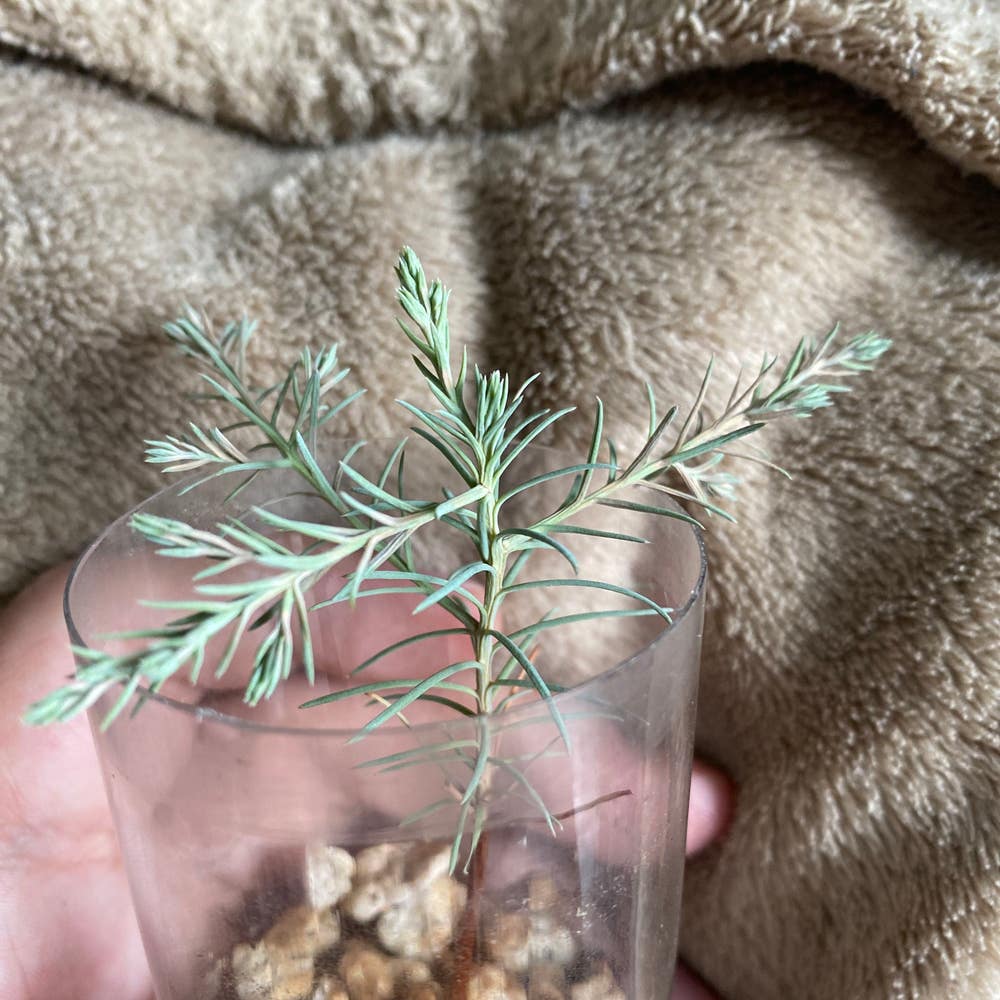
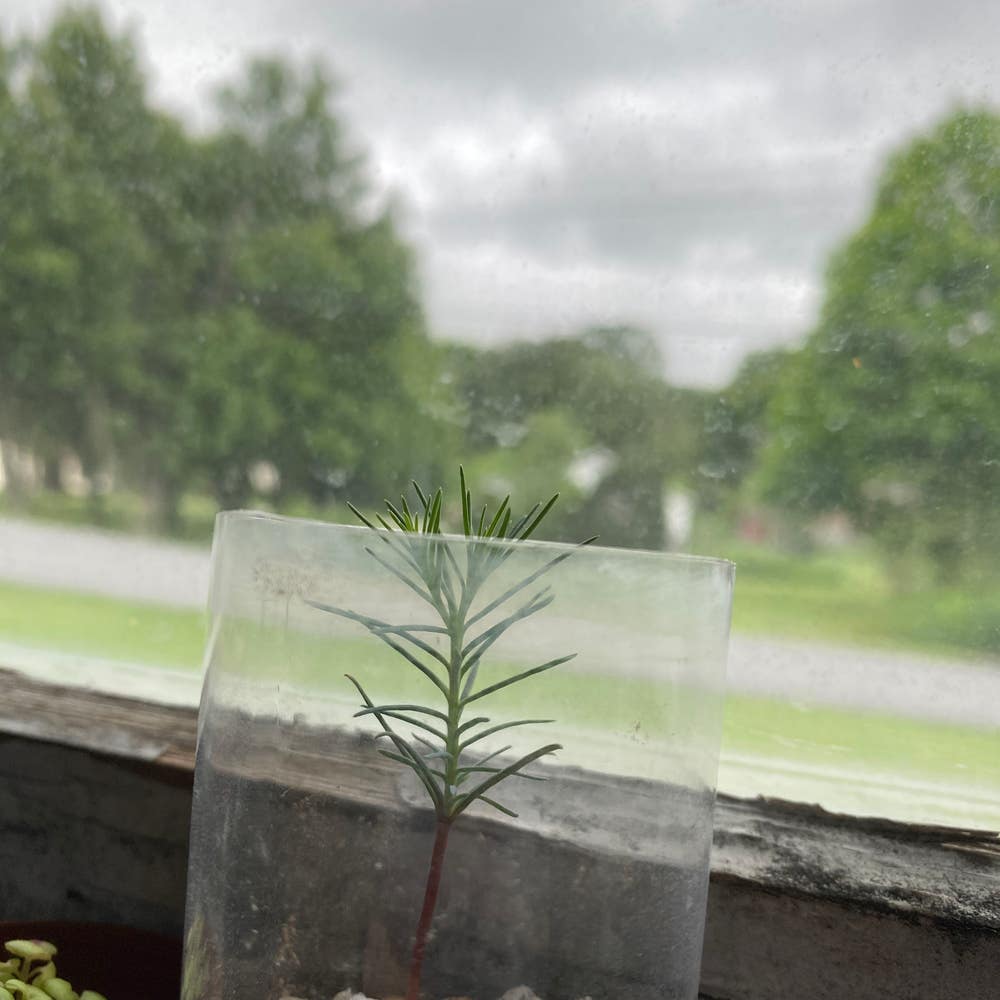
Soil Recommendations for Blue Spruce
Picea pungens
By the Greg Editorial Team
Jun 14, 2024•4 min read
This article was created with the help of AI so we can cover more plants for you. May contain errors. See one? Report it here.
Grow a majestic Blue Spruce 🌲 by mastering the perfect soil mix to prevent browning needles and root rot!
- Well-draining soil is key to prevent browning needles and root rot.
- Balance soil pH with sulfur or lime; aim for 6.0 to 7.5.
- DIY or commercial soil mix should include organic and mineral components.
Spotting Trouble: Signs Your Blue Spruce Soil Needs Help
💧 Water Woes: Recognizing Drainage Problems
Blue Spruce trees detest "wet feet." Overwatering is a common misstep, leading to a host of issues. If you notice browning needles or wilting branches, it's time to reassess your watering habits. Standing water is a no-go; instead, aim for a moist, mulched base that maintains an even level of dampness.
🍄 Mold and More: Identifying Fungal Issues
Fungal problems often start subtly. Black spots creeping up from the bottom of needles or a general sense of malaise in your tree's appearance could be fungal foes at work. A moldy smell is a dead giveaway—your soil's too wet, and your tree is throwing up red flags.
👃 Sniff Test: Detecting Unpleasant Odors
Trust your nose—it's a powerful tool in the plant care arsenal. A foul odor emanating from the soil screams "unhealthy!" It's a sign that your Blue Spruce might be suffering from root rot, a condition that thrives in overly moist conditions. Act fast; your tree's life depends on it.

Fixing the Foundation: Addressing Soil Health for Blue Spruce
🌱 Improving Drainage: Techniques and Tips
Well-draining soil is non-negotiable for Blue Spruce health. To kick poor drainage to the curb, start by amending soil with gritty friends like perlite or coarse sand. These additions are like VIP passes for water, letting it move through the soil without overstaying its welcome.
📊 Balancing pH: Adjusting Acidity for Blue Spruce
Blue Spruce digs soil that's not too acidic, not too alkaline, but just right. If your soil's pH is throwing a tantrum, chill it out with sulfur to lower the pH or lime to raise it. Remember, this isn't a one-time deal – keep an eye on that pH and stay on top of it like a hawk.
🌿 Enhancing Structure: Soil Amendments to the Rescue
If your soil is as tired as a Monday morning, it's time for a pick-me-up. Mix in some organic matter like compost or peat moss to boost structure and fertility. But watch out for the salt content in compost – too much and you'll have more problems than a math book. Keep your soil's vibe lively and well-aerated, and your Blue Spruce will thank you by not throwing a fit.

Crafting the Perfect Home for Your Blue Spruce: DIY Soil Mix
🌱 The Base: Selecting the Right Components
Creating the ideal DIY soil mix for your Blue Spruce begins with selecting the right components. Start with a nutrient-rich potting soil as your base; this will provide the essential nutrients your tree needs to flourish. To this, add coarse sand or perlite for improved drainage, ensuring the roots aren't left swimming in moisture.
🌿 Mixing It Up: Creating a Balanced Blend
Mixing your components is like being a chef—precision is key. Aim for a blend that's one-third organic material to two-thirds mineral components. This ratio ensures a loose and airy texture, giving your Blue Spruce's roots the room they need to spread out. Don't be afraid to get your hands dirty—mix thoroughly for a consistent blend.
🧪 Testing and Adjusting: Ensuring the Mix is Just Right
Now, it's time to test your soil mix. Check for a crumbly texture that holds its shape when squeezed but breaks apart easily. If it's too dense, add more perlite. Too loose? More potting soil. Adjust the pH to fall between 6.0 and 7.5; this is the sweet spot for Blue Spruce. Remember, the goal is to mimic the tree's natural habitat while providing a stable foundation for growth.

When Time is of the Essence: Choosing Commercial Soil Mixes
🌱 What to Look For: Key Features of Blue Spruce-Friendly Soils
When selecting a commercial soil mix for your Blue Spruce, the label is your treasure map. Seek out mixes with excellent drainage to avoid waterlogged roots, a common death sentence for these trees. Slightly acidic to neutral pH levels mimic their natural habitat, so check for this balance. Organic matter, such as compost or peat moss, should be a star player in the mix, providing nutrients and helping with moisture retention.
🏷️ Brand Breakdown: A Quick Guide to Commercial Options
Navigating the sea of commercial soil mixes can be daunting. To save your back and your time, opt for a lighter mix, which usually indicates good aeration. Avoid soil that feels like dense clay or packs down heavily—this is the antithesis of what Blue Spruce roots crave. Brands that incorporate bark chips or perlite promote breathability and prevent soggy soil conditions. Remember, while convenience is king, your Blue Spruce might still need a little tweaking of the commercial mix to feel truly at home.
⚠️ Safety First
This content is for general information and may contain errors, omissions, or outdated details. It is not medical, veterinary advice, or an endorsement of therapeutic claims.
Always consult a qualified healthcare professional before using any plant as food, medicine, or supplement.
Never eat any plant (or feed one to pets) without confirming its identity with at least two trusted sources.
If you suspect poisoning, call Poison Control (800) 222-1222, the Pet Poison Helpline (800) 213-6680, or your local emergency service immediately.
Spotted an error? Please report it here.
Keep your Blue Spruce flourishing 🌲 with well-draining soil and Greg's personalized reminders to dodge overwatering pitfalls.