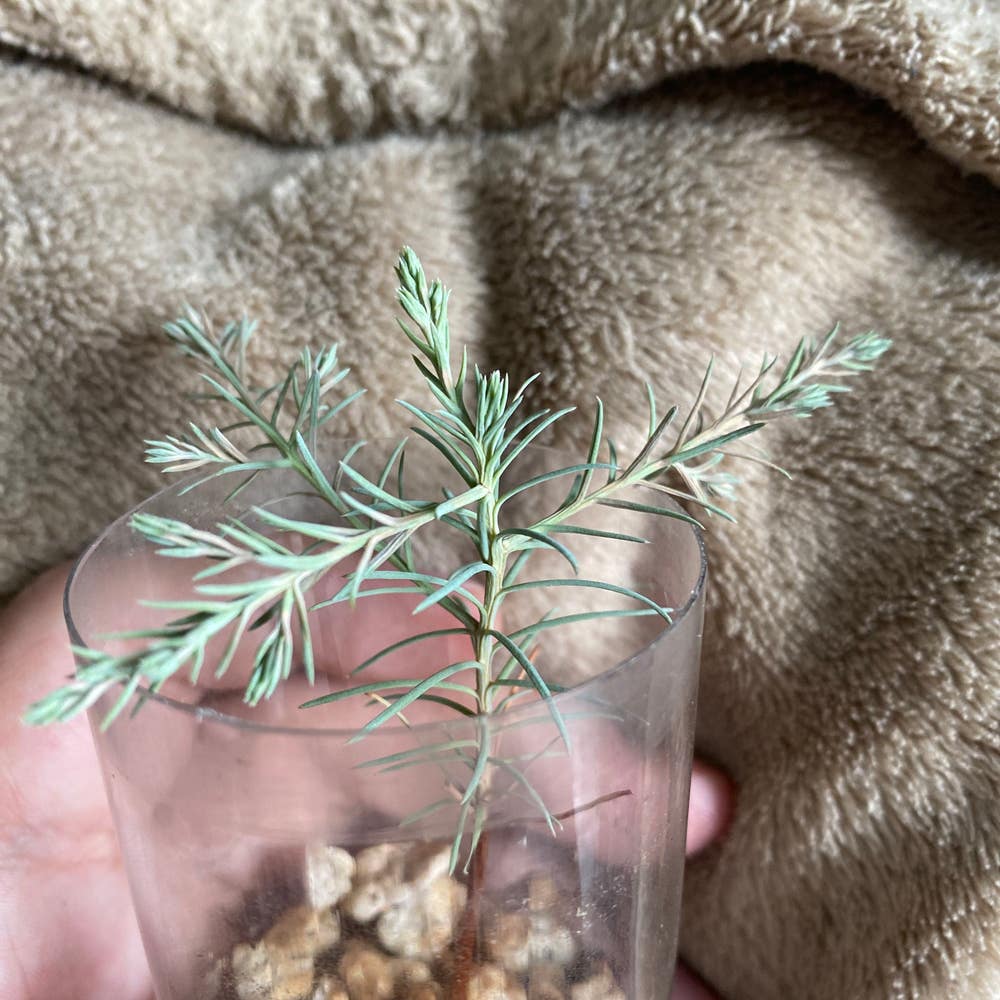
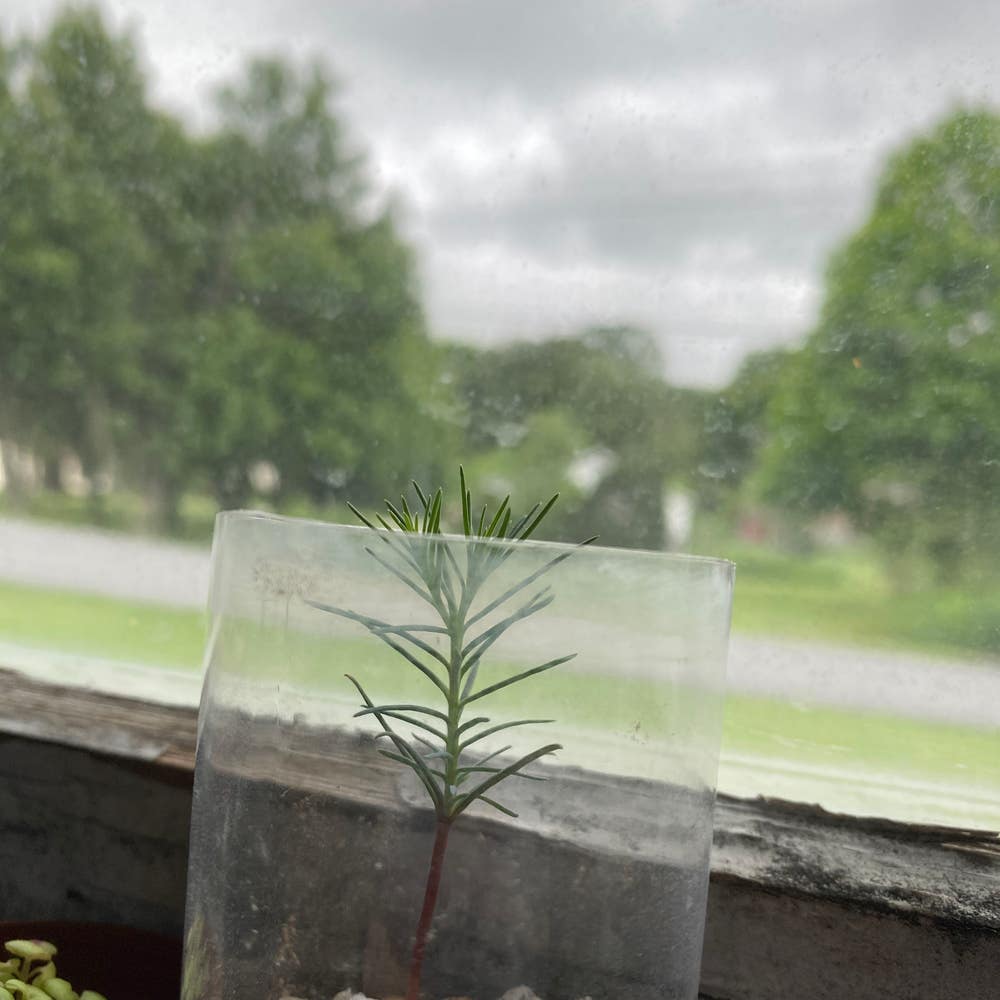
When To Fertilize Blue Spruce?
Picea pungens
By the Greg Editorial Team
Dec 16, 2023•10 min read
This article was created with the help of AI so we can cover more plants for you. May contain errors. See one? Report it here.
Boost your Blue Spruce's health and vibrancy 🌲💪 by mastering the perfect fertilization timing and techniques!
- 🌲 Fertilize Blue Spruce in early spring during growth phase for optimal development.
- 💧🌱 Balance fertilization with proper watering, mulching, and pest control for overall health.
- ❗️ Avoid over-fertilization and wrong timing - these are common mistakes.
Nutritional Needs of Blue Spruce Trees
Alright, let's dive into the nitty-gritty of what our beloved Blue Spruce trees need to thrive.
🍽️ Essential Nutrients
First off, nutrients. Like a bodybuilder chugging a protein shake, Blue Spruce trees need their own version of a nutrient-packed diet. Nitrogen, phosphorus, and potassium are the main macronutrients they crave.
Nitrogen is the tree's personal trainer, pumping up the overall greenness. Phosphorus is the life coach, encouraging root and flower development. And potassium? It's the behind-the-scenes manager, ensuring smooth cellular functions.
🌱 Fertilizer: The Vitamin Boost
Think of fertilizer as the tree's multivitamin. It's not absolutely essential for survival, but it sure does help keep the tree in tip-top shape. Fertilizer provides the nutrients that the tree might not be getting from the soil, especially if the soil's nutrient content is as depleted as a marathon runner after a race.
🌞 The Importance of Light
Now, let's not forget about light. Blue Spruce trees love a good sunbath. They need plenty of direct sunlight to grow efficiently. It's like their daily dose of vitamin D, without the need for sunscreen.
🌱 Soil Acidity
And last but not least, let's talk about soil acidity. Blue Spruce trees are a bit picky when it comes to their soil. They thrive in acidic soil, so you might need to play chemist and adjust the soil pH to keep them happy.
In a nutshell, Blue Spruce trees need a balanced diet of nutrients, a good amount of sunlight, and acidic soil to truly thrive. It's a bit like us humans needing a balanced diet, exercise, and the right environment to be at our best. But hey, at least trees don't have to worry about paying rent.
When to Fertilize Blue Spruce Trees
Alright, let's get down to brass tacks. Timing is everything when it comes to fertilizing your Blue Spruce trees.
🌱 The Age Factor
First off, age matters. You wouldn't give a toddler the same diet as a weightlifter, right? The same logic applies to your trees. Young Blue Spruce trees, especially those recently transplanted, don't need as much fertilizer. In fact, over-fertilizing can do more harm than good. So, for the first year or so, let your baby tree find its feet (or roots, if we're being pedantic).
🩺 The Health Check
Next, check the health of your tree. Is it looking a bit under the weather? Dull foliage, sparse leaves, and reduced growth could be signs that your tree is nutrient-starved. If that's the case, it's time to whip out the fertilizer.
🌼 The Flowering and Growth Stages
Now, let's talk about the flowering and growth stages. Blue Spruce trees aren't exactly the Kardashians of the plant world. They don't demand constant attention. A once-a-year feeding should suffice. The best time to fertilize is in the early spring, just as the tree is entering its growth phase. This gives it a nutrient boost when it needs it most.
☀️ The Weather Watch
Lastly, keep an eye on the weather. Blue Spruce trees love cooler climates. If you're in an area that's more Sahara than Siberia, your tree might need a little extra help to cope with the heat. In this case, a second round of fertilization in the fall can help your tree stay healthy and vibrant.
In conclusion, fertilizing your Blue Spruce isn't rocket science. It's about understanding your tree's needs and responding accordingly. And remember, when in doubt, less is more. Over-fertilization can lead to overly acidic soil and other problems. So, take it easy, and let nature do its thing.
Choosing the Right Fertilizer
Choosing the right fertilizer for your Blue Spruce is like finding the perfect pair of jeans - it's all about the right fit.
🌱 Types of Fertilizers
Liquid or granular, that's the question. Both have their merits, but your choice will depend on your specific needs.
Liquid fertilizers are like a quick shot of espresso for your tree. They're absorbed rapidly, giving your tree a quick nutrient boost. They're perfect for those "I need results now" moments.
On the other hand, granular fertilizers are the slow-burners. They release nutrients gradually, providing a steady supply over a longer period. Think of them as the slow-cooked stew of the fertilizer world.
🌿 Organic or Synthetic?
Next up, the organic versus synthetic debate.
Synthetic fertilizers are like the fast food of the plant world. They're quick, efficient, and give your tree a rapid nutrient hit. But, like fast food, they can contribute to environmental issues if overused.
Organic fertilizers are the home-cooked meal option. They're kinder to the environment and can be made at home (if you're feeling adventurous). They're typically slower to release nutrients, but they're a great choice if you're going for the long game.
🍽️ Nutrient Ratios
Now, let's talk nutrient ratios.
Blue Spruce trees are like teenagers - they have a high demand for nutrients, especially nitrogen. So, look for a fertilizer with a high nitrogen content.
But remember, balance is key. You don't want to overdo it and end up with an overly acidic soil. So, keep an eye on your soil pH and adjust your fertilizer choice accordingly.
🌟 Top Fertilizer Picks
If you're feeling overwhelmed by the plethora of choices, don't fret. Here are a few top picks to consider:
- Miracle Gro'N Shake Feed
- Scotts Continuous Release Fertilizer
- Jobe's Evergreen Fertilizer Spikes
- Tree Help Premium
- Fertilome Tree Food
Remember, the best fertilizer for your Blue Spruce is the one that suits your specific needs and conditions. So, do your homework, consider your options, and make an informed choice.
And remember, fertilizing is not a one-and-done deal. It's an ongoing commitment, like a gym membership for your tree. So, keep it up and your Blue Spruce will thank you with vibrant growth and stunning color.
How to Fertilize Blue Spruce Trees
Just like a chef preparing a gourmet meal, fertilizing your Blue Spruce requires a careful blend of ingredients and timing. Let's get our hands dirty and dive into the nitty-gritty of it all.
🌱 Step-by-step Fertilizing Instructions
Don the right gear. Before you start, make sure you're wearing protective gloves and a face mask. It's not a fashion statement, but it'll keep you safe from any chemical nasties.
Dig the holes. Around the tree, dig holes that are 8 to 12 inches deep and 2 feet apart. Think of it as giving your tree a moat, but instead of water, it's filled with nutrient-rich goodness.
Mix and fill. Follow the fertilizer's instructions to mix it correctly. Then, fill each hole with this concoction. It's like making a cocktail, but for your tree.
Sprinkle granules. If you're using granular fertilizer, sprinkle it at the base of the tree. Imagine you're dusting powdered sugar on a cake, but instead, it's fertilizer on your tree.
Follow the instructions for fertilizer spikes. If you're using these, stick to the packaging instructions. It's not rocket science, but it's close enough.
Remember, fertilize only during the tree's active growth stages, typically spring and summer. It's like feeding a teenager - they need more food during their growth spurts.
🚫 Avoiding Over-fertilization
Over-fertilizing is like overeating - it's easy to do and can lead to unpleasant consequences. Excessive fertilizer can harm your tree, causing leaf burn and nutrient imbalances.
To avoid this, stick to the manufacturer's recommended dosage and frequency. It's like following a doctor's prescription - you wouldn't take more medicine than advised, would you?
Also, don't heavily fertilize newly planted bare-root trees. They're like newborns - they need gentle care and can't handle too much at once.
🌸 Fertilizing for Flowering
To promote flowering, apply fertilizer before and after the flowering stage. It's like bookending a story - the fertilizer sets the stage for the flowers to bloom and then helps wrap things up when they're done.
Choose a fertilizer with a higher phosphorous content to encourage flower formation, and higher potassium for strong roots and overall strong cell growth. It's like choosing the right food for your fitness goals - you need proteins for muscle growth and carbs for energy.
So, there you have it - the art and science of fertilizing your Blue Spruce. Now, go forth and fertilize!
Common Mistakes to Avoid
You've got your Blue Spruce, your fertilizer, and your gardening gloves. You're ready to roll up your sleeves and get to work. But wait! Before you dive in, let's talk about some common mistakes that could turn your spruce from a vibrant beauty into a sad, saggy mess.
🌱 Overdoing the Fertilizer
First up, over-fertilization. It's like overeating at your favorite buffet—too much of a good thing can lead to disaster. Over-fertilizing can burn your tree's roots and cause foliage to yellow or even drop off. Remember, these trees are hardy and don't need a ton of extra nutrients. Stick to the recommended dosage on your fertilizer package.
🕒 Wrong Timing
Next, wrong timing. Fertilizing at the wrong time can be as effective as trying to catch a train that's already left the station. For Blue Spruces, the best time to fertilize is in the early spring or fall. Avoid fertilizing in the hot summer months when the tree is stressed from heat.
🌱 Ignoring Soil Conditions
Another common mistake is ignoring soil conditions. Blue Spruces love acidic soil. If your soil is more 'basic' than a pumpkin spice latte, you might need to amend it with a soil acidifier. Regular soil testing can help you keep tabs on your soil's pH level.
🧹 Using Dirty Tools
Lastly, using dirty tools. It might seem minor, but dirty tools can introduce harmful bacteria or fungus to your tree. Always clean your tools before use. It's like brushing your teeth before a date—you want to make the best impression!
By avoiding these common mistakes, you'll be well on your way to having a Blue Spruce that's the envy of the neighborhood. Now go get 'em, green thumb!
Additional Care Tips for Blue Spruce Trees
💦 Watering Techniques
Let's dive right into the deep end, shall we? Watering. It's like the lifeblood of your Blue Spruce tree, and getting it right is crucial.
Now, you might be thinking, "How hard can it be? It's just water, right?" Well, my friend, it's a bit more nuanced than that.
Overwatering can turn your tree into a soggy mess, while underwatering can leave it parched and gasping for moisture. So, how do you strike the perfect balance?
Keep an eye on the foliage. Sparse and brown leaves are a cry for help from an underwatered tree. On the other hand, if the soil is consistently waterlogged, consider relocating your tree to a spot with better drainage.
🌱 Mulching and Pruning
Next up, we have mulching. Think of it as a cozy blanket for your tree's roots, keeping them warm and moist.
But don't just dump a pile of mulch at the base of your tree. Spread it evenly, creating a protective layer that prevents weed growth and retains soil moisture.
Now, let's talk about pruning. It's like giving your tree a haircut, trimming away the dead and yellowing leaves to encourage new growth. Regular pruning helps maintain the shape and size of your tree, keeping it looking neat and tidy.
🐜 Pest Control
Finally, we have pest control. Pests are like uninvited guests at a party, causing havoc and damaging your tree.
Regular fertilization can help boost your tree's defenses against these pesky invaders. But remember, newly planted trees should not be heavily fertilized.
So, there you have it. A quick crash course in Blue Spruce tree care. Remember, it's not just about watering and fertilizing. Mulching, pruning, and pest control are also vital for a healthy, flowering tree.
And remember, every tree is unique. What works for one might not work for another. So, keep an eye on your tree, observe its needs, and adjust your care routine accordingly. Happy gardening!
⚠️ Safety First
This content is for general information and may contain errors, omissions, or outdated details. It is not medical, veterinary advice, or an endorsement of therapeutic claims.
Always consult a qualified healthcare professional before using any plant as food, medicine, or supplement.
Never eat any plant (or feed one to pets) without confirming its identity with at least two trusted sources.
If you suspect poisoning, call Poison Control (800) 222-1222, the Pet Poison Helpline (800) 213-6680, or your local emergency service immediately.
Spotted an error? Please report it here.
Fertilize your Blue Spruce 🌲 just right with Greg's personalized reminders and care tips, ensuring vibrant growth, abundant flowering, and a thriving tree!