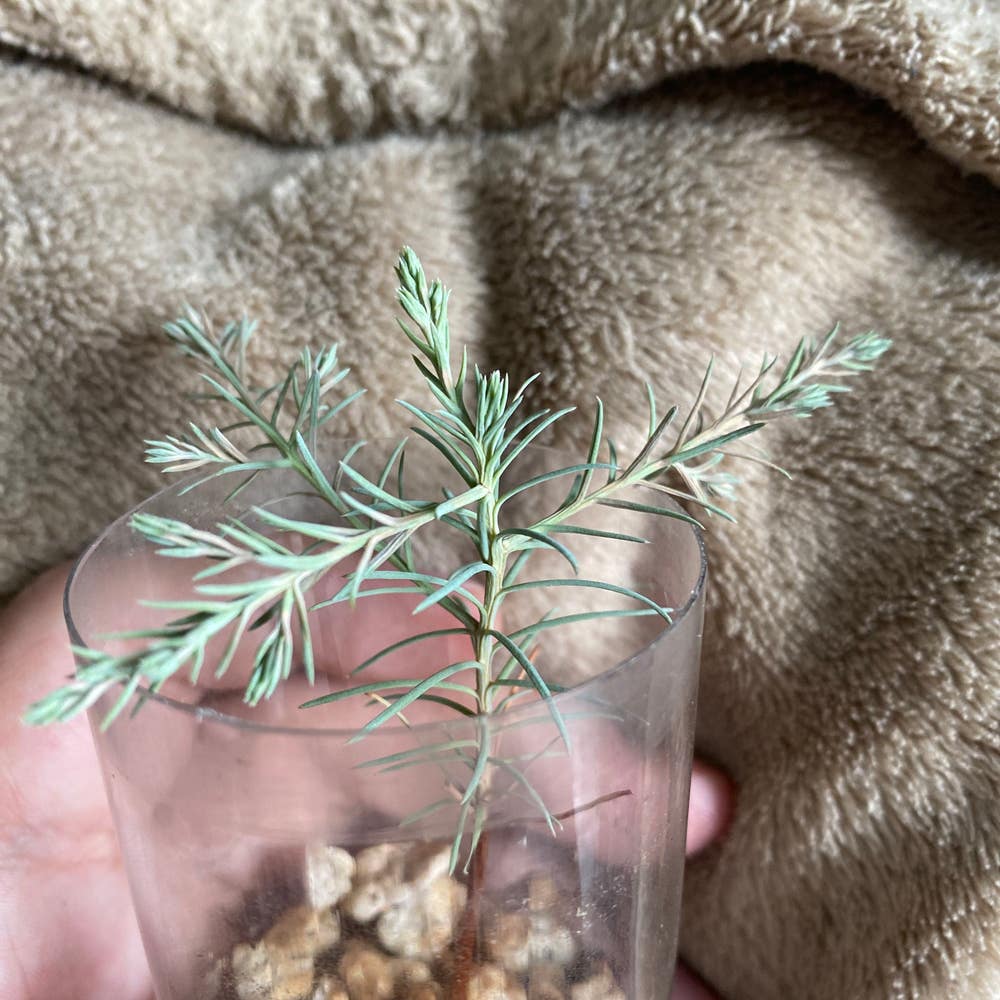
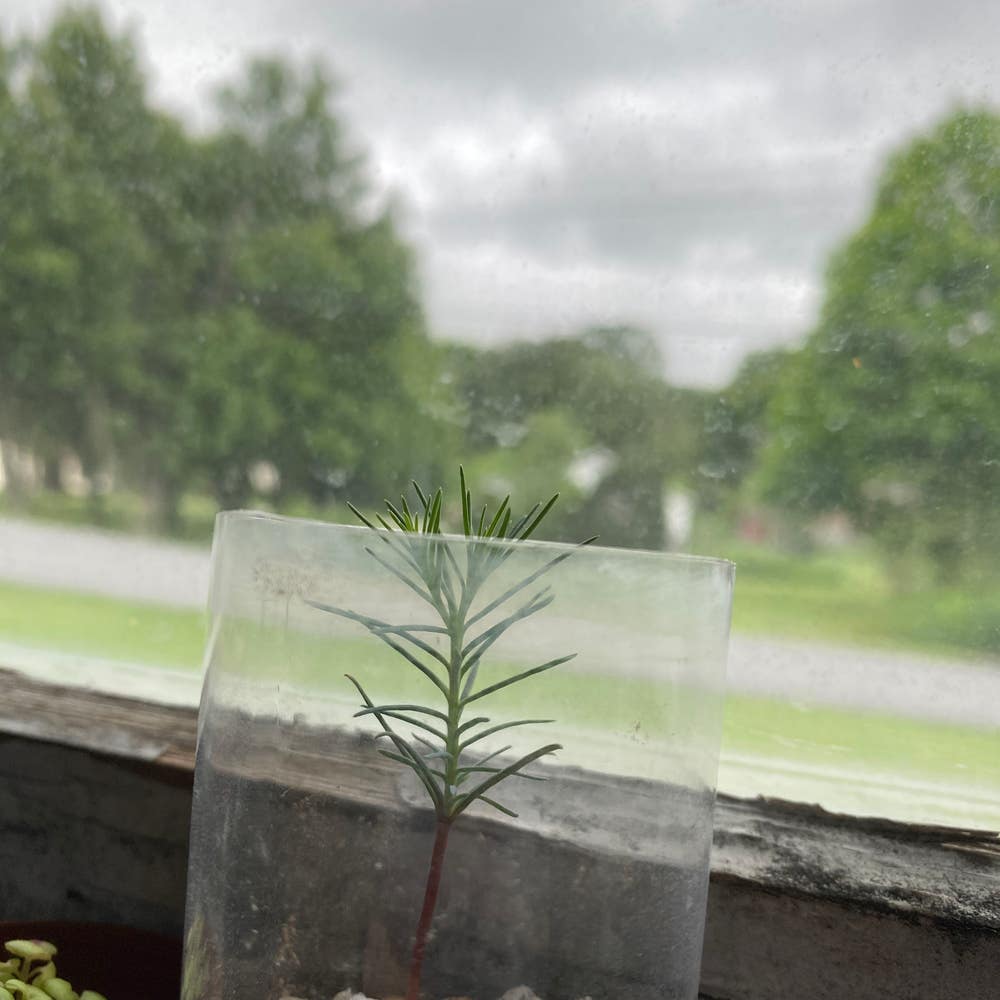
Blue Spruce Hardiness Zones: 2a-7a
Picea pungens
By the Greg Editorial Team
Jul 28, 2024•5 min read
This article was created with the help of AI so we can cover more plants for you. May contain errors. See one? Report it here.
Grow majestic Blue Spruces 🌲 by mastering their ideal USDA hardiness zones!
- 🌲 Thrives in zones 2a-7a, with frost tolerance being a key factor.
- 📍 Colorado, Utah, Michigan are ideal states for Blue Spruce growth.
- 🌡️ Microclimates can expand Blue Spruce cultivation beyond usual zones.
Blue Spruce Zone Specifications
Zone 2a-7a Explained
USDA hardiness zones 2a through 7a delineate areas where Blue Spruce can prosper, each defined by its unique temperature range. Here's a breakdown:
- Zone 2a: -50°F to -45°F
- Zone 2b: -45°F to -40°F
- Zone 3a: -40°F to -35°F
- Zone 3b: -35°F to -30°F
- Zone 4a: -30°F to -25°F
- Zone 4b: -25°F to -20°F
- Zone 5a: -20°F to -15°F
- Zone 5b: -15°F to -10°F
- Zone 6a: -10°F to -5°F
- Zone 6b: -5°F to 0°F
- Zone 7a: 0°F to 5°F
Blue Spruce trees are champions of the cold, with a remarkable frost tolerance that aligns seamlessly with the chill of these zones. Their resilience is a testament to their evolutionary adaptations to withstand freezing temperatures and even thrive amidst frosty conditions.
Beyond the Zone Limits
🌡️ Venturing outside the comfort zone of 2a to 7a can be risky for Blue Spruce. Here's what might happen:
- In regions warmer than Zone 7a, heat stress can lead to needle discoloration, reduced growth, and increased susceptibility to disease.
- Conversely, planting in areas colder than Zone 2a could push the tree's cold tolerance to the limit, risking damage to the root system and overall health.
Understanding these risks is crucial for gardeners aiming to cultivate Blue Spruce successfully. It's not just about surviving the cold but also about avoiding the heat that can be just as detrimental.
Ideal US Locations for Blue Spruce
🌲 State-by-State Analysis
Blue Spruce trees are a majestic addition to landscapes, but they have specific climate preferences. Let's dive into the states where these evergreens flourish within their comfort zones of 2a to 7a.
- Colorado: As the native home of the Colorado Blue Spruce, it's no surprise that this state provides an ideal climate, with its cold winters and lower humidity.
- Utah: Recognized as the state tree, Blue Spruce thrives here, thanks to ample space, favorable soil, and consistent irrigation.
- Michigan: While Michigan's humid summers can challenge the Blue Spruce, proper site selection with full sunlight and good drainage can lead to successful growth.
Factors like elevation, soil conditions, and typical weather patterns play a crucial role in the health of these trees. For instance, in states with higher elevations, the cooler temperatures and well-draining soils mimic the Blue Spruce's native Rocky Mountain habitat.
🚫 Unsuitable Regions and Reasons
Not all states provide the ideal conditions for Blue Spruce. Here's why some regions fall short:
- Southeastern States: The heat and humidity of the Southeast slow the growth of Blue Spruce, making cultivars a better choice in these areas.
- Urban Heat Islands: Cities like Philadelphia and New York have warmer zones due to heat retention, making them less suitable for these cold-loving conifers.
Challenges for Blue Spruce in these less-than-ideal areas include increased susceptibility to fungal pathogens and insect damage, especially when planted in marginal sites. Understanding these regional nuances is key to ensuring the longevity and vibrancy of Blue Spruce trees.
Microclimates and Blue Spruce
🌿 Leveraging Microclimates
Microclimates are like nature's hidden rooms, each with its own set of climate rules. These pockets can create conditions that deviate from the larger area, offering unique opportunities for Blue Spruce cultivation. Here's how you can use them to your advantage:
- Look for areas shielded by evergreen trees or buildings that provide consistent shade and cooler temperatures.
- Identify spots with natural windbreaks or where the soil stays moist, indicating a microclimate that could support Blue Spruce.
- Utilize areas with higher ambient temperatures from reflected heat, suitable for Blue Spruce during colder months.
🧐 Microclimate Considerations
Not all microclimates are created equal, and recognizing the right one for your Blue Spruce is crucial. Here are signs and precautions to keep in mind:
- Signs of a beneficial microclimate include less frost heave, reduced wind exposure, and moderated temperatures.
- Be cautious of planting in microclimates that may encourage disease due to poor air circulation or excessive moisture.
- Remember that microclimates can change; monitor your Blue Spruce closely, especially as it establishes.
Hardiness Zone Summary
🌲 States and Hardiness Zones
Blue Spruce trees flourish in USDA zones 2a through 7a. Here's a breakdown of states where they're most compatible:
Zones 2a to 3b:
- Alaska
- Colorado
- Idaho
- Maine
- Minnesota
- Montana
- New Hampshire
- New York (northern parts)
- North Dakota
- Vermont
- Wisconsin
- Wyoming
Zones 4a to 5b:
- Connecticut
- Iowa
- Massachusetts
- Michigan
- Nebraska
- New Jersey (northern parts)
- Ohio
- Pennsylvania
- Rhode Island
- South Dakota
- Utah (higher elevations)
Zones 6a to 7a:
- Delaware
- Illinois
- Indiana
- Kansas
- Kentucky
- Maryland
- Missouri
- Nevada (higher elevations)
- New Mexico (northern and higher elevations)
- North Carolina (mountain regions)
- Oregon (eastern and higher elevations)
- Tennessee (eastern parts)
- Virginia
- Washington (eastern parts)
- West Virginia
For gardeners outside these zones, it's crucial to consider microclimates or select a different species better suited to your local climate.
⚠️ Safety First
This content is for general information and may contain errors, omissions, or outdated details. It is not medical, veterinary advice, or an endorsement of therapeutic claims.
Always consult a qualified healthcare professional before using any plant as food, medicine, or supplement.
Never eat any plant (or feed one to pets) without confirming its identity with at least two trusted sources.
If you suspect poisoning, call Poison Control (800) 222-1222, the Pet Poison Helpline (800) 213-6680, or your local emergency service immediately.
Spotted an error? Please report it here.
Ensure your Blue Spruce thrives in its hardiness zone with custom care reminders 🌲 from Greg, tailored to your local climate and home environment.