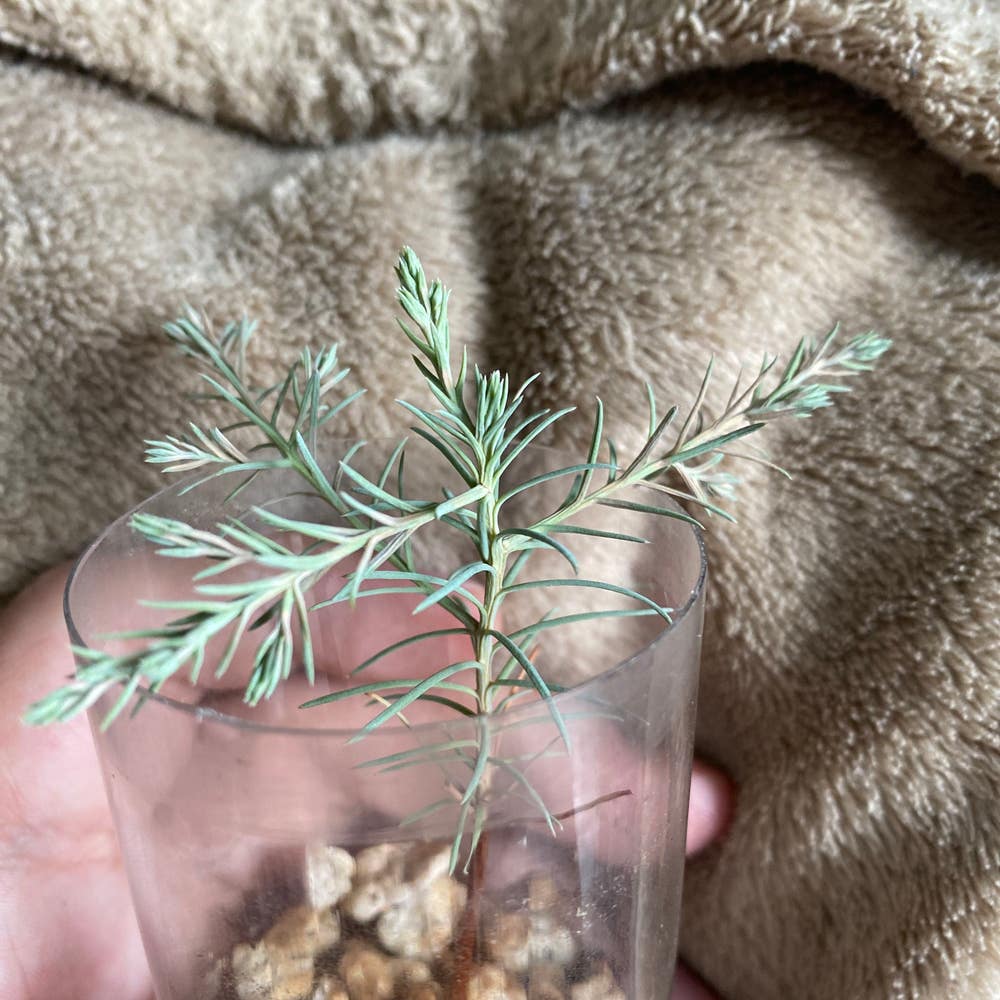
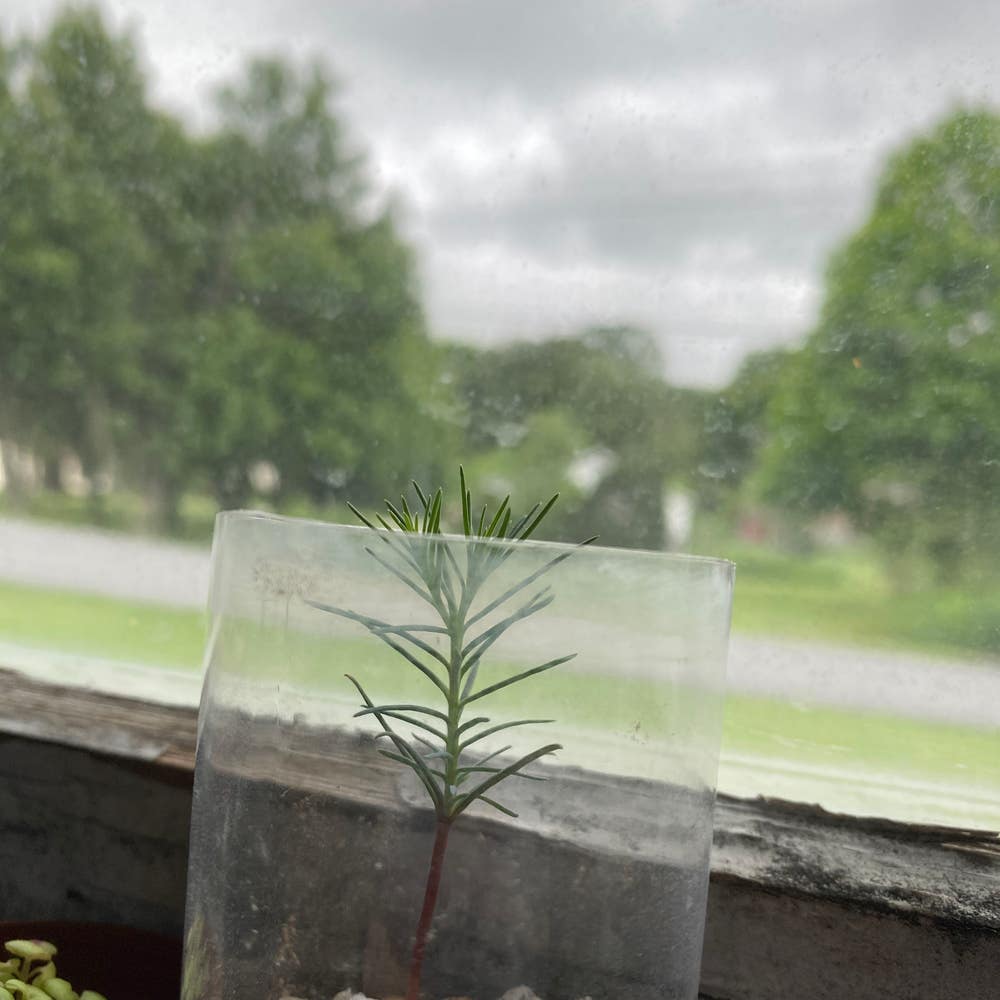
Blue Spruce: How to Plant
Picea pungens
By the Greg Editorial Team
Jul 28, 2024•6 min read
This article was created with the help of AI so we can cover more plants for you. May contain errors. See one? Report it here.
Grow a majestic Blue Spruce 🌲 with confidence using our expert planting and care tips!
- 🌲 Choose sunny, well-drained sites for healthy Blue Spruce growth.
- 🌱 Planting technique matters: right depth, spacing, and thorough watering.
- 🛠️ Monitor and troubleshoot for pests, diseases, and transplant shock.
Site Selection and Preparation
🌲 Choosing the Right Location
Selecting the ideal spot for your Blue Spruce is pivotal for its long-term health and beauty. Here's what to keep in mind:
- Sunlight: Aim for a location with full sun to partial shade. Full sun encourages vibrant needle color and dense growth.
- Drainage: Well-draining soil is a must to prevent root rot. If drainage is poor, consider amending the soil or using a raised bed.
- Space: Blue Spruce needs room to flourish. Plant at least 20-30 feet from structures and other trees to accommodate its mature size.
🌱 Soil Preparation
Prepping the soil sets the stage for your Blue Spruce's success. Follow these steps:
- Test the soil pH: Blue Spruce prefers slightly acidic soil. Adjust the pH if necessary.
- Enhance soil quality: Mix in organic matter to improve poor soils, like heavy clay or sand.
- Clear the area: Remove weeds, rocks, and debris to reduce competition and pests.
- Consider elevation: If possible, choose a site with a slight slope for better air circulation and water runoff.
Planting Options Explained
🌱 Starting from Seedlings
Growing Blue Spruce from seedlings offers a rewarding experience with a touch of challenge. Here's why you might consider this route:
- Cost-effective: Seeds are generally less expensive than mature plants.
- Variety: A broader selection of Blue Spruce varieties is available in seed form.
- Education: The process teaches patience and plant care, ideal for involving kids.
However, seedlings require attention to detail:
- Stratification: Blue Spruce seeds need a cold period to sprout, simulating winter.
- Germination: They need consistent moisture and warmth to germinate, which can take weeks.
- First Winter: Seedlings should spend their first winter outdoors and be repotted in spring.
🌿 Transplanting Saplings
Transplanting young Blue Spruce trees is often preferred for its simplicity:
- Time-saving: Saplings establish faster than seedlings, offering quicker gratification.
- Ease of handling: Saplings are easier to plant and less delicate than seeds.
- Visual selection: You can choose saplings with the desired color and form.
Keep these considerations in mind:
- Cost: Saplings can be more expensive than seeds.
- Root health: Ensure the roots are healthy and not pot-bound.
- Site conditions: Full sunlight, good air circulation, and excellent drainage are crucial for success.
Planting Blue Spruce Seedlings
🌱 Optimal Timing and Conditions
Timing is everything when planting Blue Spruce seedlings. Aim for spring or early fall, when the weather is mild.
- Choose a location with full sunlight, good air movement, and excellent soil drainage.
- Ensure the site is away from heavy shade and not prone to standing water.
🌿 Planting Technique
Proper planting technique is crucial for the health of your Blue Spruce seedlings.
- Dig a hole twice as wide as the root ball and just as deep.
- Place the seedling in the hole, ensuring it's level with the soil surface.
- Backfill with soil, gently tamping down to eliminate air pockets.
- Space seedlings at least 10 feet apart to allow for mature growth.
Water thoroughly after planting to settle the soil around the roots.
Transplanting Blue Spruce Saplings
When to Transplant
Timing is crucial when transplanting Blue Spruce saplings. The best periods are early spring before new growth starts, or early fall, allowing roots to establish before winter. Avoid late fall, as it doesn't give the saplings enough time to settle.
🌲 Transplanting Steps
Transplanting Blue Spruce saplings involves a few key steps:
- Hole Preparation: Dig a hole twice as wide as the root ball but no deeper, to avoid root folding.
- Root Ball Care: Keep as much soil on the root ball as possible. Watering the day before eases the transition.
- Placement: Set the sapling in the hole, ensuring it's upright and at the correct depth.
- Soil Backfilling: Backfill with soil, tamping down to remove air pockets. Don't cover the root ball with excess soil.
Immediate Aftercare
After transplanting, provide your Blue Spruce sapling with:
- Watering: Water deeply and regularly, especially during the first year. Aim for moist, not waterlogged, soil.
- Mulching: Apply a 2-inch layer of mulch around the base to retain moisture and suppress weeds.
- Staking: If the sapling is tall or in a windy area, staking may be necessary for stability.
Aftercare and Growth Monitoring
💧 Watering Schedule
Watering your Blue Spruce correctly is pivotal to its success. Here's how to get it right:
- In the initial years, deep water your Blue Spruce once a week, allowing the soil to dry a bit between sessions.
- As it matures, the tree will be more drought-resistant but still appreciates a good soak during prolonged dry spells.
👀 Monitoring Growth
Keep a close eye on your Blue Spruce to ensure it's thriving:
- Celebrate new growth; it's a sign of good health.
- Watch for browning needles or stunted growth, which could signal distress.
- Adjust your care routine based on the tree's response, and don't hesitate to seek advice if you're unsure.
Troubleshooting Planting Issues
🌱 Addressing Poor Establishment
If your Blue Spruce seedlings or saplings aren't taking root as expected, consider these steps:
- Evaluate the Soil: Ensure the soil isn't consistently waterlogged, which can be detrimental. If necessary, transplant to a location with better drainage.
- Check the Roots: Inspect the roots for damage or girdling and correct any issues found.
- Adjust Watering: Overwatering and underwatering can both lead to poor establishment. Adjust your watering schedule to the needs of the plant, ensuring the soil is moist but not saturated.
🌿 Managing Transplant Shock
Transplant shock can leave your Blue Spruce struggling. To mitigate this:
- Minimize Root Disturbance: Handle the root ball with care when transplanting to avoid additional stress.
- Water Adequately: After transplanting, water the sapling to help settle the soil and provide hydration for the reduced root system.
- Prune Conservatively: If necessary, lightly prune the foliage to balance the reduced root volume, but avoid heavy pruning which can add stress.
🐜 Pest and Disease Prevention
Early detection and prevention are key to managing pests and diseases:
- Regular Inspections: Keep an eye out for signs of distress such as discolored needles or unusual growths.
- Prune and Clean: Remove any diseased branches promptly and keep the area around the tree clean to reduce disease spread.
- Fungicide and Insecticide: As a preventive measure, consider applying appropriate fungicides or insecticidal soaps, especially if you know certain pests or diseases are common in your area.
By staying vigilant and responsive to the signs of trouble, you can ensure your Blue Spruce thrives through its critical early stages.
⚠️ Safety First
This content is for general information and may contain errors, omissions, or outdated details. It is not medical, veterinary advice, or an endorsement of therapeutic claims.
Always consult a qualified healthcare professional before using any plant as food, medicine, or supplement.
Never eat any plant (or feed one to pets) without confirming its identity with at least two trusted sources.
If you suspect poisoning, call Poison Control (800) 222-1222, the Pet Poison Helpline (800) 213-6680, or your local emergency service immediately.
Spotted an error? Please report it here.
Ensure your Blue Spruce thrives from seedling to sky-high 🌲 with Greg's tailored reminders and community insights for perfect planting and care.