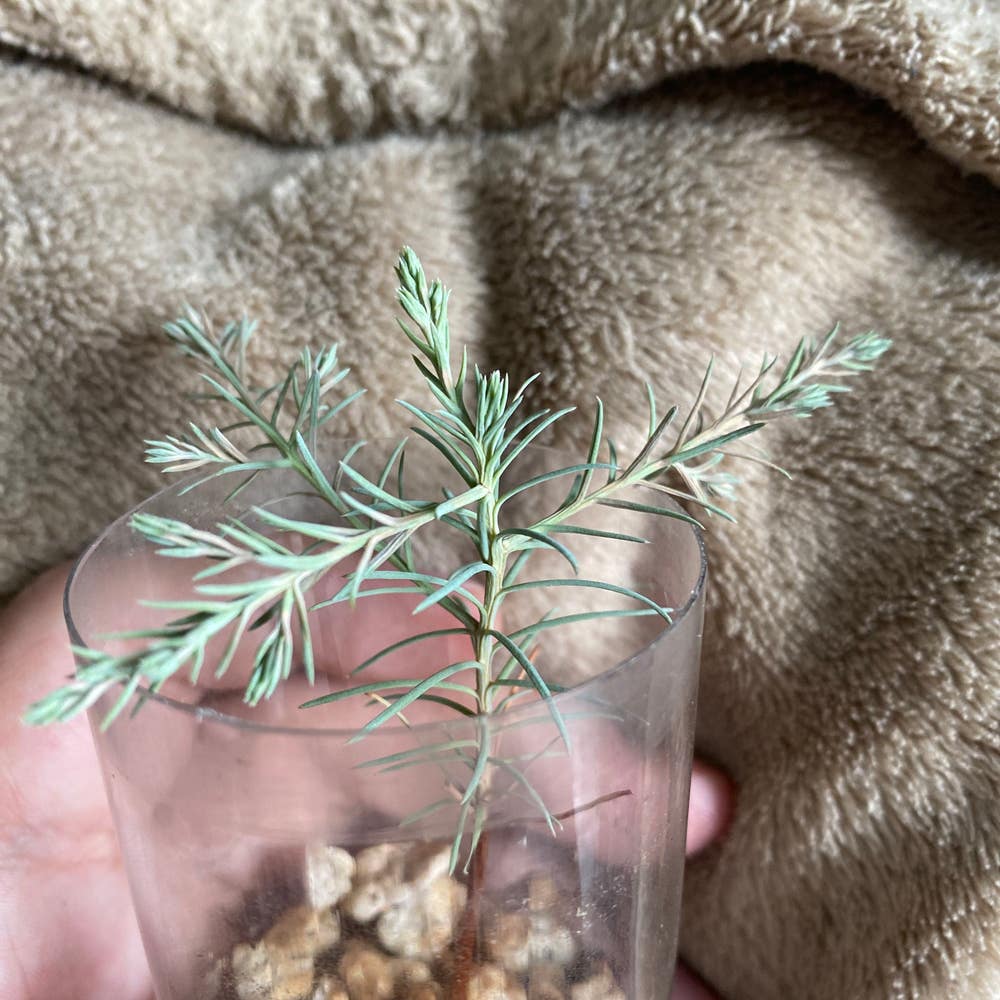
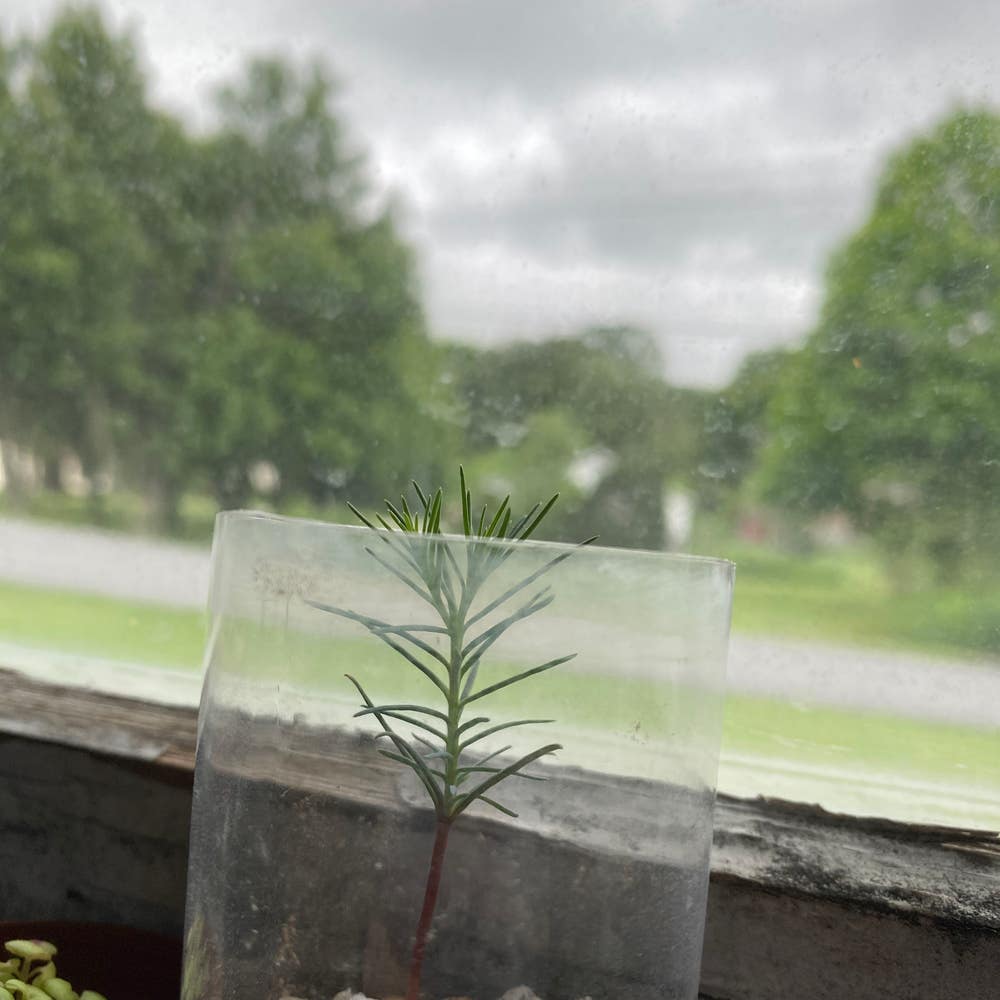
Choosing the Best Pot for Your Blue Spruce
Picea pungens
By the Greg Editorial Team
Jul 28, 2024•4 min read
This article was created with the help of AI so we can cover more plants for you. May contain errors. See one? Report it here.
Discover the secret to a flourishing Blue Spruce with the ultimate pot selection guide! 🌲🏺
- 🌲 Pot size matters: Increase 1-2 inches for young, 3-4 for mature Blue Spruce.
- 💧 Drainage is key: Use pots with holes to prevent root rot.
- 🌱 Material affects health: Choose between plastic, terracotta, or fabric based on moisture needs.
Selecting Container Size
🌱 Growth Stage Considerations
- Choose a pot that's 1-2 inches larger in diameter than the current one for young Blue Spruce to promote healthy root development.
- For mature Blue Spruce, a container that's 3-4 inches larger ensures enough space without risking overwatering.
🌿 Upgrading Pots
- Monitor for roots circling the bottom or emerging from drainage holes as signs it's time for a larger pot.
- Gradually increase pot size, typically every 2-3 years, to accommodate growth without shocking the plant.
Drainage Essentials
🕳️ Importance of Drainage Holes
Drainage holes are a must-have for Blue Spruce pots. They act as a safeguard, allowing excess water to escape, which is crucial for the health of your plant.
- Drainage holes prevent water from pooling at the bottom of the pot, which can lead to root rot.
- They help replicate the natural dry conditions Blue Spruce are accustomed to in the wild.
🦠 Preventing Root Rot
Root rot is a silent killer for Blue Spruces. To keep your tree safe, proper drainage is non-negotiable.
- Conduct a simple test: fill the pot with water and see how quickly it drains. Slow drainage means it's time for a change.
- Clear any blockages in the holes regularly to ensure they're not just for show.
- Consider a potting mix that's well-draining—aim for a texture that's like a wrung-out sponge, not a wet mop.
Pot Materials for Blue Spruce
🏆 Comparing Pot Materials
When choosing a pot for your Blue Spruce, the material can make all the difference. Let's break down the contenders:
- Plastic Pots: Known for their affordability and lightness, they're easy to move around and can keep soil moist for longer. However, they may not breathe as well as other materials, so watch out for overwatering.
- Terracotta Pots: These are the traditional go-to for good reason. They allow roots to breathe and help prevent overwatering by wicking away excess moisture. The trade-off is their weight and fragility.
- Fabric Pots: The newcomers in the pot world, fabric pots promote root health through air pruning and superior aeration. They do tend to dry out more quickly, so they may require more frequent watering.
📦 Material Pros and Cons
Each material impacts your Blue Spruce in unique ways:
- Plastic:
- Pros: Lightweight, cost-effective, retains moisture.
- Cons: Less breathable, risk of waterlogging, can degrade over time.
- Terracotta:
- Pros: Breathable, excellent moisture control, stable in temperature fluctuations.
- Cons: Heavy, may need more frequent watering, can break easily.
- Fabric:
- Pros: Encourages healthy root growth, excellent drainage, portable.
- Cons: Dries out quickly, may lack aesthetic appeal, can be pricier.
Remember, the key is to balance moisture retention with proper aeration to keep your Blue Spruce thriving.
Repotting Blue Spruce
Recognizing Repotting Time 🌲
Roots peeking out of drainage holes or circling the surface of the soil are your Blue Spruce's way of saying it's time for a new home. Watch for these signs:
- Roots visible at the bottom or sides of the pot.
- Water draining too quickly, indicating a lack of soil to retain moisture.
- Slowed growth, yellowing needles, or a general decline in plant vigor.
Selecting a New Pot 🏺
Choosing the next pot for your Blue Spruce is about balance. Here's what to consider:
- Size: Select a pot 2-3 inches larger in diameter than the current one to give roots room without excess soil.
- Material: Clay pots offer breathability while plastic retains moisture; choose based on your watering habits.
- Drainage: Ensure the new pot has adequate drainage holes to prevent waterlogging and root rot.
Remember, repotting is a delicate process—handle your Blue Spruce with care and patience.
⚠️ Safety First
This content is for general information and may contain errors, omissions, or outdated details. It is not medical, veterinary advice, or an endorsement of therapeutic claims.
Always consult a qualified healthcare professional before using any plant as food, medicine, or supplement.
Never eat any plant (or feed one to pets) without confirming its identity with at least two trusted sources.
If you suspect poisoning, call Poison Control (800) 222-1222, the Pet Poison Helpline (800) 213-6680, or your local emergency service immediately.
Spotted an error? Please report it here.
Nurture a thriving Blue Spruce with the ideal pot and Greg's timely repotting alerts 🌲, ensuring your tree's roots are always in their best home.