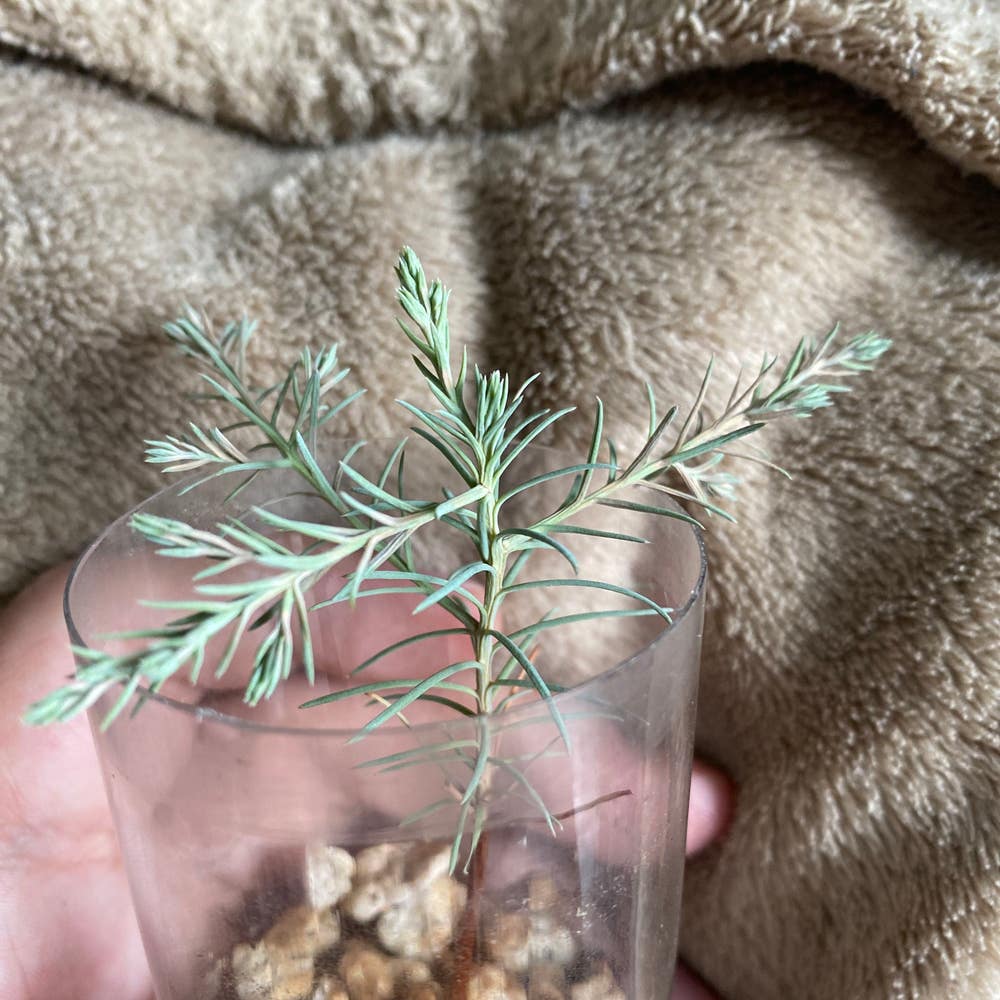
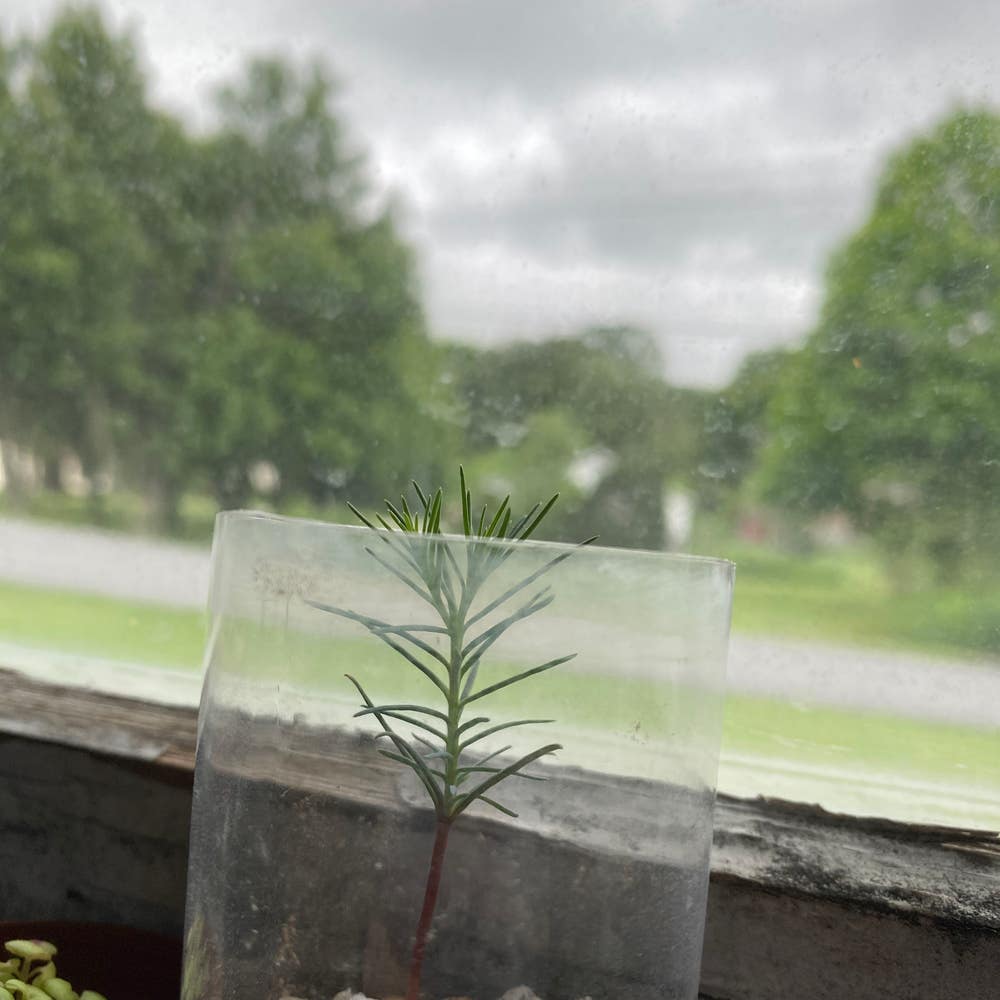
4 Secrets to Thriving Outdoor Blue Spruce
Picea pungens
By the Greg Editorial Team
Jul 28, 2024•7 min read
This article was created with the help of AI so we can cover more plants for you. May contain errors. See one? Report it here.
Grow a majestic Blue Spruce with ease using our tailored planting and seasonal care guide. 🌲🌞
- 🌲 Choose wisely between container or in-ground planting for Blue Spruce health.
- ☀️ Sunlight is key: Ensure 6+ hours daily for optimal growth.
- 💧🌡️ Adapt watering routine to weather and soil to avoid water stress.
Planting Decisions
When it comes to planting your Blue Spruce, you're faced with two primary options: container planting or in-ground planting. Each method comes with its own set of benefits and challenges.
🌿 Container Planting
Pros:
- Flexibility in placement; move the tree as needed for optimal sunlight or aesthetic purposes.
- Easier to control soil quality and drainage.
- Potentially reduces the risk of ground soil pests and diseases.
- Ideal for areas with poor native soil or limited space.
Cons:
- Requires more frequent watering due to limited soil moisture retention.
- May need more regular repotting to accommodate root growth.
- Containers can restrict root development over time.
🌳 In-Ground Planting
Pros:
- Allows for natural root expansion, leading to a stronger, more stable tree.
- Typically requires less frequent watering once established.
- The tree can benefit from the nutrients and microorganisms present in native soil.
Cons:
- Less control over soil conditions unless amended.
- Permanent placement; choose the location carefully.
- Potentially more susceptible to soil-borne pests and diseases.
When selecting the right location for planting, consider the following:
- Ensure the site receives at least 6 hours of direct sunlight daily.
- The soil should be rich, moist, yet well-drained to prevent root rot.
- Avoid low areas where water can collect and areas with heavy clay soil unless improved.
- Consider future growth; Blue Spruce can become quite large and needs space to spread.
Sunlight Strategies
Blue Spruce thrives with ample sunlight, but the right balance is key. Here's how to ensure your tree gets the ideal exposure:
Ideal Sunlight Exposure:
- Aim for at least 6 hours of direct sunlight daily.
- In hotter zones like 6 or 7, 4-5 hours may suffice due to more intense sun.
Seasonal Sunlight Adjustments:
- In northern regions, maximize sun exposure to compensate for a shorter growing season.
- During intense summer heat, protect with shade netting that filters 50% of sunlight.
- Transition to more shade if roots are damaged or if the tree is in a container.
Remember, too little sun can lead to sparse growth and duller needle color, while too much can stress the tree. Adjust your Blue Spruce's sunbathing routine with the seasons and watch it flourish.
Watering Techniques
💧 Establishing a Watering Routine
- For the first year, water your Blue Spruce regularly to maintain moist soil, crucial for root establishment.
- Transition to watering only during dry spells once the tree is mature, avoiding overwatering and standing water at the base.
🌦 Adapting to Weather Patterns and Soil Conditions
- Monitor soil moisture and adjust your watering schedule accordingly; dry soil means it's time to water, while wet soil means it's time to wait.
- In response to seasonal changes, increase watering during hot, dry periods and reduce it when rainfall is abundant or during cooler seasons.
- Consider using a drip irrigation system for consistent soil moisture, especially during the growing season, without risking waterlogged soil.
Soil Selection
Blue Spruce trees are known for their resilience, but they thrive best in well-draining, slightly acidic soil. Whether you're dealing with sandy or clay soils, the key is to ensure proper drainage and the right pH balance.
- For optimal growth, aim for a soil pH between 5.5 and 7.0.
- Amend clay soils with organic matter like compost to enhance drainage.
- Enrich sandy soils with peat moss or aged compost to boost moisture retention.
Adjusting your soil composition is like setting a strong foundation for your Blue Spruce. It's about creating an environment where roots can breathe and access the nutrients they need.
- Regularly test your soil's pH and adjust with soil acidifiers if necessary.
- Consider using raised beds if your native soil doesn't drain well.
- Mulch with materials like shredded bark or pine needles to maintain moisture and regulate temperature, keeping a few inches clear from the trunk to prevent rot.
Protecting from Weather
Extreme temperatures and harsh elements can stress your Blue Spruce, but with the right measures, you can create a fortress of protection.
Shielding from Temperature Extremes:
- Mulch your Blue Spruce to maintain soil moisture and temperature. A layer of mulch acts like a cozy blanket, warding off both summer heat and winter chills.
- Wrap young trees with burlap or frost cloth during the coldest months to prevent frost damage.
- For plastic potted spruces, consider double potting with an insulating gap or using protective wraps to shield the trunk from sunscald.
Windbreaks and Structural Barriers:
- Plant a row of Blue Spruces as a natural windbreak to protect your garden and outdoor living spaces.
- Alternatively, use built structures or taller shrubs to buffer your Blue Spruce from strong winds, which can dry out the foliage and lead to damage.
Snow and Ice Management:
- Prevent branch breakage by gently brushing off snow accumulation; avoid shaking the branches to keep them intact.
- In areas with heavy snowfall, strategic placement away from roof edges can minimize the risk of snow dumping onto the tree.
Combating Outdoor Pests
Recognizing and managing common pests and diseases are crucial for the health of outdoor Blue Spruce. Here are steps to keep your trees pest-free:
- Regularly inspect your Blue Spruce for signs of infestation, such as unusual leaf discoloration, sticky residues, or visible insects.
- Remove any garden debris and fallen leaves around the tree to prevent pests from settling in.
Implementing preventative care and treatment options is equally important:
- Introduce beneficial insects, like ladybugs, that naturally control pest populations.
- Use horticultural oils or insecticidal soaps as a first line of defense against infestations, applying them according to the product instructions.
- Keep your gardening tools clean to avoid transferring pests from one plant to another.
- Consider organic options like neem oil or diatomaceous earth to tackle pests without resorting to harsh chemicals.
- For persistent problems, consult with a local extension service or plant pathology lab for diagnosis and advice on effective treatment strategies.
Remember, the best defense is a strong offense. By maintaining a healthy tree through proper watering, sunlight, and fertilization, you'll make your Blue Spruce less inviting to pests.
Seasonal Adjustments
Blue Spruce trees are magnificent year-round, but their care needs shift with the seasons. Here's how to keep them thriving from spring's thaw to winter's chill.
🌸 Spring
- Inspect your Blue Spruce for winter damage and prune as necessary.
- Increase watering frequency to support new growth, especially if the winter was dry.
☀️ Summer
- Monitor soil moisture closely; water deeply during dry spells to prevent heat stress.
- Provide some afternoon shade in regions with intense summer sun to protect the foliage.
🍂 Fall
- Prepare for winter by reducing watering as the tree's growth slows.
- Apply mulch to insulate the root zone and retain soil moisture.
❄️ Winter
- In snowy regions, gently brush off heavy snow from branches to prevent damage.
- Water sparingly, but don't let the roots dry out completely, especially in warmer zones.
Climate zone considerations:
- Zones 2-7: Blue Spruce will generally thrive with minimal adjustments.
- Warmer zones: Provide extra water during hot spells and ensure good drainage to prevent root rot.
- Colder zones: Protect from harsh winds with strategic planting or by using windbreaks.
Remember, every Blue Spruce is unique. Observe your tree's response to seasonal changes and adjust your care routine accordingly.
⚠️ Safety First
This content is for general information and may contain errors, omissions, or outdated details. It is not medical, veterinary advice, or an endorsement of therapeutic claims.
Always consult a qualified healthcare professional before using any plant as food, medicine, or supplement.
Never eat any plant (or feed one to pets) without confirming its identity with at least two trusted sources.
If you suspect poisoning, call Poison Control (800) 222-1222, the Pet Poison Helpline (800) 213-6680, or your local emergency service immediately.
Spotted an error? Please report it here.
Watch your Blue Spruce flourish 🌲 as Greg customizes care alerts to your local weather and soil conditions, ensuring your tree gets just what it needs, when it needs it.