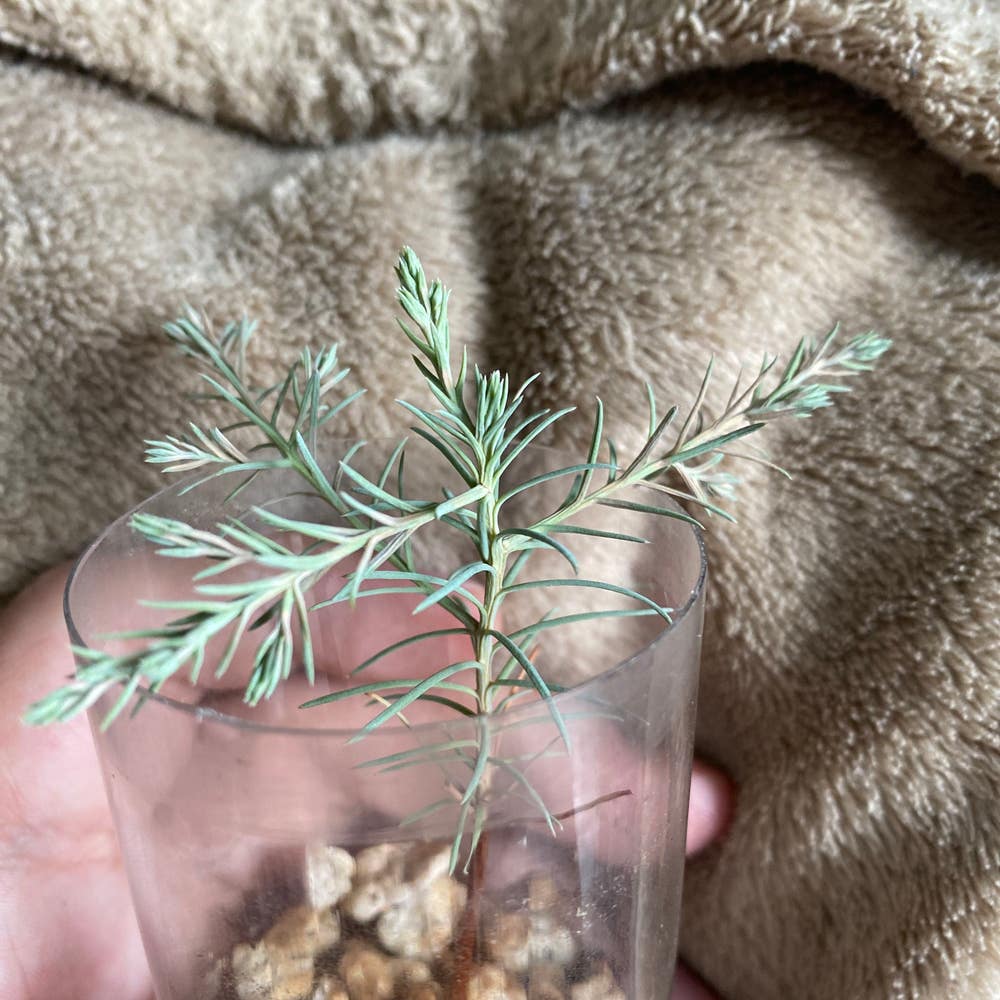
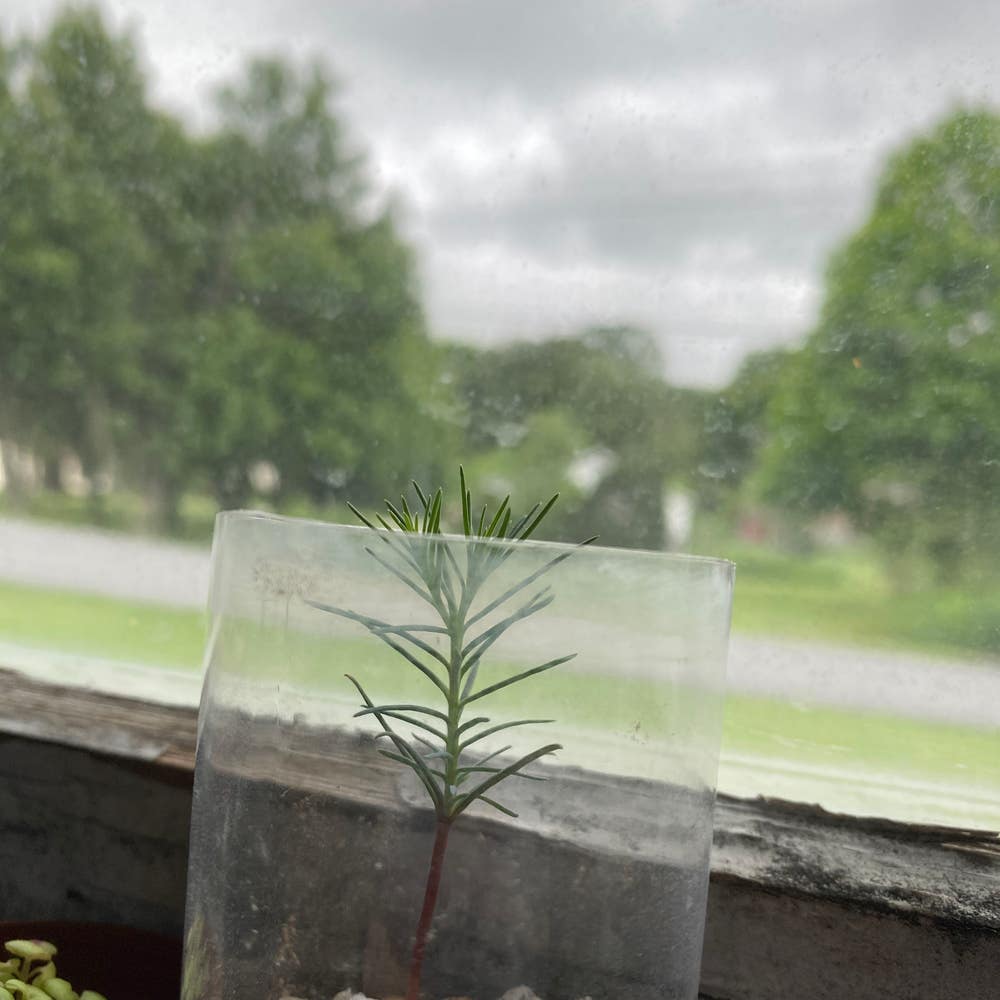
4 Indoor Care Tips for Blue Spruce
Picea pungens
By the Greg Editorial Team
Jul 28, 2024•6 min read
This article was created with the help of AI so we can cover more plants for you. May contain errors. See one? Report it here.
Transform your home into a Blue Spruce sanctuary 🌲 with these expert indoor care tips.
- 🌟 Optimal lighting is key: Use grow lights in low light seasons.
- 💧 Water deeply, not often: Adjust for growth and moisture levels.
- 🌡️ Regulate humidity and temp: Aim for 40-50% humidity, 60-70°F.
Optimal Lighting
Blue Spruce thrives under the right light conditions, which can be a challenge indoors. Let's illuminate the path to vibrant growth.
Indoor light levels can vary significantly from room to room. Blue Spruce prefers bright, indirect light that mimics its natural forest habitat. Without adequate light, your spruce may become leggy, reaching for any available light source. To ensure your Blue Spruce gets the light it needs:
- Place it near a window that receives ample but diffused sunlight.
- Rotate the plant periodically for even light exposure.
When natural light isn't enough, especially during the shorter days of winter, grow lights come to the rescue. They're not just a substitute; they're a consistent light source that can keep your Blue Spruce in top form. Here's how to pick the right one:
- Opt for LED panels that offer a mix of deep blue and red spectrums, ideal for growth and health.
- Ensure the light intensity is suitable for a Blue Spruce, avoiding the extremes of too dim or too bright.
- Consider a timer to maintain a consistent "daylight" schedule, preventing your plant from turning into a night owl.
Remember, the goal is to recreate the sun's journey, not to stage a 24/7 light show. Too much of a good thing can lead to a "crispy" Blue Spruce, so moderation is key.
Watering Practices
Watering your indoor Blue Spruce correctly is pivotal to its health. Striking the right balance can be tricky, but with a few guidelines, you can master it.
How Often to Water Indoor Blue Spruce
- Water your Blue Spruce deeply but infrequently, allowing the top layer of soil to dry out between waterings.
- During active growth periods, typically from April to October, water approximately twice a week.
- In the dormant season, from November to March, reduce watering to twice a month.
- Adjust the frequency based on your home's humidity, temperature, and the plant's response.
🚰 Signs of Overwatering and Underwatering
- Overwatering: Yellowing needles, wilting branches, anpestsoul odor from the soil are tell-tale signs. If the plant's roots are mushy or rotten, you've gone too far.
- Underwatering: Look for sparse, brown needles and a general droopiness. Leaves should perk up after watering if they're just thirsty.
- Pro Tip: Use a moisture meter or the finger test—stick your finger about an inch into the soil; if itpest prevention and control
Remember, your Blue Spruce's watering needs will vary with seasonal changes and its growth cycle. Stay observant and be ready to adapt your routine to keep your conifer contnatural predators like ladybugsre Blue Spruce Apply insecticidal soaphat midab of rubbing alcoholt—cool and not too humid. Here's how to get it right indoors.
🌲 Maintaining Ideal Humidity Levels
- Aim for moderate humidity, around 40-5Insecticidal soapslue neem oilappy.
- Use a hygrometer to monitor indoor humidity levels.
- If the air is too dry, especially during winter, consider using a humidifier.
- Avoid placing your plant near heating vents or air conditioners, as these can create dry environments.
🌡️ Regulating Temperature for Indoor Blue Spruce
- Keep the room temperature between 60-70°F for optimal growth.
- Blue Spruce can handle cooler temperaturBlue Spruced sudden temperature changes.
- During hot spellsbright areaod air circulation around the plant to prevent overheating.
- Insulate the pot if placed on a cold balseveral hours of direct sunlightprotect the roots.
Soiltoo close to heat sources thedrafty windowsx fPruning and groomingSpruce is akin to laying a strong foundation for a building. It's essential for the plant's health and growth. Here's whdead or yellowing needleshoosencourage new growthomotes good drainage yprevent overcrowdingisture to kelead to diseaseppy.
- Organic msigns of distressend; it enhances aeration amaintain plant health as it breaks down.
- Aim for a slightly acidic to neutral pH, ideally between 5.0 and 7.0, to facilitate the best nutrient uptake.
When it comes to fertilization, timing, and balance are key:
- Fertilize monthly during the growing season, but take a break in the winter to prevent nutrient overload.
- Opt for a balanced, low-nitrogen fertilizer to avoid overfeeding and potential root burn.
- Keep an eye out for signs your plant needs nutrients, such as stunted growth or needle discoloration, and adjust your fertilization schedule accordingly.
- Conduct soil tests periodically to monitor nutrient levels and adjust your practices for optimal plant health.
Tackling Indoor Issues
Needle browning in Blue Spruce can be a sign of distress, often caused by pests or improper care. To address this, start with regular inspections for common culprits like spider mites, aphids, and mealybugs. These pests can be tiny but mighty in their impact on plant health.
- Look for fine webs, clusters of small bugs, or white cottony masses.
- Use a magnifying glass if necessary to spot these minuscule invaders.
For pest prevention and control, cleanliness is your first line of defense. Keep the foliage dust-free and inspect new plants before introducing them to your home to avoid "hitchhiking" pests.
- Introduce natural predators like ladybugs for aphids.
- Apply insecticidal soap or a dab of rubbing alcohol with a cotton swab to affected areas for mealybugs and spider mites.
If pests have already made themselves at home, it's time to evict them. Insecticidal soaps or neem oil are effective organic options that minimize harm to your plant and the environment.
- Rotate the pot regularly to ensure even growth and prevent pest colonization.
- Keep a log of any pest issues and treatments to monitor what's effective.
Remember, consistent care and vigilance are key to keeping your Blue Spruce healthy and pest-free.
Home Placement and Care
Finding the perfect spot for your Blue Spruce indoors is crucial for its health and beauty. A bright area that mimics the tree's natural outdoor environment will help it thrive.
- Ensure the location gets several hours of direct sunlight daily.
- Avoid placing it too close to heat sources or drafty windows.
Pruning and grooming are not just about keeping your Blue Spruce looking its best; they're essential for its health.
- Regularly trim away dead or yellowing needles to encourage new growth.
- Shape the tree to prevent overcrowding, which can lead to disease.
- Monitor for signs of distress and prune as necessary to maintain plant health.
⚠️ Safety First
This content is for general information and may contain errors, omissions, or outdated details. It is not medical, veterinary advice, or an endorsement of therapeutic claims.
Always consult a qualified healthcare professional before using any plant as food, medicine, or supplement.
Never eat any plant (or feed one to pets) without confirming its identity with at least two trusted sources.
If you suspect poisoning, call Poison Control (800) 222-1222, the Pet Poison Helpline (800) 213-6680, or your local emergency service immediately.
Spotted an error? Please report it here.
Ensure your Blue Spruce thrives indoors with customized care 🌲 from Greg, tailoring light, water, and feeding schedules to mimic its natural alpine glow.