Why Are My Blue Spruce Leaves Falling Over?
Picea pungens
By the Greg Editorial Team
Jun 14, 2024•4 min read
This article was created with the help of AI so we can cover more plants for you. May contain errors. See one? Report it here.
Save your Blue Spruce from droop despair 🌲—learn the signs and solutions for lush, healthy foliage!
- Discoloration and drooping signal Blue Spruce distress.
- Environmental stress, pests, diseases undermine tree health.
- Consistent care and early detection are key to prevention.
Spotting the Signs: When Your Blue Spruce is in Distress
🚩 Visual Symptoms of Trouble
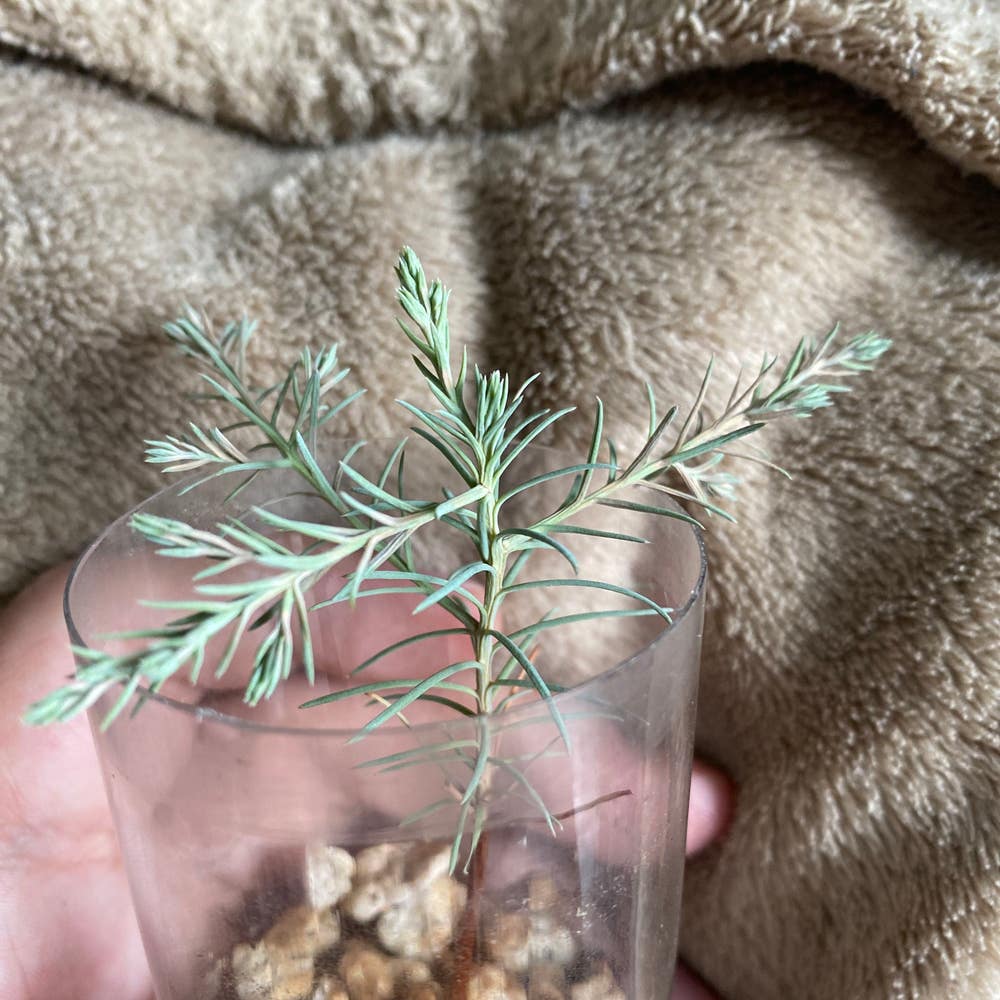
Discoloration and wilting are the red flags of a Blue Spruce in trouble. Look for needles that have lost their characteristic blue-green hue, turning instead to a sickly yellow or brown. These aren't just autumnal fashion choices; they're distress signals.
Unusual patterns, like a single branch turning color while the rest of the tree remains healthy, could indicate localized issues such as pest infestation or canker diseases. It's like finding a typo in an otherwise perfect report—small but significant.
🌿 Physical Changes in Foliage
Drooping branches on a Blue Spruce should raise your eyebrows. It's not the tree trying to bow down to you; it's a sign that something's off. Natural growth has a certain poise, while problematic drooping looks defeated, weighed down by invisible burdens.
When the foliage's posture changes from a confident stand to a slouch, it's time to investigate. It's not just about aesthetics; it's about the tree's health. If your Spruce's branches are looking more like weary arms at the end of a long day, it's a cry for help.

Rooting Out the Causes: What's Making Your Spruce Sad?
💧 Environmental Stressors
Drought, heat, and cold aren't just bad news for your summer plans; they're a triple threat to your Blue Spruce. These conditions can lead to what's known as foliage fatigue, where the leaves lose their vigor and droop in despair.
🐛 Pests and Diseases
Your Spruce isn't just battling the elements; it's got a whole host of pests and diseases to contend with. Needlecasts, like Rhizosphaera and Stigmina, are fungal pathogens that love to party on your tree's needles, leading to discoloration and drop-off. And let's not forget about those insects that see a stressed Spruce as an all-you-can-eat buffet.
🌱 Nutrient Deficiencies
Soil health isn't just for farmers to worry about. Your Spruce's leaf longevity is directly tied to the nutrients it's soaking up from the ground. Insufficient fertilizer can leave your tree looking duller than a winter sky and as defenseless as a kitten in a dog park. Remember, healthy soil equals a happy tree.

First Aid for Foliage: Turning the Tide on Drooping
💧 Watering Woes: Quenching Your Spruce's Thirst
Proper watering is crucial for a drooping Blue Spruce. Overwatering can drown roots, while underwatering leaves them parched. Strike a balance with a consistent schedule and adjust according to the season. In the heat, your Spruce might need more frequent drinks; in cooler weather, less so. Use the touch test: soil should be moist, not soggy or bone-dry.
🌬 Battling the Elements
Blue Spruces aren't fans of extreme weather. Protect them from scorching sun and brutal cold. A layer of mulch can keep roots cool and moist in summer and insulated in winter. If your Spruce is young or newly planted, consider a burlap wrap to fend off windburn and frostbite.
🐜 Pest Control and Disease Management
Pests and diseases are like uninvited guests at a party—they wreak havoc. Regularly inspect your Spruce for signs of trouble: discolored needles, unusual sap, or tiny critters. If you spot something suspect, act fast. Prune away affected areas and apply appropriate fungicides or pesticides. Remember, prevention is easier than cure, so keep your Spruce healthy to avoid these issues in the first place.

Future-Proofing Your Spruce: Prevention is the Best Medicine
🌲 Consistency in Care
Regular watering and inspection routines are non-negotiable for the health of your Blue Spruce. Strike a balance; your tree craves consistency, not surprises.
🌱 Soil and Mulch Magic
Mulch is your tree's sidekick against harsh conditions. Apply a 3-inch layer, but keep it away from the trunk to prevent rot. Soil amendments can be game-changers; they're like vitamins for your tree's underground world.
🐛 Vigilance Against Invaders
Early detection of pests and diseases is like catching a typo before hitting send—crucial. Prune affected areas promptly and consider professional treatments if you're out of your league. Remember, fungicides aren't a cure-all; they're just part of the toolkit.
⚠️ Safety First
This content is for general information and may contain errors, omissions, or outdated details. It is not medical, veterinary advice, or an endorsement of therapeutic claims.
Always consult a qualified healthcare professional before using any plant as food, medicine, or supplement.
Never eat any plant (or feed one to pets) without confirming its identity with at least two trusted sources.
If you suspect poisoning, call Poison Control (800) 222-1222, the Pet Poison Helpline (800) 213-6680, or your local emergency service immediately.
Spotted an error? Please report it here.
Ensure your Blue Spruce stands tall and healthy 💧 with Greg's custom watering schedule and pest detection alerts, keeping your evergreen ever-gorgeous.