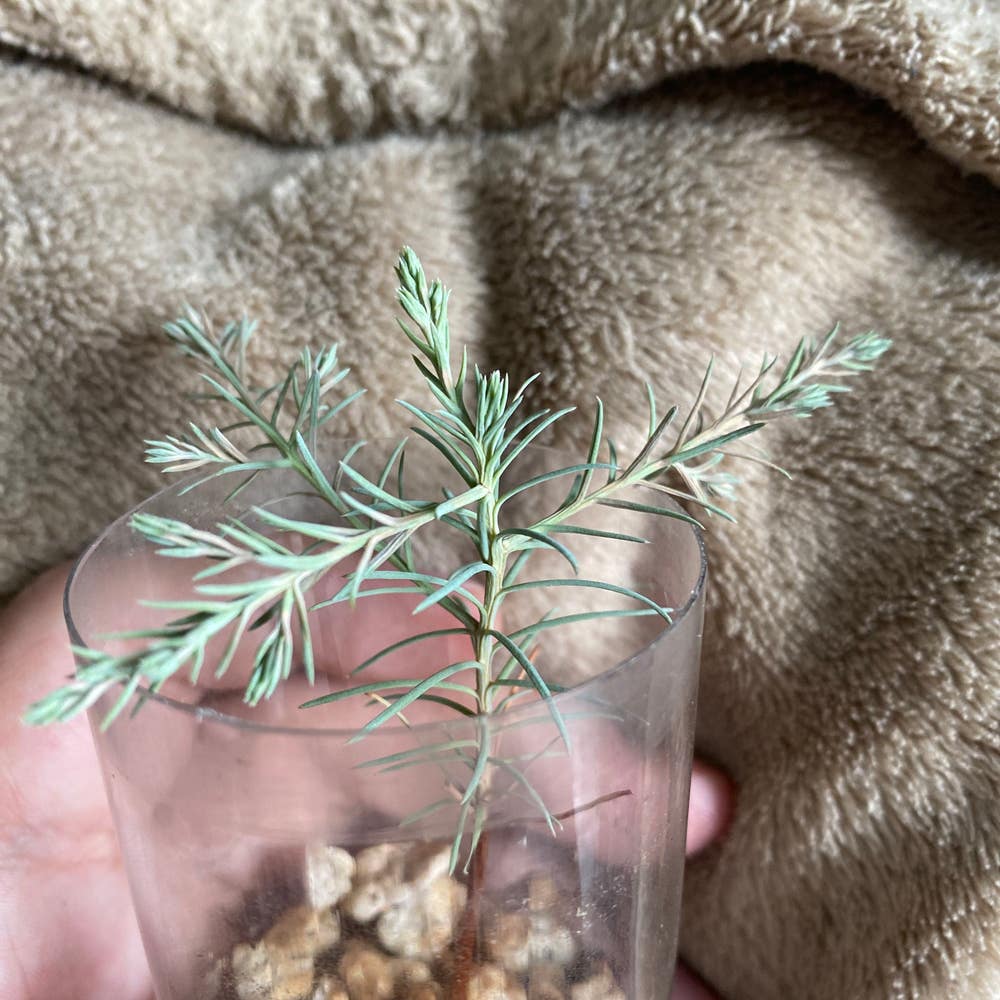
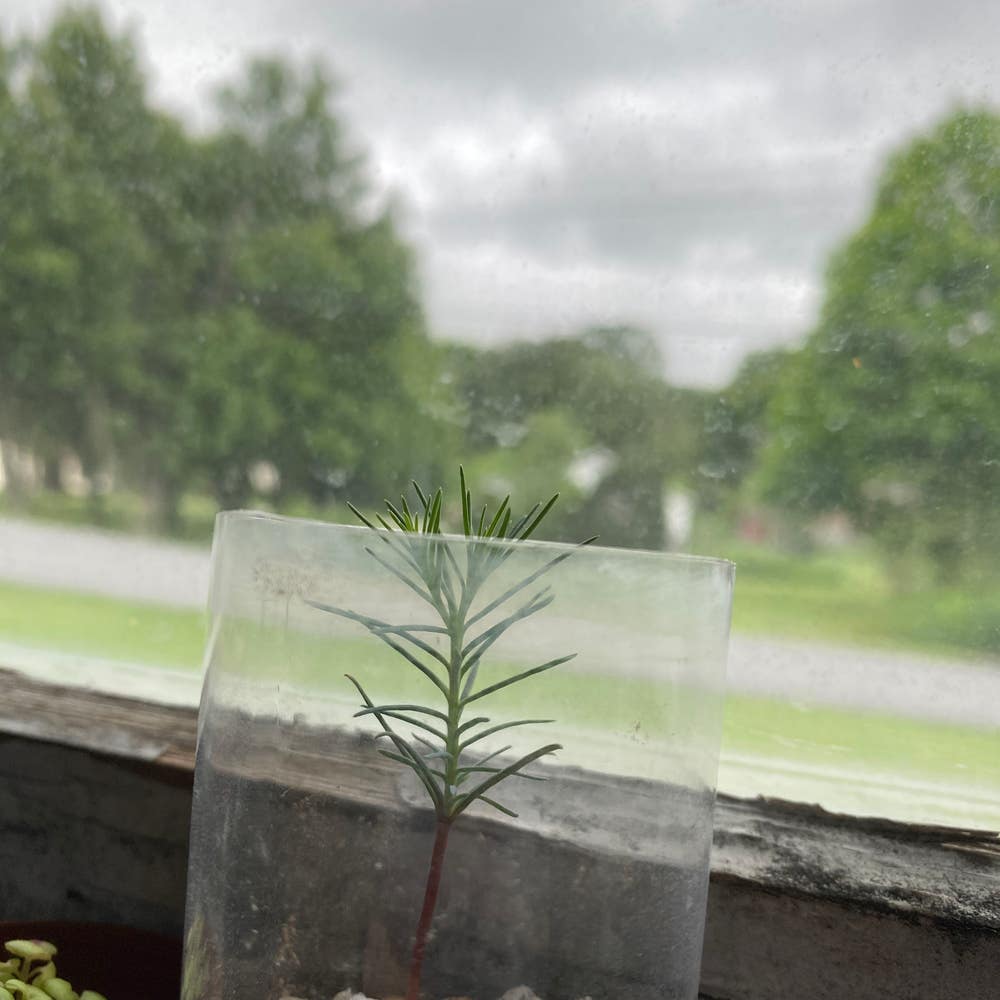
Best Companion Plants for Blue Spruce
Picea pungens
By the Greg Editorial Team
Jul 28, 2024•3 min read
This article was created with the help of AI so we can cover more plants for you. May contain errors. See one? Report it here.
Elevate your garden's ecosystem 🌿 by choosing companions that enhance your Blue Spruce's vitality and beauty.
- 🌲🌱 Companion planting boosts Blue Spruce health and garden diversity.
- 🐝 Lavender and Russian Sage attract pollinators and deter pests.
- 🚫 Avoid Rhododendrons and Azaleas due to soil and moisture conflicts.
Companion Planting Benefits
🌿 Symbiotic Relationships
Companion planting goes beyond mere aesthetics; it's about creating partnerships in the garden. Certain plants, when grown alongside Blue Spruce, can boost its vigor and overall well-being. For instance:
- Nitrogen-fixing plants enrich the soil, benefiting nutrient-hungry spruces.
- Deep-rooted companions can help aerate the soil, improving water and nutrient uptake for the Blue Spruce.
🌼 Garden Diversity
A diverse garden is a resilient one. Introducing a variety of species around your Blue Spruce can lead to:
- Enhanced soil health, as different plants contribute unique nutrients.
- A more stable ecosystem that's less prone to disease and environmental stress.
🐞 Pest Management
Nature's own pest control, certain companions naturally keep harmful insects at bay:
- Aromatic plants can mask the scent of Blue Spruce, confusing pests.
- Some flowering companions attract beneficial insects that prey on common spruce pests.
Top Blue Spruce Companions
🌿 Lavender
- Thrives in conditions similar to Blue Spruce: full sun and well-draining soil.
- Attracts pollinators such as bees and butterflies, benefiting the entire garden ecosystem.
🌸 Russian Sage
- Offers a striking visual complement with its tall, airy blooms.
- Its pest-repellent properties help protect Blue Spruce from common garden pests.
🌺 Daylilies
- Compatible root systems ensure they coexist without competition.
- Their vibrant blooms add a splash of color against the Blue Spruce's evergreen backdrop.
🌱 Sedum
- Excellent ground cover that tolerates a range of soil conditions.
- Its undemanding nature allows gardeners to focus more on the care of Blue Spruce.
😺 Catmint
- Emits a pleasant aroma that can deter garden pests.
- The flowering patterns provide a stunning visual contrast to the Blue Spruce's rigid form.
Incompatible Plants
🌺 Rhododendrons and Azaleas
Rhododendrons and Azaleas, while stunning, are poor bedfellows for Blue Spruce. Here's why:
- Soil pH Conflicts: Blue Spruce thrives in neutral to slightly acidic soil, but Rhododendrons and Azaleas are lovers of highly acidic environments. This mismatch can lead to nutrient absorption issues for both plants.
- Nutrient Competition: These acid-loving plants can aggressively deplete the soil of essential nutrients like nitrogen and iron, which Blue Spruce also needs to maintain its health and vibrant color.
Rhododendrons and Azaleas also have specific watering needs that clash with Blue Spruce's preferences:
- Moisture Requirements: The fibrous roots of Rhododendrons and Azaleas demand well-draining soil and consistent moisture, conditions that can lead to root rot in Blue Spruce if the soil is too soggy.
- Root Competition: The expansive root systems of these plants can interfere with the Blue Spruce's growth, leading to a struggle for water and space beneath the soil's surface.
In essence, pairing Blue Spruce with Rhododendrons or Azaleas can lead to a garden tug-of-war, where neither plant emerges the victor.
Selecting the Right Companions
When it comes to rounding out your Blue Spruce's environment, think of it as curating a gallery. The plants you choose should complement the Spruce both visually and ecologically.
- Aesthetics: Aim for a mix of textures, colors, and forms that echo the Spruce's majestic presence without overshadowing it.
- Growing Conditions: Select plants with similar sunlight, water, and soil preferences to ensure harmonious growth.
- Plant Health: Opt for companions known to deter pests or enhance soil health, contributing to the overall well-being of your Blue Spruce.
Remember, the goal is to create a garden that's not just a feast for the eyes but a sanctuary for your Blue Spruce. By selecting the right companions, you're not just planting a garden; you're sculpting an ecosystem.
⚠️ Safety First
This content is for general information and may contain errors, omissions, or outdated details. It is not medical, veterinary advice, or an endorsement of therapeutic claims.
Always consult a qualified healthcare professional before using any plant as food, medicine, or supplement.
Never eat any plant (or feed one to pets) without confirming its identity with at least two trusted sources.
If you suspect poisoning, call Poison Control (800) 222-1222, the Pet Poison Helpline (800) 213-6680, or your local emergency service immediately.
Spotted an error? Please report it here.
Boost your Blue Spruce's ecosystem with ideal companions by using Greg to identify 🌲 and track the perfect plant partners for a healthier, more vibrant garden.