Blue Spruce Is a Perennial
Picea pungens
By the Greg Editorial Team
Jul 28, 2024•5 min read
This article was created with the help of AI so we can cover more plants for you. May contain errors. See one? Report it here.
Elevate your garden's year-round beauty and resilience with the timeless Blue Spruce 🌲.
- 🌲 Blue Spruce: A hardy perennial with evergreen appeal and centuries-long lifespan.
- 🌱 Seasonal dormancy ensures survival through winter, with vibrant spring growth.
- 🏡 Gardening plus: Less replanting, year-round beauty, and environmental benefits.
Blue Spruce Perennial Basics
Defining Perennial Qualities
Perennial plants are the stalwarts of the garden, returning season after season. The Blue Spruce, with its robust root system, is a prime example of perennial endurance. Unlike annuals, it doesn't need replanting each year, and its evergreen needles maintain a year-round presence.
Blue Spruce Lifecycle
The Blue Spruce's lifecycle spans multiple years, showcasing its perennial strength. Each year, it regrows from its established roots, with its needles remaining evergreen and its woody structure enduring through seasons. This cycle of renewal is a hallmark of its perennial nature.
Growth and Longevity
🌱 Growth Patterns
Blue Spruce, as a perennial, isn't in a rush. Its growth habits are a slow, steady march rather than a sprint, influenced by its enduring nature. Here's how:
- The tree's perennial classification means it grows back each year from the same sturdy root system.
- Growth rate is moderate, with the tree expanding its reach skyward and outward at a measured pace.
🌺 Flowering and Reproduction
Unlike annuals that flower and seed within a single season, Blue Spruce plays the long game. It may take up to 30 years for the first flowers to appear, but here's the breakdown:
- Blue Spruce is monoecious, producing both male and female cones on the same tree.
- The male cones are small, yellowish-red, while the female cones start off red or green before maturing.
🕰️ Lifespan Expectations
The Blue Spruce can be a centuries-old sentinel in the right conditions. While garden specimens typically live 40 to 60 years, wild ones can reach 200 years. Factors affecting longevity include:
- Climate: Thrives in cooler, humid climates across USDA zones 2 through 8.
- Care: Full sun, even moisture, and mulching in warmer zones to keep roots cool.
Seasonal Adaptations
🌬️ Understanding Dormancy
Blue Spruce trees, like many perennials, enter a state of dormancy as a survival strategy during colder months. This period of rest allows them to conserve energy and withstand harsh winter conditions.
- Dormancy is triggered by shorter daylight hours and dropping temperatures.
- The tree's metabolic activities slow down, and growth ceases until favorable conditions return.
🌱 Seasonal Growth Changes
With the arrival of spring, Blue Spruce awakens from dormancy, ready to capitalize on the optimal growing conditions.
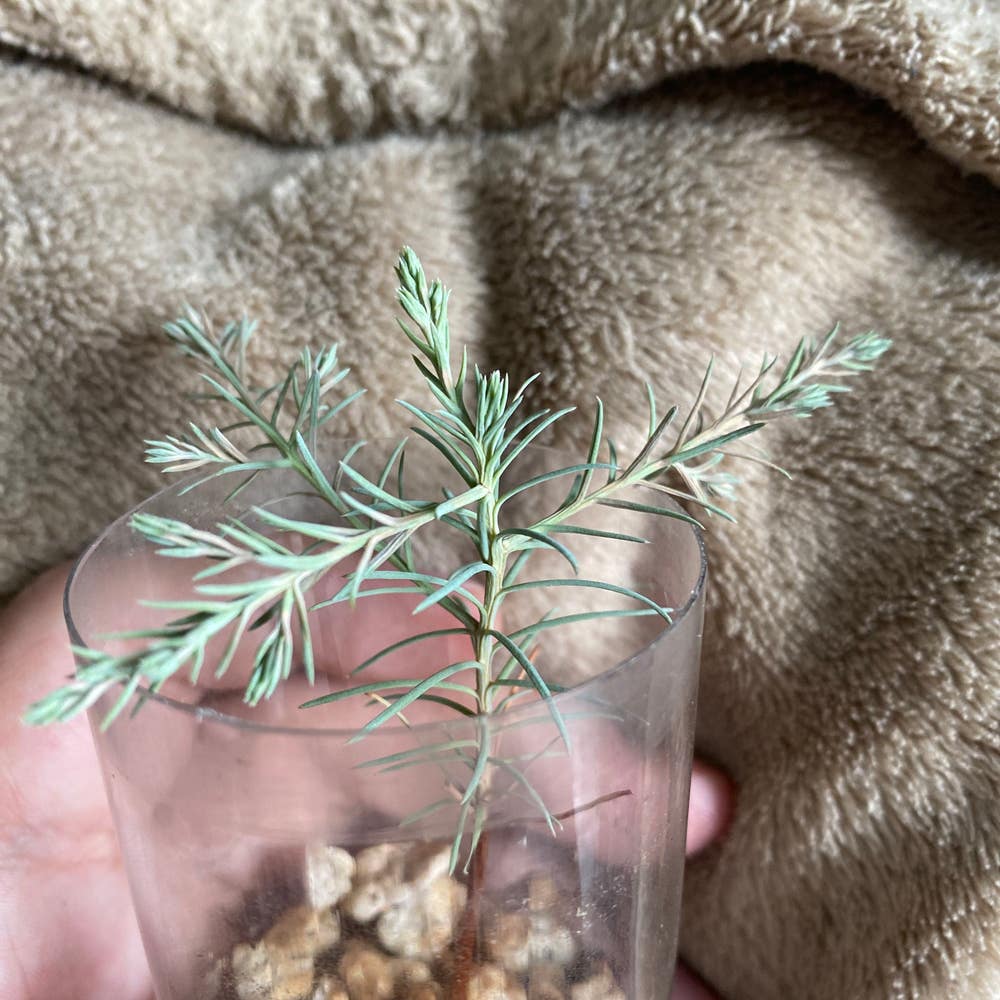
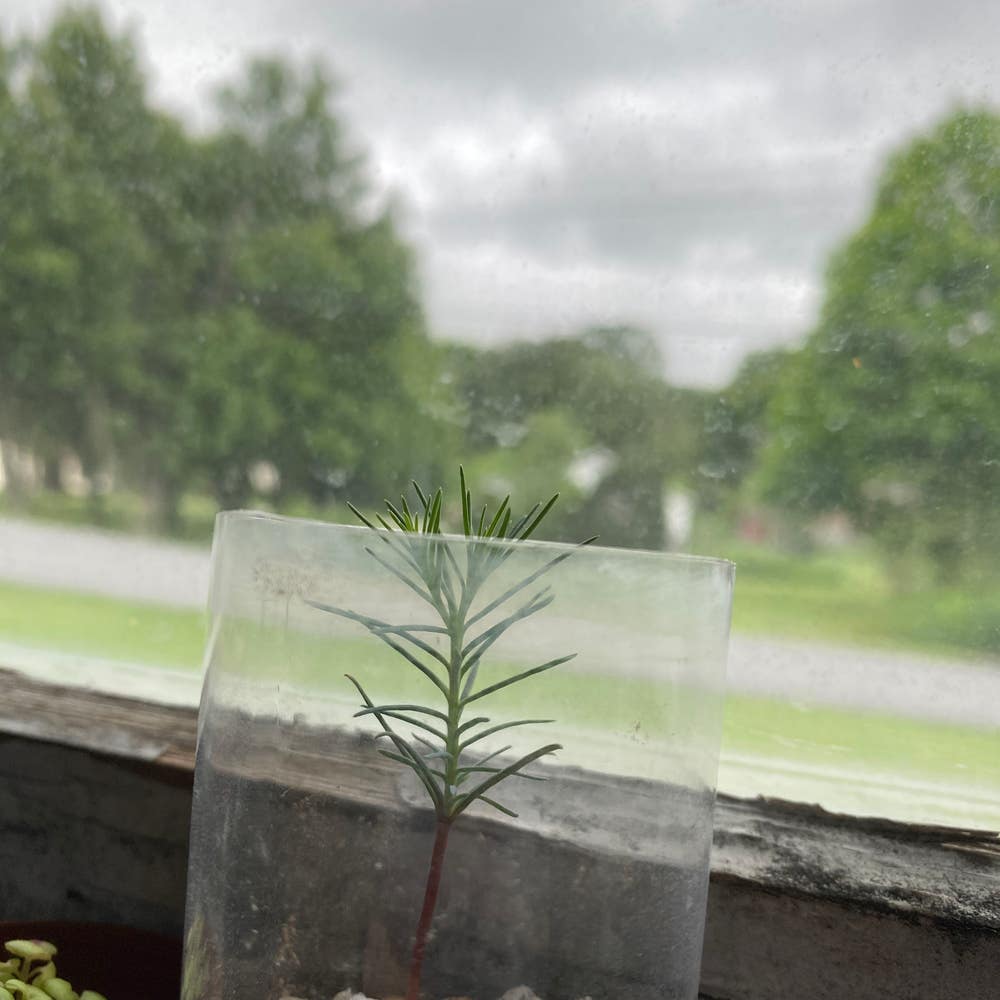
- New growth is marked by the emergence of pale green foliage that matures into the characteristic silvery blue needles.
- Seasonal growth changes are a response to increasing temperatures and longer daylight hours, allowing the Blue Spruce to resume its growth cycle annually.
Perennial Advantages
🌿 Gardening Benefits
Blue Spruce's perennial status is a boon for gardeners, offering tangible benefits that simplify garden maintenance. Here's how this evergreen ally can elevate your gardening game:
- Reduced Replanting: Unlike annuals, Blue Spruce doesn't require yearly planting, saving time and effort.
- Year-Round Aesthetics: Its enduring foliage provides a constant backdrop of color and texture.
- Cost-Effectiveness: Investing in Blue Spruce pays off over time, as the need for new plants diminishes.
- Wildlife Haven: The tree's permanence offers shelter and sustenance to local fauna, enriching biodiversity.
🌱 Root System Stability
The root system of Blue Spruce is a marvel of nature, underpinning its resilience and longevity. Let's dig into the underground benefits:
- Soil Erosion Control: A mature root network anchors the soil, mitigating erosion.
- Drought Resistance: Deep roots tap into subterranean water sources, helping the tree withstand dry spells.
- Nutrient Uptake: A well-established root system efficiently absorbs nutrients, promoting robust health.
- Wind Firmness: The anchoring effect of the roots keeps Blue Spruce standing tall against strong winds, safeguarding your garden's structure.
Regional Perennial Variability
🌍 Climate Zone Influences
Blue Spruce's hardiness is evident in its adaptability to diverse climates. Here's how it varies:
- Thrives in USDA Hardiness Zones 2-8, showcasing resilience to temperature extremes.
- Adapts to varying air temperatures and precipitation patterns, which can influence growth and survival.
🌿 Adapting to Environments
The adaptability of Blue Spruce in garden settings is remarkable. Consider these points:
- Soil type, sun exposure, and local weather patterns all play a role in its successful cultivation.
- Climate change introduces new challenges, potentially shifting optimal growing regions.
- Gardeners can leverage Blue Spruce's hardiness by selecting appropriate locations and providing suitable care based on regional conditions.
Cultivation Strategies
Long-Term Garden Value
Incorporating Blue Spruce into your garden isn't just about planting a tree; it's about envisioning the future landscape. Here's how to ensure your Blue Spruce contributes to your garden's long-term appeal:
- Select a spacious location, keeping in mind the Blue Spruce's mature size to avoid overcrowding and ensure its majestic presence.
- Pair with companion plants like Vinca, Bearberry, or Creeping Thyme for a diverse ecosystem that enhances visual interest and supports local wildlife.
- Adopt a naturalized design approach, favoring perennials with multiple seasons of interest to create a dynamic, low-maintenance garden space.
Enhancing Perennial Health
To keep your Blue Spruce thriving year after year, consider these tips:
- Prioritize plant vigor through proper planting, fertilizing, and pruning, as a robust Blue Spruce is more resilient to stress and disease.
- Embrace the art of pruning, not just for aesthetics but also to promote healthy growth and air circulation.
- Stay committed to fertilization, akin to a regular health check-up, to maintain the tree's vibrancy and color.
- Monitor growth and address issues promptly, ensuring that your Blue Spruce remains a perennial pillar of strength in your garden.
⚠️ Safety First
This content is for general information and may contain errors, omissions, or outdated details. It is not medical, veterinary advice, or an endorsement of therapeutic claims.
Always consult a qualified healthcare professional before using any plant as food, medicine, or supplement.
Never eat any plant (or feed one to pets) without confirming its identity with at least two trusted sources.
If you suspect poisoning, call Poison Control (800) 222-1222, the Pet Poison Helpline (800) 213-6680, or your local emergency service immediately.
Spotted an error? Please report it here.
Ensure your Blue Spruce grows steadfast through the seasons 🌲 with Greg's custom care schedule, perfect for nurturing this perennial titan from sapling to centenarian.